Tafraoute.


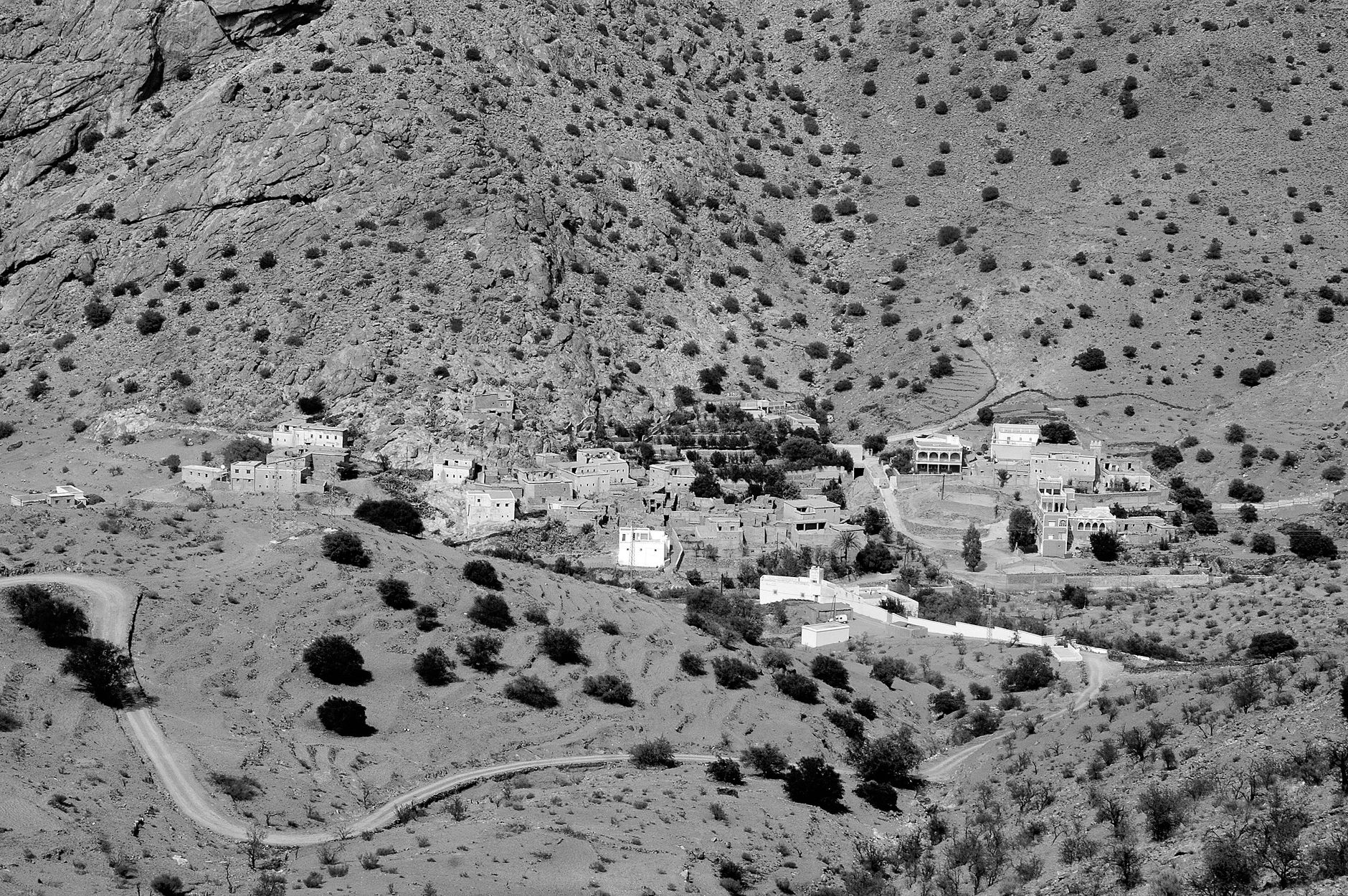
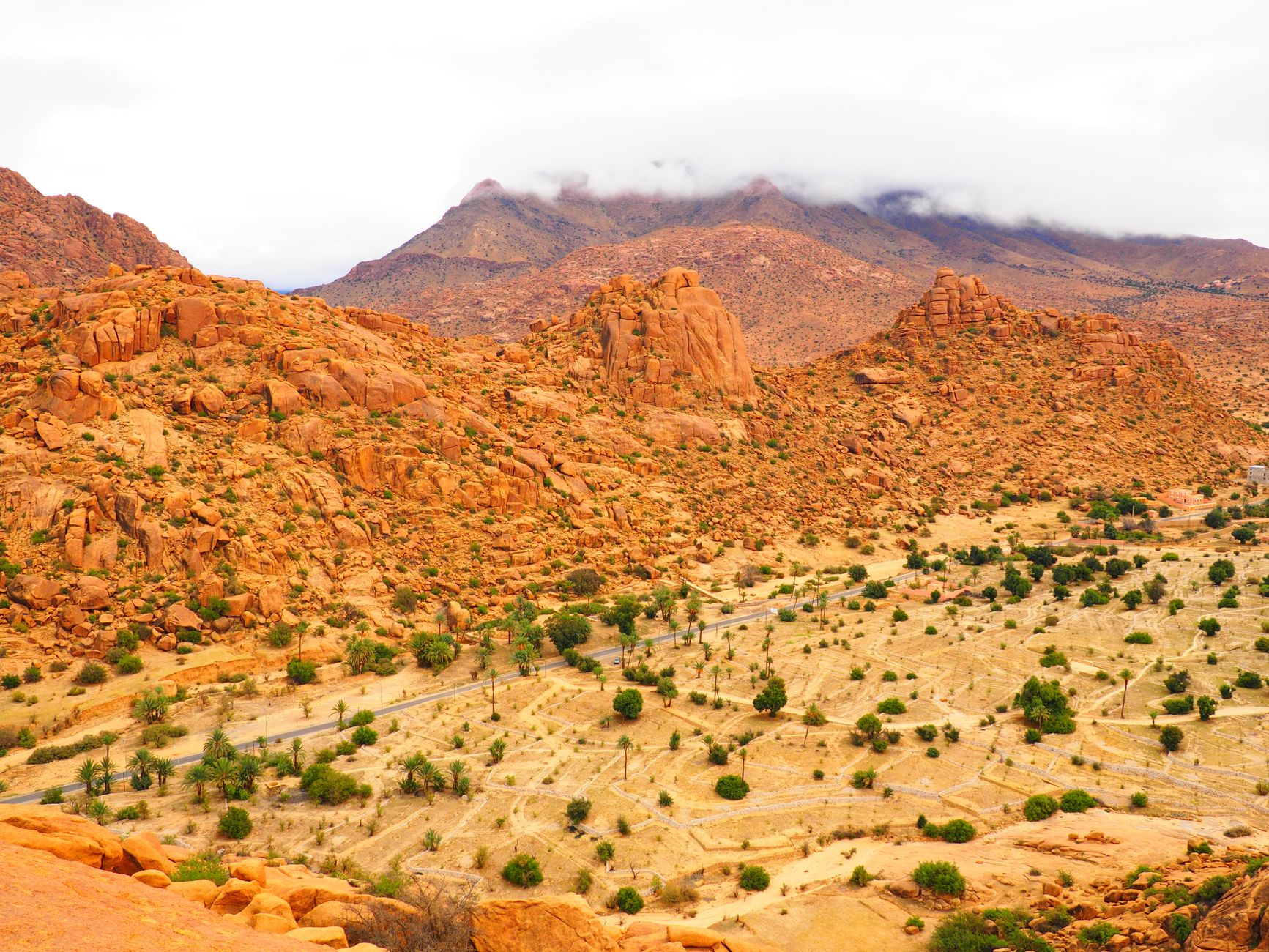
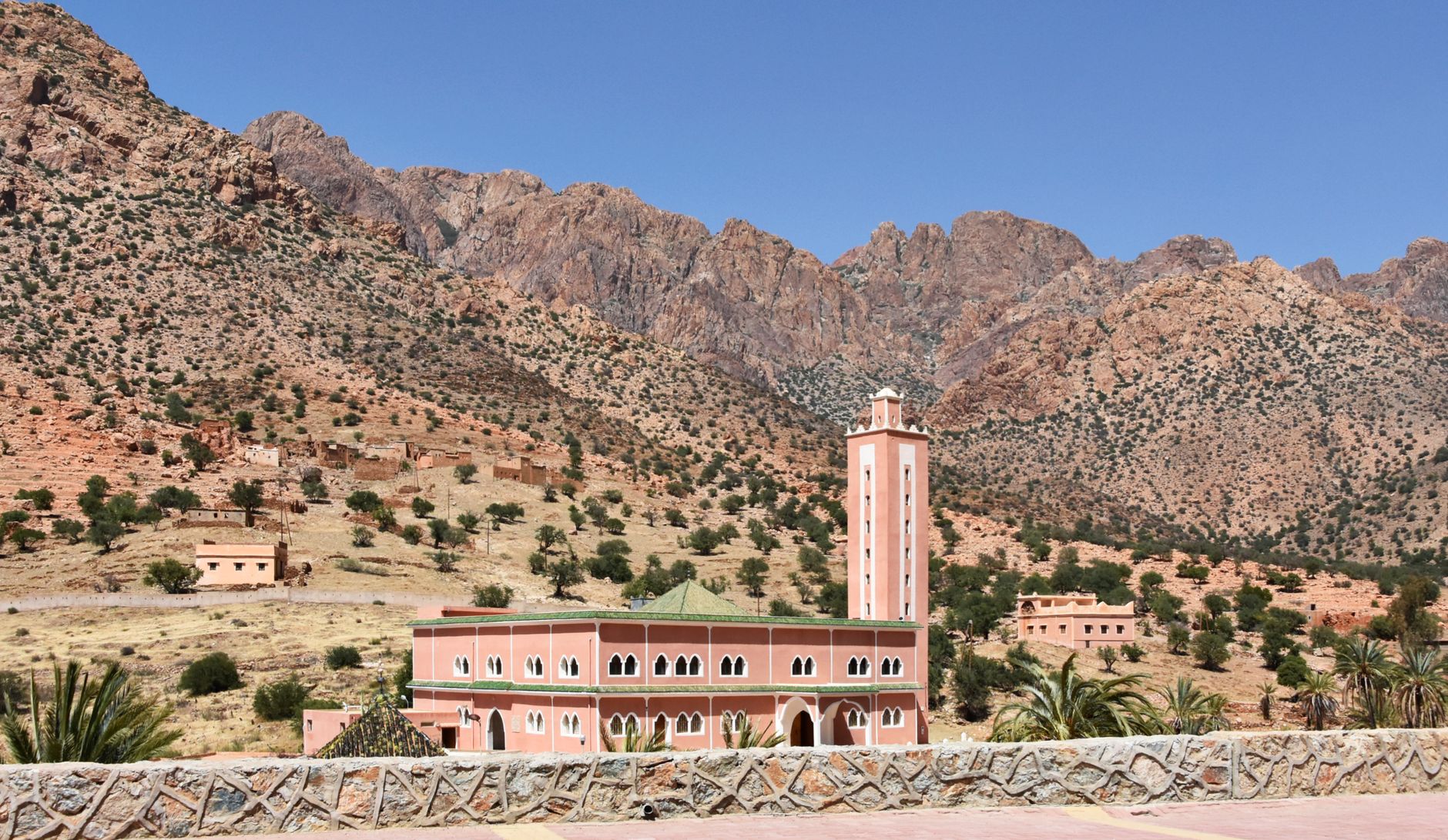
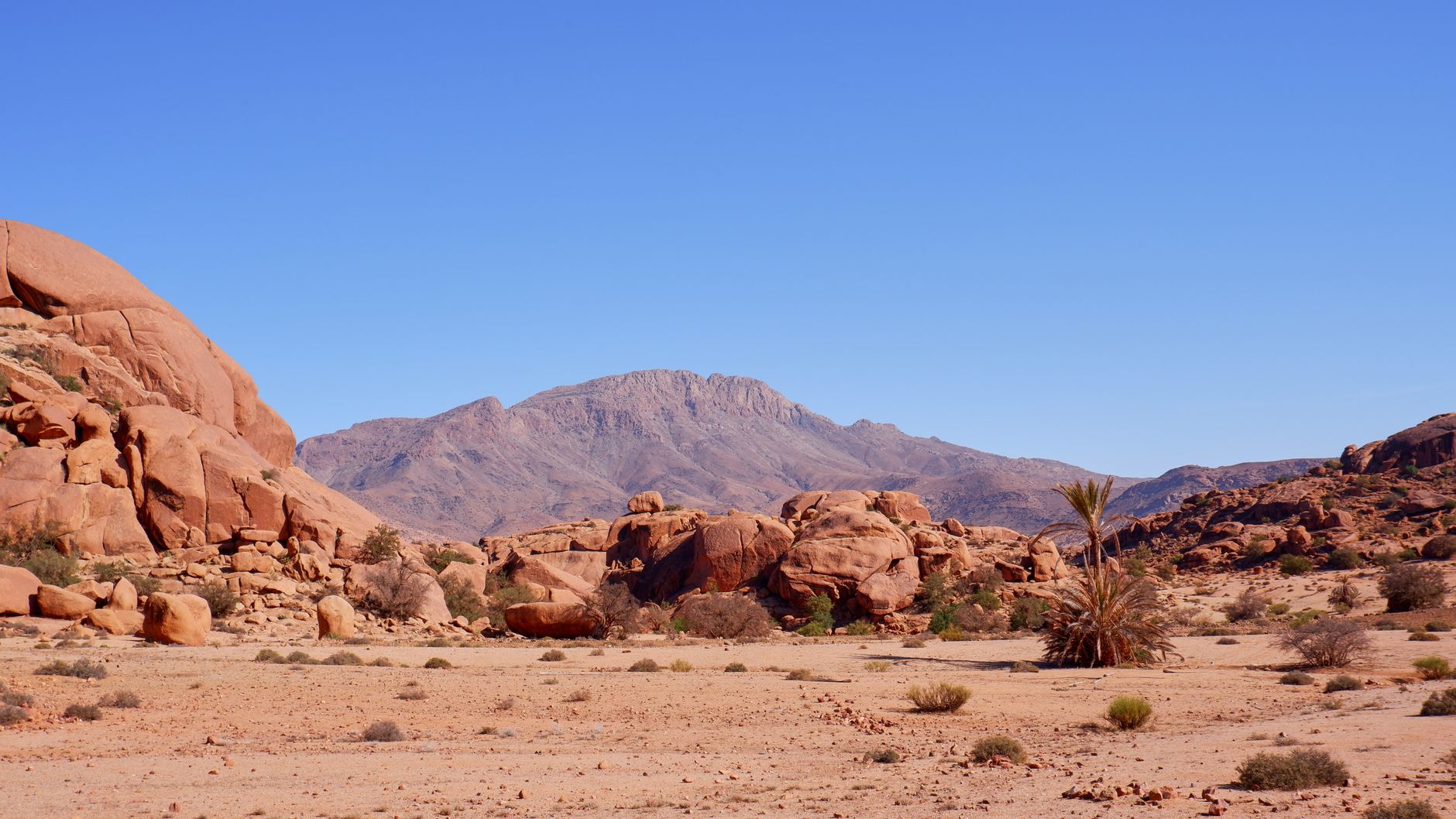
Tafraoute sits in the Anti-Atlas mountains, a four-hour drive southeast of Agadir along winding mountain passes. The town is known for its dramatic red granite formations, traditional embroidered leather babouches, and the surrounding Ameln Valley. Tafraoute is worth visiting if you want quiet mountain walking among mudbrick Berber villages, fresh goat meat tagines, and winter almond blossoms. Look elsewhere if you expect late-night bars, high-speed rail links, or coastal humidity.
Last updated 3 Nov 2026
Build a Tafraoute itinerary.
Choose up to 4 threads that pull you in. Your plan arrives organised around them.
The Bed
Where to stay in Tafraoute
Which part of town to book, and what each one costs you in walking, noise or quiet.
The Comparison
Tafraoute, or somewhere near it
The places you are realistically choosing between, and the honest case for each.
The Local Record
Where to read more about Tafraoute
The blogs, boards, guides and operators worth bookmarking.
What to do in Tafraoute Tiznit Province Morocco
Tafraoute is a relaxed market hub framed by rounded red granite peaks. Daily life turns on the pace of the central square, where shopkeepers lay out leather slippers each morning and café tables fill with tea drinkers by late afternoon. It suits independent walkers, cyclists, and quiet travellers who prefer rugged landscapes and unhurried Berber hospitality over polished resort amenities.
24 hours in Tafraoute Tiznit Province Morocco
Spend the morning walking among the painted boulders at Aguerd Oudad, then head into Tafraoute for a midday goat tagine with fresh bread at Restaurant L'Étoile. In the late afternoon, take a forty-minute stroll through the village of Tazka before catching the sunset light turn the granite hills deep ochre. Select 1 Day above to see it.
2 days in Tafraoute Tiznit Province Morocco
Dedicate your second day to the Ameln Valley, five kilometres north. Tour the preserved Chleuh homestead in Oumesnat, walk between date palms in village orchards, and stop for seasoned lamb brochettes and amlou at a quiet roadside café in Tagmoute. Choose 2 Days to expand the plan.
3 days in Tafraoute Tiznit Province Morocco
A third day allows an unhurried thirty-kilometre drive south through the winding Ait Mansour Gorge, where lush palm oases sit enclosed by vertical canyon walls. Pack water and flatbread, wander the quiet irrigation channels on foot, and return via the remote villages of Tiwit.
Tafraoute Tiznit Province Morocco itineraries by interest
Local Agriculture in Tafraoute Tiznit Province Morocco
Taste cold-pressed argan oil, wild thyme honey, and roasted Amlou paste sold directly by cooperative producers along Rue Hassan II.
Mountain Hiking in Tafraoute Tiznit Province Morocco
Trek the granite slabs of Jebel el Kest or trace the boulder trails between Aguerd Oudad and the Lion's Face rock above the valley.
Traditional Crafts in Tafraoute Tiznit Province Morocco
Pick up hand-stitched leather babouches with tyre-rubber soles crafted by cobblers working small open stalls behind the central souk.
Village Architecture in Tafraoute Tiznit Province Morocco
Wander the stepped stone houses and fortified granaries of Oumesnat and Tazka, where clay plaster clings to sheer pink rock walls.
Markets & Produce in Tafraoute Tiznit Province Morocco
Visit the Wednesday weekly market for dried figs, green tea mint, mountain almonds, and hand-carved olive wood bowls brought from remote hamlets.
Regional Cooking in Tafraoute Tiznit Province Morocco
Order slow-cooked goat tagines with prunes or amlou-dressed couscous served in clay vessels at modest family-run roadside dining rooms.
Public Art in Tafraoute Tiznit Province Morocco
Inspect Jean Verame's painted blue rocks south of town, where oversized Belgian enamel still coats natural granite boulders in the desert.
Scenic Drives in Tafraoute Tiznit Province Morocco
Navigate the R104 road through Ait Baha or wind down the dramatic hairpin turns of the Ait Mansour Gorge past dense date palm groves.
Historical Sites in Tafraoute Tiznit Province Morocco
Explore the Maison Traditionnelle in Oumesnat, a restored multi-storey mudbrick homestead illustrating eighteenth-century Chleuh Berber domestic life.
Rock Climbing in Tafraoute Tiznit Province Morocco
Ascend friction slabs and trad routes on the quartzite cliffs of the Ameln Valley, best tackled during the cooler winter morning hours.
Bicycle Touring in Tafraoute Tiznit Province Morocco
Pedal quiet tarmac loops through the Ameln basin, pausing at roadside tea stalls for sweet mint infusions and warm khobz flatbread.
Botanical Traditions in Tafraoute Tiznit Province Morocco
Track February almond blooms across the valley floor and learn how local women harvest, crack, and stone-mill argan nuts into rich culinary oils.