
_(23149305966).jpg)

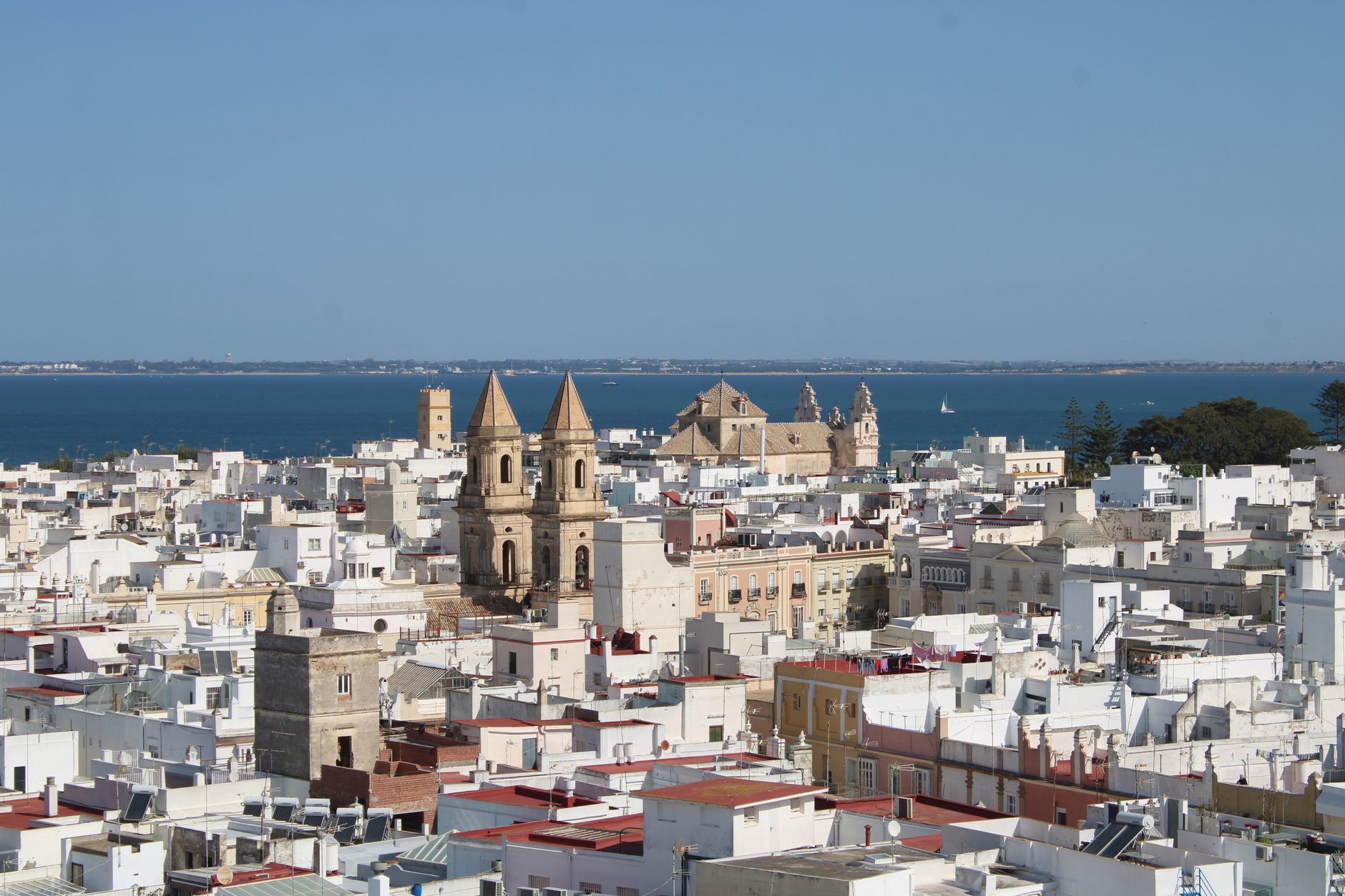
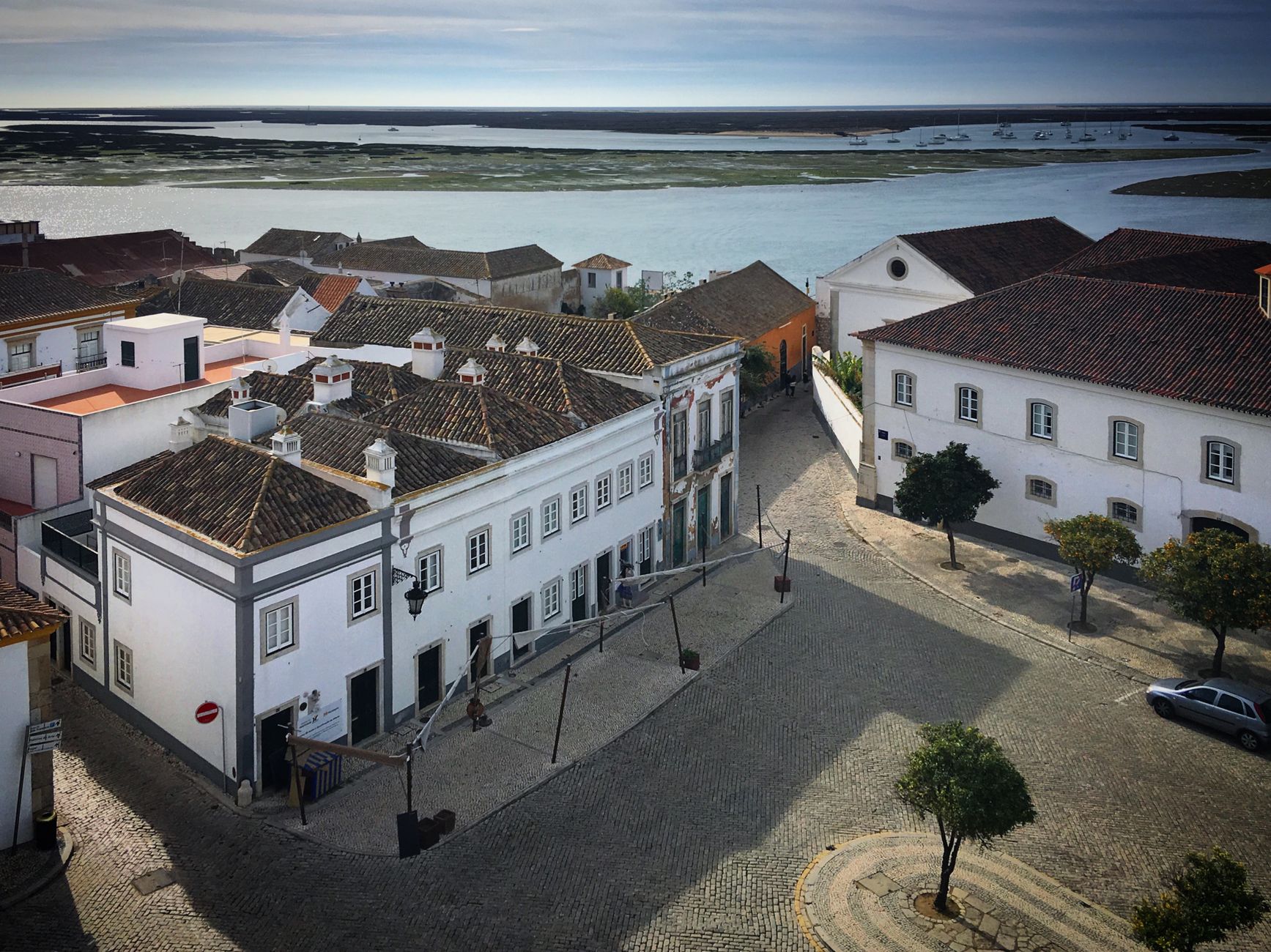
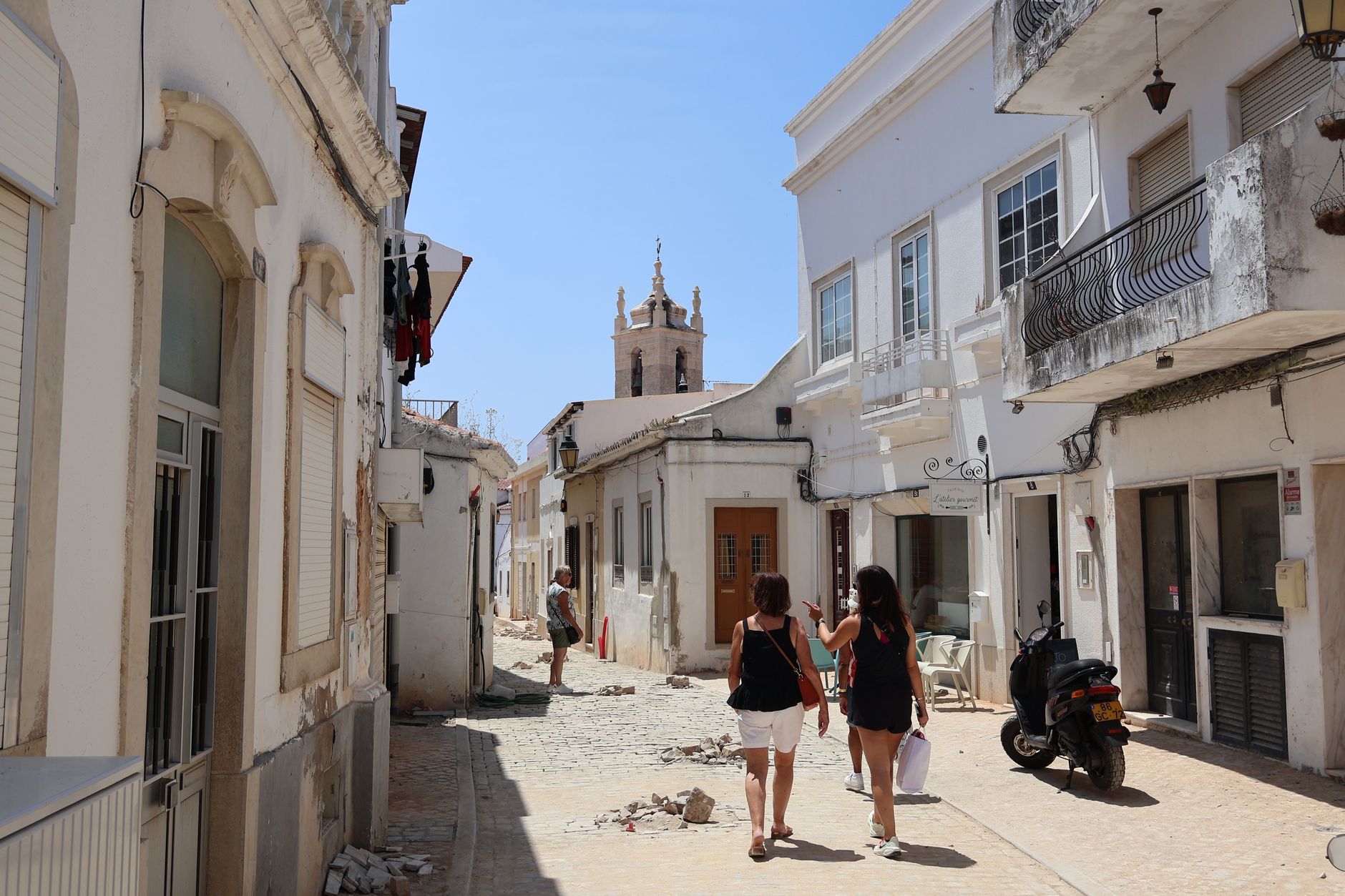
Tavira sits thirty kilometres east of Faro Airport, reached in forty minutes by regional train or highway. It is known for its Roman-style bridge across the River Gilão, thirty-plus historic churches, and the barrier islands of the Ria Formosa lagoon. Tavira is worth visiting if you want slow afternoons eating octopus rice and wandering cobbled alleys crowned by a ruined Moorish castle. Look elsewhere if you want high-energy beachfront nightlife, high-rise resort convenience, or water parks.
Last updated 21 Sept 2026
Build a Tavira itinerary.
Choose up to 4 threads that pull you in. Your plan arrives organised around them.
We'll craft a 1-lens plan for Tavira, one collapsible strand per lens.
Local Wine
Sample crisp Arinto and robust Negra Mole reds produced on the limestone soils of the nearby Tavira and Lagoa demarcated wine regions.
Local Wine
Sample crisp Arinto and robust Negra Mole reds produced on the limestone soils of the nearby Tavira and Lagoa demarcated wine regions.
Morning Market and Local Preserves
Mercado Municipal de Tavira
Wander the stalls on Avenida Dom Manuel I for local sheep cheeses and citrus. No admission fee; budget five euros for coffee, fresh figs, and a look at regional bottles. Spend forty-five minutes.
Editor TipBefore commercial tourism, the Gilão River basin sustained Tavira on salt, tuna, and dry-farmed vines. The market remains the daily crossroads where rural growers bring inland Algarve produce directly to town. Grab an espresso at the corner counter and watch the fishmongers work their slabs of cuttlefish.
Native Negro Mole Tasting
Garrafeira Soares Tavira
Step inside this specialist shop on Rua Dr. Fausto Cansado. Flights of Algarve DOP wines cost around ten euros. Staff pour without fuss and explain small-estate bottlings. Allow one hour.
Editor TipNegro Mole is the signature red grape of southern Portugal, producing pale, lightly chilled reds that thrive in coastal sandy soils. It was once dismissed as jug wine until modern winemakers revived old-vine plots. Ask specifically for organic bottlings from Lagoa or Silves to taste how sea salinity affects the palate.
Sampling Algarve Negra Mole
Ti Maria Tapas & Garrafeira
Drop in without booking for a flight of regional wines poured alongside cured sheep cheese. Budget twenty euros and stay for forty-five minutes.
Editor TipNegra Mole is the signature native red grape of the Algarve, delivering pale, delicate reds that defy the southern heat with surprising freshness. Ask the staff to pour an unoaked Negra Mole chilled; it suits the afternoon sun far better than a heavy red.
Tasting Coastal Reds Over Petiscos
Come na Gaveta
Book a sidewalk table two days ahead. Order the octopus carpaccio and braised pork cheeks alongside a bottle from a local Tavira estate.
Editor TipTavira winemakers combine maritime humidity with limestone soils, producing mineral white blends and structured reds built for rich seafood. Order a bottle of Arinto or Castelao from the Tavira sub-region rather than standard Douro labels.
Barrocal Orchard Walk
Quinta da Fornalha
Drive fifteen minutes west to Moncarapacho. Wander the working farm for five euros, inspect the heirloom vines, and pick up estate-pressed olive oil from the counter.
Editor TipThe Algarve interior, or Barrocal, balances maritime moisture with limestone soil, sustaining hardscrabble vineyards and ancient carob trees since Roman settlement. Wear sturdy shoes. The clay and limestone tracks get sticky if there was early morning dew.
Limestone Terraced Wine Tasting
Quinta da Tôr
Book the standard cellar tour and tasting online for fifteen euros. Spend ninety minutes sipping their intense Touriga Nacional beside the low stone walls.
Editor TipSun-baked microclimates around Loulé push grape sugars exceptionally high, yielding bold reds that reach seventeen percent ABV without fortification. Designate a driver or spit politely. At seventeen percent, these wines do not negotiate.
Seafood Stew and Regional Whites
Restaurante Noélia e Jerónimo
Reserve several days ahead for dinner in Cabanas de Tavira. Order the lemon Corvina rice and ask for a chilled local Arinto or Crato Branco from the deep regional wine list.
Editor TipCoastal Algarve cooking relies on clay-pot stews and daily Atlantic catches, designed to be cut by the brisk salinity and high acidity of southern Portugal's coastal white wines. Tables on the enclosed terrace fill early, so confirm an indoor seat if the coastal wind picks up.
Note from the Editor
“Start early along the river before tour buses cross the old bridge. Tavira rewards an unhurried morning pace, and the best bottles of local Negro Mole disappear from market shelves before noon.”
Routes Through Tavira
Trips readers have saved that pass through here — the well-worn ones first.
- 01LisboaSesimbraVila Nova de MilfontesLagosTaviraSanlúcar de BarramedaJerez de la FronteraEstepona
- 02TaviraHuelvaUtreraCádiz
The Bed
Where to stay in Tavira
Which part of town to book, and what each one costs you in walking, noise or quiet.
Places to stay
Central, well-rated and easy to find again. Distances are from the middle of town.
These links go to Booking.com and earn us a commission. They cost you nothing extra.
The Comparison
Tavira, or somewhere near it
The places you are realistically choosing between, and the honest case for each.
The Local Record
Where to read more about Tavira
The blogs, boards, guides and operators worth bookmarking.
What to do in Tavira Algarve Portugal
Split cleanly by the River Gilão, Tavira unfolds on a gentle human scale. Days naturally follow the water, from morning fish purchases at the municipal market to afternoon boat crossings through the Ria Formosa marshes. The town suits independent travellers who value unhurried meals of grilled fish, quiet evening walks past whitewashed manor houses, and an Algarve rooted in everyday domestic life rather than packaged resort tourism.
24 hours in Tavira Algarve Portugal
Start early at the Mercado Municipal for coffee and pastries, then climb to the castle gardens before midday heat sets in. Cross the Ponte Romana for lunch of grilled cuttlefish on Rua dos Pelames. Catch the afternoon ferry from Quatro Águas out to Ilha de Tavira, returning for a late dinner of cataplana along the river. Select 1 Day above to see it.
2 days in Tavira Algarve Portugal
Spend your second morning three kilometres west in the fishing village of Santa Luzia, known for stellar octopus rice. Walk the boardwalk or take the miniature train to Praia do Barril to see the old tuna fleet anchors resting on the dunes, then head into the salt pans near the estuary as late afternoon light strikes the white brine flats. Choose 2 Days to expand the plan.
3 days in Tavira Algarve Portugal
A third day lets you head inland to the village of Cacela Velha for dramatic views across the lagoon, or take the regional rail line up into the Barrocal foothills. Stop in São Brás de Alportel to learn about historic cork harvesting, then finish with roast goat and medronho spirit at an unhurried countryside tasca.
Tavira Algarve Portugal itineraries by interest
Local Seafood in Tavira Algarve Portugal
Track down polvo à lagareiro roasted with garlic, cataplana de amêijoas steamed in copper, and grilled robalo straight off small local day boats.
Sacred Architecture in Tavira Algarve Portugal
Explore Igreja da Misericórdia for its Renaissance portal and blue azulejos, then climb to Igreja de Santa Maria do Castelo beside the old fortress.
Beaches in Tavira Algarve Portugal
Take the short ferry across the lagoon to Praia do Barril and walk past the anchor cemetery, or ride to Praia de Tavira for quiet Atlantic swimming.
Markets & Produce in Tavira Algarve Portugal
Morning trade at Mercado Municipal brings fresh sea bream, carob pods, dried figs, and small wheels of cured sheep cheese from the surrounding barrocal.
Maritime History in Tavira Algarve Portugal
Discover centuries of almadraba tuna netting at Arraial Ferreira do Amaral and study the medieval defensive walls raised during the Reconquista.
Coastal Walks in Tavira Algarve Portugal
Follow the boardwalk trail across Ria Formosa salt marshes from Santa Luzia, spotting wild flamingos, fiddler crabs, and working tide mills.
Salt Production in Tavira Algarve Portugal
Walk the perimeter paths of the salinas where workers harvest flor de sal by hand using traditional wooden rakes unchanged since the Phoenician era.
Day Trips in Tavira Algarve Portugal
Ride the local train east to Vila Real de Santo António for Pombaline grid streets, or head west to Olhão for massive waterfront brick market halls.
Fortifications in Tavira Algarve Portugal
Climb the crenellated towers of Castelo de Tavira to take in panoramic views of terracotta rooftops, the river estuary, and the bell towers below.
Riverfront Dining in Tavira Algarve Portugal
Sit along the Gilão riverbanks on Rua Borda d’Água da Asseca for chilled Vinho Verde, grilled sardines, and garlic prawns served in clay dishes.
Traditional Crafts in Tavira Algarve Portugal
Shop for handwoven reed baskets, painted ceramics, and hammered copper cataplanas made by regional artisans in the hillside workshops of the interior.
Local Wine in Tavira Algarve Portugal
Sample crisp Arinto and robust Negra Mole reds produced on the limestone soils of the nearby Tavira and Lagoa demarcated wine regions.