Telouet.


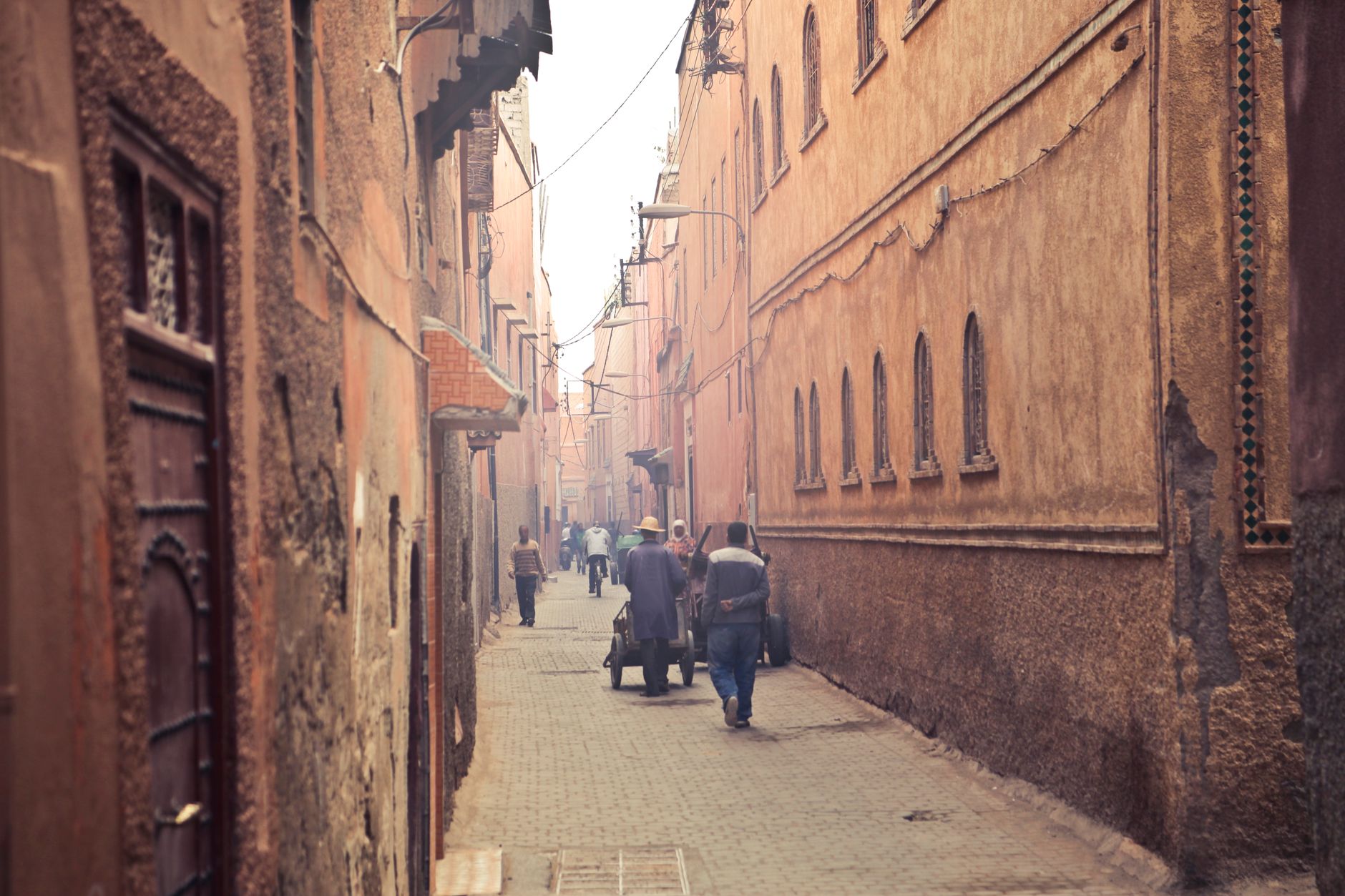
Telouet sits three hours southeast of Marrakech via the Tizi n'Tichka pass along the P1506. The village is known for the sprawling, semi-ruined Kasbah du Glaoui and the ancient rock-salt mines cut into the red earth below. Telouet is worth visiting if you want to inspect decaying palace zellige, walk quiet High Atlas valleys, and eat slow-cooked lamb tagines at high elevation. Look elsewhere if you want curated resort comfort, paved highway convenience, or evening entertainment.
Last updated 8 Oct 2026
Build a Telouet itinerary.
Choose up to 4 threads that pull you in. Your plan arrives organised around them.
The Bed
Where to stay in Telouet
Which part of town to book, and what each one costs you in walking, noise or quiet.
The Comparison
Telouet, or somewhere near it
The places you are realistically choosing between, and the honest case for each.
The Local Record
Where to read more about Telouet
The blogs, boards, guides and operators worth bookmarking.
What to do in Telouet Marrakech-Safi Morocco
Telouet clings to a barren plateau at 1,800 metres, arranged loosely around the brooding mass of the Glaoui fortress. Life here moves slowly between morning tea in the dusty main square, visits to the ruined reception halls, and walks down to the salt pans. It suits travellers who prefer rough edges, mountain stillness, and historic architecture left without ropes or gift shops.
24 hours in Telouet Marrakech-Safi Morocco
Spend two morning hours touring the carved cedar rooms of the kasbah before tour groups arrive from the pass. For lunch, order a slow-cooked lamb tagine at a village cafe on the main track. In the late afternoon, walk twenty minutes down to the red riverbed salt mines as the sun drops behind the Atlas peaks. Select 1 Day above to see it.
2 days in Telouet Marrakech-Safi Morocco
Follow the Ounila Valley south toward the stone village of Anmiter. Hike between terraced barley fields and walnut trees along the river course, then stop for wood-fired tafarnout bread, goat cheese, and mint tea at a family-run guesthouse before driving the canyon road. Choose 2 Days to expand the plan.
3 days in Telouet Marrakech-Safi Morocco
Use the extra day to explore the full descent to Ait Benhaddou via the Tamdaght gorge, or hike into the high pasture trails around Jbel Tisnit. You have time to sit with village weavers, buy unrefined mountain salt directly from miners, and let the high altitude reset your pace.
Telouet Marrakech-Safi Morocco itineraries by interest
Historic Palaces in Telouet Marrakech-Safi Morocco
Wander the Kasbah du Glaoui, where 19th-century stuccowork, cedar ceilings, and Italian marble decay slowly alongside crumbling mudbrick ramparts.
Mountain Hiking in Telouet Marrakech-Safi Morocco
Follow dirt paths through the Ounila Valley past terraced walnut groves, red sandstone gorges, and stone Berber hamlets tucked beneath high ridges.
Local Produce in Telouet Marrakech-Safi Morocco
Taste coarse mountain salt extracted by hand from the local saline springs, used across the region to cure meats and season slow-cooked vegetable tagines.
Regional Cooking in Telouet Marrakech-Safi Morocco
Eat tender mountain lamb braised over charcoal with saffron, prunes, and wild thyme in roadside earthen tagines served with fresh khobz.
Village Markets in Telouet Marrakech-Safi Morocco
Visit the weekly souk on Thursdays where mountain farmers trade sheep, raw wool, freshly pressed olive oil, and dried figs under canvas awnings.
Traditional Crafts in Telouet Marrakech-Safi Morocco
Watch local women weave thick wool carpets using traditional Glaoua geometric patterns on upright wooden looms in small village cooperatives.
Scenic Drives in Telouet Marrakech-Safi Morocco
Drive the narrow P1506 from Tichka down the Ounila Valley to Ait Benhaddou, winding through sheer canyon walls and vivid red earthen villages.
Geological Sites in Telouet Marrakech-Safi Morocco
Walk the riverbed salt flats outside town, where tiered evaporation pans sit etched into pink clay beneath jagged limestone mountain shelves.
Sacred Architecture in Telouet Marrakech-Safi Morocco
Spot simple whitewashed village marabouts and adobe prayer halls that anchor centuries-old Amazigh family compounds across the upper valley.
Mountain Biking in Telouet Marrakech-Safi Morocco
Ride gravel tracks connecting Telouet to Anmiter and Tamdaght, navigating dry wadi beds and rocky descents through dramatic desert-mountain terrain.
Bread & Baking in Telouet Marrakech-Safi Morocco
Break warm tafarnout bread baked against smooth stones inside domed wood-fired clay ovens, best eaten with wild Atlas honey and churned butter.
Rural Life in Telouet Marrakech-Safi Morocco
Observe the daily rhythms of irrigation channels, mule packing, and hay gathering that sustain this High Atlas farming enclave throughout the year.