



Urubamba lies 50 kilometres northwest of Cusco, roughly 75 minutes by car or shared minivan over the Pampa de Anta. At 2,870 metres, it is primarily a working agricultural hub known for giant white corn, salt pan proximity, and ceramic studios. Urubamba is worth visiting if you want a mild valley base for mountain walks, wood-fired cuy, and unhurried market mornings before heading higher. Look elsewhere if you want late-night bars, colonial museum circuits, or car-free cobbled promenades.
Last updated 24 Oct 2026
Build a Urubamba itinerary.
Choose up to 4 threads that pull you in. Your plan arrives organised around them.
The Bed
Where to stay in Urubamba
Which part of town to book, and what each one costs you in walking, noise or quiet.
The Comparison
Urubamba, or somewhere near it
The places you are realistically choosing between, and the honest case for each.
The Local Record
Where to read more about Urubamba
The blogs, boards, guides and operators worth bookmarking.
What to do in Urubamba Cusco Peru
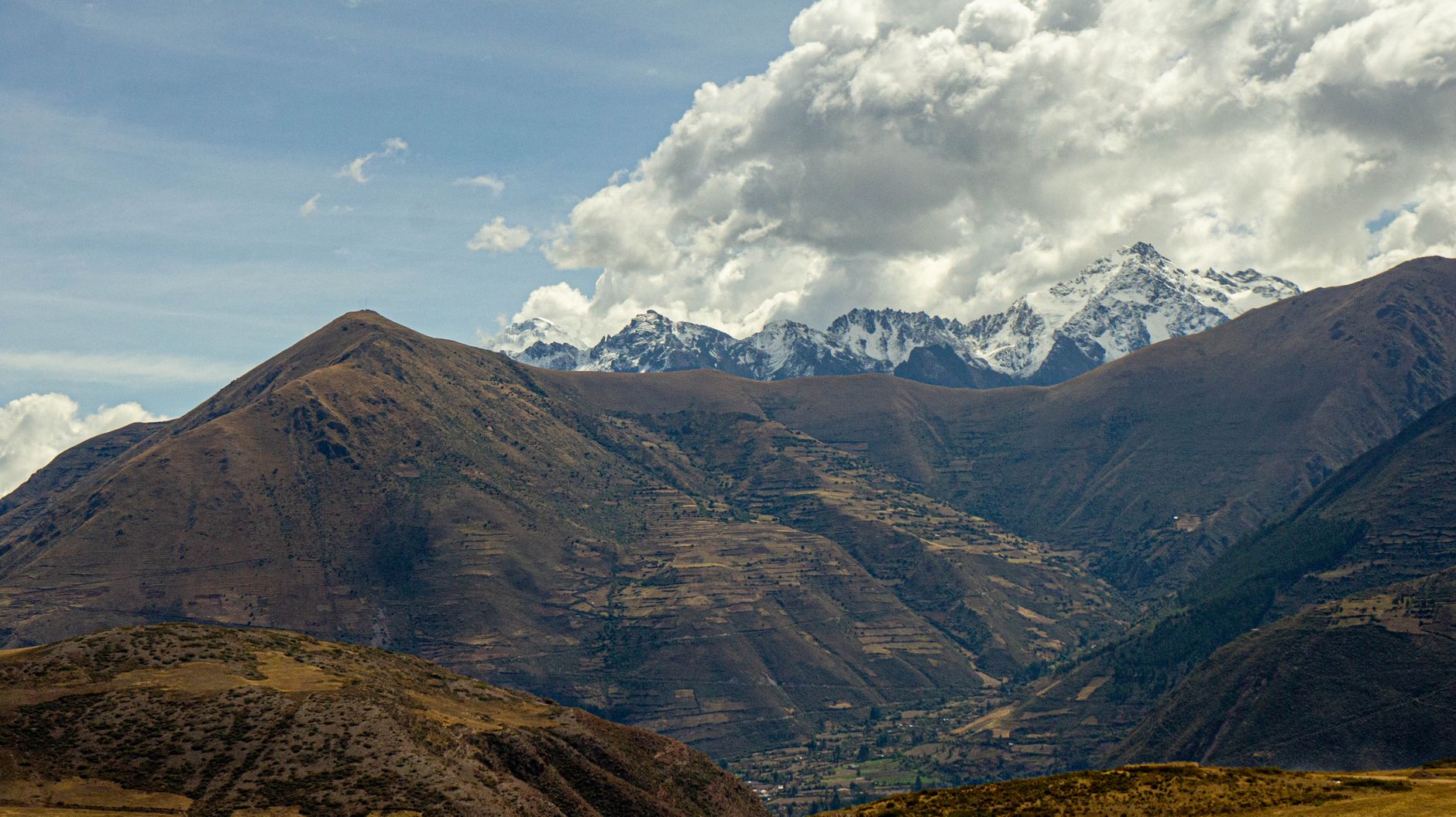
Urubamba runs along the rushing Vilcanota River, backed by the snowy jagged tooth of Mount Chicón. It functions less like a curated museum and more like a proper Andean farm town with grease under its fingernails. Days follow the morning sun: early shopping at Mercado Modelo, afternoon walks through eucalyptus lanes in Querocancha, and slow dinners featuring wood-roasted river trout. It rewards anyone who prefers space and altitude acclimatisation to Cusco crowds.
24 hours in Urubamba Cusco Peru
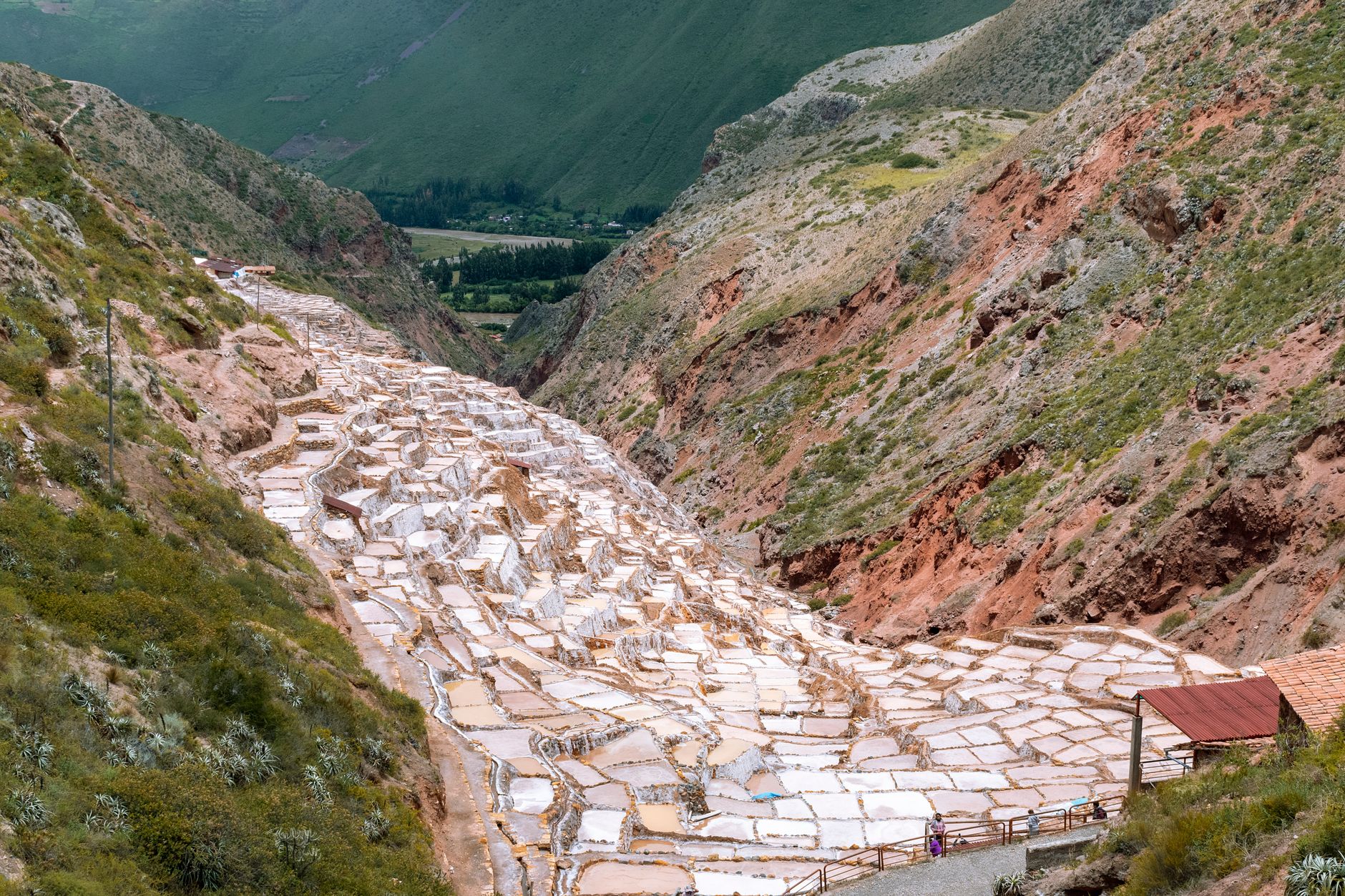
Start at 08:00 with caldo de gallina at Mercado Modelo before walking ten minutes down Calle Berriozabal to view local ceramics. Catch a shared combi to the terraced salt pans at Maras for late-morning light. Return for crisp lechón on Avenida Ferrocarril, then finish with a quiet evening stroll along the church plaza. Select 1 Day above to see it.
2 days in Urubamba Cusco Peru
Cross the river bridge toward Media Luna in the morning to walk quiet dirt roads flanked by giant corn fields. Catch an afternoon bus fifteen minutes down the valley to Ollantaytambo to climb the Sun Temple terraces. Eat fresh river trout fried with garlic at a roadside picantería before heading back to Urubamba for the night. Choose 2 Days to expand the plan.
3 days in Urubamba Cusco Peru
A third day allows an unhurried morning drive up to the circular Inca laboratory terraces at Moray. Spend the afternoon ascending the Chicón gorge along glacial streams, or visit weaving families in the highland hamlet of Chinchero. Finish with a long wood-fired meal and a clay mug of chicha morada under the valley stars.
Urubamba Cusco Peru itineraries by interest
Local Markets in Urubamba Cusco Peru
Weave past wheelbarrows at Mercado Modelo for giant Urubamba choclo with salty fresh cheese, caldo de gallina, and purple chicha morada.
Traditional Cooking in Urubamba Cusco Peru
Seek out wood-fired cuy chactado, roasted lechón with tamales, and earthy pachamanca cooked underground with Andean tubers and huacatay.
Ceramics & Craft in Urubamba Cusco Peru
Visit the workshop founded by Pablo Seminario on Calle Berriozabal for red-clay pots, textured murals, and pre-Columbian iconography.
Archaeology in Urubamba Cusco Peru
Take a combi east to Ollantaytambo's stone terraces or explore the tiered salt evaporation ponds carved into the cliffside at Maras.
Highland Walks in Urubamba Cusco Peru
Climb the trail behind town toward the glacier of Chicón, or walk along ancient irrigation canals through the eucalyptus groves of Yanahuara.
Fermented Drinks in Urubamba Cusco Peru
Look for red plastic bags on doorways signalling a chichería, where fermented jora corn beer pours into massive caporal glasses.
Agricultural Heritage in Urubamba Cusco Peru
Study the concentric agricultural terraces at Moray, where the Incas tested microclimates across distinct stone-walled elevation zones.
River Running in Urubamba Cusco Peru
Put in along the Vilcanota River near Huambutio for Class II and III rapids, drifting between steep canyon walls and willow banks.
Day Trips in Urubamba Cusco Peru
Ride colectivos out to the Sunday weaving market at Chinchero, or head down-valley toward the fortress ramparts of Ollantaytambo.
Sacred Architecture in Urubamba Cusco Peru
Step into the 17th-century Iglesia de San Pedro Apóstol on Plaza de Armas, framed by twin bell towers and carved cedar retablos.
Farm Produce in Urubamba Cusco Peru
Sample valley-grown aguaymanto, elderberry, native potatoes, and giant Paraqay corn along the rural farm tracks of Media Luna.
Mountain Biking in Urubamba Cusco Peru
Descend singletrack routes from the Maras plateau down through the salt flats to the suspension bridge over the Vilcanota River.