.jpg)



Urubamba sits 50 kilometres north of Cusco, a 75-minute colectivo ride away, resting a thousand metres lower than the high capital. It is an unpretentious market hub known for giant white corn and lush valley orchards. Urubamba is worth visiting if you want to acclimatise gently while basing yourself near valley farms and archaeological ruins. Look elsewhere if you require late-night bars, colonial museum circuits, or dramatic car-free old town streets.
Last updated 9 Oct 2026
Build a Urubamba itinerary.
Choose up to 4 threads that pull you in. Your plan arrives organised around them.
The Bed
Where to stay in Urubamba
Which part of town to book, and what each one costs you in walking, noise or quiet.
The Comparison
Urubamba, or somewhere near it
The places you are realistically choosing between, and the honest case for each.
The Local Record
Where to read more about Urubamba
The blogs, boards, guides and operators worth bookmarking.
What to do in Urubamba Cusco Peru
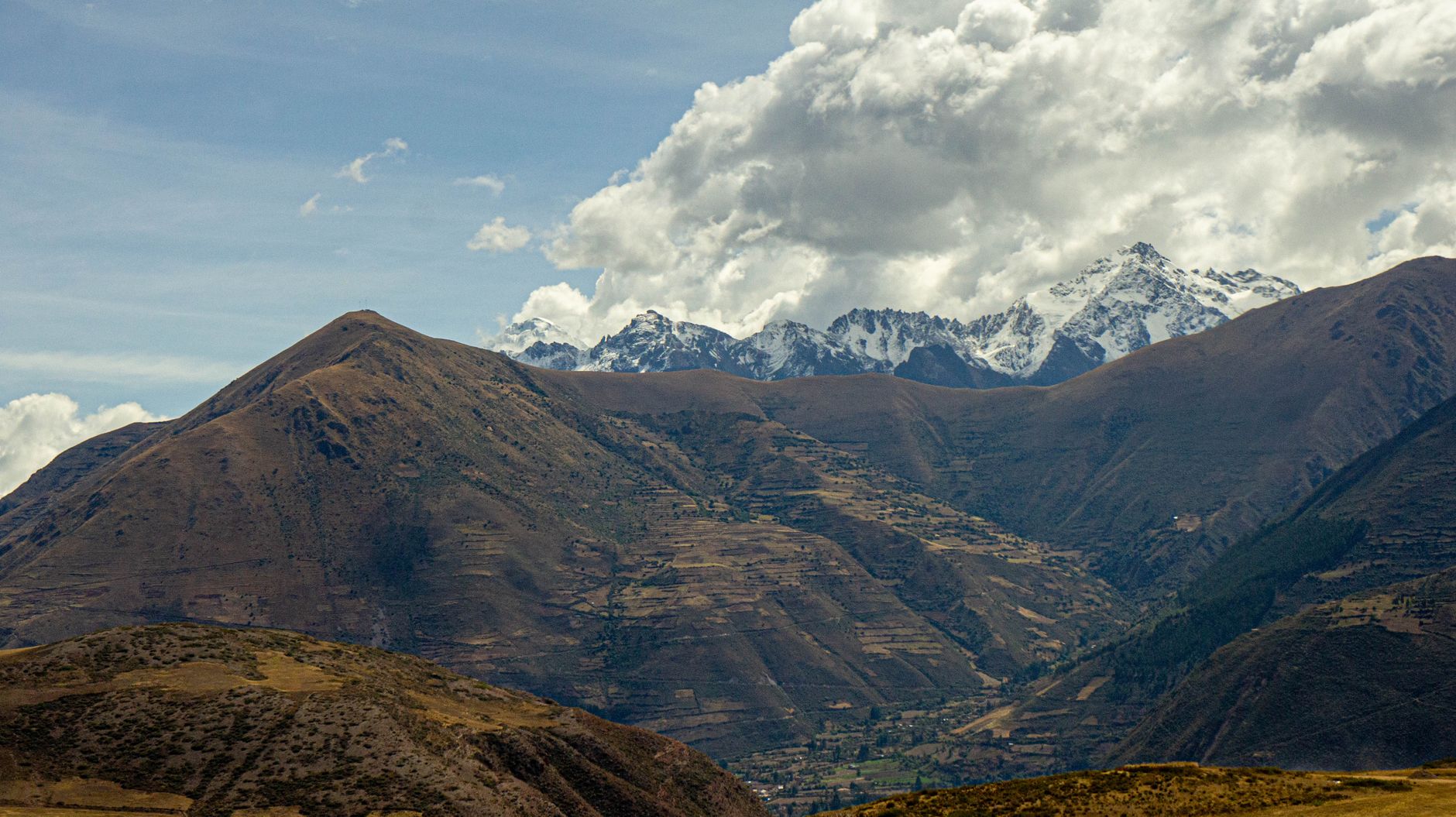
Urubamba is the working heart of the Sacred Valley, stretched flat along the Vilcanota River beneath towering granite crags. The rhythm here follows the morning agricultural market on Avenida Ferrocarril and long, unhurried lunches in shaded courtyards. It suits travellers who prefer settling into rural valley routines, eating stellar farm food, and exploring Inca sites without the thin air and heavy tour crowds of Cusco.
24 hours in Urubamba Cusco Peru
Start early at Mercado Modelo for steamed tamales and hot api, then stroll ten minutes to Seminario Ceramics to see red clay throwing. Have a slow lunch of wood-roasted pork or trout in Chichubamba, then spend your afternoon climbing the gentle dirt trails toward the Saywa viewpoint before a quiet dinner of quinoa soup near the plaza. Select 1 Day above to see it.
2 days in Urubamba Cusco Peru
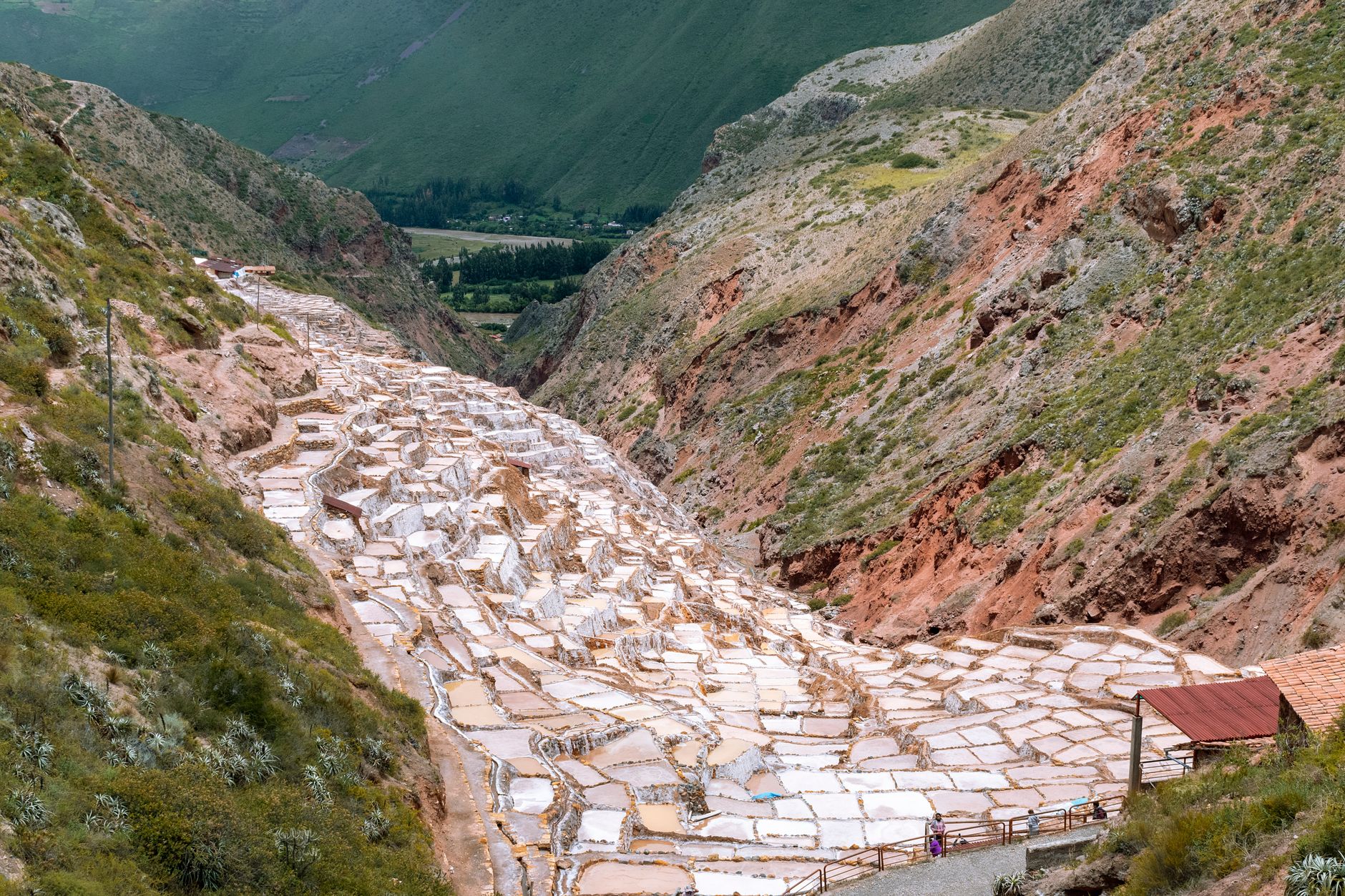
A second day lets you hire a local taxi for the twenty-minute climb up to the salt pans of Maras and the circular sunken ruins at Moray. Return to town for lunch at a roadside picanteria serving crisp chicharron and cold chicha, followed by an afternoon walking the quiet eucalyptus-lined tracks along the river. Choose 2 Days to expand the plan.
3 days in Urubamba Cusco Peru
Three days opens up the train connections to Ollantaytambo and Machu Picchu, or full day hikes into the high Pumahuanca Valley for trout streams and native polylepis woods. You can spend an afternoon learning natural yarn dyeing in rural artisan workshops without feeling the clock tick down.
Urubamba Cusco Peru itineraries by interest
Produce Markets in Urubamba Cusco Peru
Walk the aisles of Mercado Modelo for choclo corn, native tubers, fresh herbs, and warm plates of lechon with tamales from corner stalls.
Fermented Drinks in Urubamba Cusco Peru
Follow the red plastic flags marking rural chicherias to drink freshly fermented corn chicha de jora or strawberry-infused frutillada.
Craft Traditions in Urubamba Cusco Peru
Visit Seminario Ceramics near the town edge, where Pablo Seminario shapes stoneware and red clay using pre-Columbian iconography and techniques.
Valley Hiking in Urubamba Cusco Peru
Climb the steep footpath from town up to the ruins of Saywa, or walk along ancient irrigation channels through the rural hamlet of Chichubamba.
Traditional Roasts in Urubamba Cusco Peru
Seek out rustic country eateries along the valley road serving whole roasted cuy seasoned with huacatay, served alongside baked rocoto peppers.
Salt Harvesting in Urubamba Cusco Peru
Hike or taxi up toward nearby Maras to view thousands of stepped terraced evaporation pans fed by a single subterranean hypersaline spring.
Mountain Agriculture in Urubamba Cusco Peru
Head south toward Moray to study the circular concentric Inca terraces designed to create distinct microclimates for cultivating mountain crops.
Brewing Traditions in Urubamba Cusco Peru
Sample clean Andean ales brewed with local glacier runoff and native malt varieties at craft taprooms tucked beside valley orchards.
Colonial Churches in Urubamba Cusco Peru
Step into the Iglesia de San Pedro Apostol on the main plaza, built in the seventeenth century and housing carved cedar pulpits.
Farm Cooking in Urubamba Cusco Peru
Dine on valley trout, quinoa stews, and garden greens at farm-to-table kitchens sourcing directly from Chichubamba family plots.
Textile Weaving in Urubamba Cusco Peru
Catch morning transport to higher hamlet workshops where backstrap weavers turn alpaca yarn into manta shawls dyed with cochineal and qolle.
Botanical Walks in Urubamba Cusco Peru
Stroll country lanes bordered by eucalyptus groves, flowering cantua bushes, and wild elderberries along the banks of the Vilcanota River.