Al Hoceïma.

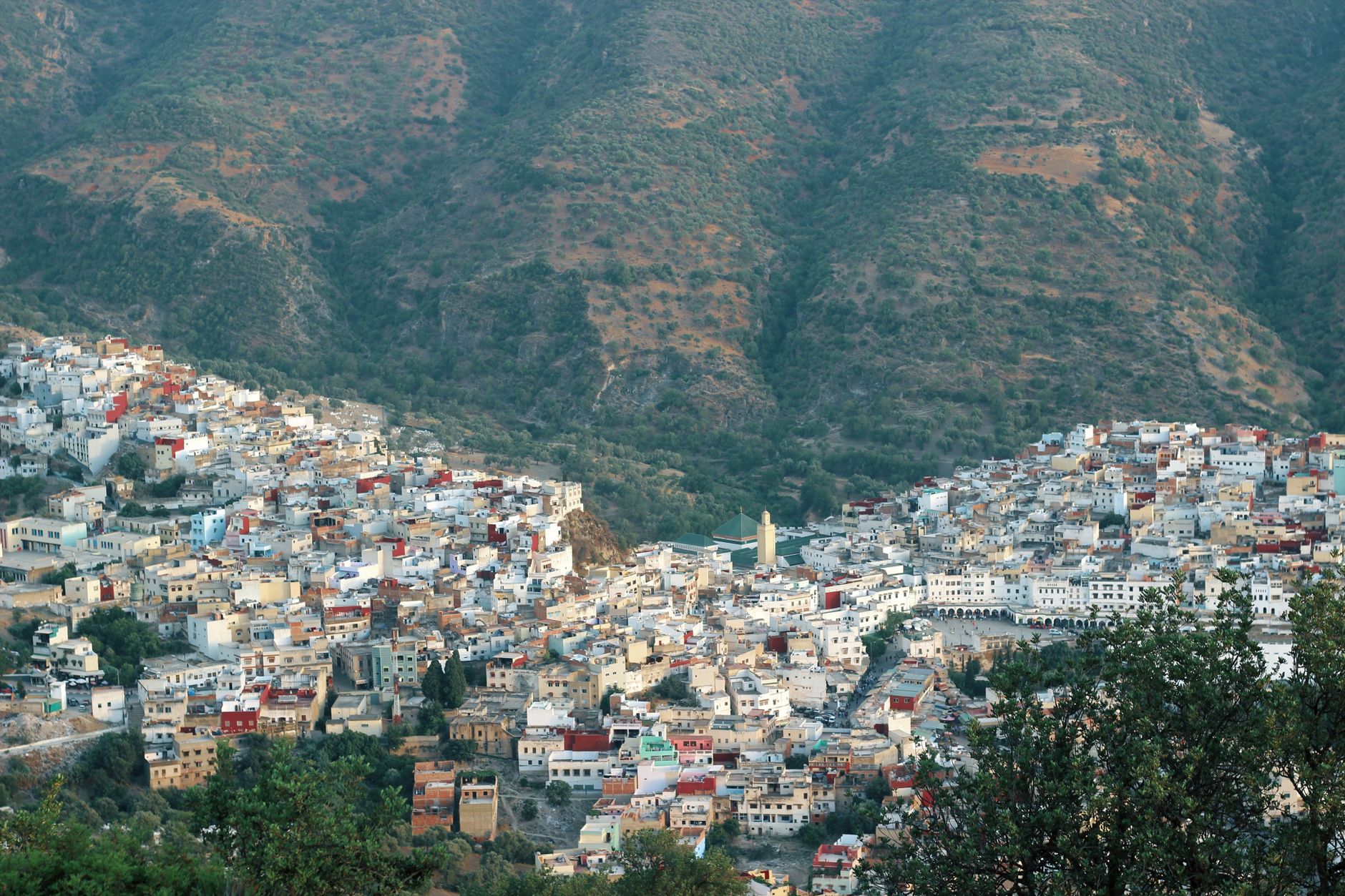
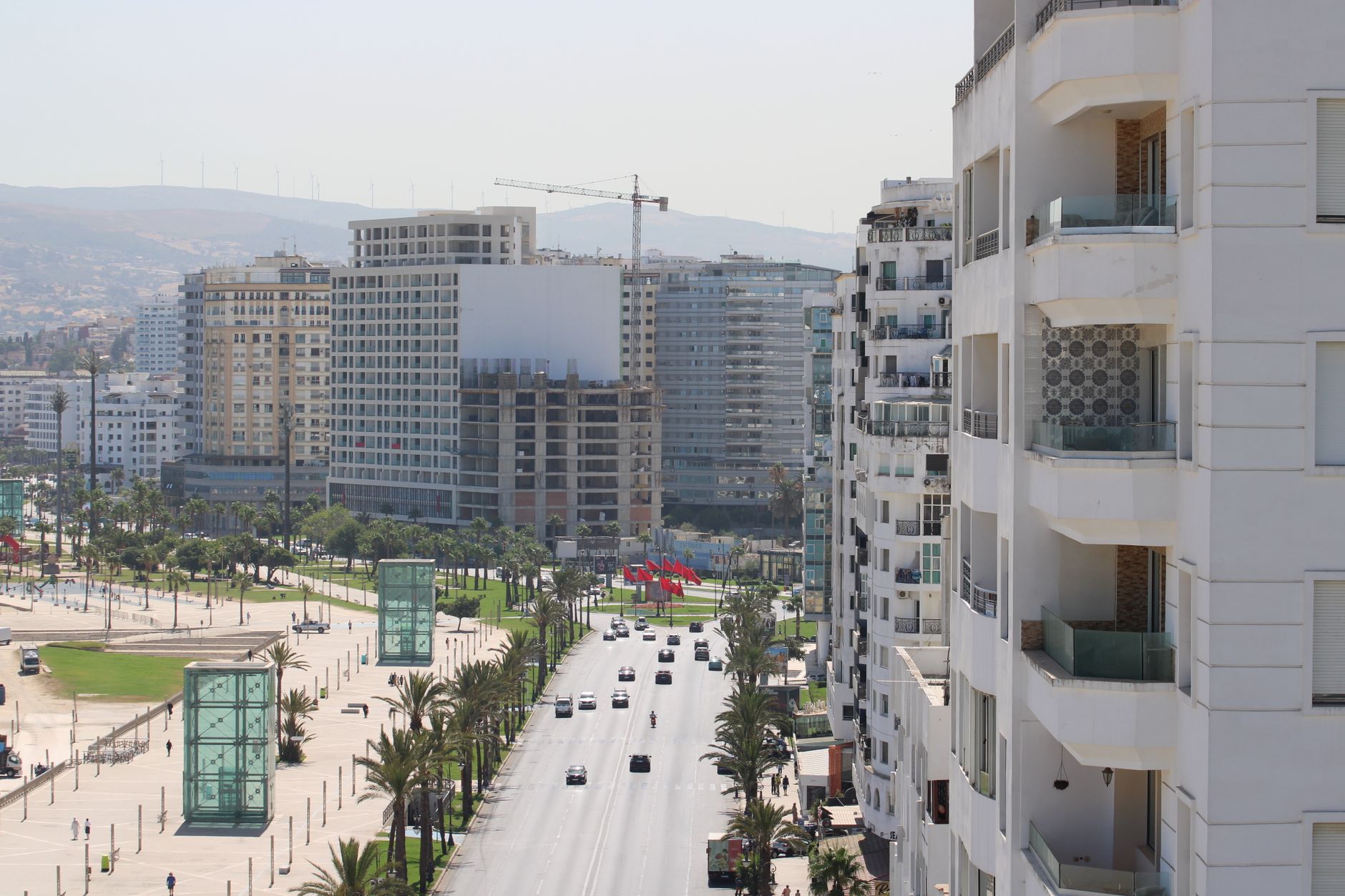
Al Hoceïma sits on the central Rif coast, roughly a four-hour drive east from Tangier along the coastal N16 highway or five hours north of Fes. The city is defined by sheer limestone cliffs, Spanish-influenced seaside plazas, and a working fishing fleet landing swordfish and sardines daily. Al Hoceïma is worth visiting if you want Mediterranean cove swimming and fresh fish straight off the boat without mass-resort clutter. Look elsewhere if you want lively nightlife, flat walks down to the water, all-inclusive resort amenities, or a roster of indoor museums.
Last updated 11 Sept 2026
Build a Al Hoceïma itinerary.
Choose up to 4 threads that pull you in. Your plan arrives organised around them.
The Bed
Where to stay in Al Hoceïma
Which part of town to book, and what each one costs you in walking, noise or quiet.
The Comparison
Al Hoceïma, or somewhere near it
The places you are realistically choosing between, and the honest case for each.
The Local Record
Where to read more about Al Hoceïma
The blogs, boards, guides and operators worth bookmarking.
What to do in Al Hoceïma Rif & the Mediterranean Morocco
Al Hoceïma clings to dramatic coastal cliffs above turquoise Mediterranean bays, structured between the high clifftop promenade and the working port below. The daily rhythm is unhurried, moving from morning dips at Quemado beach to leisurely afternoon strolls along Place Mohammed VI. It suits independent travellers who appreciate working port towns, coastal trails, and quiet seafood lunches over curated tourist enclaves.
24 hours in Al Hoceïma Rif & the Mediterranean Morocco
Start with an early swim at Plage Quemado before climbing the stairs to the Marché Municipal for figs and fresh goat cheese. Head down to the port for lunch, where dockside shacks grill sardines caught that morning. Spend the late afternoon strolling Place Mohammed VI, finishing with mint tea as the sun sets over the bay. Select 1 Day above to see it.
2 days in Al Hoceïma Rif & the Mediterranean Morocco
Devote your second day to the dramatic shoreline of Al Hoceima National Park. Walk the arid trails around Cala Iris and Bades, looking out across the sea toward Spanish coastal outposts. In the evening, head into the town centre for a clay pot tagine of red mullet, wild thyme, and spiced green olives. Choose 2 Days to expand the plan.
3 days in Al Hoceïma Rif & the Mediterranean Morocco
A third day allows a scenic drive west along the N16 toward Torres de Alcalá to inspect ruined Portuguese fortifications, or an inland trip into the high Rif valleys near Ajdir. This gives you time for slow country lunches of fresh flatbread, olive oil, and mint tea in quiet mountain villages.
Al Hoceïma Rif & the Mediterranean Morocco itineraries by interest
Local Seafood in Al Hoceïma Rif & the Mediterranean Morocco
Watch the afternoon trawlers land swordfish and red mullet at the port, then order a plate of grilled sardines with cumin and lemon.
Beaches & Bays in Al Hoceïma Rif & the Mediterranean Morocco
Walk down the cliff path to Plage Quemado for morning swims, or take a short taxi ride west to the quiet pebble arc of Tala Youssef.
Coastal Hiking in Al Hoceïma Rif & the Mediterranean Morocco
Follow the limestone clifftop paths of Al Hoceima National Park toward isolated coves where rare osprey nest along the Mediterranean drop.
Military History in Al Hoceïma Rif & the Mediterranean Morocco
Stand on Plage Sfiha to view the Peñón de Alhucemas, a fortified Spanish garrison islet sitting just seven hundred metres offshore since 1559.
Markets & Produce in Al Hoceïma Rif & the Mediterranean Morocco
Browse the central Marché Municipal on Rue Moulay Idriss for mountain thyme, cured olives, wild capers, and rounds of fresh Rif goat cheese.
Urban Panoramas in Al Hoceïma Rif & the Mediterranean Morocco
Take an evening seat at Place Mohammed VI where the wide tiled plaza opens directly over the cliff edge toward the Mediterranean horizon.
Berber Heritage in Al Hoceïma Rif & the Mediterranean Morocco
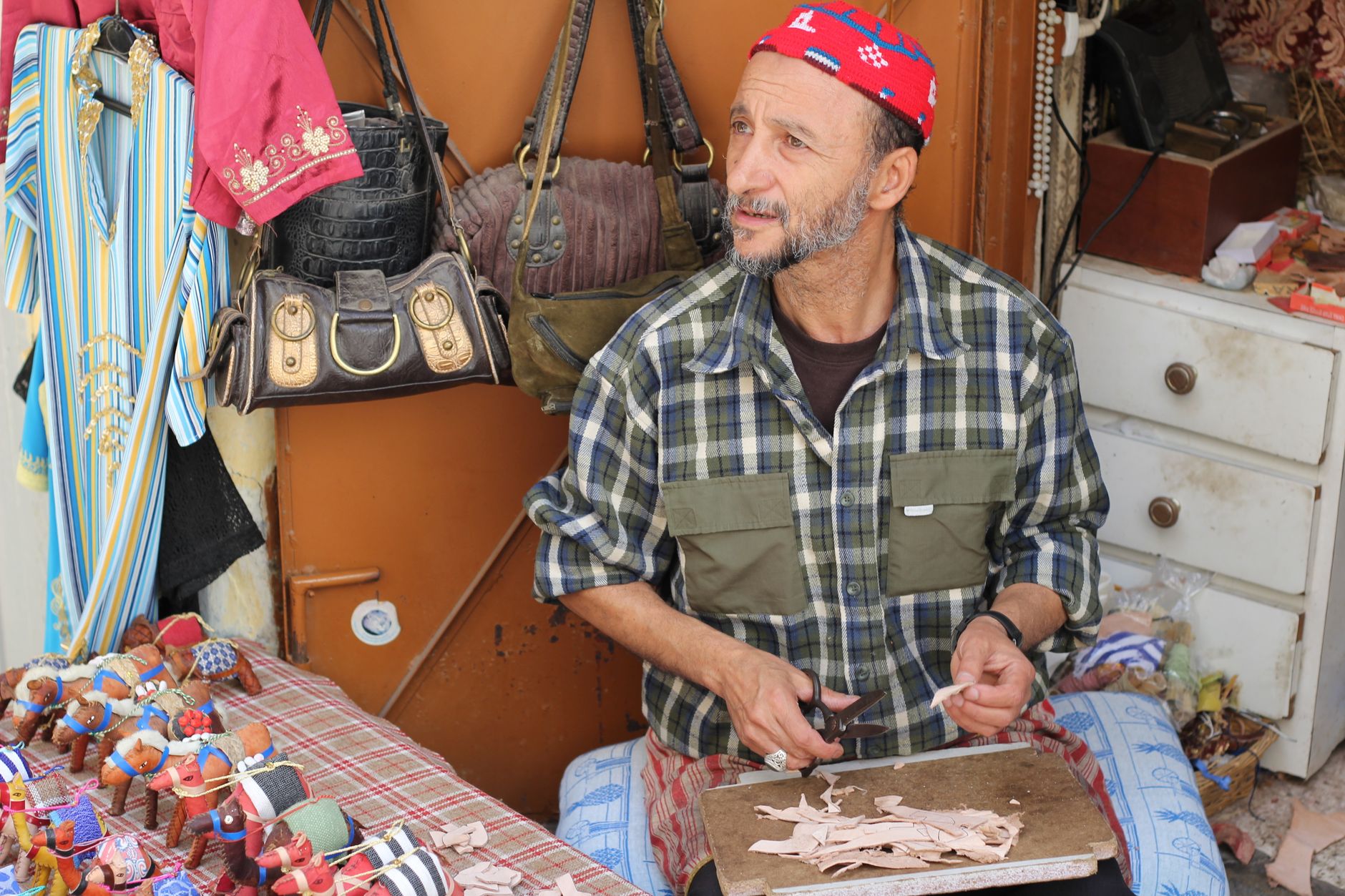
Explore the weekly souks of the surrounding Ait Waryaghar tribal territory, where Rif Amazigh weaving, pottery, and produce are traded.
Island Day Trips in Al Hoceïma Rif & the Mediterranean Morocco
Hire a local skiff from Cala Iris to cruise past the tiny volcanic islets and quiet fishing inlets lining the edge of the national park.
Café Culture in Al Hoceïma Rif & the Mediterranean Morocco
Order a café au lait or sweet mint tea along Boulevard Mohammed V, pulling up a sidewalk chair to watch the late-afternoon promenade.
Street Food in Al Hoceïma Rif & the Mediterranean Morocco
Pick up crisp calentita chickpea bake from cart vendors or hot bocadillos stuffed with spiced liver and fried potatoes near the bus station.
Scenic Drives in Al Hoceïma Rif & the Mediterranean Morocco
Drive the cliff-hugging N16 Mediterranean bypass west toward Torres de Alcalá, navigating hairpin turns with unbroken sea vistas below.
Craft Traditions in Al Hoceïma Rif & the Mediterranean Morocco
Seek out unglazed terracotta water jugs and handwoven wool blankets made using ancient Rif techniques in nearby mountain hamlets.