Targuist.


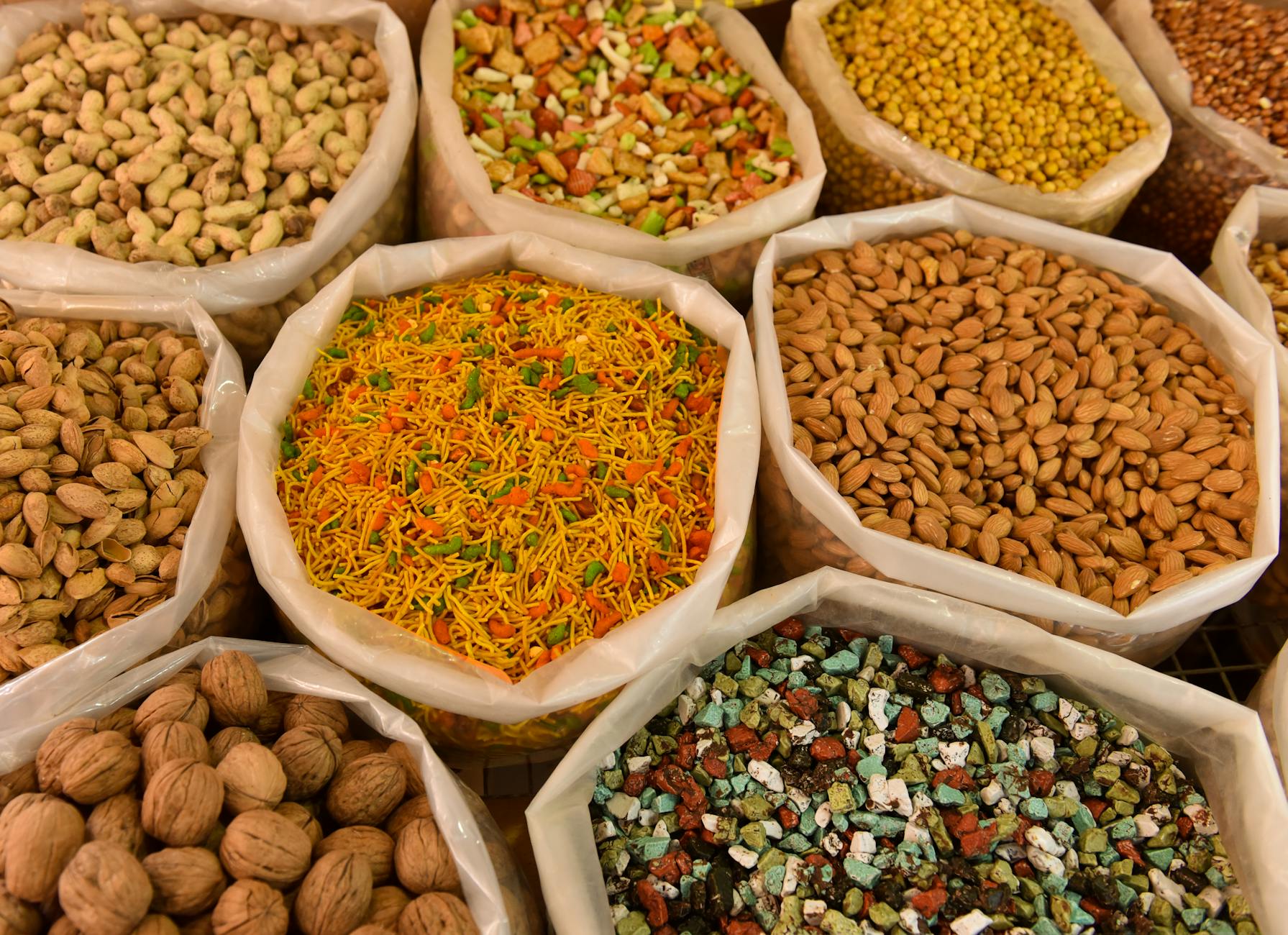
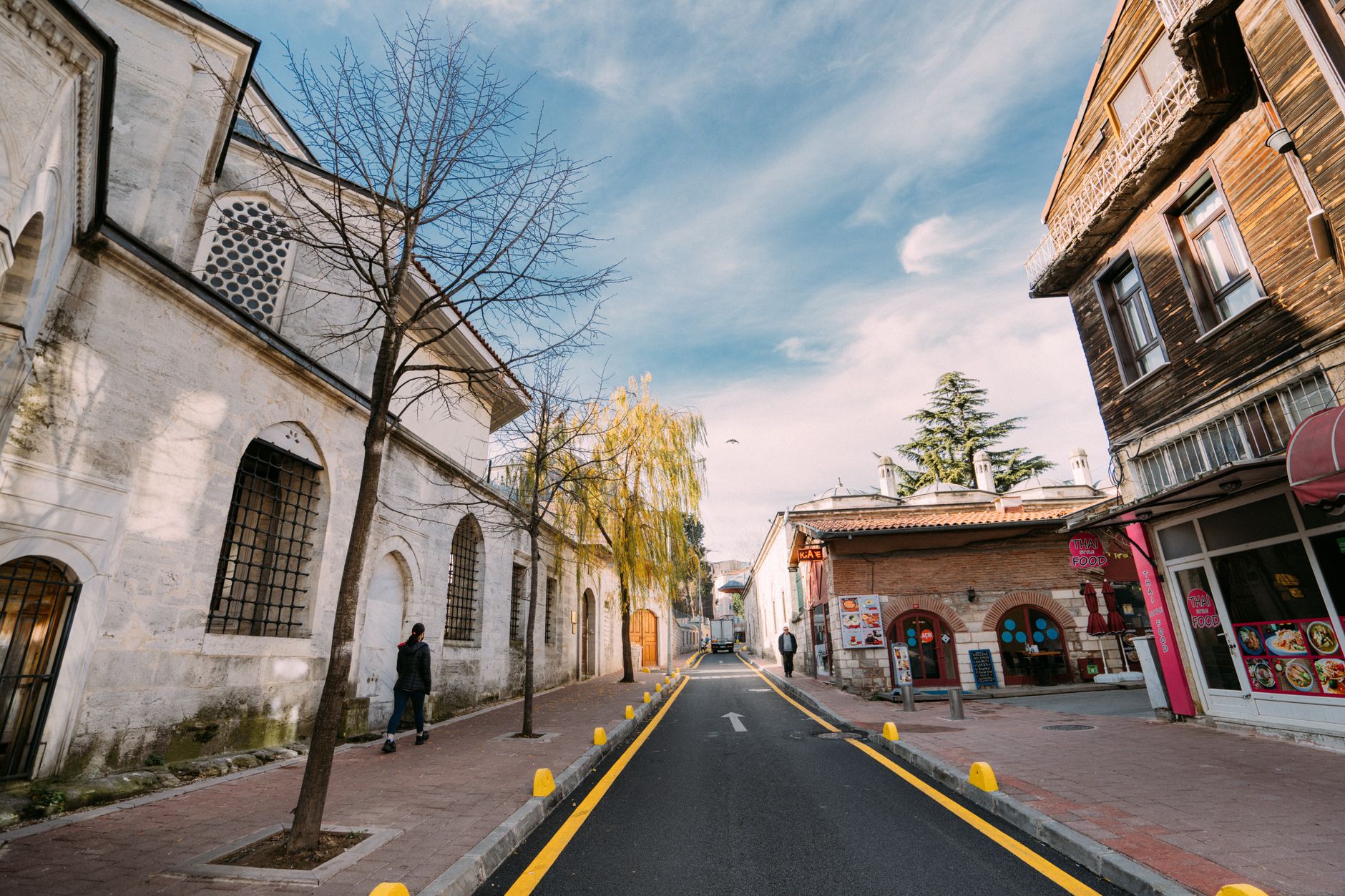
Targuist sits along the N2 highway, a ninety-minute grand taxi ride southwest of the coastal port of Al Hoceima. The town is known for its Saturday agricultural souk, cedar-scented mountain air, and its central role during the 1920s Rif War under Abdelkrim. You come here for honest Berber cooking, mountain passes, and a working market rhythm untouched by coastal tourism. Targuist is worth visiting if you want to hike remote Rif ridges and eat charcoal-grilled lamb chops in a high-altitude market town. Look elsewhere if you want beachfront resorts, boutique hotels, curated museums, or evening nightlife.
Last updated 12 Sept 2026
Build a Targuist itinerary.
Choose up to 4 threads that pull you in. Your plan arrives organised around them.
The Bed
Where to stay in Targuist
Which part of town to book, and what each one costs you in walking, noise or quiet.
The Comparison
Targuist, or somewhere near it
The places you are realistically choosing between, and the honest case for each.
The Local Record
Where to read more about Targuist
The blogs, boards, guides and operators worth bookmarking.
What to do in Targuist Rif & the Mediterranean Morocco
Targuist spreads across a high mountain saddle along the N2, centered on a busy junction of butchers, mechanics, and open-air cafes. Daily life revolves around the morning trade and afternoon tea, picking up dramatic energy during the Saturday souk. It suits self-reliant travellers, hikers aiming for the high Rif crests, and anyone who prefers roadside smoke and mountain chill over coastal resort comforts.
24 hours in Targuist Rif & the Mediterranean Morocco
Start at dawn with cumin-spiced bissara and warm harcha at a market stall. Walk through the central souk stalls before noon, then point at lamb cutlets at a roadside butcher to have them grilled over lump charcoal. Spend your late afternoon walking the pine trails above the town before settling into a terrace on Boulevard Hassan II. Select 1 Day above to see it.
2 days in Targuist Rif & the Mediterranean Morocco
Your second day takes you south toward the slopes of Mount Tidiquin. Hike the rocky ridge trails through cedar forests in the morning, taking along dried figs and walnuts from the town market. Head back via the village of Issaguen for a late lunch of goat tagine simmered with wild herbs in a roadside clay pot. Choose 2 Days to expand the plan.
3 days in Targuist Rif & the Mediterranean Morocco
With three days, take the mountain road north to the quiet limestone valleys bordering Al Hoceima National Park. Walk ancient mule tracks through olive groves, stop in isolated douars where women weave traditional red-and-white mendils, and finish the evening with fresh mint tea and fresh mountain goat cheese.
Targuist Rif & the Mediterranean Morocco itineraries by interest
Mountain Hiking in Targuist Rif & the Mediterranean Morocco
Follow shepherd paths through cedar stands toward Mount Tidiquin and the limestone ridges that frame the upper Oued Rhis basin.
Weekly Markets in Targuist Rif & the Mediterranean Morocco
Arrive on Saturday morning for Souk Sebt, where farmers trade raw honey, dried figs, mountain herbs, and hand-woven esparto baskets.
Local Grills in Targuist Rif & the Mediterranean Morocco
Order skewers of spiced lamb kefta and grilled chops at the open-front butchers lining the main crossing near the taxi stand.
Military History in Targuist Rif & the Mediterranean Morocco
Trace the 1920s Rif War battlegrounds and Abdelkrim el-Khattabi's strategic mountain command posts across the surrounding valleys.
Artisan Crafts in Targuist Rif & the Mediterranean Morocco
Inspect heavy woolen djellabas, striped Rifian Mendil cloths, and unglazed terra cotta tagines crafted by local mountain potters.
Breakfast Culture in Targuist Rif & the Mediterranean Morocco
Dip warm barley bread into unfiltered green olive oil alongside bowls of hot bissara fava bean soup dusted with cumin and paprika.
Scenic Drives in Targuist Rif & the Mediterranean Morocco
Navigate the winding curves of the N2 highway through pine forests and dramatic limestone river gorges toward Chefchaouen.
Wilderness Walks in Targuist Rif & the Mediterranean Morocco
Explore limestone paths, walnut orchards, and wild thyme hillsides throughout the southern slopes of Al Hoceima National Park.
Regional Cheeses in Targuist Rif & the Mediterranean Morocco
Sample fresh, salted goat cheeses wrapped in palm leaves, made daily by Berber herdsmen across the central Rif highlands.
Town Cafes in Targuist Rif & the Mediterranean Morocco
Sip bitter gunpowder green tea with fresh spearmint on Boulevard Hassan II while watching the afternoon taxi traffic clear out.
Forest Trails in Targuist Rif & the Mediterranean Morocco
Trek the forested slopes around Ketama and Issaguen to see ancient Atlantic Atlas cedar stands and clear mountain springs.
Rural Homestays in Targuist Rif & the Mediterranean Morocco
Stay in stone guesthouses in surrounding douars for home-cooked tagines of free-range chicken, preserved lemons, and green olives.