Fnideq.


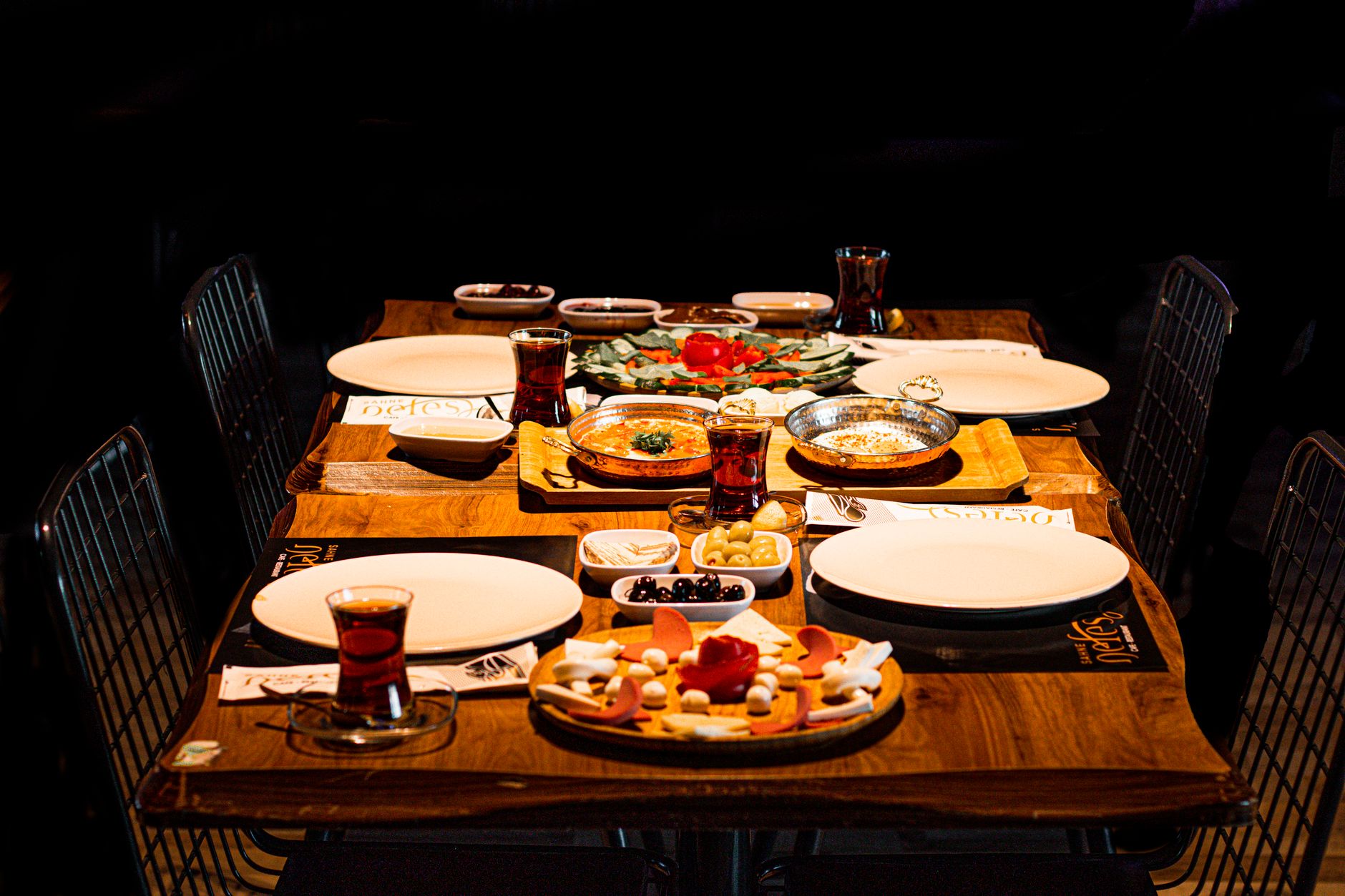

Fnideq sits thirty kilometres north of Tetouan, reached in thirty-five minutes by grand taxi along the Mediterranean coast road. The town is built around brisk cross-border commerce with Spanish Ceuta and a working waterfront that runs on charcoal grills and landing crates of sea bream. It is an unvarnished border trading hub rather than a resort. Fnideq is worth visiting if you want cheap, impeccably fresh grilled sardines and a walk through an authentic northern border market. Look elsewhere if you want manicured resort beaches, historic monuments, upscale hotels, or nightlife.
Last updated 12 Sept 2026
Build a Fnideq itinerary.
Choose up to 4 threads that pull you in. Your plan arrives organised around them.
The Bed
Where to stay in Fnideq
Which part of town to book, and what each one costs you in walking, noise or quiet.
The Comparison
Fnideq, or somewhere near it
The places you are realistically choosing between, and the honest case for each.
The Local Record
Where to read more about Fnideq
The blogs, boards, guides and operators worth bookmarking.
What to do in Fnideq Rif & the Mediterranean Morocco
Fnideq follows the rhythm of its border and its boats. Morning centres on Souk Massira and the fish market by Boulevard Mohammed V, where crates of mackerel meet shoppers from across the region. The afternoons drift naturally toward the corniche. It suits travellers who prefer working Moroccan coastal life and salt-crusted grills over manicured resort enclaves.
24 hours in Fnideq Rif & the Mediterranean Morocco
Start with warm harcha and coffee on Avenue Hassan II before exploring the bustling stalls of Souk Massira. Have lunch at the central fish hall, ordering sardines grilled over coals. Spend the afternoon walking along Corniche de Fnideq toward Plage Riffiine as the sun dips. Select 1 Day above to see it.
2 days in Fnideq Rif & the Mediterranean Morocco
A second day lets you travel twenty minutes south to M'diq for a leisurely harbour lunch of fried calamari, followed by an afternoon exploring the footpaths around Jebel Musa for views over the Strait of Gibraltar. Return to Fnideq for evening street calentita. Choose 2 Days to expand the plan.
3 days in Fnideq Rif & the Mediterranean Morocco
Three days allow an easy forty-minute grand taxi run south to Tetouan to wander its UNESCO-listed medina and artisan leather tanneries. Return north for a sunset dinner of baked sea bass at a quiet coastal café along the Mediterranean corniche.
Fnideq Rif & the Mediterranean Morocco itineraries by interest
Local Seafood in Fnideq Rif & the Mediterranean Morocco
Order whole grilled dorada and sardines straight off the charcoal at Marché Central, served with charred green peppers and warm round khobz.
Markets & Produce in Fnideq Rif & the Mediterranean Morocco
Wander Souk Massira for Spanish olive oils, canned bonito, local goat cheeses, and mounds of fresh mint stacked high by Rif farmers.
Coastal Walks in Fnideq Rif & the Mediterranean Morocco
Stroll the seaside Corniche de Fnideq in the late afternoon when fishermen cast from the rocks and families walk against the Strait breeze.
Street Food in Fnideq Rif & the Mediterranean Morocco
Stop at roadside stands near Boulevard Mohammed V for piping hot calentita, the baked chickpea flour tart dusted with cumin and paprika.
Beaches in Fnideq Rif & the Mediterranean Morocco
Plage Riffiine offers wide grey sand and rolling surf, quiet during weekday mornings before the domestic holiday traffic arrives from Tetouan.
Day Trips in Fnideq Rif & the Mediterranean Morocco
Catch a twenty-minute taxi south to M'diq harbour for royal sea bream, or head inland to the blue-washed alleys of Chefchaouen.
Maritime History in Fnideq Rif & the Mediterranean Morocco
Watch small wooden pasteras haul in red mullet beneath the shadow of Jebel Musa, the southern pillar of Hercules in classical legend.
Border Culture in Fnideq Rif & the Mediterranean Morocco
Observe the unique frontier blend of Andalusian Spanish and Jebli Arabic spoken across the shops near the Bab Sebta border post.
Tea Traditions in Fnideq Rif & the Mediterranean Morocco
Sit at a low table in a café on Avenue Hassan II for atay bi naana, poured from high spouts with generous bunches of fresh spearmint.
Hiking in Fnideq Rif & the Mediterranean Morocco
Take trails up the lower ridges of Jebel Musa for sweeping views across the Strait of Gibraltar toward the Spanish coast on clear mornings.
Coffee Culture in Fnideq Rif & the Mediterranean Morocco
Order a strong café cortado in the morning at small corner establishments where traders read newspapers before the border customs open.
Regional Baking in Fnideq Rif & the Mediterranean Morocco
Pick up flaky rghayif pancakes and fresh harcha semolina flatbreads hot from street griddles each morning along Rue Allal Ben Abdellah.