Bab Taza.


Bab Taza sits thirty minutes southeast of Chefchaouen along the N2 highway in the Rif Mountains. It serves as a working agricultural town and the main southern access point for Talassemtane National Park and Jbel Lakraa. Life moves around the central taxi rank, hardware shops, and woodsmoke from roadside grills. Bab Taza is worth visiting if you want to trek high limestone ridges and eat breakfast bissara among mountain farmers. Look elsewhere if you want blue-painted alleys, boutique hotels, souvenir shops, or nightlife.
Last updated 12 Sept 2026
Build a Bab Taza itinerary.
Choose up to 4 threads that pull you in. Your plan arrives organised around them.
The Bed
Where to stay in Bab Taza
Which part of town to book, and what each one costs you in walking, noise or quiet.
The Comparison
Bab Taza, or somewhere near it
The places you are realistically choosing between, and the honest case for each.
The Local Record
Where to read more about Bab Taza
The blogs, boards, guides and operators worth bookmarking.
What to do in Bab Taza Rif & the Mediterranean Morocco
Bab Taza is a functional Rif mountain settlement arranged along the N2 road, where daily life revolves around shared transit, farming hardware, and butcher stalls. It suits self-reliant walkers and travellers heading into Talassemtane National Park rather than sightseers looking for polished museums. Mornings start early with sweet tea and steaming bissara, while afternoons quiet down as shepherds and farmers return from the surrounding terraced slopes.
24 hours in Bab Taza Rif & the Mediterranean Morocco
Start early with a bowl of cumin-laced bissara on the main street before hiring a 4x4 or trekking uphill into Talassemtane. Spend five hours hiking among Moroccan firs toward Jbel Lakraa. Return by late afternoon for mint tea and freshly grilled kefta at a roadside cafe. Select 1 Day above to see it.
2 days in Bab Taza Rif & the Mediterranean Morocco
Dedicate your second day to the quieter mountain hamlets around Mechkralla. Walk unpaved tracks through olive and walnut terraces, meet local cheesemakers, and enjoy a family-style goat tagine seasoned with wild mountain thyme in a rural guesthouse. Choose 2 Days to expand the plan.
3 days in Bab Taza Rif & the Mediterranean Morocco
With three days, venture deeper into the Talassemtane wilderness on a multiday circuit or drive east toward Bab Berred and Ketama along dramatic mountain switchbacks. You get unhurried time to explore remote cedar stands and experience traditional Jbala mountain hospitality.
Bab Taza Rif & the Mediterranean Morocco itineraries by interest
Mountain Hiking in Bab Taza Rif & the Mediterranean Morocco
Climb through Spanish fir groves to the limestone summit of Jbel Lakraa, starting from the dirt trailheads above Bab Taza.
Weekly Markets in Bab Taza Rif & the Mediterranean Morocco
Browse Thursday souk stalls piled with wild mountain oregano, raw honey, clay cookware, and dried figs packed in palm leaves.
Local Dairy in Bab Taza Rif & the Mediterranean Morocco
Sample fresh Jebli goat cheese wrapped in palmetto fronds, salted lightly and sold by village women along the main road.
Street Food in Bab Taza Rif & the Mediterranean Morocco
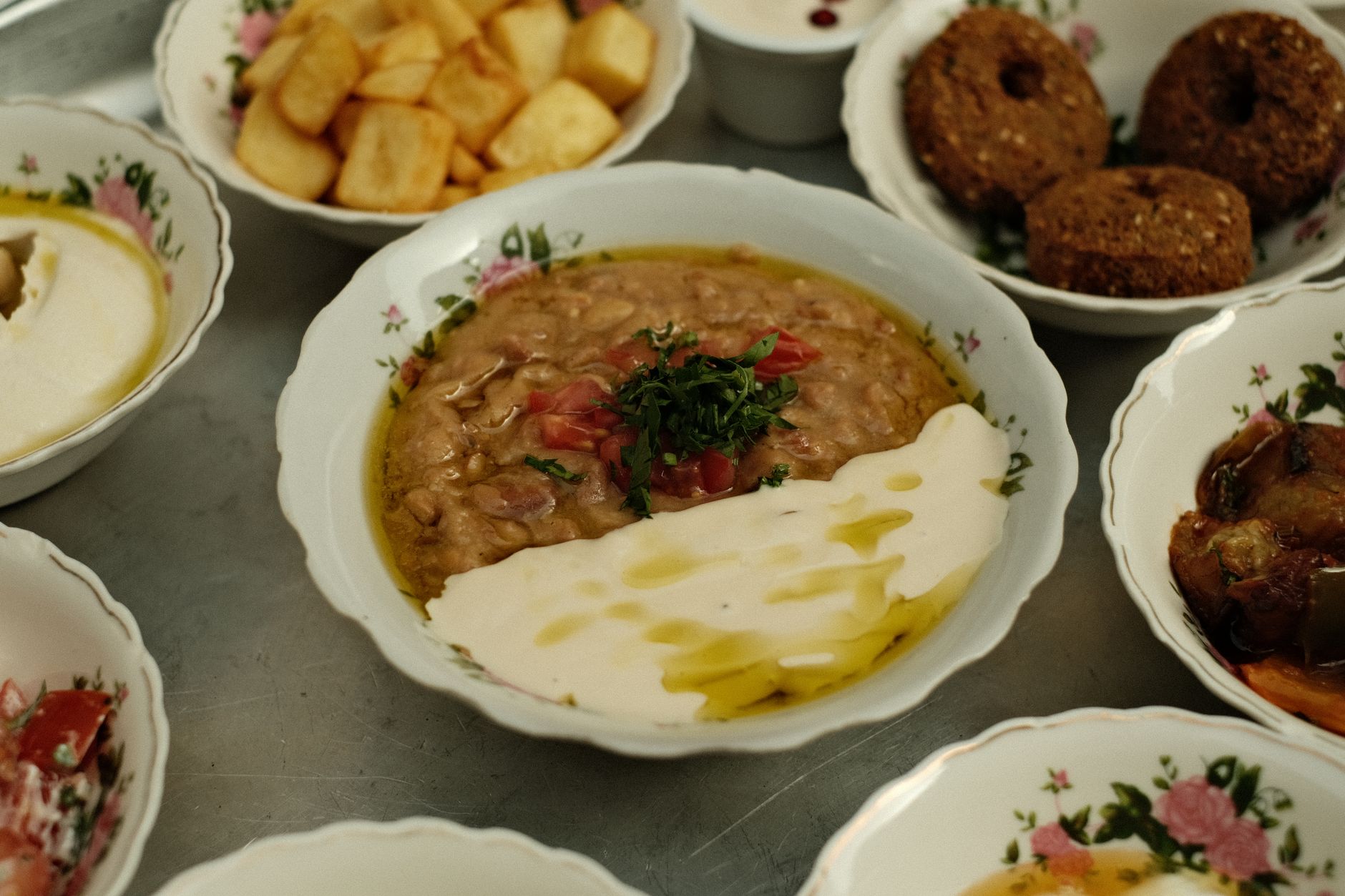
Order hot fava bean bissara ladled into terracotta bowls with cumin, raw garlic, and cold-pressed Rif olive oil.
Forest Trails in Bab Taza Rif & the Mediterranean Morocco
Walk among the rare Moroccan fir trees in Talassemtane National Park along forestry tracks leading into the high valleys.
Roadside Dining in Bab Taza Rif & the Mediterranean Morocco
Eat wood-grilled beef skewers and spiced kefta patties at smoke-filled butcher-grills lining the central N2 thoroughfare.
Village Life in Bab Taza Rif & the Mediterranean Morocco
Observe the unhurried mountain rhythms in rural douars where water springs and terraced walnut groves anchor daily routines.
Mountain Drives in Bab Taza Rif & the Mediterranean Morocco
Navigate the scenic N2 mountain corridor connecting Chefchaouen to Bab Berred across dramatic limestone gorges and ridgelines.
Traditional Bread in Bab Taza Rif & the Mediterranean Morocco
Pick up hot khobz baked over wood fires in neighborhood communal ovens and flaky rghaif flatbreads served with wildflower honey.
Highland Farming in Bab Taza Rif & the Mediterranean Morocco
Walk dirt roads past olive groves, stone-walled wheat terraces, and fruit orchards cultivated by Jbala Berber farming families.
Day Hikes in Bab Taza Rif & the Mediterranean Morocco
Trek out to the village of Mechkralla or the forested slopes of Adeldal with a local guide arranged near the grand taxi rank.
Tea & Gathering in Bab Taza Rif & the Mediterranean Morocco
Sip sweet gunpowder green tea brewed with fresh mountain mint and absinthe at sidewalk cafes overlooking the busy crossroads.