Alcalá del Júcar.



Alcalá del Júcar sits 60 kilometres northeast of Albacete, a fifty-minute drive along the CM-332. The town clings to a limestone bend carved by the Júcar river, known for its whitewashed cave dwellings and twelfth-century fortress. Alcalá del Júcar is worth visiting if you want to walk steep alleys, explore subterranean tunnels cut straight through the rock, and eat slow-cooked Manchego fare. Look elsewhere if you need level walking, direct train access, or lively late-night bars.
Last updated 6 Nov 2026
Build a Alcalá del Júcar itinerary.
Choose up to 4 threads that pull you in. Your plan arrives organised around them.
The Bed
Where to stay in Alcalá del Júcar
Which part of town to book, and what each one costs you in walking, noise or quiet.
The Comparison
Alcalá del Júcar, or somewhere near it
The places you are realistically choosing between, and the honest case for each.
The Local Record
Where to read more about Alcalá del Júcar
The blogs, boards, guides and operators worth bookmarking.
What to do in Alcalá del Júcar Castilla-La Mancha Spain
Stacked vertically against a sheer limestone bluff, Alcalá del Júcar is shaped entirely by its river canyon. Days move between climbing the cobblestone ramps of the old quarter, descending into cool cave passages, and cooling off beside the Júcar. It suits travellers who appreciate dramatic rural geology, robust cooking, and unvarnished Spanish village life.
24 hours in Alcalá del Júcar Castilla-La Mancha Spain
Cross the historic bridge early to climb the stepped alleys up to the Moorish castle. For lunch, order gazpacho manchego on Calle Batán, then spend the afternoon escaping the heat inside Cuevas del Diablo before watching sunset hit the rock face. Select 1 Day above to see it.
2 days in Alcalá del Júcar Castilla-La Mancha Spain
A second day takes you out of the centre. Hike the five-kilometre trail downstream to the hamlet of Tolosa, rent a kayak on the calm river reservoir, and stop at a local bodega in Casas Ibáñez to taste local Bobal reds alongside a plate of atascaburras. Choose 2 Days to expand the plan.
3 days in Alcalá del Júcar Castilla-La Mancha Spain
With three days, take the slow drive along the CM-3218 canyon floor to Jorquera, another fortified village perched above the river loop. Back in Alcalá, tour the rock-hewn bullring and spend a quiet evening sitting along the riverbank with cured Manchego cheese.
Alcalá del Júcar Castilla-La Mancha Spain itineraries by interest
Cave Architecture in Alcalá del Júcar Castilla-La Mancha Spain
Walk through Cuevas del Diablo and Masagó, century-old subterranean rooms carved directly through the canyon ridge to natural viewpoints.
Castles & Fortresses in Alcalá del Júcar Castilla-La Mancha Spain
Climb Calle Pósito to the 12th-century Almohad castle atop the crag for views across the canyon and the La Mancha plains.
Regional Cuisine in Alcalá del Júcar Castilla-La Mancha Spain
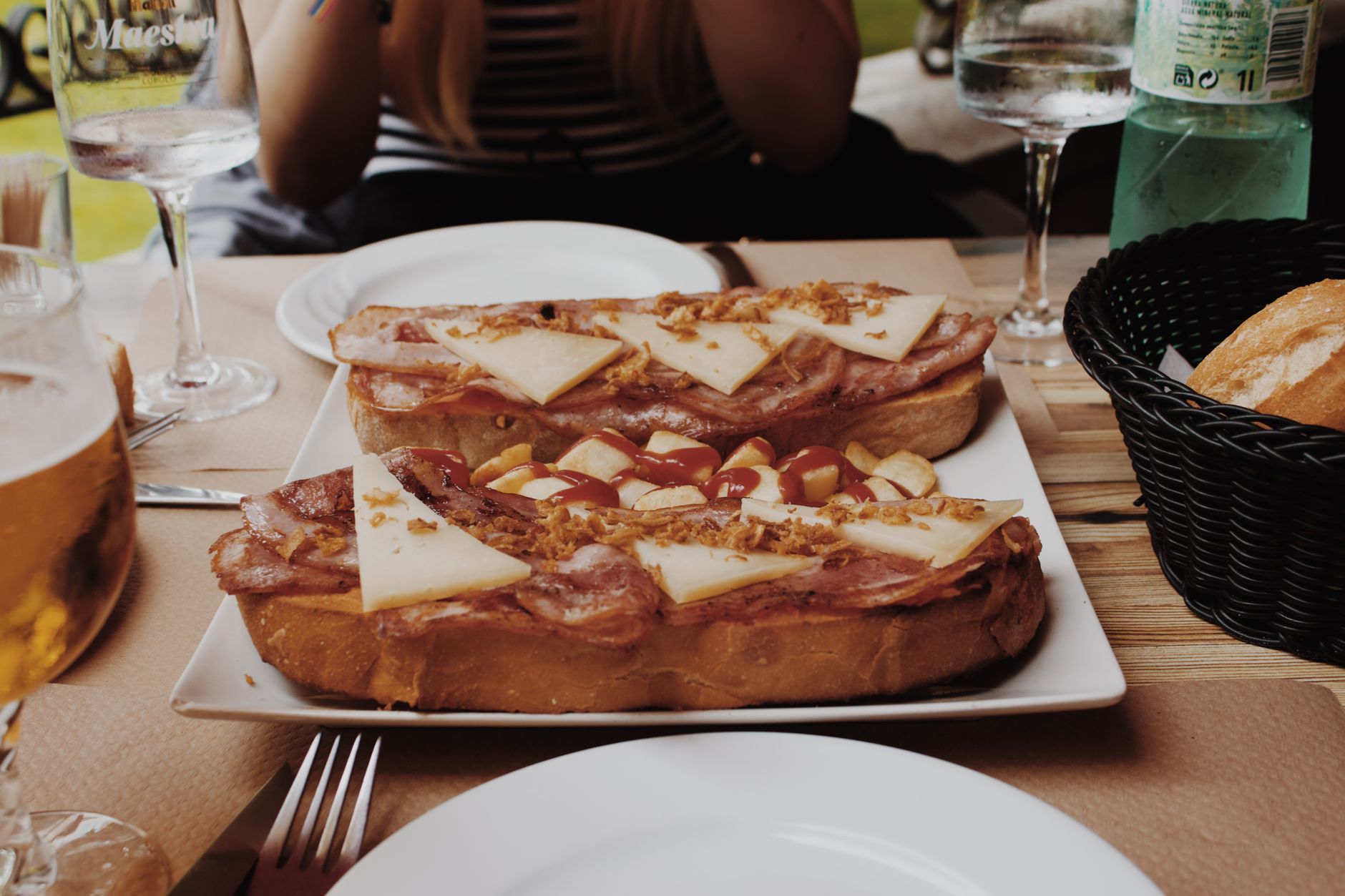
Order ajo mataero, morteruelo, and gazpacho manchego simmered with rabbit and flatbread at riverside mesones along Calle Batán.
River Activities in Alcalá del Júcar Castilla-La Mancha Spain
Kayak or paddleboard the calm stretches of the Júcar, or swim from the shaded river beach near the Roman bridge.
Wine & Vineyards in Alcalá del Júcar Castilla-La Mancha Spain
Taste earthy Bobal and cencibel reds from Manchuela DO bodegas in nearby villages like Casas Ibáñez and Fuentealbilla.
Sacred Architecture in Alcalá del Júcar Castilla-La Mancha Spain
Inspect the 15th-century ribbed gothic vaults and baroque dome of the Iglesia Parroquial de San Andrés on the lower hillside.
Canyon Hiking in Alcalá del Júcar Castilla-La Mancha Spain
Walk the PR-AB 45 footpath along the river cliffs through the Júcar gorge toward the peaceful hamlet of Tolosa.
Bullring History in Alcalá del Júcar Castilla-La Mancha Spain
Visit the Plaza de Toros, an irregular, oval arena built without straight lines, carved directly into the natural rock slope.
Country Drives in Alcalá del Júcar Castilla-La Mancha Spain
Follow the winding CM-3218 gorge road along the riverbed toward Jorquera for dramatic vertical cliff scenery and orchard valleys.
Historic Bridges in Alcalá del Júcar Castilla-La Mancha Spain
Cross the 18th-century stone bridge, built over Roman foundations, linking the lower village with the canyon orchards.
Local Taverns in Alcalá del Júcar Castilla-La Mancha Spain
Drink draft Mahou and local wine paired with warm atascaburras salt-cod mash and toasted bread on terrace benches.
Village Viewpoints in Alcalá del Júcar Castilla-La Mancha Spain
Stop at the Mirador de la Cañada high on the rim for an unobstructed vista of the whitewashed village stacked against the cliff.