Sigüenza.
.jpg)

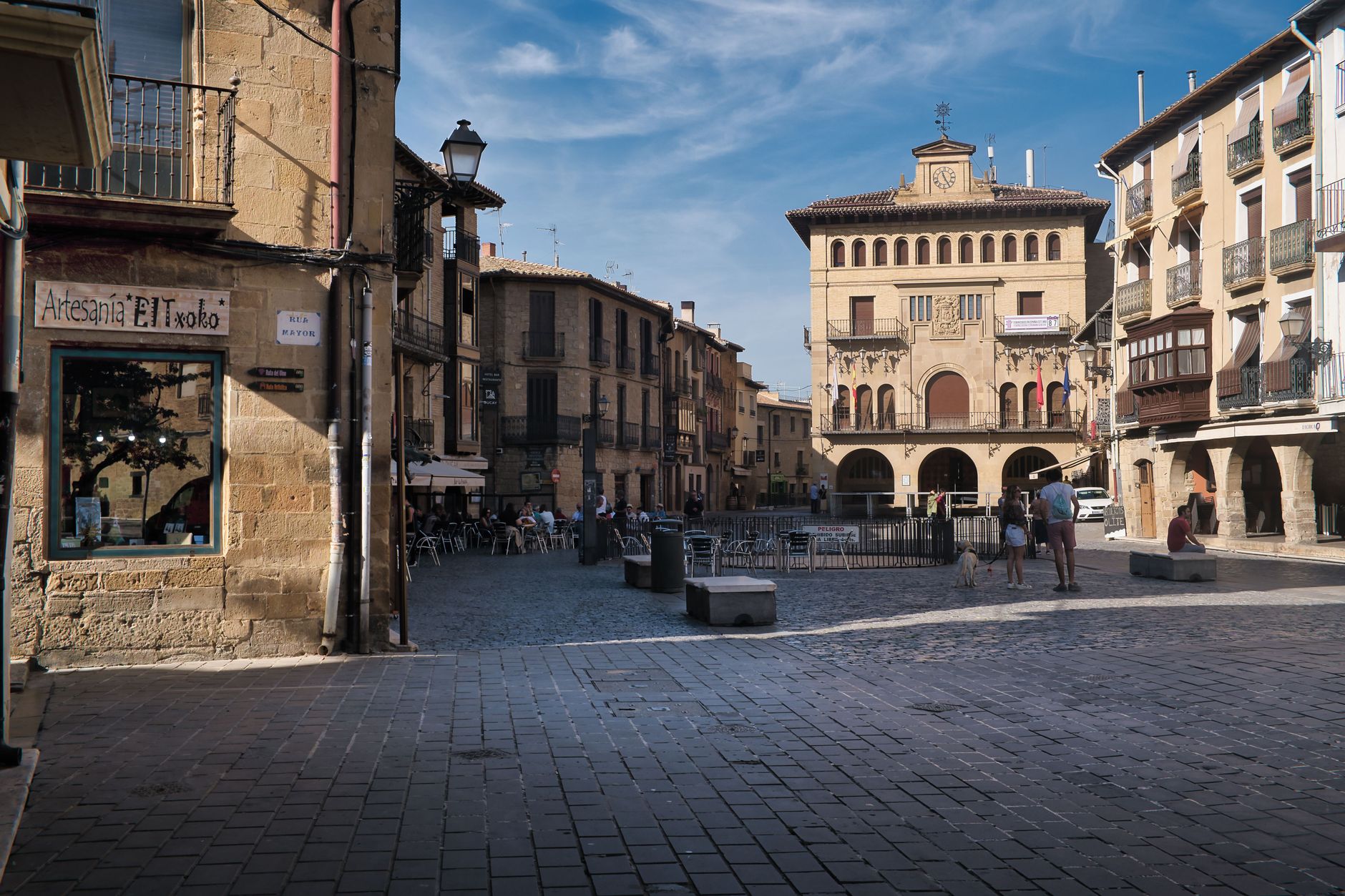
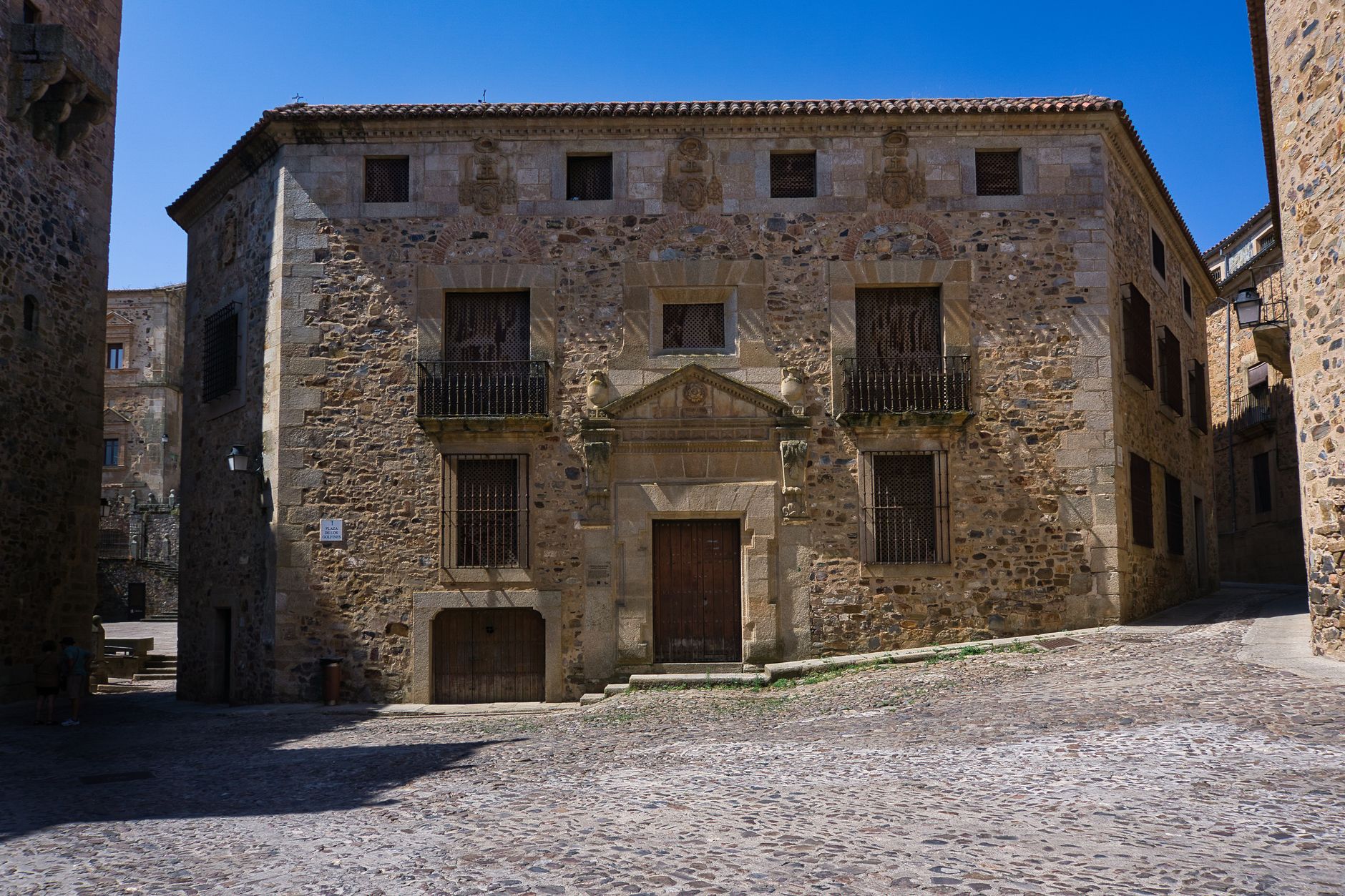
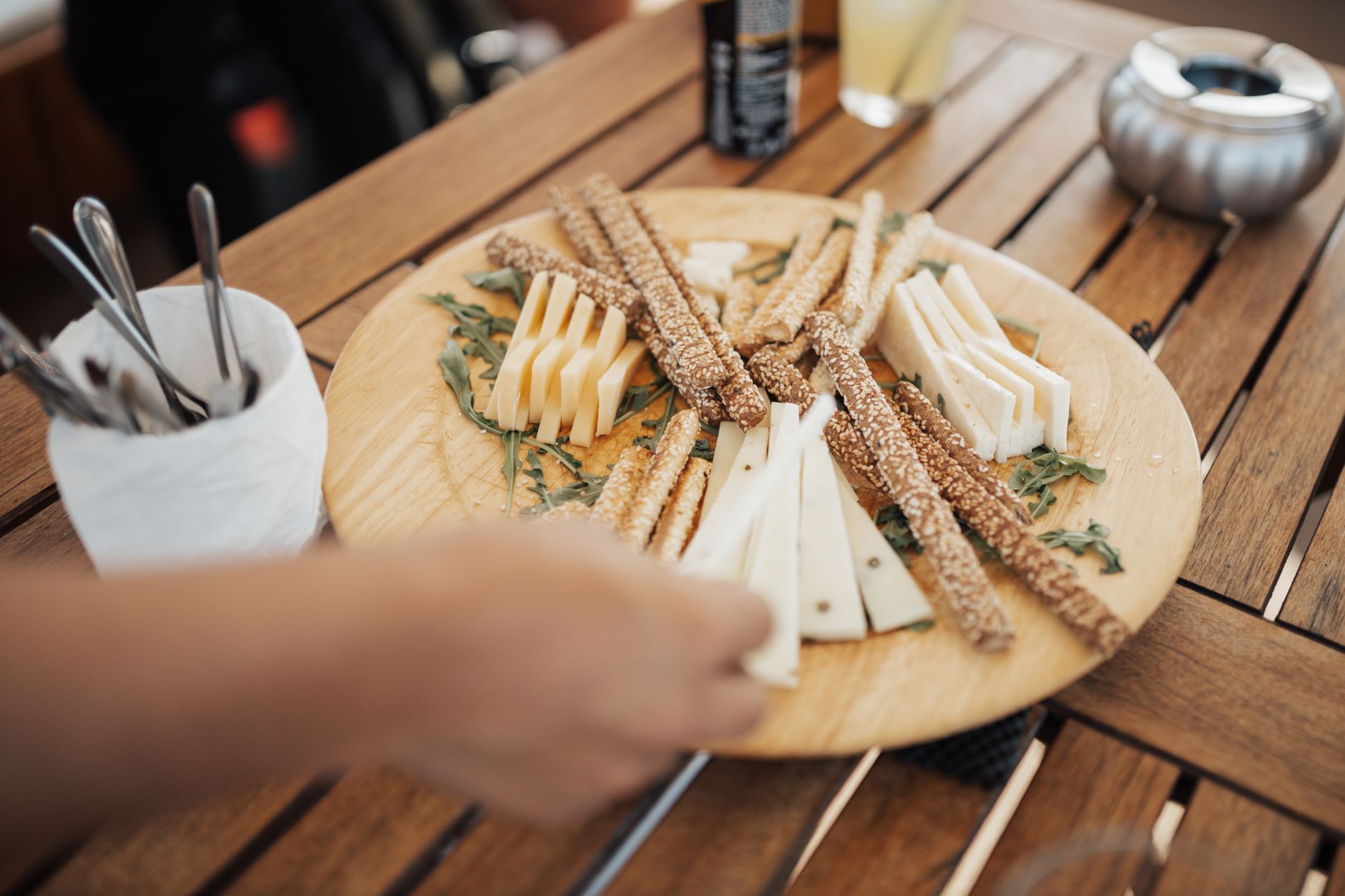
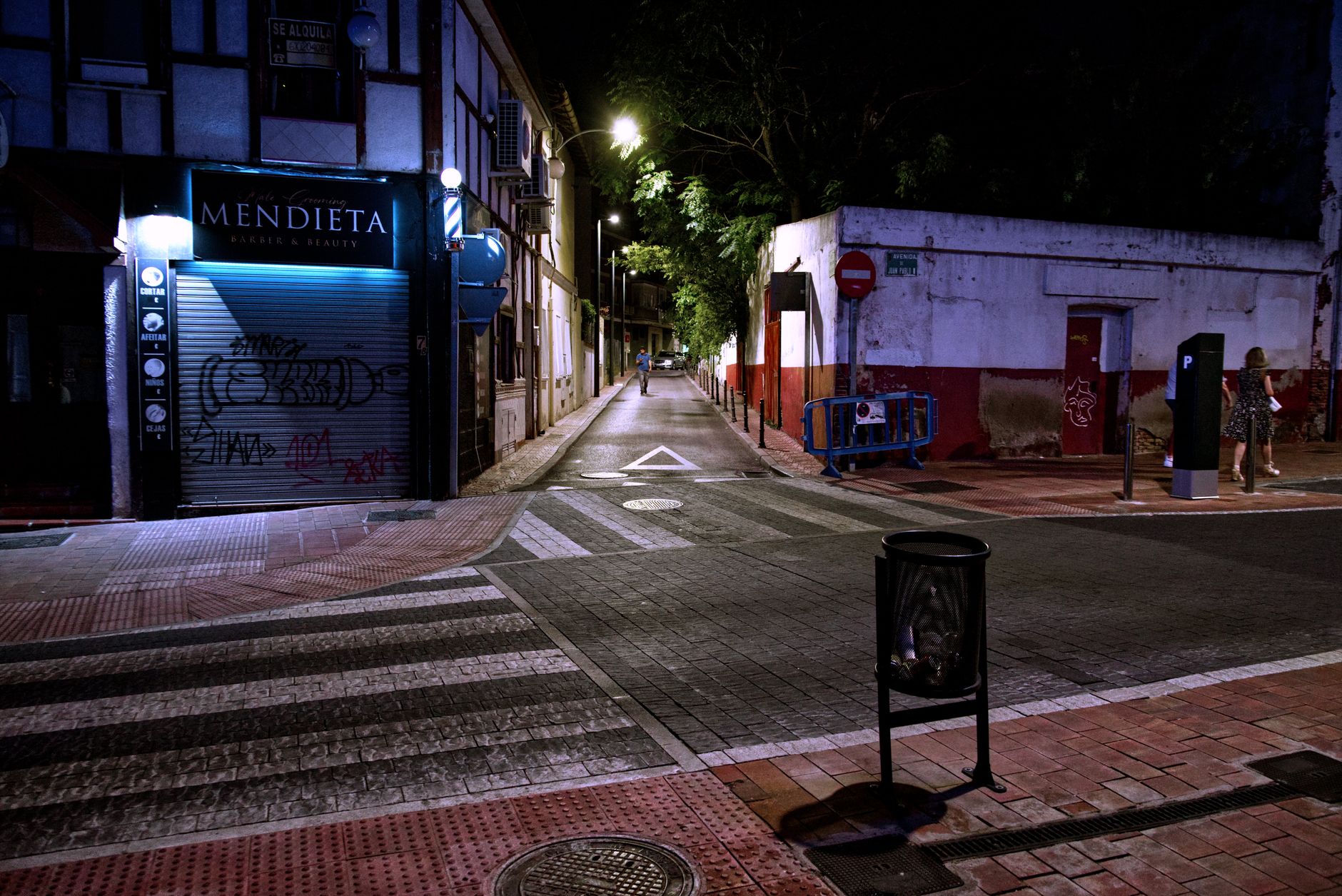
Cold pink sandstone rises sharply from the high Castilian plain, crowned by a bishops' fortress and a fortress-like cathedral that took four centuries to finish. Walk up through the steep alleys of Las Travesañas and you hear church bells, wood smoke, and the heavy thud of clay pots going into wood-fired ovens. People come for the Doncel's serene alabaster tomb and stay for clay platters of crisp roast suckling lamb and unpretentious local red wine.
Last updated 30 Aug 2026
Build a Sigüenza itinerary.
Choose up to 4 threads that pull you in. Your plan arrives organised around them.
We'll craft a 1-lens plan for Sigüenza, one collapsible strand per lens.
Hiking Trails
Walk the limestone gorge trails of Barranco del Río Dulce from Pelegrina, watching griffon vultures circle above the autumn-turned poplars.
Hiking Trails
Walk the limestone gorge trails of Barranco del Río Dulce from Pelegrina, watching griffon vultures circle above the autumn-turned poplars.
Tracing the Medieval Fortress Walls
Castillo de Sigüenza
Walk the stepped stone perimeter connecting the Puerta del Sol and the castle courtyard. Entry to outer grounds is free; spend an hour exploring the rampart footpaths.
Editor TipBuilt atop a Roman castrum and expanded by Moorish and Christian rulers, these massive limestone walls defended the bishops who ruled this fortified hilltop see for centuries. Enter via the Calle Mayor cobblestones to save your calves the brutal grade of the eastern carriage ramp.
Dry Stone Ravine Trek
Sendero del Barranco del Vadillo
Pick up the stony path behind the lower suburb hermitage. The full loop runs roughly four kilometres over compacted dirt and dry riverbed.
Editor TipCenturies of seasonal sheep migration beat this path deep into the limestone, connecting village orchards to high oak scrub. Stout soles matter here. The limestone rubble will test light gym shoes within your first twenty minutes.
Sunset Medieval Rampart Circuit
Muralla de Sigüenza
Walk the outer perimeter path connecting the Puerta del Hierro to the upper fortress. Free, takes an hour, and catches the evening breeze off the paramera.
Editor TipBuilt across the twelfth and fourteenth centuries, these thick sandstone walls sheltered bishop-princes and define the steep, walkable boundary of the old town. Start twenty minutes before dusk to watch the red sandstone shift to deep ochre against the northern plateau.
Limestone Canyon Riverbed Hike
Senda del Barranco del Río Dulce
Park at Pelegrina's lower lot by 08:30 before the sun bakes the gorge. The loop down along the river takes two hours, costs nothing, and requires sturdy soles.
Editor TipNaturalist Félix Rodríguez de la Fuente filmed his iconic wildlife documentaries in these limestone cliffs during the 1970s, where griffon vultures still ride the morning thermals. Walk downstream toward Aragosa for the quietest stretches of poplars and running water.
Romanesque Salt Pan Circuit
Salinas de Imón
Drive twenty minutes north to Imón. The flat four-kilometre perimeter path around the old timber reservoirs is free to walk and takes about ninety minutes.
Editor TipOperational since Roman times and revamped by Carlos III in the eighteenth century, these timber sluices once supplied the entire central plateau with white gold. Stick to the outer earthen banks; the historic timber floorboards are brittle underfoot.
Limestone Gorge Trail
Senda de la Hoz de Pelegrina
Follow the four-kilometre loop from the Pelegrina car park down along the riverbed. Free access year-round; wear sturdy soles for the gravel sections and allow two hours.
Editor TipCarved by the Río Dulce through Mesozoic limestone, these cliffs became famous when pioneering naturalist Félix Rodríguez de la Fuente filmed Spanish wildlife documentaries here in the 1970s. Bring binoculars; griffon vultures nest in the north rock face and catch the afternoon thermal currents.
Post-Trail Castilian Roast
Restaurante El Mirador del Dulce
Take a table overlooking the valley. Order the roasted cabrito lechal or slow-braised wild boar with a jug of local red wine. Main dishes run fifteen to twenty-two euros.
Editor TipGuadalajara mountain kitchens rely on slow-roasted kid goat and forest game, seasoned simply with rosemary, garlic, and pig fat to replenish shepherds and winter walkers. Reserve ahead for dinner, especially on weekends when hikers fill every table with views of the canyon.
Wildcards
Worth your time whatever brought you here.
Wildcards
Worth your time whatever brought you here.
Pine Ridge Trail Ascent
Pinar de Sigüenza
Follow the waymarked dirt trail behind the castle through aromatic pine woods. The 4-kilometer loop takes ninety minutes, requires sturdy shoes, and costs nothing.
Editor TipPlanted in the late nineteenth century to stabilize the sandstone bluffs, this forest provides the classic elevated vantage over the Henares river valley and medieval ramparts. The wind off the plateau bites early in the day; pack a windbreaker even if the valley looks deceptively calm.
Castilian Roast Lamb Feast
Restaurante El Doncel
Book dinner online for 20:30. Order the suckling lamb shoulder roasted over holm oak alongside a bottle of local Guadalajara red. Expect around sixty euros per person.
Editor TipRoasting milk-fed lamb in earthenware with just water and coarse salt is a four-hundred-year-old Castilian craft, perfected by generations feeding weary travellers across the plateau. Spanish dinners start late; arrive before 20:30 and you will likely sit alone with the kitchen staff.
Note from the Editor
“Sigüenza sits high on cold Castilian rock. Start early on the ridges before the midday sun bounces off the sandstone, and you will have the castle paths entirely to yourself.”
The Bed
Where to stay in Sigüenza
Which part of town to book, and what each one costs you in walking, noise or quiet.
The Comparison
Sigüenza, or somewhere near it
The places you are realistically choosing between, and the honest case for each.
The Local Record
Where to read more about Sigüenza
The blogs, boards, guides and operators worth bookmarking.
What to do in Sigüenza Castilla-La Mancha Spain
Sigüenza stacks neatly on a single hill, anchored by the castle at the summit and the fortress-cathedral below. Life here moves between quiet morning climbs along stone lanes, long sit-down lunches of roast meat, and sunset drinks on the Plaza Mayor. It suits travellers who prefer walking boots to tour buses, appreciate serious provincial cooking, and like their medieval towns sturdy, stone-built, and largely undisturbed by modern clutter.
24 hours in Sigüenza Castilla-La Mancha Spain
Begin at the cathedral to see El Doncel reading his book in alabaster, then wander up Calle Mayor to the Parador ramparts. Settle in for a two-hour lunch of roast suckling lamb at Asador Medieval, and finish with a quiet evening vermouth under the arcades of Plaza Mayor. Select 1 Day above to see it.
2 days in Sigüenza Castilla-La Mancha Spain
Spend your morning walking the Barranco del Río Dulce gorge path near Pelegrina, just eight miles south. Return for a tasting menu at El Doncel, then spend a leisurely afternoon seeking out the Romanesque church of San Vicente in the upper Jewish quarter. Choose 2 Days to expand the plan.
3 days in Sigüenza Castilla-La Mancha Spain
Drive out to the windswept towers of Atienza and the salt pans of Imón, where stone basins have dried brine since Roman times. Back in town, slow right down with a pastry box from Los Donceles and an afternoon sitting in the Alameda gardens.
Sigüenza Castilla-La Mancha Spain itineraries by interest
Sacred Architecture in Sigüenza Castilla-La Mancha Spain
Inspect the Romanesque portal of the cathedral and the 15th-century alabaster funerary monument of Martín Vázquez de Arce, known as El Doncel.
Castles & Fortresses in Sigüenza Castilla-La Mancha Spain
Climb to the 12th-century bishop-castle, rebuilt as a Parador, where thick stone ramparts look out across the dry Henares river plain.
Traditional Roasts in Sigüenza Castilla-La Mancha Spain
Order crisp cordero lechal roasted in domed clay ovens at Asador El Callejón or Calle Mayor, paired with simple salad and coarse salt.
Tavern Culture in Sigüenza Castilla-La Mancha Spain
Order crunchy torreznos and migas castillanas beside draught beer at Bar Alameda or Taberna Medieval along the narrow Travesaña Alta.
Fine Dining in Sigüenza Castilla-La Mancha Spain
Book at El Doncel or nearby Molino de Alcuneza for modern takes on local game, foraged mushrooms, and sourdough made from ancient spelt.
Hiking Trails in Sigüenza Castilla-La Mancha Spain
Walk the limestone gorge trails of Barranco del Río Dulce from Pelegrina, watching griffon vultures circle above the autumn-turned poplars.
Medieval Heritage in Sigüenza Castilla-La Mancha Spain
Walk the Calle Mayor down from the castle past Renaissance palaces, stone archways, and the 15th-century porticoed Plaza Mayor.
Local Sweets in Sigüenza Castilla-La Mancha Spain
Stop at Pastelería Los Donceles for yemas del Doncel made with egg yolks and sugar, and crisp bizcochos borrachos soaked in spiced syrup.
Craft Traditions in Sigüenza Castilla-La Mancha Spain
Browse local woodcraft, hand-turned pottery, and woven bota wineskins made in workshops tucked along the steep medieval lanes.
Town Squares in Sigüenza Castilla-La Mancha Spain
Sit on the southern stone benches of the Plaza Mayor under Renaissance arcades with a morning cortado while the town wakes up.
Regional Wine in Sigüenza Castilla-La Mancha Spain
Sample robust reds from Mondéjar and neighboring Ribera del Duero poured by the copita alongside aged Manchego in old stone bodegas.
Day Trips in Sigüenza Castilla-La Mancha Spain
Drive twenty minutes north to the walled hilltop outpost of Atienza or the Roman triumphal arch of Medinaceli across the Soria border.