Almagro.


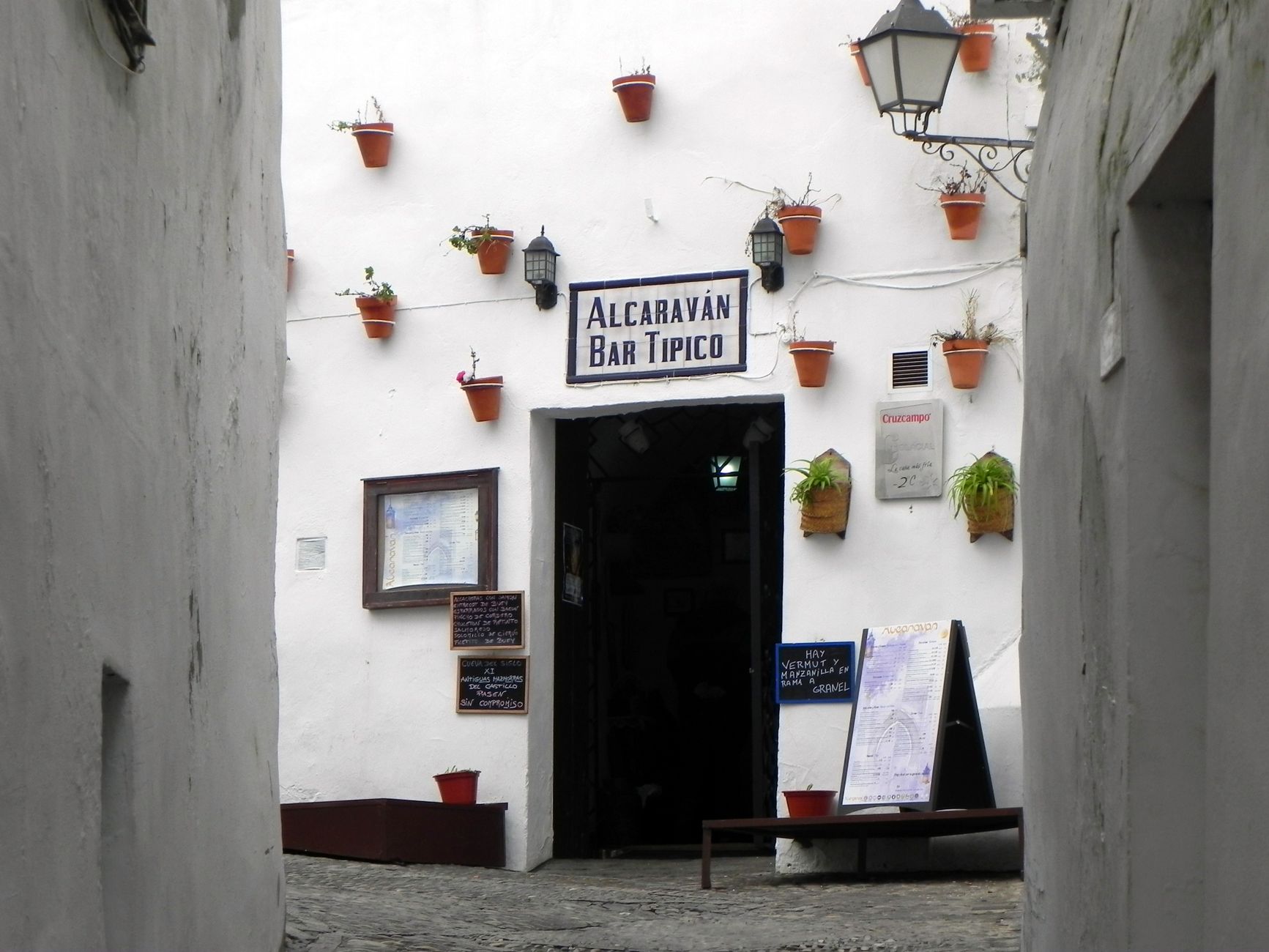

The flat ochre plain of Campo de Calatrava breaks open into Almagro, where whitewashed stone meets the distinctive green timber galleries of the Plaza Mayor. You smell fried garlic, olive wood smoke, and the sharp vinegar of pickled aubergines fermenting in terracotta vats. At the center stands the seventeenth-century Corral de Comedias, a wooden theatre where Golden Age plays have played out on bare timber boards since 1628. The streets are stone-paved, quiet by midday, and built for walking slow.
Last updated 22 Aug 2026
Build a Almagro itinerary.
Choose up to 4 threads that pull you in. Your plan arrives organised around them.
We'll craft a 3-lens plan for Almagro, one collapsible strand per lens.
Wine & Vineyards
Taste earthy reds made from Cencibel (Tempranillo) and crisp whites from Airén grapes at cellars across the Campo de Calatrava and nearby Valdepeñas production zones.
Wine & Vineyards
Taste earthy reds made from Cencibel (Tempranillo) and crisp whites from Airén grapes at cellars across the Campo de Calatrava and nearby Valdepeñas production zones.
Local Airén and Cencibel Tasting
Enocentro Almagro
Walk in for guided pours of regional D.O. La Mancha and Valdepeñas bottles alongside artisanal preserves. Tastings run about an hour for twelve euros.
Editor TipLa Mancha is the largest continuous vine-growing region on earth, dominated by heat-hardy Airén white grapes and rugged Cencibel reds. Ask for the un-oaked Airén to understand how clean this high-altitude white grape tastes when treated properly.
Valdepeñas Reds and Castilian Stews
Restaurante El Corregidor
Settle into the sixteenth-century stone courtyard. Reserve ahead for slow-roasted suckling lamb alongside an oak-aged Valdepeñas Tempranillo; plan for forty-five euros per diner.
Editor TipVintners in nearby Valdepeñas have fermented red wine in porous earthenware tinajas since Roman times, producing sun-baked reds engineered specifically for roasted game and heavy stews. Start with the berenjenas de Almagro; the cumin and fennel brine resets your palate instantly.
Sampling Volcanic Terroir Wines
Espacio Encomienda de Cervera
Drop in to sample Cencibel and Graciano reds poured alongside estate cheeses. Tastings take roughly 45 minutes and cost about twelve euros.
Editor TipAlmagro sits in the Campo de Calatrava volcanic field, where basalt soils lend local grapes a distinct mineral profile found nowhere else in central Spain. Ask to taste the Cencibel aged in French oak; it carries a deep herbal tone that pairs cleanly with the cured cheese.
Nineteenth-Century Cellar Walk
Bodegas Naranjo
Drive twenty minutes north to Carrión. Morning visits to the 1898 underground stone gallery run ninety minutes, including tastings of crisp Airén and old-vine Cencibel.
Editor TipCampo de Calatrava sits atop extinct volcanic fissures, imparting an austere minerality to grape varieties that have adapted to dry, sun-baked clay. Bring a light sweater; the subterranean vaults stay at a steady fourteen degrees year-round.
Clay Tinaja Cellar Tasting
La Antigua Bodega Los Llanos
Book an evening table deep in the cellar caves. Order the roast lamb shoulder alongside a carafe of local Cencibel; dinner easily spans two relaxed hours.
Editor TipValdepeñas winemakers historically fermented grapes in giant subterranean earthenware jars known as tinajas, which preserved fresh fruit notes against harsh summer heat. Take a light cardigan even on warm nights, as the subterranean brick dining vaults stay noticeably cool year-round.
Cheese & Dairy
Sample aged artisanal Queso Manchego D.O.P. made from raw sheep milk, rubbed with olive oil and cured for nine months, paired with crusty pan de cruz from local bakeries.
Cheese & Dairy
Sample aged artisanal Queso Manchego D.O.P. made from raw sheep milk, rubbed with olive oil and cured for nine months, paired with crusty pan de cruz from local bakeries.
Breakfast Toast with Aged Manchego
Cafetería Plaza Mayor
Order a tostada with grated tomato, olive oil, and cured Manchego at the bar counter. Expect to spend five euros and take forty minutes.
Editor TipCastilian mornings start with hard sheep milk cheeses made from indigenous Manchega herds that graze the dry plains of Ciudad Real. Grab an outdoor table facing the western colonnade to watch the town wake up without the midday glare.
Aged Manchego and Cencibel
Mesón El Marqués
Grab a shaded table under the Plaza Mayor arcades. Order the board of raw-milk artisan Manchego with a pour of local Cencibel; lunch takes about an hour and costs around twenty euros.
Editor TipTrue Manchego relies strictly on whole milk from indigenous Manchega sheep, aged in cellars to develop a sharp, nutty salinity that cuts straight through the arid plains heat. Ask specifically for queso curado artesano rather than pasteurised industrial wedges.
Pan de Cruz with Manchego
Cafetería El Gordo
Step inside for morning coffee and toasted pan de cruz topped with olive oil and aged Manchego. No reservations needed; breakfast runs about four euros.
Editor TipPan de cruz is Calatrava's traditional dense wheat loaf, baked with a cross cut to keep it fresh for shepherds working the plains for days. Ask for queso curado rather than semicurado if you prefer the sharper bite of raw sheep milk.
Raw Milk Manchego Tasting
Quesos Mendoza
Step up to the marble counter to sample wedges aged from semi-curado to twelve-month curado. A tasting board with bread and local oil costs around 8 euros. Allow 45 minutes.
Editor TipTrue artisan Manchego relies on whole raw milk from indigenous Manchega sheep, cured in traditional esparto grass molds that press the classic herringbone pattern directly into the rind. Ask for the 'artesano en manteca'—cured in Iberian lard—for a rich, crumbly texture.
Note from the Editor
“Start early on the plaza before the tour coaches roll in from Madrid. The morning light hits the green galleries best around nine, just when the first wheels of cured cheese are sliced.”
The Bed
Where to stay in Almagro
Which part of town to book, and what each one costs you in walking, noise or quiet.
The Comparison
Almagro, or somewhere near it
The places you are realistically choosing between, and the honest case for each.
The Local Record
Where to read more about Almagro
The blogs, boards, guides and operators worth bookmarking.
What to do in Almagro Castilla-La Mancha Spain
Almagro centers on its long, green-balconied Plaza Mayor and spreads into a quiet grid of noble stone mansions and whitewashed convents. Days here pace themselves around the heat: theatre tours in the morning, a long lunch of stewed game and pickled aubergines, and an evening paseo through quiet alleys. It suits independent travellers who appreciate history without stage makeup, dry local wine, and walking unhurried streets.
24 hours in Almagro Castilla-La Mancha Spain
Begin at nine in the morning at the 1628 Corral de Comedias before tour groups arrive. Walk to the Plaza Mayor for a coffee, then cross to the Convento de la Asunción. For lunch, order tiznao and migas along Calle San Agustín. Spend late afternoon browsing lace workshops, ending with a glass of Valdepeñas red and tapas around nine in the evening. Select 1 Day above to see it.
2 days in Almagro Castilla-La Mancha Spain
A second day takes you through the Noble Quarter along Calle de las Nieves and into the Palacio de los Condes de Valdeparaíso. Dedicate the afternoon to the Museo Nacional del Teatro. For dinner, sit down for roasted lamb chops and aged sheep cheese, followed by an evening theatre performance if you are visiting during the July festival season. Choose 2 Days to expand the plan.
3 days in Almagro Castilla-La Mancha Spain
Day three lets you hire a car to explore the volcanic terrain of Campo de Calatrava. Head south to the imposing fortress of Calatrava la Nueva, perched high above the scrub, then loop over to Tablas de Daimiel National Park for an easy boardwalk walk among the marshlands before returning to town for a final cazuela of pisto manchego.
Almagro Castilla-La Mancha Spain itineraries by interest
Historic Theatre in Almagro Castilla-La Mancha Spain
Step into the 1628 Corral de Comedias to inspect the original wooden stage, then visit the Museo Nacional del Teatro on Calle Gran Maestre for Spanish Golden Age costume archives and stage models.
Local Produce in Almagro Castilla-La Mancha Spain
Taste small berenjenas de Almagro, whole local aubergines cured in vinegar, garlic, paprika, and pierced with wild fennel stalks, sold in jars across town and served cold at every tapas bar.
Regional Cooking in Almagro Castilla-La Mancha Spain
Order hearty peasant staples like pisto manchego topped with fried eggs, tiznao made with flaked salt cod and roasted peppers, and duelo y quebrantos scrambled with chorizo and pork fat.
Sacred Architecture in Almagro Castilla-La Mancha Spain
Walk down Calle de las Nieves to the sixteenth-century Convento de la Asunción de Calatrava, admiring its sandstone plateresque cloister, quiet chapels, and Renaissance marble tombs.
Wine & Vineyards in Almagro Castilla-La Mancha Spain
Taste earthy reds made from Cencibel (Tempranillo) and crisp whites from Airén grapes at cellars across the Campo de Calatrava and nearby Valdepeñas production zones.
Craft Traditions in Almagro Castilla-La Mancha Spain
Watch skilled artisans work intricate patterns at the Museo del Encaje y la Blonda, where traditional bobbin lace weaving has sustained local families since the sixteenth century.
Town Walk in Almagro Castilla-La Mancha Spain
Stroll the colonnaded Plaza Mayor under its green enclosed balconies, continuing through the Noble Quarter past sixteenth-century stone coats of arms on Calle Mayor de Carnicerías.
Cheese & Dairy in Almagro Castilla-La Mancha Spain
Sample aged artisanal Queso Manchego D.O.P. made from raw sheep milk, rubbed with olive oil and cured for nine months, paired with crusty pan de cruz from local bakeries.
Day Trips in Almagro Castilla-La Mancha Spain
Drive thirty minutes south to Valdepeñas for historic wine bodegas, or head west to Ciudad Real and the Tablas de Daimiel wetlands to observe native waterfowl among the reed beds.
Bar Culture in Almagro Castilla-La Mancha Spain
Join locals along Calle San Agustín for a cold caña served alongside free cazuelas of migas manchegas, stewed venison, or morteruelo pork spread as the afternoon heat cools.
Historic Manors in Almagro Castilla-La Mancha Spain
Explore noble palaces like the Palacio de los Condes de Valdeparaíso, noting grand stone portals, interior courtyards, and Renaissance timber ceilings across the historic quarter.
Castles & Fortresses in Almagro Castilla-La Mancha Spain
Travel twenty minutes south to the Castillo de Calatrava la Nueva, a massive thirteenth-century fortress and monastery sitting atop a rocky hill with views over the surrounding plains.