

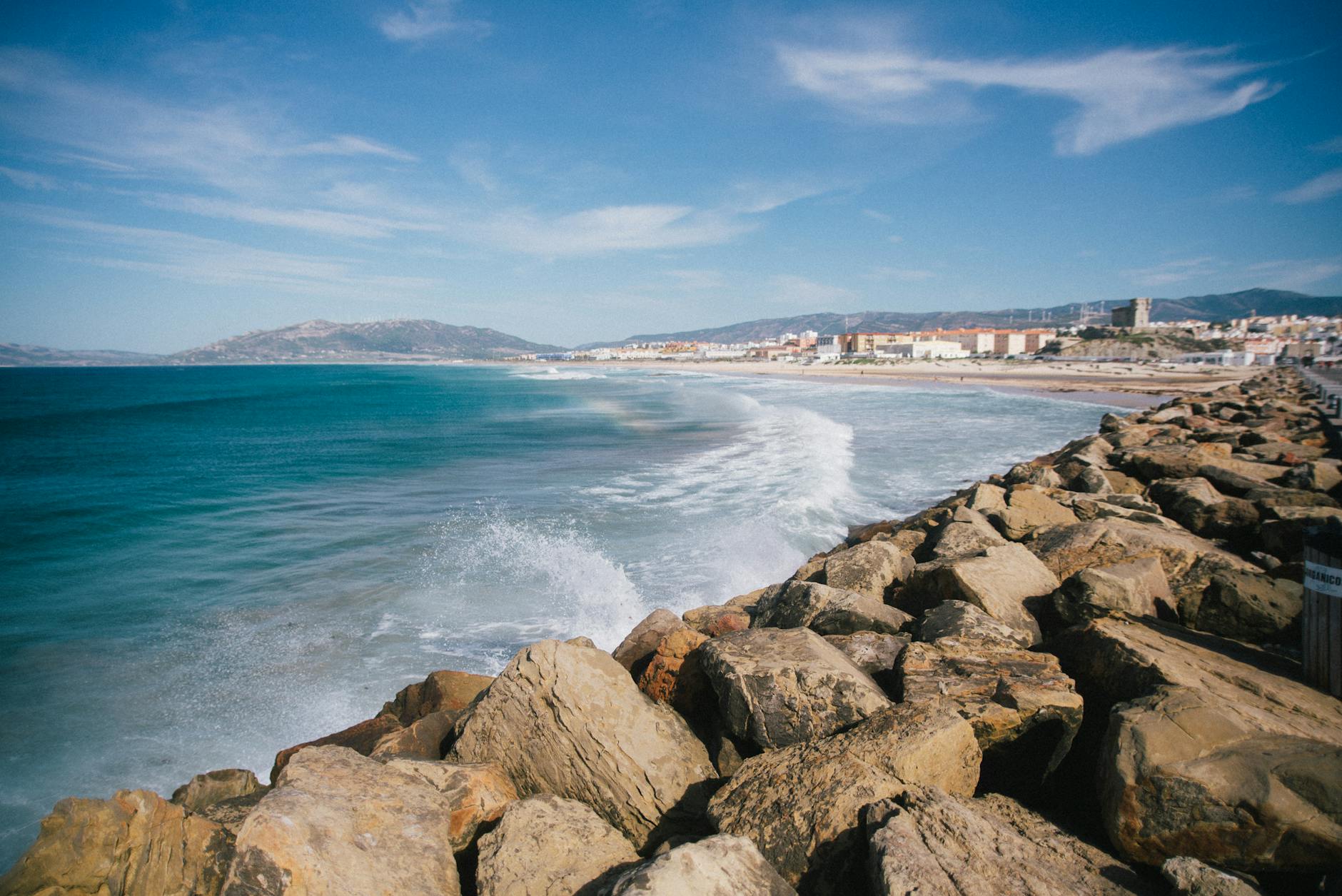
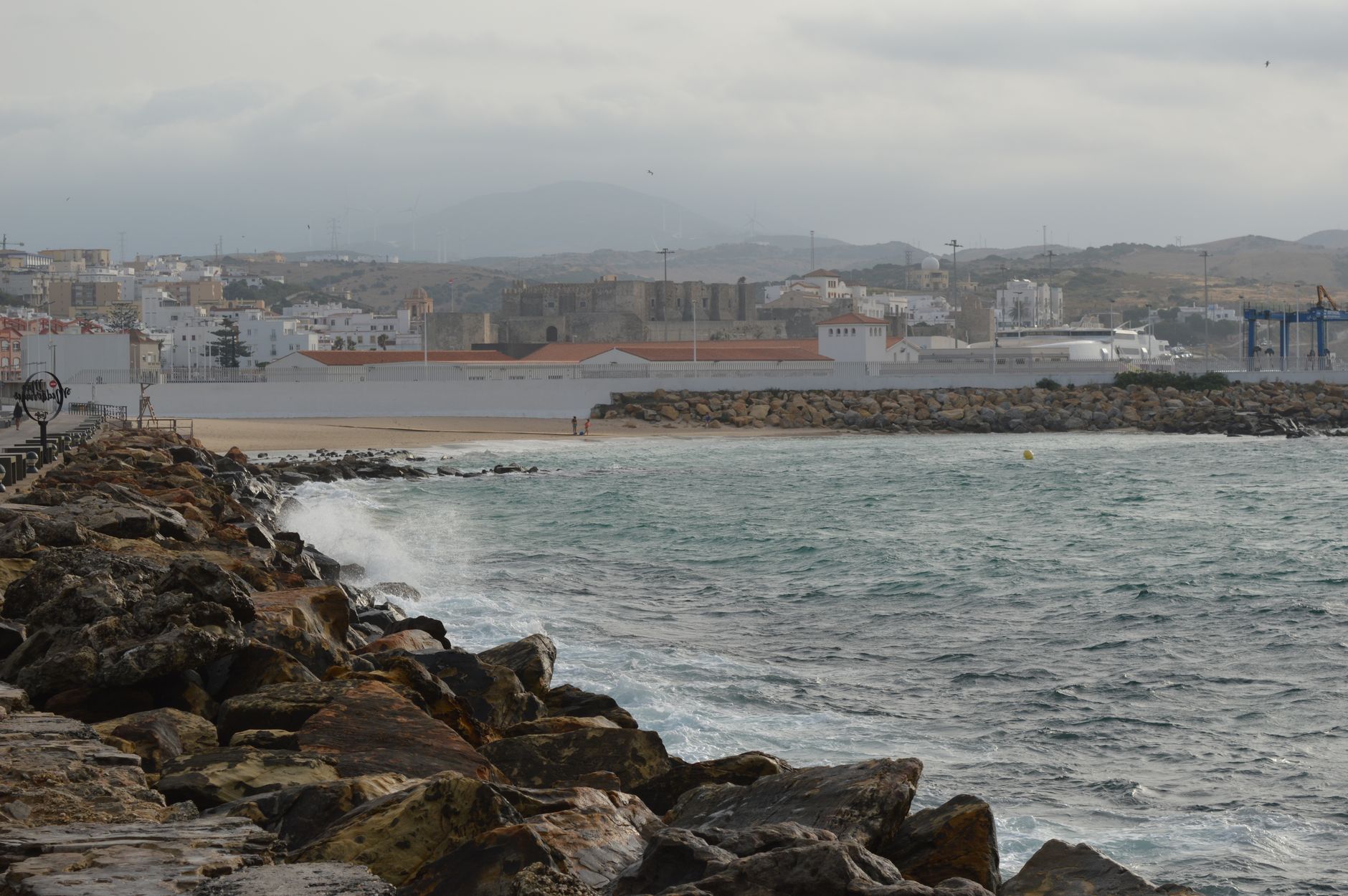
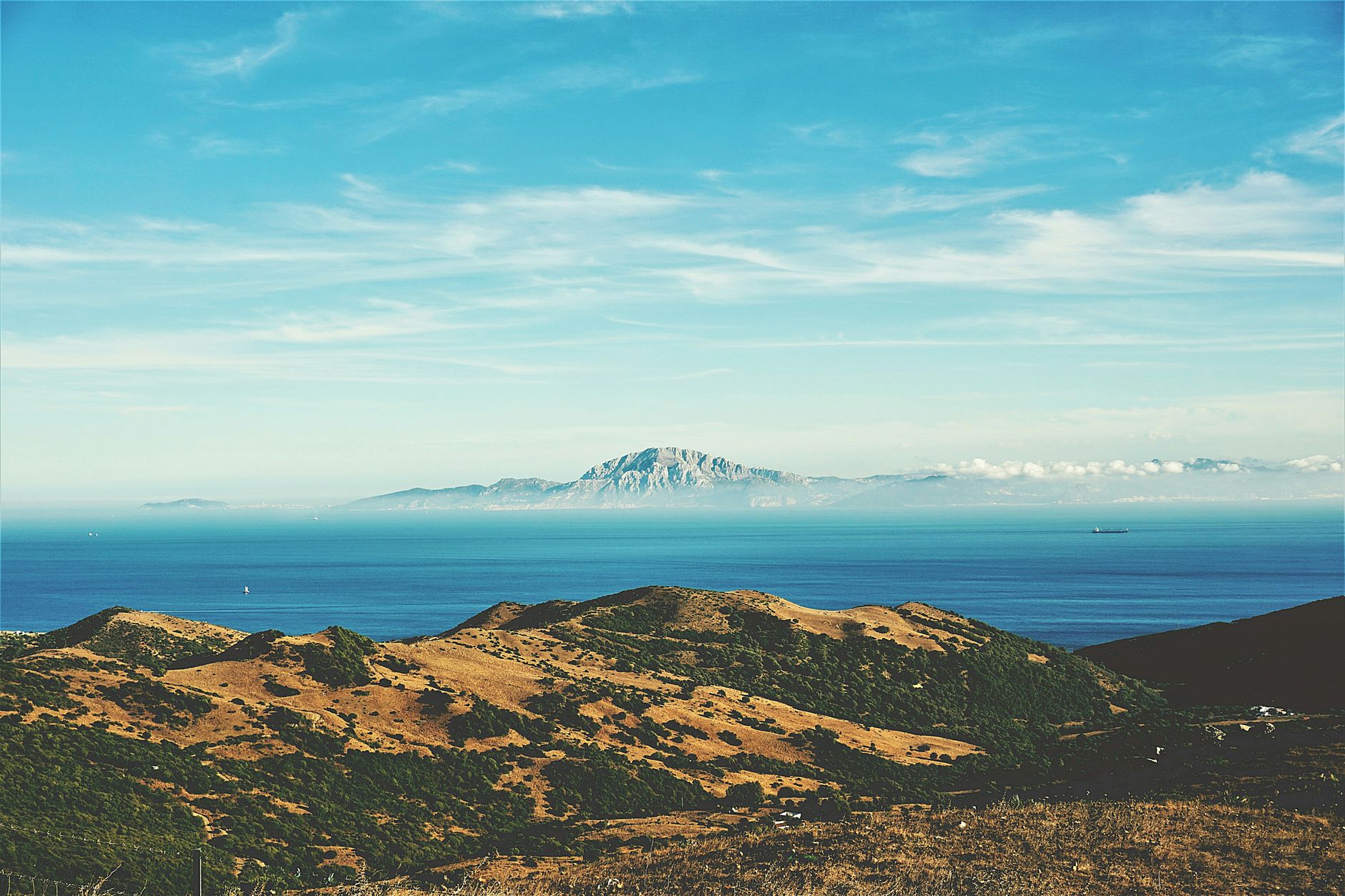
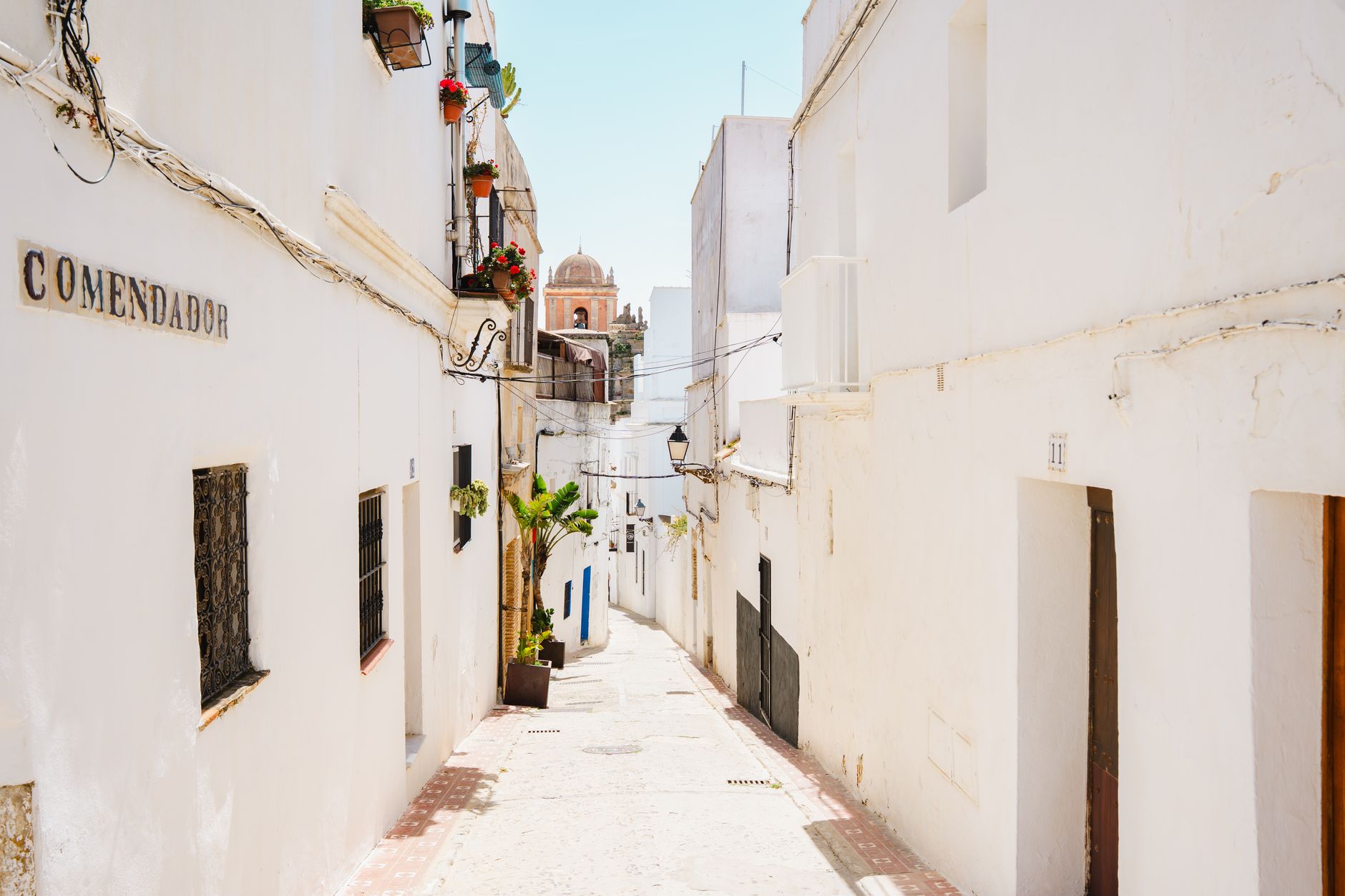
The wind off the Strait of Gibraltar hits you first, relentless and salty, whipping laundry on rooftop lines while Morocco looms sharp across fourteen kilometres of water. Fishermen still land almadraba bluefin tuna at the port as they have since Phoenician days, while surfers haul boards through whitewashed alleys behind tenth-century caliphal ramparts. It is breezy, sun-baked, and unapologetically casual. Tarifa is worth visiting if you want wild coastal walking, world-class windsurfing, and grilled bluefin tuna eaten straight off the plancha inside medieval stone walls. Look elsewhere if you want wind-free sunbathing, calm waters for easy swimming, full-service luxury resorts, or a wide selection of indoor cultural sights.
Last updated 3 Sept 2026
Build a Tarifa itinerary.
Choose up to 4 threads that pull you in. Your plan arrives organised around them.
We'll craft a 2-lens plan for Tarifa, one collapsible strand per lens.
Local Seafood
Feast on almadraba-caught bluefin tuna, from seared ventresca belly to tataki, served fresh at seaside cantinas and old port bars.
Local Seafood
Feast on almadraba-caught bluefin tuna, from seared ventresca belly to tataki, served fresh at seaside cantinas and old port bars.
Morning Catch and Market Coffee
Mercado Central de Abastos
Walk into the central courtyard stalls by 08:30 for a café con leche and pan con tomate before examining the morning landings of local bluefin. Budget five euros.
Editor TipHoused in an old convent courtyard redesigned in 1928, this municipal market supplies the town with fish landed just hours earlier in the Strait of Gibraltar. Look for the stalls with silver-skinned pez sable and red mullet; the vendors take cash and appreciate a polite buenos días.
Sampling Salt-Cured Almadraba Mojama
Mercado de Abastos de Barbate
Walk the central stalls by nine to watch fishmongers butcher giant bluefin. Stop at the cured fish counters for sliced mojama and salted tuna heart for a few euros.
Editor TipBarbate has lived by the almadraba netting technique for three millennia, yielding deep-red tuna that locals still cure in sea salt and dry against the Atlantic wind. Ask the vendor for a slice of hueva de maruca alongside the tuna; eat it immediately with a paper napkin.
Walking Ancient Roman Garum Vats
Conjunto Arqueológico Baelo Claudia
Pick up a free entry ticket at the reception desk with your EU or foreign passport. Walk down the stone decumanus to inspect the seaside salting vats; allow seventy minutes.
Editor TipBuilt directly on Bolonia beach in the second century BC, this Roman factory town grew wealthy exporting salted tuna paste and garum sauce across the Mediterranean. Wear sturdy shoes with grip; the Roman flagstones near the salting vats are polished smooth by sand and centuries.
Seaside Almadraba Tuna Feast
Restaurante Antonio
Reserve a terrace table two weeks ahead. Order the tuna tartare and grilled belly ventresca paired with dry Palomino. Budget ninety euros per person for lunch.
Editor TipThe Phoenicians established the almadraba trap-net fishery along this coastline three thousand years ago, intercepting Atlantic bluefin entering the warmer Mediterranean to spawn. Request an outdoor seat facing the breakers; the Atlantic breeze cuts through the rich fat of the tuna perfectly.
Counter Seafood Tapas
La Taberna de El Campero
No reservations at the high tables. Arrive at opening for glazed tuna ribs and mojama carpaccio with a glass of chilled Manzanilla. Plan on forty euros per person.
Editor TipBarbate cooks treat bluefin like Iberian pork, dissecting the fish into over twenty distinct culinary cuts from prized belly to gelatinous throat joints. Stand at the stainless-steel bar near the kitchen pass where the staff shout orders and the turnaround is quickest.
Tapas Bars
Graze along Calle Sancho IV el Bravo on fried puntillitas, slow-cooked retinto beef, and cold glasses of Manzanilla sherry.
Tapas Bars
Graze along Calle Sancho IV el Bravo on fried puntillitas, slow-cooked retinto beef, and cold glasses of Manzanilla sherry.
Fried Sea Anemones and Sherry
Bar El Francés
Arrive right at the midday opening to claim a high stool inside without waiting. Order a portion of ortiguillas de mar and a glass of chilled Manzanilla for under twelve euros.
Editor TipOrtiguillas, sea anemones dredged in flour and flash-fried in olive oil, are an Andalusian coastal delicacy that taste cleanly of ocean brine and iodine. The bar stools fill completely by one o'clock; getting here at the opening spares you thirty minutes of hovering.
Fisherman Fried Seafood Tapas
Bar Los Melli
Find a counter perch around 20:30. Order the tortillitas de camarones, fried puntillitas, and a crisp glass of Manzanilla sherry. Cash is preferred; tapas average four euros.
Editor TipFounded by twin brothers who worked the local fishing fleet, this tiled tavern fries fresh daily catches in searing olive oil with zero pretension. Order two small plates at a time rather than everything at once so the delicate fry stays piping hot.
Note from the Editor
“Tarifa runs on the Levante wind and fish market hours. Arrive before nine to see the port haul unpacked, because by noon the town wakes up and every decent counter fills fast.”
The Bed
Where to stay in Tarifa
Which part of town to book, and what each one costs you in walking, noise or quiet.
The Comparison
Tarifa, or somewhere near it
The places you are realistically choosing between, and the honest case for each.
The Local Record
Where to read more about Tarifa
The blogs, boards, guides and operators worth bookmarking.
What to do in Tarifa Andalusia Spain
Tarifa pivots around its windy harbour and whitewashed old quarter. Days begin with strong coffee inside Puerta de Jerez, drift toward the windy expanse of Playa de Los Lances, and settle into evening tapas around Calle Sancho IV el Bravo. It suits travellers who love active coastlines, ancient stone fortifications, and unfussy plates of Atlantic tuna over polished resort luxury.
24 hours in Tarifa Andalusia Spain
Spend the morning exploring the ramparts of Guzman el Bueno Castle before walking the causeway to Isla de las Palomas. For lunch, order tuna tartar at the port. Dedicate the afternoon to the sands of Playa de Los Lances, finishing with cold fino sherry and local retinto beef tapas in the old quarter. Select 1 Day above to see it.
2 days in Tarifa Andalusia Spain
Day two takes you fifteen minutes northwest to Bolonia. Spend the morning walking among the Roman forum columns of Baelo Claudia, then climb the giant sand dune. Return to Tarifa for an evening of fresh fried chocos and Payoyo cheese along the cobblestones of Calle San Francisco. Choose 2 Days to expand the plan.
3 days in Tarifa Andalusia Spain
A third day allows a morning ferry crossing to Tangier or a boat trip into the strait to watch pilot whales. Alternatively, hike the bluff paths of the Parque Natural del Estrecho, followed by an unhurried sunset dinner of grilled tuna ventresca at Valdevaqueros.
Tarifa Andalusia Spain itineraries by interest
Local Seafood in Tarifa Andalusia Spain
Feast on almadraba-caught bluefin tuna, from seared ventresca belly to tataki, served fresh at seaside cantinas and old port bars.
Medieval History in Tarifa Andalusia Spain
Climb the tenth-century Castle of Guzman el Bueno, built under Abd al-Rahman III, overlooking the choppy strait toward Africa.
Wind & Waves in Tarifa Andalusia Spain
Test your nerve with kitesurfing or windsurfing on the wide Atlantic sands of Playa de Los Lances, buffeted by the fierce Levante wind.
Coastal Walks in Tarifa Andalusia Spain
Walk the narrow isthmus to Isla de las Palomas, tracing the exact dividing line between the Mediterranean Sea and the Atlantic Ocean.
Day Trips in Tarifa Andalusia Spain
Catch the fast 60-minute passenger ferry across the Strait of Gibraltar directly into the bustling port of Tangier, Morocco.
Ancient Ruins in Tarifa Andalusia Spain
Explore Baelo Claudia at Bolonia, a sprawling first-century Roman town with intact temple columns, a theatre, and garum salting vats.
Markets & Produce in Tarifa Andalusia Spain
Browse the Mercado Municipal for cured tuna mojama, Payoyo goat cheeses, and seasonal Cadiz produce sold by neighbourhood vendors.
Sacred Architecture in Tarifa Andalusia Spain
Visit the Church of San Mateo, rebuilt in the sixteenth century with a flamboyant Gothic interior behind a sculpted neoclassical facade.
Hiking in Tarifa Andalusia Spain
Trek the coastal trails of Parque Natural del Estrecho, following rugged bluffs, old military pillboxes, and migratory bird routes.
Wildlife Watching in Tarifa Andalusia Spain
Board a boat from the port to spot pilot whales, striped dolphins, and seasonal killer whales in the deep waters of the strait.
Tapas Bars in Tarifa Andalusia Spain
Graze along Calle Sancho IV el Bravo on fried puntillitas, slow-cooked retinto beef, and cold glasses of Manzanilla sherry.
Beaches in Tarifa Andalusia Spain
Sunbathe and swim at Playa de Valdevaqueros, famed for its massive sand dune and turquoise water backed by pine-covered hills.