Cuenca.

.JPG)
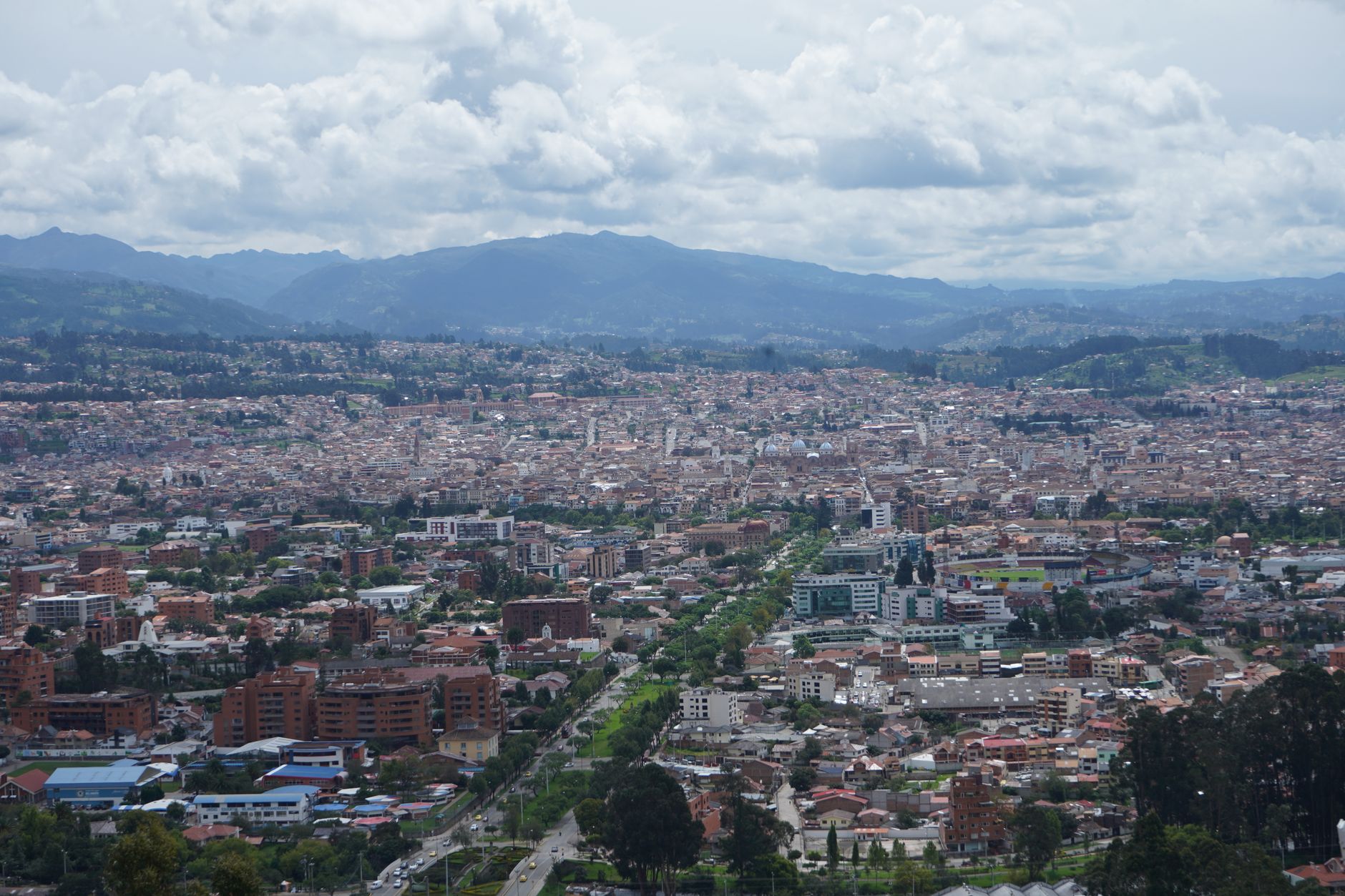

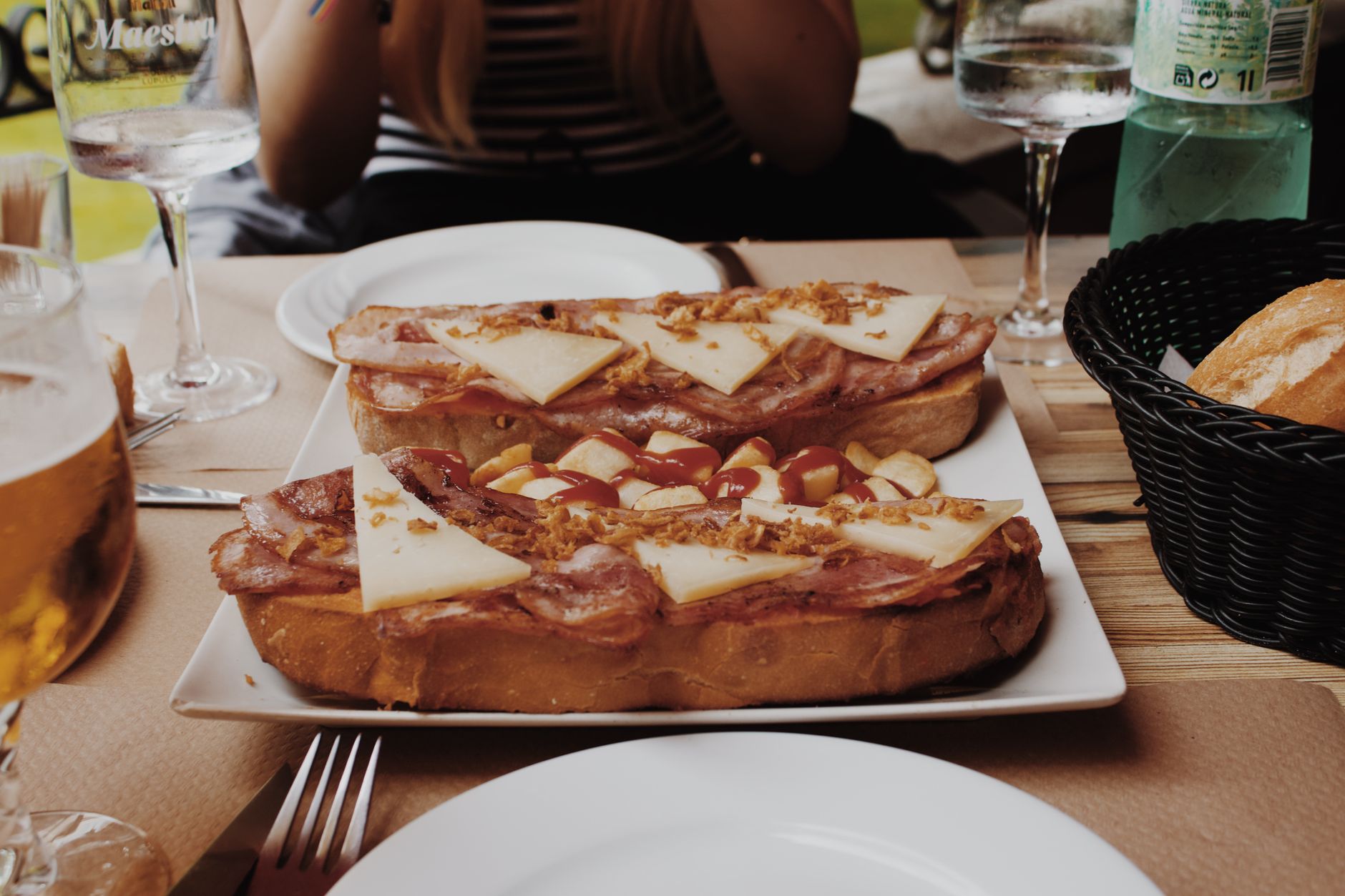

Cuenca sits on a narrow ridge of limestone carved out by the Júcar and Huécar rivers, with stone houses pinned precariously to the rock face. You arrive from the lower town climbing steep cobbled ramps where wind smells of burning oak and roasting garlic. The fourteenth-century Casas Colgadas lean out over empty air, while inside them sits one of Spain's finest abstract art collections. It is vertical, brisk, and fiercely authentic.
Last updated 22 Aug 2026
Build a Cuenca itinerary.
Choose up to 4 threads that pull you in. Your plan arrives organised around them.
We'll craft a 3-lens plan for Cuenca, one collapsible strand per lens.
River Valleys
The Hoz del Júcar features shaded willow-lined banks and crystalline pools near the Villalba de la Sierra bridge, ideal for peaceful afternoons away from stone ramps.
River Valleys
The Hoz del Júcar features shaded willow-lined banks and crystalline pools near the Villalba de la Sierra bridge, ideal for peaceful afternoons away from stone ramps.
Júcar Gorge Riverside Walk
Paseo Fluvial del Júcar
Walk the flat shaded path along the river floor below the limestone bluffs. Free to enter, starts near Recreo Peral, and takes about ninety minutes at a relaxed stride.
Editor TipThe Júcar and Huécar rivers carved Cuenca out of solid Cretaceous limestone over millennia, giving rise to sheep farming and isolated river mills. Wear shoes with grip; morning river condensation coats the wooden footbridges in a slick glaze.
Sunset Over the Limestone Canyon
Ventano del Diablo
Pull into the gravel turnout off the CM-2105. Walk five minutes along the rocky footpath up into the twin hollow stone balconies over the gorge.
Editor TipCenturies of water erosion carved these hollow limestone caves above the Júcar River canyon, creating a natural redoubt for nesting griffon vultures. Bring a windbreaker; the canyon updraft turns biting the moment the sun slips behind the pine ridge.
Gorge Walks
Cross the iron footbridge of San Pablo at two hundred feet up, then follow the dirt paths tracing the Huécar and Júcar ravines beneath limestone overhangs.
Gorge Walks
Cross the iron footbridge of San Pablo at two hundred feet up, then follow the dirt paths tracing the Huécar and Júcar ravines beneath limestone overhangs.
Crossing the Huécar Gorge
Puente de San Pablo
Cross the 1902 iron footbridge freely on foot from the former monastery. Allow forty minutes to take in the sheer 40-metre drop and the 15th-century Hanging Houses.
Editor TipCarved by the Huécar and Júcar rivers, these ravines formed natural medieval moats that kept Cuenca fortified for centuries, shaping an austere mountain settlement built literally over the void. Look straight down through the wood planks if you dare; the bridge sways slightly in the morning mountain breeze.
Karst Gorge Trail
Los Callejones de Las Majadas
Park at the free dirt lot three kilometres past Las Majadas. The signposted three-kilometre loop takes ninety minutes; wear sturdy boots for uneven limestone slabs.
Editor TipCenturies of mountain rain and ice carved these Cretaceous limestone corridors into narrow canyon streets, historically used by local shepherds to pen sheep during storms. Take the red-marked spur on the northern rim. It gives a sheer view down the canyon without meeting another soul.
Mountain Cooking
Sustenance built for cold winds: morteruelo game paste spread on warm crusts, ajoarriero salt-cod puree, and tender stewed lamb leg braised with rosemary and garlic.
Mountain Cooking
Sustenance built for cold winds: morteruelo game paste spread on warm crusts, ajoarriero salt-cod puree, and tender stewed lamb leg braised with rosemary and garlic.
Mid-Morning Plate of Morteruelo
Mesón Mangana
Walk five minutes up into Plaza Mayor for an early table. Order the warm morteruelo paste served with crusty bread and a glass of local Manchuela red wine for under ten euros.
Editor TipMorteruelo is Serranía de Cuenca mountain cooking at its most ancient: a slow-simmered paste of wild hare, partridge, pork liver, lard, and cloves invented by shepherds to survive winter. Spread it thick on the crust; it is rich, heavily spiced, and best treated like a warm rustic pâté.
Tasting Serranía Mountain Cooking
Figón del Huécar
Reserve an evening table along the stone terrace. Order the warm morteruelo spread with rye toast and a jug of Ribera del Júcar red; dinner runs around forty euros per person.
Editor TipShepherds in the Serranía developed morteruelo as portable sustenance, pounding hunted hare, liver, pork fat, and caraway into a dense, spiced paste that defines winter survival. Skip the bread basket butter and use the warm pork spread immediately; it is unapologetically rich and deeply grounding.
Warm Morteruelo and Zarajos
Bar La Ponderosa
Stand at the narrow bar and ask for a portion of morteruelo with crusty bread and a small plate of zarajos. Expect to pay around ten euros with a cold draft beer.
Editor TipMorteruelo is a medieval shepherd pate made from boiled hare, partridge, and pork liver pounded with spices, designed to keep hunters warm through bitter serranía winters. Arrive right at opening time to snag a spot at the bar before the midday rush fills the narrow room.
Sampling Serranía Game Pastes
Restaurante Raff San Pedro
Book a table for 14:30. Expect to pay around forty euros for the mountain tasting menu, featuring morteruelo, cod ajoarriero, and tender suckling pig. Allow ninety minutes.
Editor TipSerranía de Cuenca cooking relies on shepherd staples designed for high-altitude winters, blending pounded game meats, stale sourdough, lard, and sweet pimentón into dense savoury pastes. Skip the bread basket until the warm morteruelo lands, or you will ruin your appetite before the roast lamb arrives.
Warm Morteruelo and Toast
Restaurante El Chopo
Order the wood-toasted pan de pueblo smeared with hot morteruelo and a black coffee. Service is swift at the counter, costs around six euros, and takes thirty minutes.
Editor TipMorteruelo is a medieval mountain paste of hare, pork liver, and spices, stewed down for hours to fuel woodcutters against the biting high-elevation frost of the Serranía. The back tables by the wood stove fill with hunters by nine. Stand at the zinc bar for the quickest departure.
Feasting on Serranía Game
Restaurante Nelia
Reserve ahead for lunch. Order the morteruelo pâté, braised venison with boletus mushrooms, and a glass of Manchuela red. Allow two hours.
Editor TipCuenca's mountain cooking grew out of shepherd necessity and forest hunting, relying on wild game, pine nuts, and slow braises to outlast harsh upland winters. Go easy on the starter bread. Portions here assume you spent your morning felling timber across the valley.
Note from the Editor
“Cross the bridge before the tour buses pull in from Madrid at ten. The limestone cliffs belong to the ravens early on, and you want the wind off the Huécar all to yourself.”
The Bed
Where to stay in Cuenca
Which part of town to book, and what each one costs you in walking, noise or quiet.
The Comparison
Cuenca, or somewhere near it
The places you are realistically choosing between, and the honest case for each.
The Local Record
Where to read more about Cuenca
The blogs, boards, guides and operators worth bookmarking.
What to do in Cuenca Castilla-La Mancha Spain
Cuenca is divided between a busy lower grid and a high medieval spine strung between two river gorges. Life here runs vertically. Mornings belong to the echoing aisles of the cathedral and windy cliff paths, afternoons slow down over clay bowls of morteruelo and crusty loafs, and evenings pull everyone to the bars near Plaza Mayor. It suits walkers who value dramatic geography, serious regional food, and quiet modern art over crowded tourist avenues.
24 hours in Cuenca Castilla-La Mancha Spain
Start at the lower town and take the morning climb up Calle Alfonso VIII to Plaza Mayor. Visit the Museo de Arte Abstracto Español before lunch, then order ajoarriero and roasted lamb at Mesón Llavero. In late afternoon, cross the San Pablo bridge for sunset views back toward the hanging houses, finishing with zarajos and a beer on Calle San Francisco. Select 1 Day above to see it.
2 days in Cuenca Castilla-La Mancha Spain
Spend your second morning exploring the Barrio del Castillo at the summit, where narrow stone alleys give way to raw canyon views. Head down into the Hoz del Júcar gorge for a walk under limestone cliffs, followed by a lunch of stewed partridge and trufas at a riverside taberna. Wrap up browsing the ceramics workshops in the San Martín quarter. Choose 2 Days to expand the plan.
3 days in Cuenca Castilla-La Mancha Spain
A third day allows you to drive out to the karst stone formations of the Ciudad Encantada, walking through the pine forest before the midday heat. Continue south to explore the Roman theatre and baths at Segóbriga. Return to Cuenca to spend a slow final evening tasting Bobal wines and honeyed alajú at a quiet terrace overlooking the illuminated Huécar gorge.
Cuenca Castilla-La Mancha Spain itineraries by interest
Modern Art in Cuenca Castilla-La Mancha Spain
Inside the Casas Colgadas, the Museo de Arte Abstracto Español showcases Chillida and Tàpies, while Fundación Antonio Pérez fills an old convent with witty found objects.
Mountain Cooking in Cuenca Castilla-La Mancha Spain
Sustenance built for cold winds: morteruelo game paste spread on warm crusts, ajoarriero salt-cod puree, and tender stewed lamb leg braised with rosemary and garlic.
Sacred Architecture in Cuenca Castilla-La Mancha Spain
The twelfth-century Cathedral of Santa María y San Julián blends Norman-Gothic arches with stained glass, facing the sloping cobbles of Plaza Mayor.
Gorge Walks in Cuenca Castilla-La Mancha Spain
Cross the iron footbridge of San Pablo at two hundred feet up, then follow the dirt paths tracing the Huécar and Júcar ravines beneath limestone overhangs.
Tavern Culture in Cuenca Castilla-La Mancha Spain
Tapas bars along Calle San Francisco and Plaza Mayor serve crisp zarajos—skewered, crisped lamb intestines—alongside chilled draught beer and local Manchego cheese.
Geological Sites in Cuenca Castilla-La Mancha Spain
North of town lies the Ciudad Encantada, a labyrinth of massive pine-shaded karst rocks eroded into stone mushrooms, ships, and alleys across limestone plateau.
Pastry Traditions in Cuenca Castilla-La Mancha Spain
Pick up alajú from traditional bakeries like Pastelería Ruiz, a dense Moorish almond, walnut, and honey confection pressed between thin communion wafers.
Regional Wine in Cuenca Castilla-La Mancha Spain
The high-altitude vineyards of Ribera del Júcar produce deep Bobal and Tempranillo reds, poured generous and cool in stone cellars around Barrio del Castillo.
Historic Fortifications in Cuenca Castilla-La Mancha Spain
Climb through the ruins of the Moorish Castillo at the highest point of the upper town, where the ancient stone archway frames panoramic drops on both flanks.
Day Trips in Cuenca Castilla-La Mancha Spain
Drive forty minutes south to the Roman ruins of Segóbriga, where an amphitheatre and theatre sit quietly among rolling grain fields under broad skies.
River Valleys in Cuenca Castilla-La Mancha Spain
The Hoz del Júcar features shaded willow-lined banks and crystalline pools near the Villalba de la Sierra bridge, ideal for peaceful afternoons away from stone ramps.
Craft Traditions in Cuenca Castilla-La Mancha Spain
In the San Martín quarter, potters and woodworkers maintain centuries-old mudéjar ceramic patterns, while the Museo de Cuenca preserves ancient Iberian metalwork.