_-_IMG_20190504_145657_171.jpg)

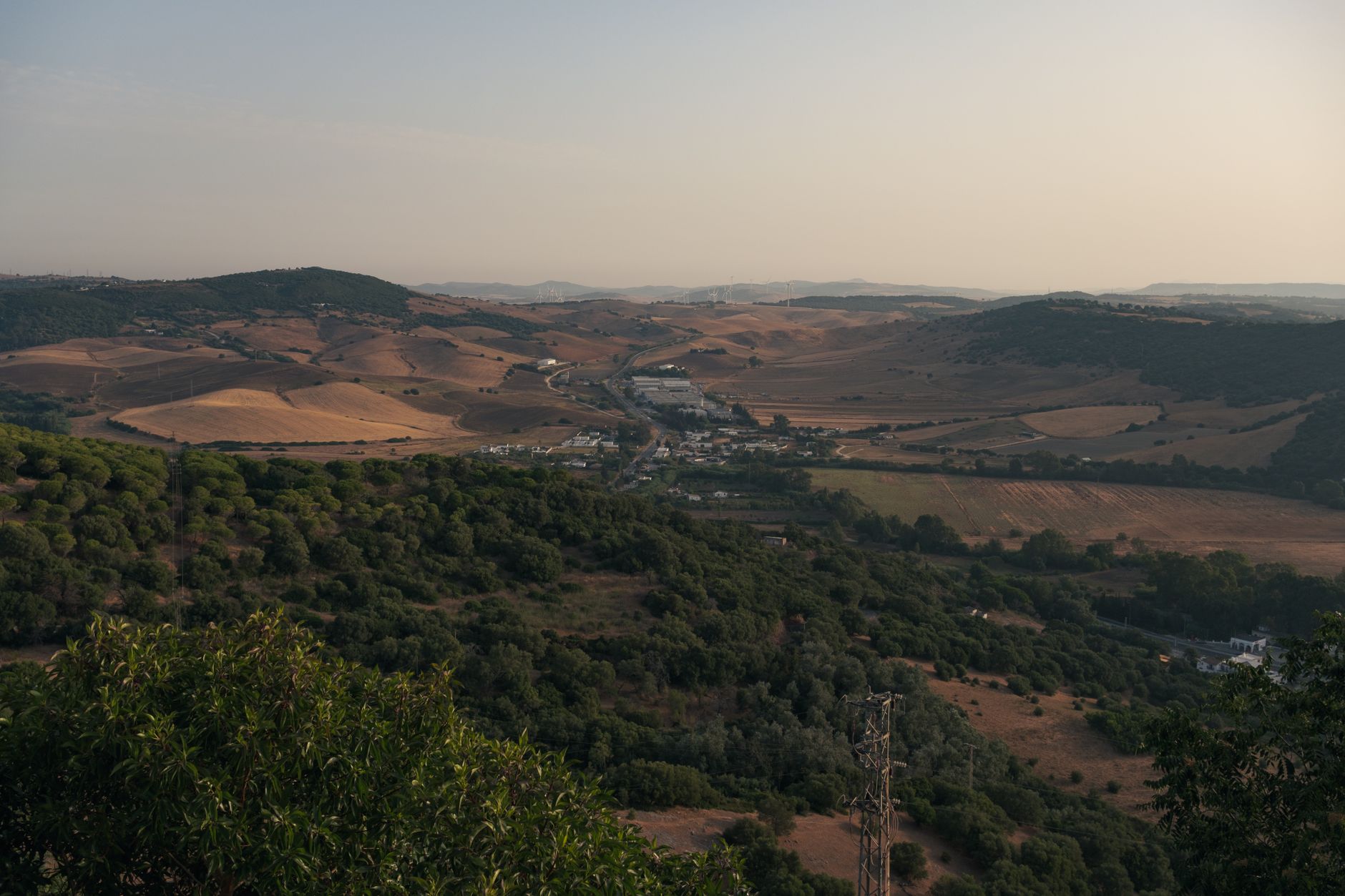
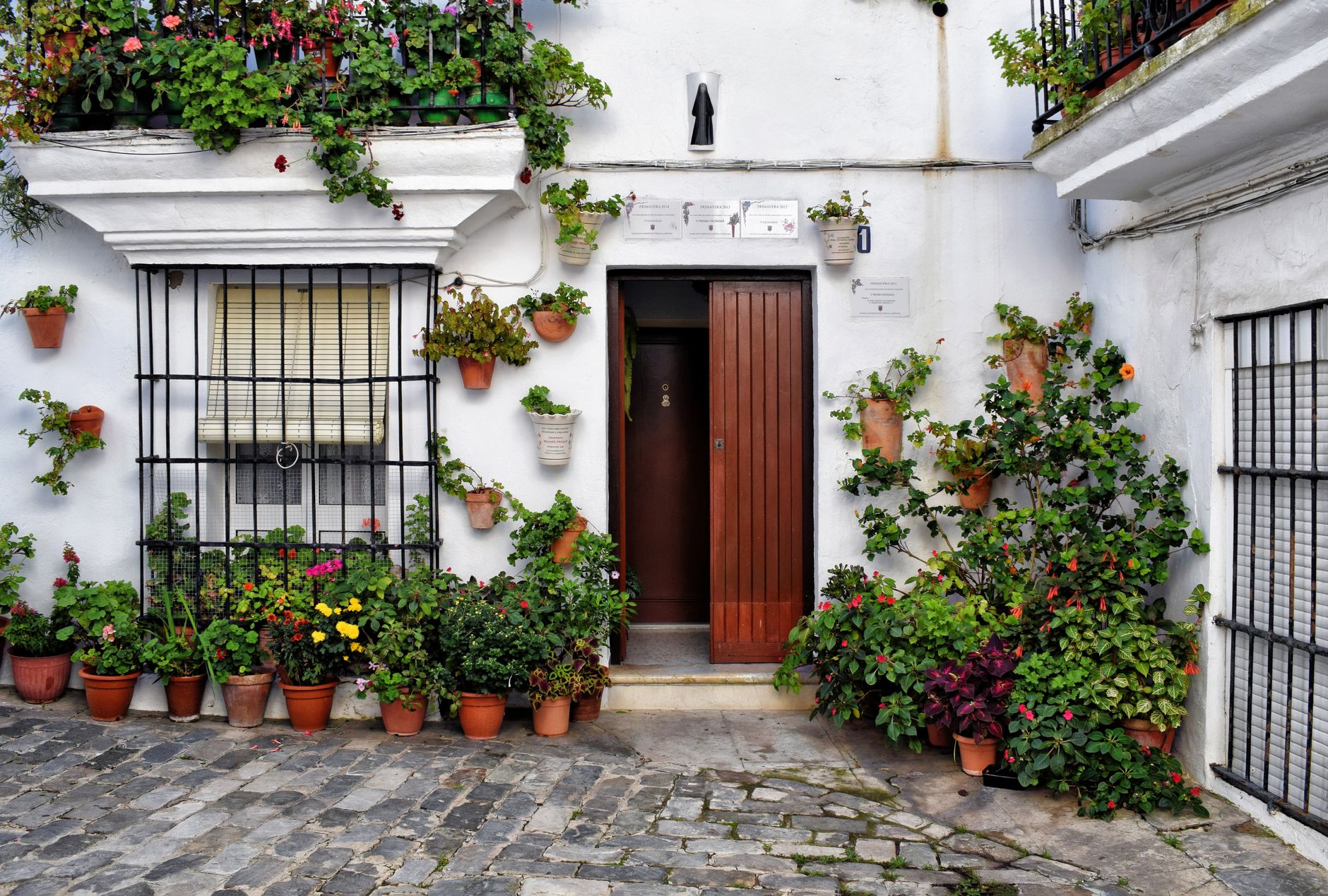
Arcos perches on a sheer sandstone ridge over the Guadalete river like an anvil. The walk up through the old town strains your calves over slick cobblestones, between blinding whitewashed walls that smell faintly of lime wash, dry cedar, and fried pork fat. You come here for the cliffside vertigo at Plaza del Cabildo, the Mudéjar arches of Santa María de la Asunción, and late taverns pouring chilled manzanilla with thick slices of cured sheep cheese.
Last updated 22 Aug 2026
Build a Arcos de la Frontera itinerary.
Choose up to 4 threads that pull you in. Your plan arrives organised around them.
We'll craft a 3-lens plan for Arcos de la Frontera, one collapsible strand per lens.
Water Activities
Rent a kayak at the Arcos Reservoir watersports club, paddling quiet freshwater bays beneath pine hills where local families gather to picnic on weekends.
Water Activities
Rent a kayak at the Arcos Reservoir watersports club, paddling quiet freshwater bays beneath pine hills where local families gather to picnic on weekends.
Kayaking Beneath the Clifftop
Centro Náutico Municipal Lago de Arcos
Rent a sit-on-top kayak at the lake pontoon for an hourly rate. The staff outfit you with a life vest and paddle, with locker storage available on site.
Editor TipFed by the Guadalete River, this reservoir forms a protected wetland habitat where osprey and grey herons hunt directly beneath the sheer limestone outcrop of the upper town. Paddle toward the eastern reed banks where morning breezes taper off, giving you clear reflections of the cliff.
Morning Reservoir Paddling
Club Náutico Arcos
Rent a single kayak by the hour at the water sports centre on the reservoir shore. Arrive early before the sun clears the limestone ridge; ten euros covers gear and life jacket.
Editor TipCreated in 1966 along the Guadalete River, this protected reservoir serves as an inland wildlife sanctuary where osprey fish in the shadow of the medieval clifftop quarter. Paddle toward the western reed beds for the clearest view of the sandstone ridge without fighting the noon thermal breeze.
Kayaking The Calm Reservoir
Centro Municipal de Deportes Náuticos
Rent a single kayak for eight euros an hour at the lakeside desk. Spend ninety minutes paddling along the quiet reed beds below the sandstone ridge.
Editor TipCreated by damming the Guadalete River in 1966, this protected natural area serves as an essential rest stop for spoonbills, grebes, and osprey. Head out in the late afternoon when the wind dies down and the cliffs catch the soft western light.
Sacred Architecture
Study the 15th-century plateresque facade and Mudéjar vaulting at Basílica de Santa María de la Asunción, then climb the bell tower for thirty-mile views.
Sacred Architecture
Study the 15th-century plateresque facade and Mudéjar vaulting at Basílica de Santa María de la Asunción, then climb the bell tower for thirty-mile views.
Gothic Vaults and Choirs
Basílica de Santa María de la Asunción
Pay the modest entry fee at the door. Spend forty-five minutes inspecting the Mudéjar arches, the soaring ribbed ceiling, and the richly carved mahogany choir stalls.
Editor TipErected over an eighth-century mosque site after the Reconquista, the basilica took three centuries to complete, leaving a layered mix of flamboyant Gothic stone and plateresque detail. Step past the north nave to inspect the unfinished bell tower, left truncated after the 1755 Lisbon earthquake.
Cloistered Turnstile Sweet Exchange
Convento de las Mercedarias Descalzas
Ring the brass bell beside the wooden revolving torno on Plaza de las Boticas. Ask for roscos de anís or bollitos, place cash on the shelf, and let the wheel spin.
Editor TipFounded in 1642, this baroque convent remains home to contemplative nuns who preserve seventeenth-century Moorish-influenced confectionery techniques using ground almonds, sugar, and lard. Bring exact change in five and ten euro notes. The wooden turntable is old, slow, and completely indifferent to credit cards.
Wine & Cellars
Drive ten minutes east to taste mineral Tintilla de Rota and rich Syrah aged in oak at Bodega Regantío Viejo, set among chalky albariza vineyard soils.
Wine & Cellars
Drive ten minutes east to taste mineral Tintilla de Rota and rich Syrah aged in oak at Bodega Regantío Viejo, set among chalky albariza vineyard soils.
Sampling Tintilla and Amontillado
Taberna Jóvenes Flamencos
Arrive right at eight to secure a timber table. Order a glass of local Tintilla de Rota alongside cured Payoyo cheese and pork cheek.
Editor TipCadiz winemaking predates the Romans, balancing inland dry whites and old reds against the salty influence of the Atlantic winds. Ask what unfortified local white is open before leaping straight to dry sherry; the palomino table wines surprise you.
Sandstone Cellar Wine Tasting
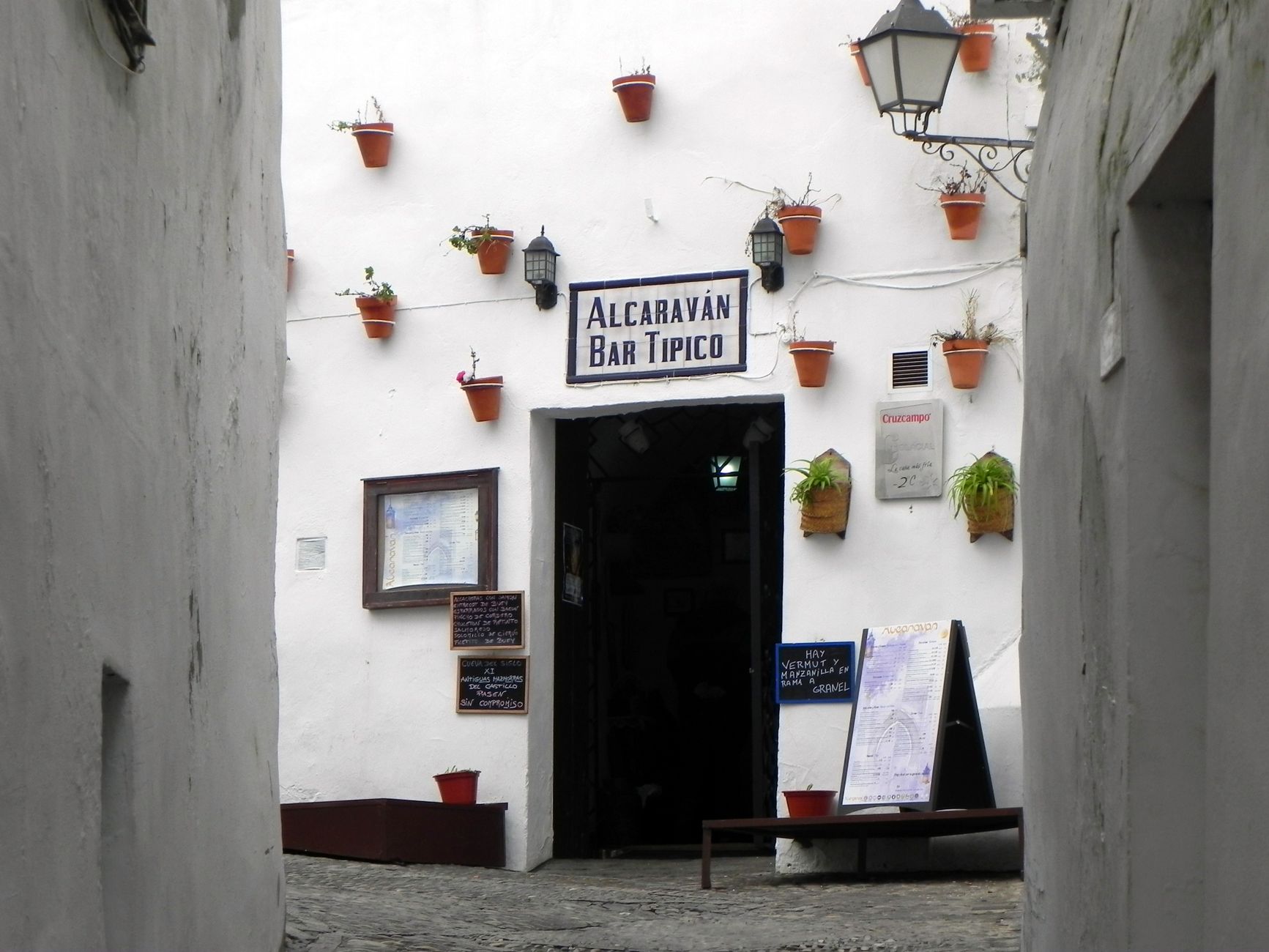
Bar Alcaraván
Head into the rock tunnel beneath the ramparts and ask for a glass of local Palomino alongside aged Payoyo cheese. No reservations needed.
Editor TipHollowed out of the cliffside calcarenite stone, these subterranean chambers served as medieval defensive posts before becoming neighbourhood wine cellars. Grab the table deepest in the rock vault where natural insulation keeps your glass cool during warm evenings.
Cellar Walk and Tintilla Tasting
Bodega Huerta de Albalá
Book the 11:00 tour online at least two days ahead. The twenty-euro visit covers the barrel room, vineyard rows, and three generous pours of red.
Editor TipThis estate proved that high-altitude albariza soils and deliberate night harvesting could yield serious Tintilla de Rota and Syrah in the scorching southern interior. Take the dirt access road in second gear; the summer ruts are uncharitable to low compact cars.
Note from the Editor
“Arcos wakes up late, but the tour buses reach Plaza del Cabildo by ten. Walk the upper alleys before the sun heats the sandstone, and you will have the church nave and the gorge view entirely to yourself.”
The Bed
Where to stay in Arcos de la Frontera
Which part of town to book, and what each one costs you in walking, noise or quiet.
The Comparison
Arcos de la Frontera, or somewhere near it
The places you are realistically choosing between, and the honest case for each.
The Local Record
Where to read more about Arcos de la Frontera
The blogs, boards, guides and operators worth bookmarking.
What to do in Arcos de la Frontera Andalusia Spain
Arcos is built along a jagged ridge, meaning daily life is structured around vertical climbs, stone lookouts, and quiet plazas. Mornings belong to market stalls and open church doors; afternoons demand shade and a slow lunch. It suits travellers who prefer good shoes over tour buses and appreciate an evening spent with a plate of Iberian ham, a dry sherry, and the Guadalete valley spread out below.
24 hours in Arcos de la Frontera Andalusia Spain
Start at Plaza del Cabildo by nine to beat the heat, taking in the drop from the mirador before visiting Santa María church. For lunch, get carrilada at Taberna Jóvenes Flamencos. Spend your afternoon wandering the shady alleys of Calle Cuna, ending with fried fish and cold beer at Bar San Pedro. Select 1 Day above to see it.
2 days in Arcos de la Frontera Andalusia Spain
A second day lets you descend into the valley. Walk down to the old Roman bridge and along the olive groves beneath the cliff face. In the afternoon, head out to Bodega Regantío for a red wine tasting, followed by a dinner of local venison stew at a countryside venta outside town. Choose 2 Days to expand the plan.
3 days in Arcos de la Frontera Andalusia Spain
With three days, venture into the Sierra de Grazalema Natural Park for limestone trails and artisan wool workshops in Grazalema village. Return to Arcos for sunset drinks above the gorge, buying convent almond biscuits from the nuns at Las Mercedarias before they shut the revolving hatch.
Arcos de la Frontera Andalusia Spain itineraries by interest
Hillside Taverns in Arcos de la Frontera Andalusia Spain
Squeeze into Taberna Jóvenes Flamencos along Calle Deán Espinosa for rabo de toro, fried artichokes, and dry amontillado poured straight from seasoned barrels.
Sacred Architecture in Arcos de la Frontera Andalusia Spain
Study the 15th-century plateresque facade and Mudéjar vaulting at Basílica de Santa María de la Asunción, then climb the bell tower for thirty-mile views.
Baking Traditions in Arcos de la Frontera Andalusia Spain
Knock on the wooden torno at Convento de las Mercedarias to buy bollo de Arcos, a dense spiced pastry perfumed with sesame, aniseed, and local almonds.
Scenic Viewpoints in Arcos de la Frontera Andalusia Spain
Lean against the low iron railing at Mirador de la Peña de Berlanga, hanging two hundred metres over the river plains where kestrels hunt on morning thermals.
Wine & Cellars in Arcos de la Frontera Andalusia Spain
Drive ten minutes east to taste mineral Tintilla de Rota and rich Syrah aged in oak at Bodega Regantío Viejo, set among chalky albariza vineyard soils.
Local Meat in Arcos de la Frontera Andalusia Spain
Order carnes a la brasa cooked over holm oak charcoal at rustic ventas along the A-382 road, featuring Iberian pork cutlets and game stewed in wild laurel.
Historic Quarters in Arcos de la Frontera Andalusia Spain
Wander the narrow lanes of the Barrio Alto, ducking under flying buttresses on Calle Cuesta de Belén where Moorish layout meets fourteenth-century stone arches.
Walking Routes in Arcos de la Frontera Andalusia Spain
Descend the steep path down to the Roman bridge along the Guadalete riverbank, looking back at the sandstone cliff towering above olive groves.
Fortresses & Castles in Arcos de la Frontera Andalusia Spain
Examine the rugged stone ramparts of the 11th-century Castillo de los Duques de Arcos, once a taifa stronghold guarding the frontier during the Reconquista.
Water Activities in Arcos de la Frontera Andalusia Spain
Rent a kayak at the Arcos Reservoir watersports club, paddling quiet freshwater bays beneath pine hills where local families gather to picnic on weekends.
Regional Produce in Arcos de la Frontera Andalusia Spain
Pick up Payoyo goat cheeses and cold-pressed extra virgin olive oil pressed from lechín olives at small family-run shops around Plaza Boticas.
Day Trips in Arcos de la Frontera Andalusia Spain
Drive thirty minutes east along the mountain road to Grazalema for high-altitude limestone hiking, dense pinsapo pine forests, and rustic mountain taverns.