

Located 90 minutes south of Seville by direct train, Cádiz sits hooked into the Atlantic on a limestone spit. It is known for ancient maritime trade and a frying tradition that treats dogfish and squid with precision. Cádiz is worth visiting if you want Atlantic seafood eaten standing up, breezy sea-wall walks, and an unhurried historic core. Look elsewhere if you want late-night mega-clubs, mountain scenery, or sprawling art museums.
Last updated 25 Sept 2026
Build a Cádiz itinerary.
Choose up to 4 threads that pull you in. Your plan arrives organised around them.
Wildcards
Worth your time whatever brought you here.
Wildcards
Worth your time whatever brought you here.
Morning Swim and Shoreline Walk
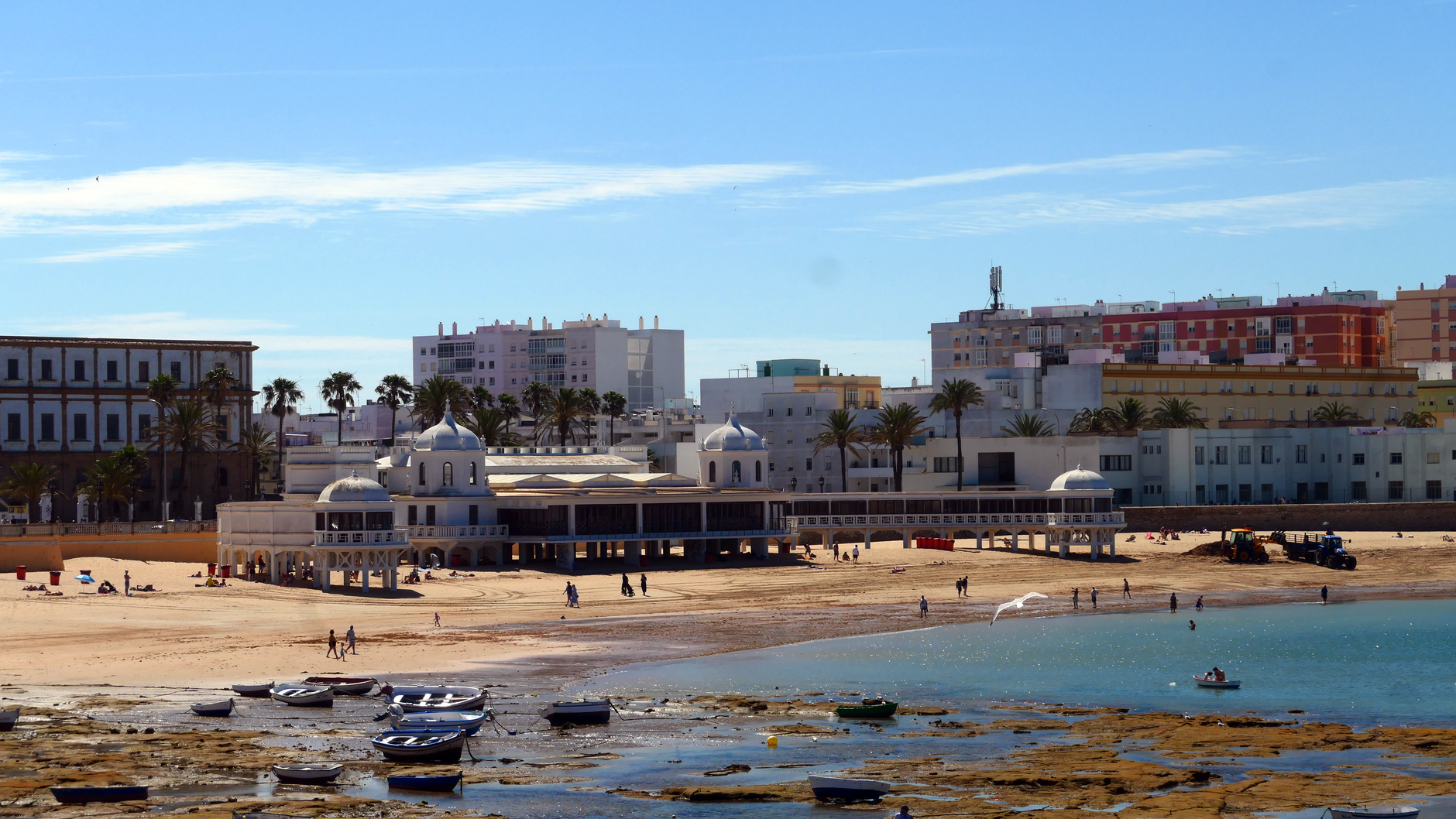
Playa de La Caleta
Step down to the damp sand by eight thirty when the tide is low. It costs nothing, requires no booking, and takes forty-five brisk minutes.
Editor TipThis sheltered cove served as the Phoenicians' natural Atlantic harbor, flanked by two stone fortresses and the whitewashed 1926 spa pavilion. Use the central ramp by the bathhouse to spare your sandals from the coarser shingle near the north wall.
Atlantic Ramparts and Sea Bastions
Castillo de Santa Catalina
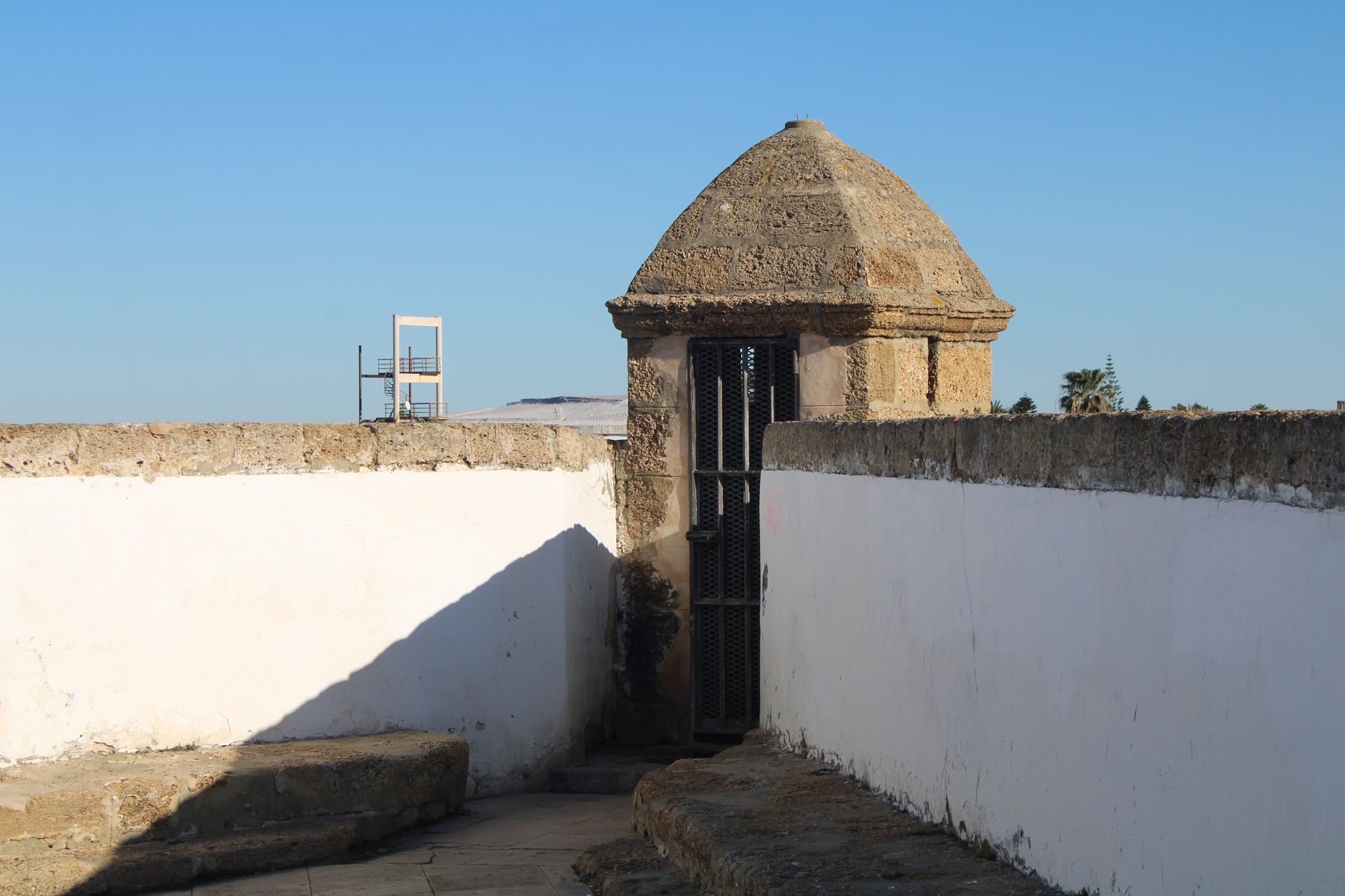
Admission is free. Walk through the main gate, take the high seawall path, and spend forty-five minutes inspecting the ocean defenses.
Editor TipCommissioned in 1598 following English naval raids, this star-shaped fortress guarded the city's northern beach against Atlantic invasion for centuries. Head to the westernmost watchtower for an uninterrupted view across the reef back toward the old quarter.
Crispy Tortillitas by La Viña
Restaurante El Faro de Cádiz
Stand at the front bar for lace-thin shrimp fritters and chilled Manzanilla sherry. No reservations for tapas; arrive right at opening and spend around twenty euros.
Editor TipFishermen in the adjacent La Viña quarter developed tortillitas de camarones to stretch tiny Atlantic prawns into crisp, golden fritters with chickpea flour and sea salt. Eat them burning hot right off the paper. Once they cool, the delicate crispness turns greasy.
Midmorning Cazón by the Waves
Chiringuito Tirabuzon
Grab an outside wooden stool overlooking Santa Maria del Mar beach. Order fried cazón en adobo and a cold caña for around eight euros; no reservations needed before midday.
Editor TipDogfish marinated in oregano, garlic, cumin, and sherry vinegar was developed by coastal fry cooks to preserve catches before refrigeration, yielding tender flesh under a shattering crust. Squeeze the lemon on the fried dogfish immediately so the hot steam releases the oregano aroma.
Grilled Mackerel with Piriñaca
Taberna El Tío de la Tiza
Walk in for lunch around 2:30 PM in Plaza del Tío de la Tiza. Order the caballa con piriñaca and fried puntillitas with a cold draft Cruzcampo; plates run around 8 to 14 euros.
Editor TipBarrio de la Viña was built by fishermen who dried their nets here. Mackerel grilled over charcoal and dressed with raw onion and tomato remains the neighbourhood summer staple. Tables fill fast with local families; arrive right at opening or prepare to nurse a sherry at the barrel.
Sandspit Walk to the Lighthouse
Faro de Trafalgar
Park at the wooden boardwalk terminus in Los Caños de Meca and walk the twenty-minute sandy spit to the 1860 beacon. Free access year-round; allow an hour before the mid-morning heat builds.
Editor TipOff this windswept tombolo in 1805, the British broke the Franco-Spanish fleet, though the shore itself remains wonderfully elemental, shaped by relentless Atlantic breakers and shifting dunes. Wear shoes that tolerate loose sand; the boardwalk ends well before the lighthouse base, and the wind whips hard.
Ancient Shoreline Fish-Salting Factories
Conjunto Arqueológico de Baelo Claudia
Enter the visitor centre beside Bolonia beach; admission is free for EU citizens and 1.50 euros otherwise. Plan ninety minutes to wander the paved decumanus and the beachfront garum tanks.
Editor TipSecond-century Roman Baelo Claudia grew prosperous by processing bluefin tuna caught in almadraba nets into garum paste, taking advantage of the natural harbour and direct trade lines across the sea. Bring a hat with a chin strap; the Levante gale funnels between the Roman columns and can lift loose items in seconds.
Almadraba Bluefin Tasting
Restaurante Antonio
Reserve a sea-facing terrace table days ahead. Expect forty to sixty euros per person for cuts like ventresca and descargamento paired with chilled Manzanilla.
Editor TipLocal almadraba netting dates to Phoenician times, using seasonal Atlantic labyrinth traps to catch migrating bluefin tuna with remarkable precision and minimal waste. Order the tuna tartare and grilled belly cut rather than the cooked stews to taste the clean fat properly.
Note from the Editor
“The Atlantic wind dictates your morning here. Get down to the shore before ten to have the sands to yourself, well before the sunshades sprout and the family coolers rattle across the promenade.”
Routes Through Cádiz
Trips readers have saved that pass through here — the well-worn ones first.
Browse all tripsThe Bed
Where to stay in Cádiz
Which part of town to book, and what each one costs you in walking, noise or quiet.
The Comparison
Cádiz, or somewhere near it
The places you are realistically choosing between, and the honest case for each.
The Local Record
Where to read more about Cádiz
The blogs, boards, guides and operators worth bookmarking.
What to do in Cádiz Andalusia Spain
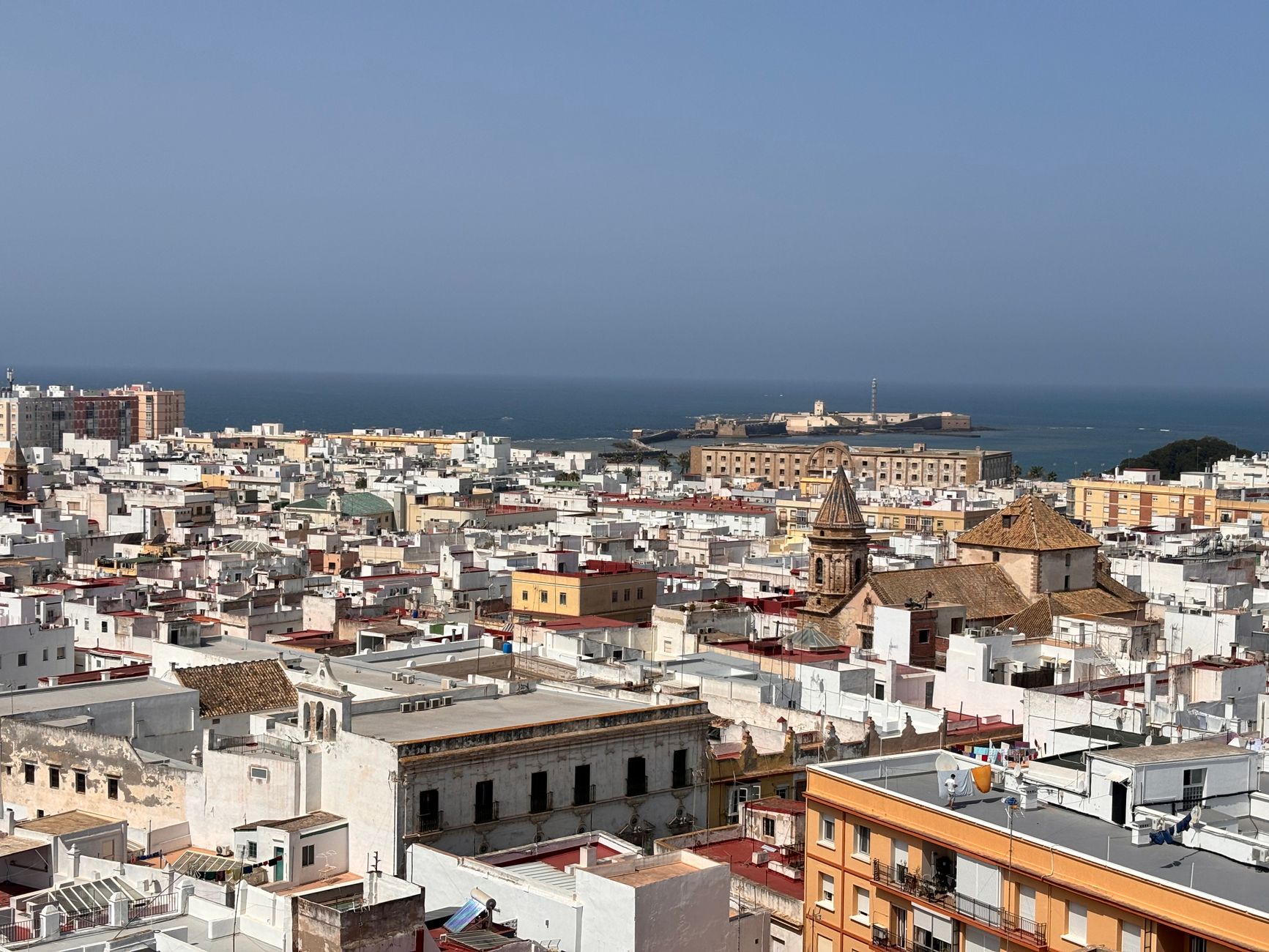
Built on a narrow Atlantic promontory, Cádiz is an intensely walkable city ringed by stone ramparts. Days here move to the rhythm of the tides and the market bells, trading grand monument-hopping for plates of fried fish in sunlit plazas and quiet strolls along the seawall. It suits independent travellers who enjoy slow afternoons, crisp dry sherry, and maritime air without tourist pageantry.
24 hours in Cádiz Andalusia Spain
Start early at the Mercado Central for coffee and churros before examining Phoenician ruins at Gadir. Head to La Viña for a lunch of crisp tortillitas de camarones, climb Torre Tavira for the rooftop views, and finish with a sunset walk along Playa de La Caleta. The entire old town is reachable on foot within twenty minutes. Select 1 Day above to see it.
2 days in Cádiz Andalusia Spain
Use your second day to explore the medieval alleys of El Pópulo and the Roman Theatre. Walk the seawall gardens of Alameda de Apodaca toward Castillo de Santa Catalina, then spend a lazy afternoon sampling slow-braised cuttlefish and Chiclana wines in Plaza de San Antonio, away from the midday heat. Choose 2 Days to expand the plan.
3 days in Cádiz Andalusia Spain
A third day allows an easy ferry hop across the bay to El Puerto de Santa María for sherry bodega tours, or a morning bus south to the windy cliffs of Vejer de la Frontera. Alternatively, linger along Playa de la Victoria to watch fishermen mend their nets over an unhurried seaside lunch of grilled seabass.
Cádiz Andalusia Spain itineraries by interest
Local Seafood in Cádiz Andalusia Spain
Order cazón en adobo, tortillitas de camarones, and boiled prawns at fried-fish bars in the working-class La Viña quarter.
Markets & Produce in Cádiz Andalusia Spain
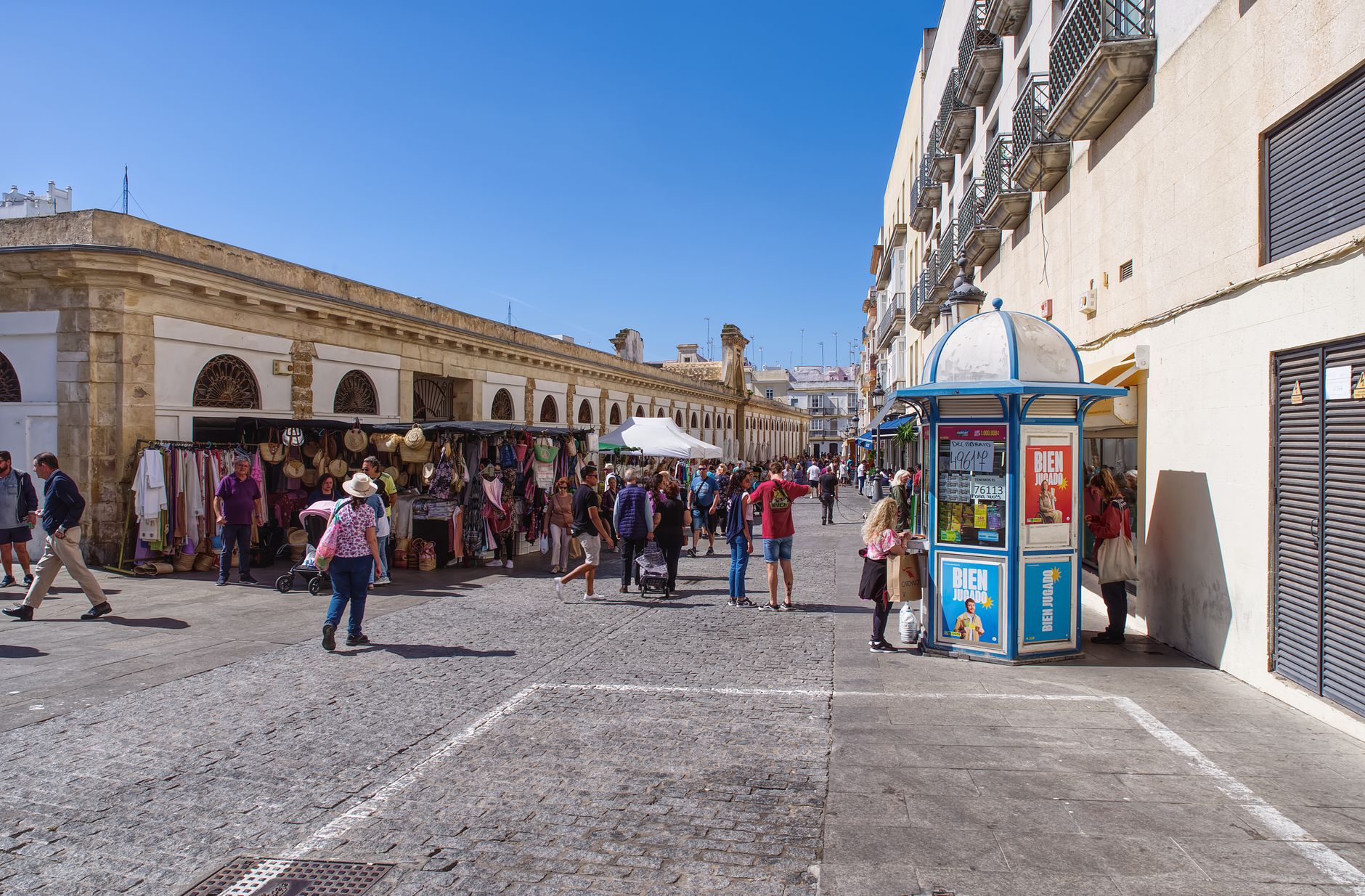
Browse Mercado Central for red tuna loin, Chiclana vegetables, and sea urchins, best eaten standing at the outer tapas counters.
Coastal Walks in Cádiz Andalusia Spain
Follow the stone sea walls from Alameda de Apodaca past Santa Catalina castle down to the tidal causeway of San Sebastián.
Maritime History in Cádiz Andalusia Spain
Trace three millennia of port trade from Phoenician Gadir ruins beneath the puppet theatre to the eighteenth-century watchtowers.
Sacred Architecture in Cádiz Andalusia Spain
Climb the ramp of the golden-domed Cathedral for panoramic sea views, then visit the crypt holding composer Manuel de Falla.
Wine Traditions in Cádiz Andalusia Spain
Sip bone-dry Manzanilla from Sanlúcar or salty Fino from El Puerto de Santa María alongside olives in shaded neighbourhood plazas.
Street Food in Cádiz Andalusia Spain
Grab paper cones of crisp chicharrones especiales and fried puntillitas from fry-shops near Plaza de las Flores.
Urban Beaches in Cádiz Andalusia Spain
Swim the calm Atlantic waters at horseshoe-shaped Playa de La Caleta or walk the miles of open sand along Playa de la Victoria.
Ancient Ruins in Cádiz Andalusia Spain
Walk the excavated stone tiers of the first-century BC Roman Theatre tucked directly beneath the medieval El Pópulo district.
Scenic Towers in Cádiz Andalusia Spain
Ascend Torre Tavira to view the white rooftop cityscape through its eighteenth-century camera obscura projection room.
Day Trips in Cádiz Andalusia Spain
Ride the commuter catamaran across the bay to El Puerto de Santa María for sherry bodegas and grilled Atlantic mackerel.
Flamenco Heritage in Cádiz Andalusia Spain
Listen to raw alegrías and soleá rhythms in intimate peñas across Barrio Santa María, one of the historic cradles of the art.