

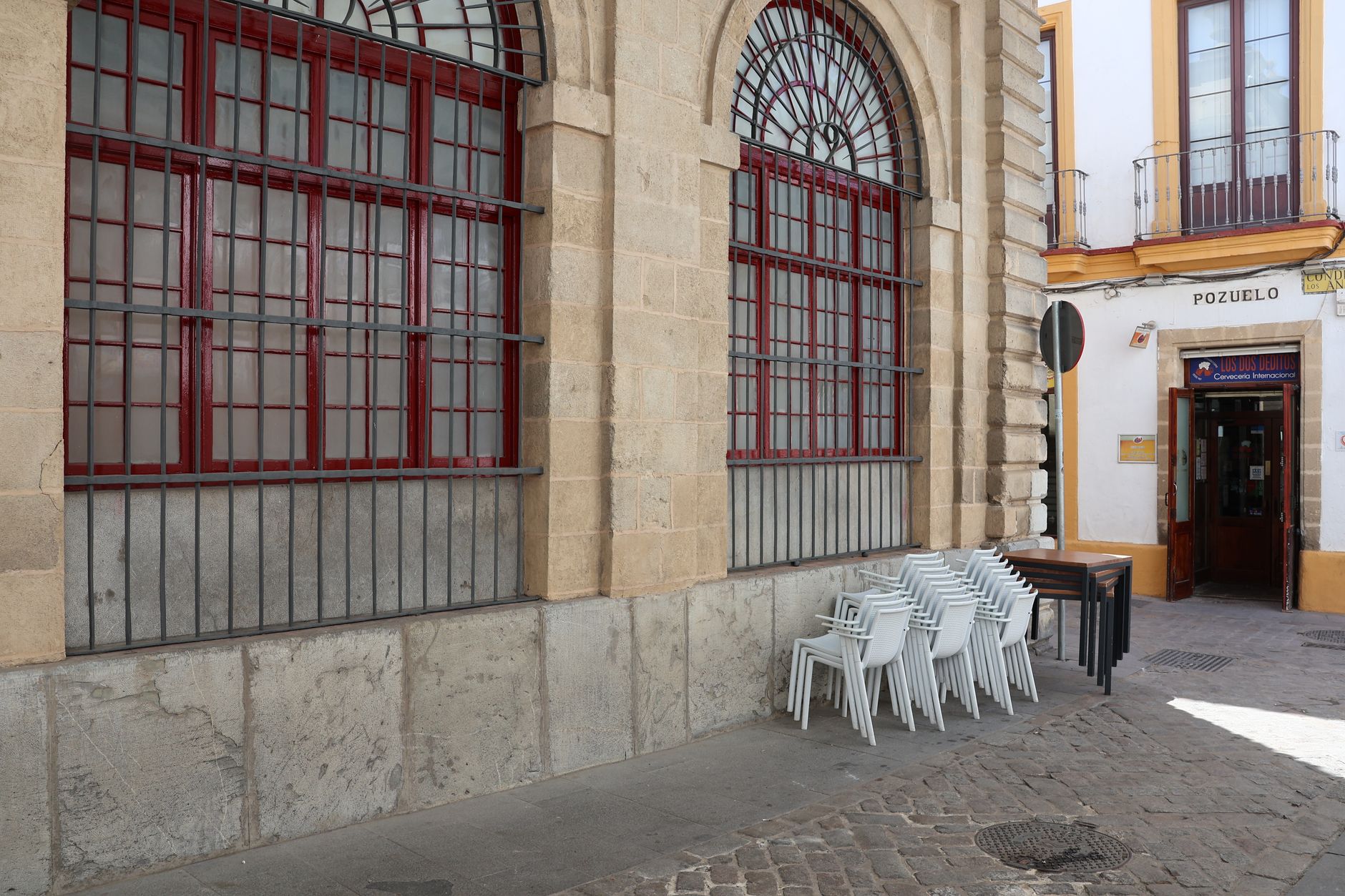
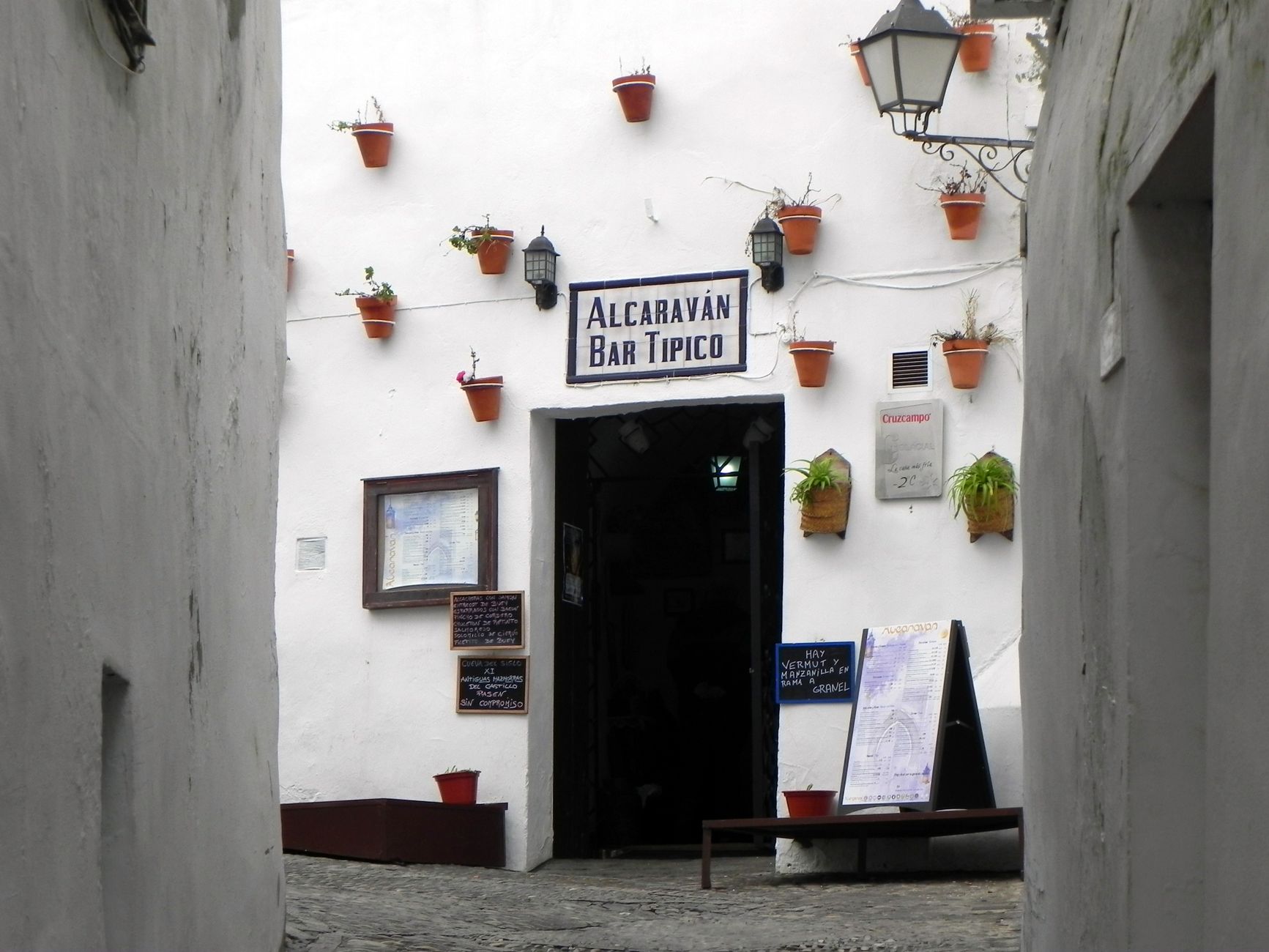
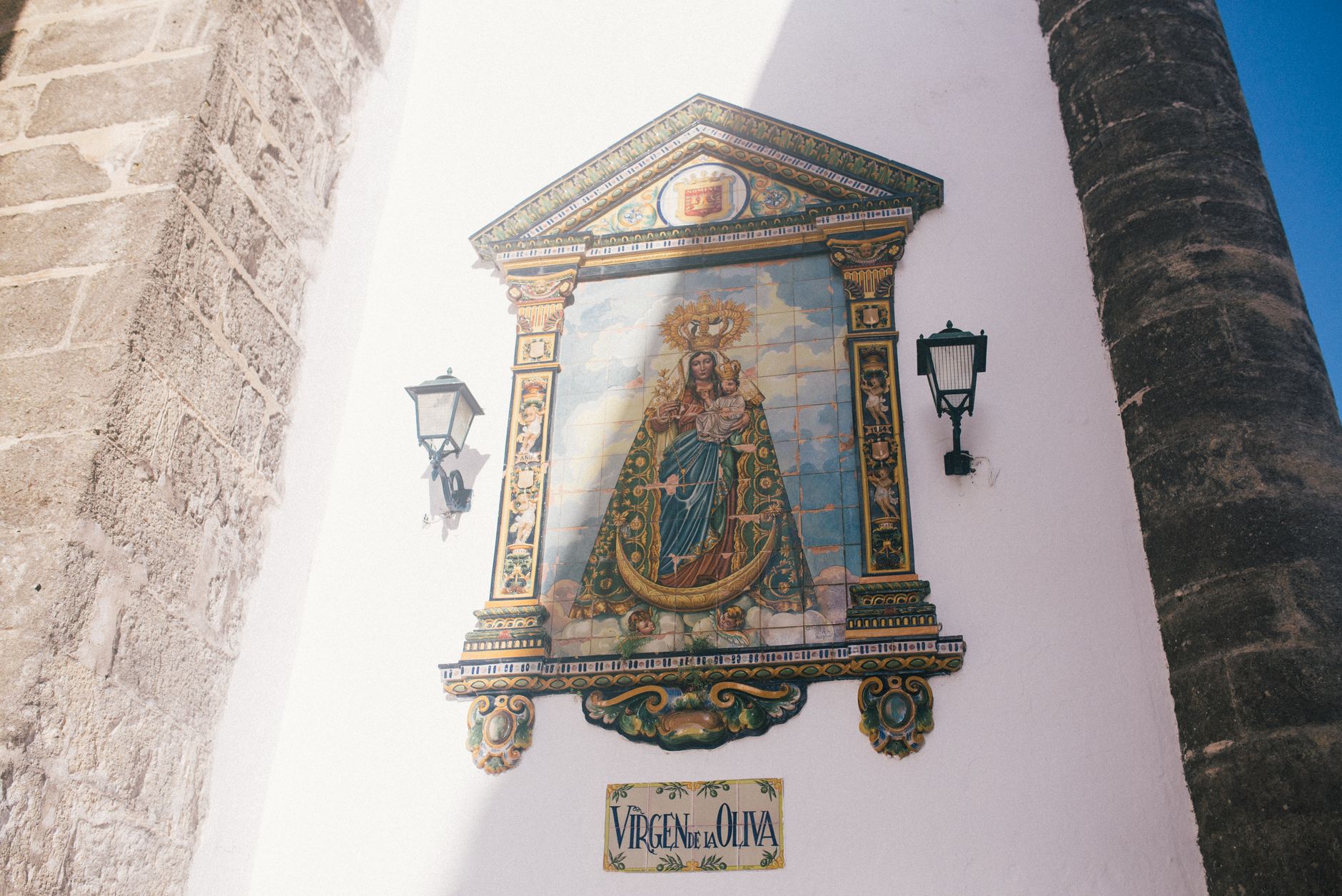

You smell Jerez before you map it: damp oak, fermenting Palomino must, and the faint tang of yeast drifting over high whitewashed walls. Set amid the rolling albariza chalk hills of Cádiz province, this is a working town with grand eleventh-century Moorish ramparts, grand cathedral stone, and dusty neighborhood tabancos where patrons sip pale fino straight from the barrel while listening to spontaneous bulerías.
Last updated 22 Aug 2026
Build a Jerez de la Frontera itinerary.
Choose up to 4 threads that pull you in. Your plan arrives organised around them.
We'll craft a 3-lens plan for Jerez de la Frontera, one collapsible strand per lens.
Markets & Produce
Browse the Mercado Central de Abastos for Atlantic sea bream, red prawns from Sanlúcar, salted mojama, and seasonal tagarninas gathered from nearby pasture lands.
Markets & Produce
Browse the Mercado Central de Abastos for Atlantic sea bream, red prawns from Sanlúcar, salted mojama, and seasonal tagarninas gathered from nearby pasture lands.
Breakfast Among Market Stalls
Mercado Central de Abastos
Order churros and thick chocolate from the perimeter kiosks, then wander the central nave. Allow forty-five minutes. Free entry; breakfast under five euros.
Editor TipBuilt in 1885 over an old convent, this neoclassical market receives Atlantic catch daily from nearby Sanlúcar and Barbate, anchoring Andalusian home cooking. Eat your churros standing at the zinc counter; sitting down only slows you down.
Sherry Straight from the Cask
Tabanco El Pasaje
Order a glass of dry oloroso and paper-wrapped slices of payoyo cheese and chicharrones at the wooden counter. Expect standing room only and cash payments under ten euros.
Editor TipTabancos emerged in the seventeenth century as informal taverns selling fortified wines drawn directly from storage butts, doubling as social anchors for neighbourhood workers. Arrive right at opening to claim a spot near the chalk tab board before the room packs shoulder to shoulder.
Berza Jerezana and Cask Sherry
Tabanco Las Banderillas
Order the berza jerezana and a glass of amontillado at the zinc bar. No reservations; arrive by 14:30 before the neighbourhood crowd fills every inch. Budget fifteen euros.
Editor TipTabancos evolved as working-class dispensaries where sherry was poured straight from the butt, paired with peasant stews packed with chickpeas, lard, and local morcilla. Lean against the wood barrel rather than hovering for a table; service moves twice as fast when you stand.
Coastal Market Catch Inspection
Mercado de Abastos de Sanlúcar
Walk the central fish stalls right as the morning crates land. Grab a paper cone of fried chocos from Bar Muñeco inside; no reservation needed, pay cash at the zinc counter.
Editor TipSanlúcar's market sits where the Guadalquivir river meets the Atlantic, yielding the region's prized langostinos and cuttlefish, traded here under the old municipal arches since the eighteenth century. Arrive before nine to watch restaurant cooks haggle for the best red prawns before stalls strip down.
Sanlúcar Langostinos and Manzanilla
Casa Bigote
Book the tavern bar for walk-ins or reserve upstairs weeks ahead. Order the boiled langostinos and a cold copita of Manzanilla Pasada. Allow two hours.
Editor TipSanlúcar's maritime humidity sustains the flor yeast unique to Manzanilla aging, while estuary trawlers harvest striped prawns where the Guadalquivir river meets ocean tide. Skip the formal dining room upstairs. The marble bar downstairs serves the exact same prawns with none of the stiffness.
Equestrian Arts
Watch purebred Cartujano horses dance at the Real Escuela Andaluza del Arte Ecuestre on Avenida Duque de Abrantes, an institution perfecting dressage since 1973.
Equestrian Arts
Watch purebred Cartujano horses dance at the Real Escuela Andaluza del Arte Ecuestre on Avenida Duque de Abrantes, an institution perfecting dressage since 1973.
Classical Andalusian Horsemanship
Real Escuela Andaluza del Arte Ecuestre
Book the morning training session online to watch riders school purebred Spanish horses in the indoor arena. Plan two hours; tickets cost around twelve euros.
Editor TipFounded in 1973 by Álvaro Domecq, the academy preserves 18th-century equestrian dressage rooted in local Carthusian breeding and royal tradition. Pick a seat on the north side of the arena out of the morning sun glare.
Carthusian Bloodline Stud Inspection
Yeguada de la Cartuja - Hierro del Bocado
Book Saturday morning entrance online in advance for the guided stables and paddock walk. Tours start promptly at eleven; wear flat walking shoes for gravel paths and dirt arenas.
Editor TipIn the fifteenth century, Carthusian monks at the nearby monastery bred and shielded this pure lineage of Andalusian horses from crossbreeding, creating the world standard for classical equestrian dressage. Stand near the outdoor paddock fences right after the arena drills to watch the broodmares roam freely.
Flamenco Heritage
Hear raw cante jondo and fast bulerías in the gritty Santiago and San Miguel quarters, where peñas flamencas host unamplified performances late into the night.
Flamenco Heritage
Hear raw cante jondo and fast bulerías in the gritty Santiago and San Miguel quarters, where peñas flamencas host unamplified performances late into the night.
Pure Bulerías in San Miguel
Peña Flamenca Los Cernícalos
Check their schedule online and arrive twenty minutes before the performance. Entry runs around ten euros, with drinks poured directly behind the modest club bar.
Editor TipFounded in 1969, this cultural society preserves the raw, unamplified cante jondo and fast twelve-beat bulerías rhythms native to the working-class gitano dynasties of Jerez. Sit within two rows of the platform; the acoustic resonance of the floorboards changes the entire listening experience.
Flamenco History in Santiago
Centro Andaluz de Documentación del Flamenco
Wander into the eighteenth-century Palacio de Pemartín to study historic recordings and costumes. Admission is free; spend an hour browsing before strolling the surrounding quarter.
Editor TipBarrio de Santiago is the historic cradle of bulerías and gypsy flamenco lineage, where rhythmic footwork was passed down through courtyard gatherings rather than formal academies. Step into the leafy central courtyard for a quiet rest; it is the coolest spot in the neighbourhood by midday.
Back-Room Sherry and Mojama
Taberna der Guerrita
Arrive at eight-thirty. Squeeze into the front bar for unfortified Palomino poured straight from en rama bottles, paired with shaved mojama and Payoyo cheese.
Editor TipFounded in 1978, this tavern serves as an informal clubhouse for cellar masters, where discussions of barrel aging and local flamenco lineage happen over chalked slate tabs. Ask for whatever unlabelled bottle they opened that afternoon. It usually costs a few euros and outshines vintage reserves.
Note from the Editor
“Get to the market floor before nine while the fishmongers are still shouting over crushed ice, then walk briskly north to beat the tour buses at the riding school.”
Routes Through Jerez de la Frontera
Trips readers have saved that pass through here — the well-worn ones first.
Browse all tripsThe Bed
Where to stay in Jerez de la Frontera
Which part of town to book, and what each one costs you in walking, noise or quiet.
The Comparison
Jerez de la Frontera, or somewhere near it
The places you are realistically choosing between, and the honest case for each.
The Local Record
Where to read more about Jerez de la Frontera
The blogs, boards, guides and operators worth bookmarking.
What to do in Jerez de la Frontera Andalusia Spain
Life in Jerez moves to the quiet rhythm of the solera barrels and the midday market rush. The compact historic core blends grand eighteenth-century mansions with gritty flamenco quarters, easily explored on foot without complex itineraries. Mornings belong to architectural walks and bodega tours, afternoons slow down during siesta, and evenings erupt in noisy tabancos. It rewards travellers who value regional culinary traditions and unvarnished southern Spanish life.
24 hours in Jerez de la Frontera Andalusia Spain
Start early at the Mercado Central de Abastos with a toasted mollete, then walk five minutes to tour the solera rows at Bodegas Lustau. After noon, explore the Alcázar ramparts before ordering pork cheeks in oloroso at Tabanco El Pasaje, where live bulerías kick off around two. Spend your evening hopping tapas counters along Calle Consistorio. Select 1 Day above to see it.
2 days in Jerez de la Frontera Andalusia Spain
Dedicate your morning to the Santiago quarter, visiting the Gothic Church of Santiago and local bakeries for tortas de aceite. Watch the mid-morning dressage training at the Royal Andalusian School of Equestrian Art, then spend the evening tasting aged Palo Cortado and paying your respects to dry amontillado over plates of payoyo cheese in San Miguel. Choose 2 Days to expand the plan.
3 days in Jerez de la Frontera Andalusia Spain
Use day three for coastal explorations in the Sherry Triangle. Ride the local train to Cádiz for dogfish adobo at Plaza de las Flores, or head west to Sanlúcar de Barrameda for fresh king prawns paired with salty manzanilla along the beach. Return to Jerez by dusk for a final quiet glass of Pedro Ximénez in Plaza del Caballo.
Jerez de la Frontera Andalusia Spain itineraries by interest
Fortified Wine in Jerez de la Frontera Andalusia Spain
Tour century-old bodegas like Lustau or Tradición to taste crisp fino, saline manzanilla, and nutty oloroso drawn directly from solera barrels aged under flor yeast.
Flamenco Heritage in Jerez de la Frontera Andalusia Spain
Hear raw cante jondo and fast bulerías in the gritty Santiago and San Miguel quarters, where peñas flamencas host unamplified performances late into the night.
Equestrian Arts in Jerez de la Frontera Andalusia Spain
Watch purebred Cartujano horses dance at the Real Escuela Andaluza del Arte Ecuestre on Avenida Duque de Abrantes, an institution perfecting dressage since 1973.
Neighborhood Taverns in Jerez de la Frontera Andalusia Spain
Stand at rough wooden counters in old tabancos like El Pasaje or Las Banderillas, eating chicharrón especial and cured sheep cheese with a copita of chilled amontillado.
Markets & Produce in Jerez de la Frontera Andalusia Spain
Browse the Mercado Central de Abastos for Atlantic sea bream, red prawns from Sanlúcar, salted mojama, and seasonal tagarninas gathered from nearby pasture lands.
Moorish Fortifications in Jerez de la Frontera Andalusia Spain
Walk the eleventh-century Alcázar fortress, inspecting the preserved Almohad mosque, horseshoe arches, tranquil olive gardens, and the dark-chamber camera obscura.
Sacred Architecture in Jerez de la Frontera Andalusia Spain
Visit the baroque and neoclassical Colegiata Cathedral on Plaza de la Encarnación, or step into the Gothic nave of the fourteenth-century Church of San Dionisio.
Regional Stews in Jerez de la Frontera Andalusia Spain
Order riñones al jerez, pork cheeks braised in oloroso, or berza jerezana, a slow-simmered winter stew of chickpeas, chard, black pudding, and cured pork belly.
Plazas & Cafes in Jerez de la Frontera Andalusia Spain
Take an outdoor seat on Plaza del Arenal or under the jacaranda trees of Plaza de la Asunción for morning café con leche and warm molletes rubbed with garlic and tomato.
Old Quarter Walks in Jerez de la Frontera Andalusia Spain
Navigate the cobbled labyrinth of San Mateo, passing whitewashed facades, iron rejas, and quiet courtyards scented with orange blossom and aging wine casks.
Palace Mansions in Jerez de la Frontera Andalusia Spain
Tour the Palacio del Virrey Laserna to see neoclassical salons and family heirlooms, reflecting centuries of local aristocracy and wine-trading fortunes.
Day Trips in Jerez de la Frontera Andalusia Spain
Take a twenty-minute train ride to Cádiz for fried fish by the sea, or drive west to Sanlúcar de Barrameda to eat langostinos by the Guadalquivir river mouth.