.jpg)


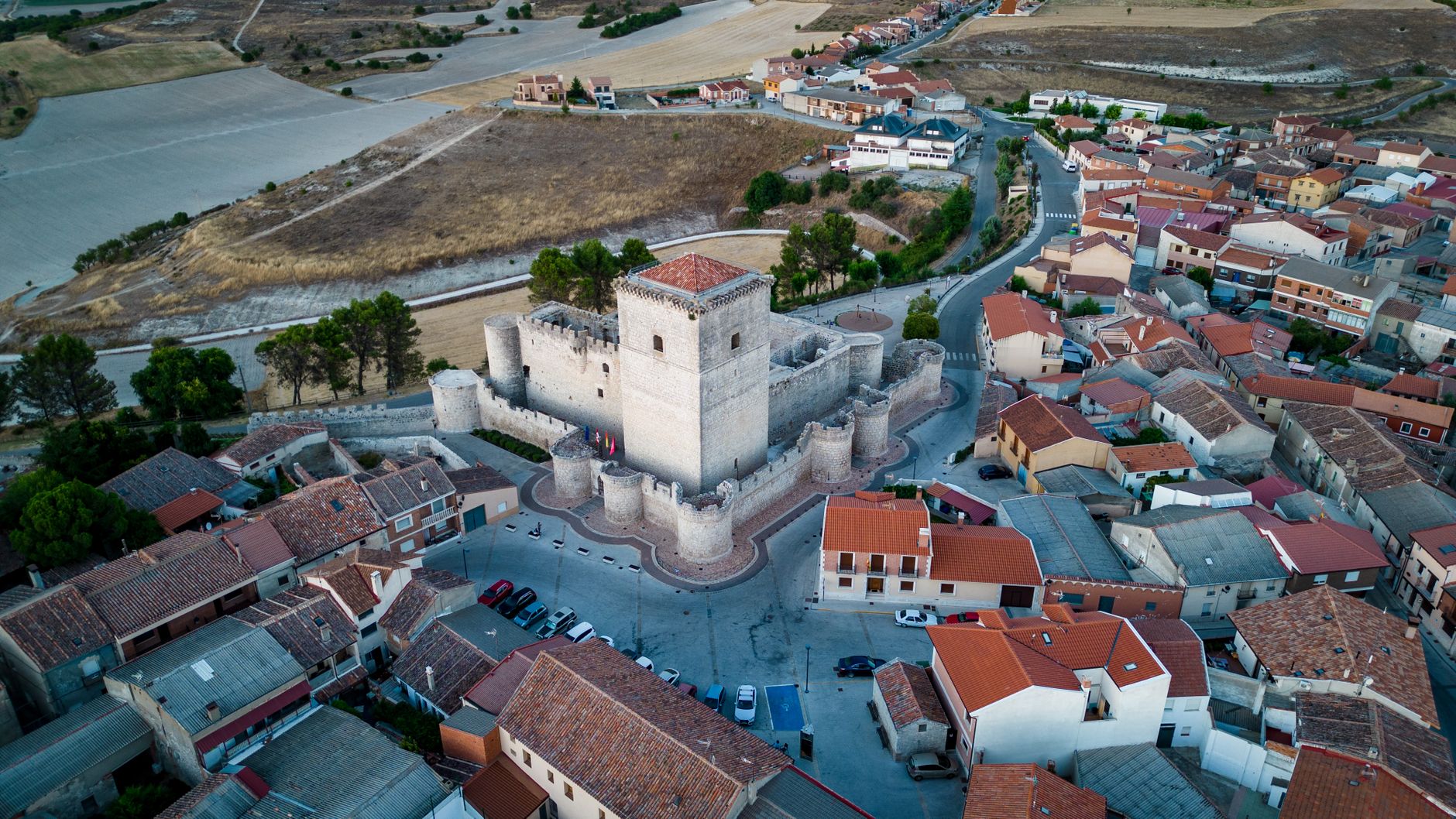
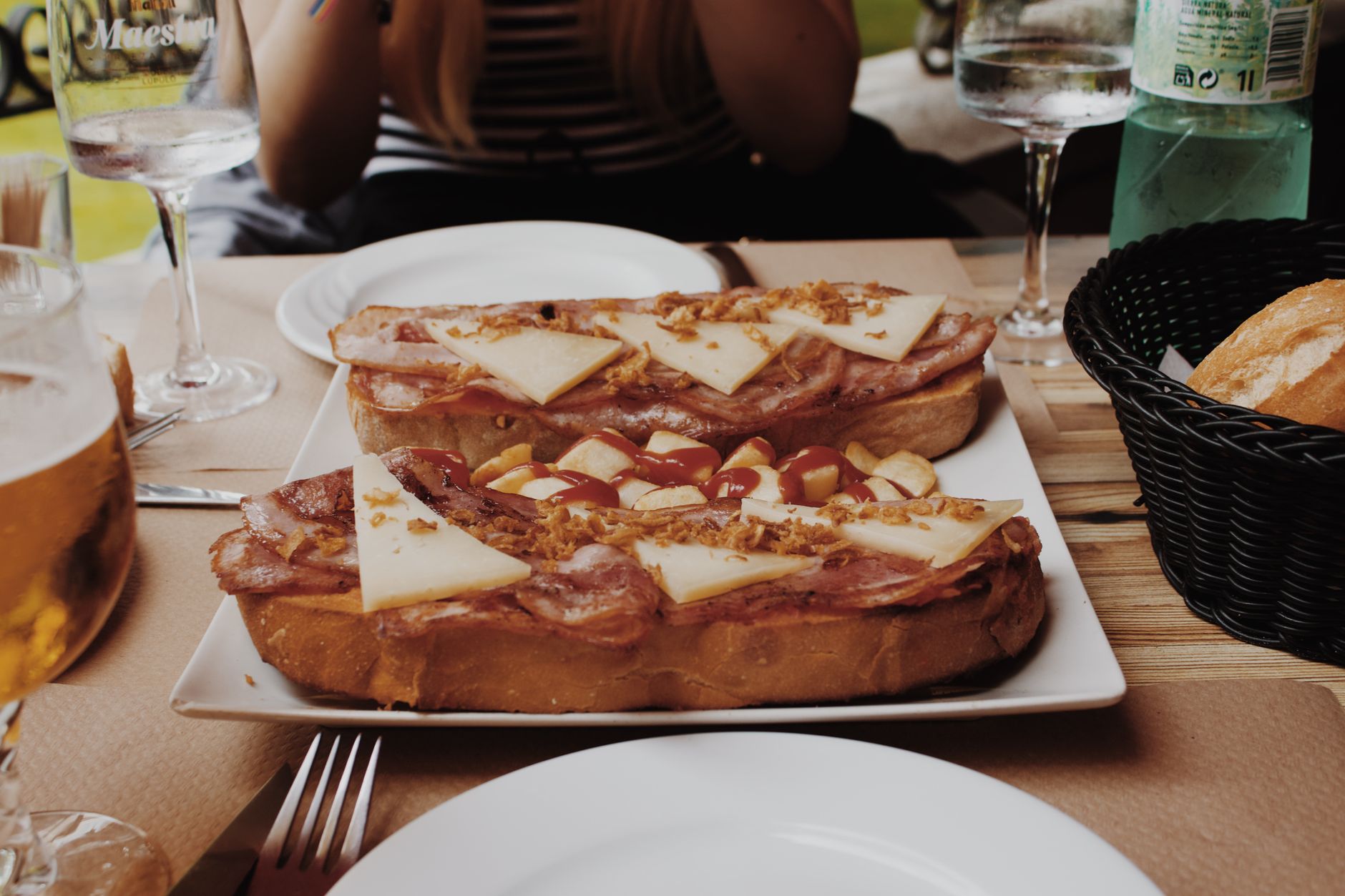
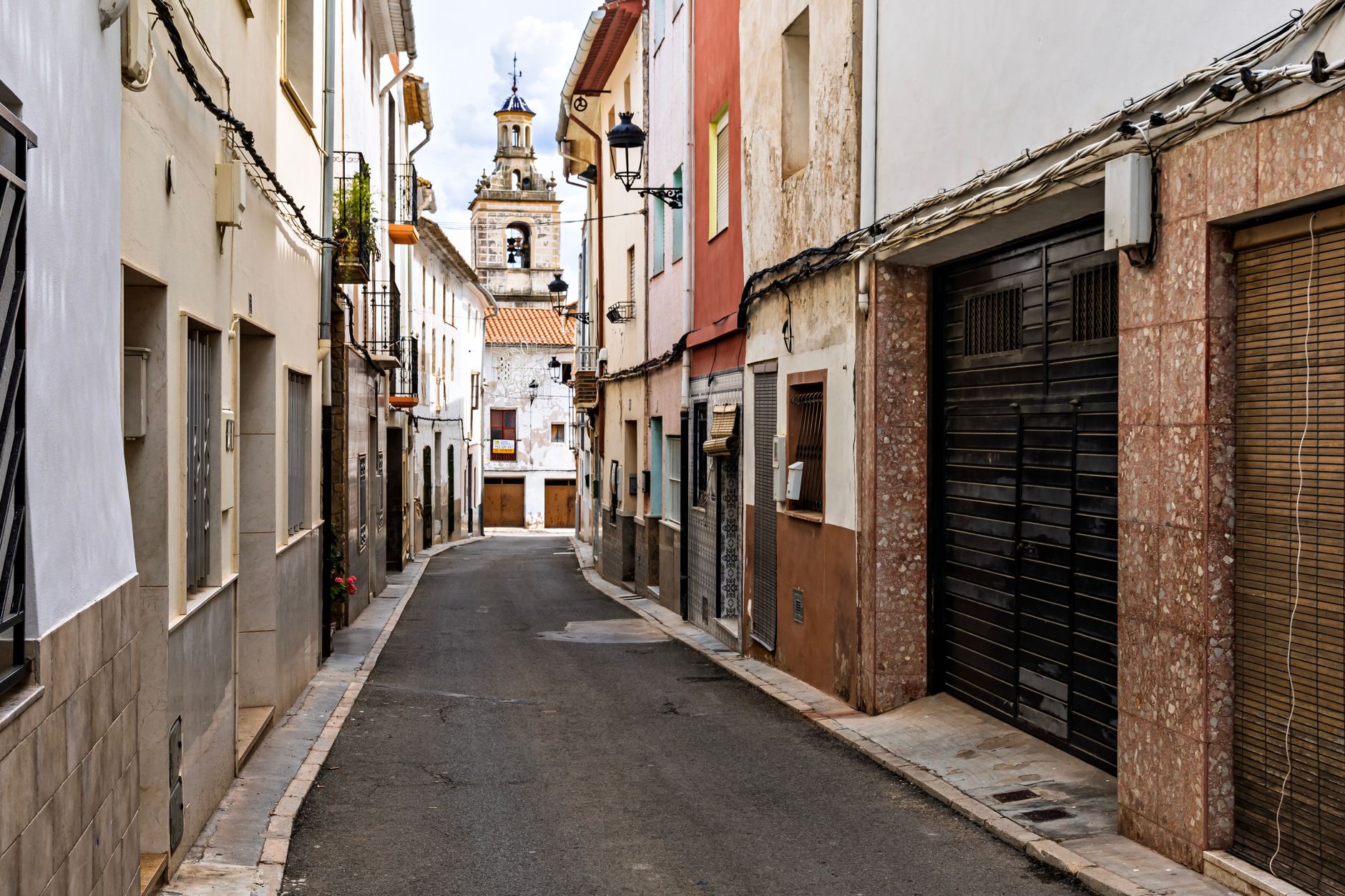
Baeza sits high above a sea of olive groves in Jaén province, quiet and composed under the southern sun. Walk through the Plaza del Pópulo and the scent of bitter orange and crushed Picual olives hits you immediately. It is an unhurried town built from warm sixteenth-century sandstone, famous for its grand Renaissance palaces, Antonio Machado’s old classroom, and generous free tapas served with cold cañas.
Last updated 22 Aug 2026
Build a Baeza itinerary.
Choose up to 4 threads that pull you in. Your plan arrives organised around them.
We'll craft a 3-lens plan for Baeza, one collapsible strand per lens.
Olive Oil
Taste pungent, early-harvest Picual extra virgin olive oils at local cooperatives, paired with fresh crusty pan de aceite and sea salt across the town squares.
Olive Oil
Taste pungent, early-harvest Picual extra virgin olive oils at local cooperatives, paired with fresh crusty pan de aceite and sea salt across the town squares.
Morning Picual Toast Ritual
Cafetería El Mercantil
Order a media tostada with crushed tomato and local Picual oil at the zinc counter. It costs under three euros and takes twenty minutes before the street bustle begins.
Editor TipJaén province produces a massive share of the world's olive oil, and Baeza treats the peppery, grassy kick of cold-pressed Picual as everyday fuel rather than a precious delicacy. Drizzle the green oil first, then the salt and tomato. The barman will judge your technique with quiet precision.
Evening Picual Tapas
Taberna El Pájaro
Walk in around half past eight and claim a barrel. Order a caña or local red and pair it with ochíos smeared with paprika and early-harvest Picual oil, followed by lomo de orza.
Editor TipJaén produces the world's largest volume of olive oil, and the peppery, robust Picual variety forms the foundation of every traditional Baeza recipe, preserving cured meats and seasoning breads. Standing at the bar gets you prompt service and the generous house tapa that arrives with every drink order.
Breakfast Toast and Picual Oil
Cafetería Central
Walk up to the counter, order a mollete with crushed tomato and early-harvest Picual, and pay around three euros. No booking needed; grab a sidewalk table under the arcade.
Editor TipJaén province yields a fifth of the world's olive oil, and the peppery, herbaceous bite of raw Picual over warm toasted crumb defines the standard daily breakfast across the town. Drizzle the oil until the bread cannot hold another drop; treating it like butter is a local solecism.
Picual-Braised Artichokes
Restaurante Juanito
Book an evening table online or arrive at 8:30 PM. Expect forty euros for dinner. The braised artichokes in virgin Picual olive oil are unmissable.
Editor TipOpened in the 1950s, this family kitchen resurrected Renaissance olive oil cooking techniques, proving that proper low-temperature poaching honors the olive groves of Jaén. Keep a thick slice of crusty pan de pueblo handy to soak up every drop of grassy oil from the earthenware dish.
Picual Olive Oil Tasting
Museo de la Cultura del Olivo
Drive ten minutes south to this seventeenth-century estate. Tour the stone press and historic cellar, then sample peppery early-harvest Picual with crusty pan de pueblo.
Editor TipJaén province produces twenty percent of the world's olive oil. The robust Picual variety thrives in these clay soils, defined by intense notes of tomato vine and freshly cut grass. Book the 9:00 AM slot online to have the underground stone oil cistern entirely to yourself.
Sacred Architecture
Step inside the Cathedral of the Nativity to examine Andrés de Vandelvira's stone vaults, sixteenth-century choir stalls, and the hammered silver monstrance.
Sacred Architecture
Step inside the Cathedral of the Nativity to examine Andrés de Vandelvira's stone vaults, sixteenth-century choir stalls, and the hammered silver monstrance.
Renaissance Stone Pilgrimage
Catedral de la Natividad de Nuestra Señora de Baeza
Buy your six-euro entry ticket at the portal to see Andrés de Vandelvira's Renaissance masterpiece. Budget forty-five minutes to wander the quiet Gothic cloister and nave.
Editor TipErected over a former mosque, this sixteenth-century cathedral anchored the cultural revival of northern Andalusia, translating Italian classical balance into golden Iberian ashlar stone. Climb the bell tower for a panoramic look across millions of orderly olive trees rolling toward the Guadalquivir valley.
Renaissance Cathedral Interior
Catedral de Baeza
Buy the six-euro ticket at the door. Give yourself forty-five minutes to see Gil de Hontañón's nave and the sixteenth-century silver monstrance without rushing.
Editor TipBuilt over a former mosque, this golden sandstone cathedral anchors Baeza's UNESCO standing and showcases the quiet geometric precision of master architect Andrés de Vandelvira. Duck into the cloister when the afternoon heat peaks; the shaded stone bays stay pleasantly cool.
Exploring Romanesque Stone Vaults
Iglesia de Santa Cruz
Enter the sandstone portal freely between 10:30 and 13:00. Give yourself thirty minutes to examine the carved capitals and late-medieval wall paintings away from tour groups.
Editor TipErected shortly after Ferdinand III took Baeza in 1227, this quiet parish is one of the rare Romanesque structures in Andalusia, built directly on the foundations of a razed mosque. Rest on the wooden pews near the apse, where the thick ashlar masonry keeps the air ten degrees cooler.
Day Trips
Take the fifteen-minute bus to twin Renaissance town Úbeda to explore the Sacra Capilla del Salvador and browse traditional pottery workshops on Calle Valencia.
Day Trips
Take the fifteen-minute bus to twin Renaissance town Úbeda to explore the Sacra Capilla del Salvador and browse traditional pottery workshops on Calle Valencia.
Renaissance Stone Vaulting
Sacra Capilla del Salvador
Drive ten minutes east to Úbeda's main square. Buy a ticket at the door to view Diego de Siloé's severe facade and Andrés de Vandelvira's soaring ashlar interior.
Editor TipCommissioned in 1536 as a private funerary chapel for Charles V's secretary of state, this monument represents the apex of Italian Renaissance geometry carved into golden Andalusian sandstone. Look closely at the sacristy corner doorway, engineered without a visible lintel.
Note from the Editor
“Baeza wakes up gently around nine, but the tour buses rumble in by eleven. Knock out the quiet cathedral square early while the light hits the golden sandstone, and you will have the cobbles entirely to yourself.”
The Bed
Where to stay in Baeza
Which part of town to book, and what each one costs you in walking, noise or quiet.
The Comparison
Baeza, or somewhere near it
The places you are realistically choosing between, and the honest case for each.
The Local Record
Where to read more about Baeza
The blogs, boards, guides and operators worth bookmarking.
What to do in Baeza Andalusia Spain
Baeza is compact, stone-paved, and largely flat, built around quiet plazas and sixteenth-century monuments designed by Andrés de Vandelvira. Daily life moves around the rhythm of morning coffee on the Paseo de la Constitución, afternoon siestas when the streets empty completely, and evening tapas strolls along Calle San Pablo. It suits travellers who appreciate preserved Renaissance stonework, honest tavern food, and an unhurried provincial pace.
24 hours in Baeza Andalusia Spain
Spend the morning admiring the cathedral and the Palacio de Jabalquinto before stopping for a virolo pastry. Have a long lunch of pipirrana and lomo de orza near Plaza del Pópulo. Finish with an evening walk along the old ramparts at Paseo de las Murallas as the sun sets over the olive groves. The historic centre takes only fifteen minutes to cross on foot. Select 1 Day above to see it.
2 days in Baeza Andalusia Spain
A second day allows you to catch the short local bus to neighbouring Úbeda. Spend the afternoon exploring the Sacra Capilla del Salvador and visiting the potteries on Calle Valencia, then return to Baeza for evening drinks and free tapas around the quiet tables of Plaza de Santa María. Choose 2 Days to expand the plan.
3 days in Baeza Andalusia Spain
With three days, head into the olive groves for a tour of an oil mill in the Guadalquivir basin, or take an easy trip north to the Renaissance castle in Canena. Back in Baeza, linger over a slow dinner of braised oxtail and local wine without feeling pressed to check off another site.
Baeza Andalusia Spain itineraries by interest
Renaissance Architecture in Baeza Andalusia Spain
Walk the Plaza de Santa María to see the sixteenth-century cathedral and Palacio de Jabalquinto, where stone cutters carved intricate diamond points and Plateresque facades.
Olive Oil in Baeza Andalusia Spain
Taste pungent, early-harvest Picual extra virgin olive oils at local cooperatives, paired with fresh crusty pan de aceite and sea salt across the town squares.
Tapas Culture in Baeza Andalusia Spain
Order a draught beer along Calle San Pablo to receive complimentary plates of lomo de orza, blood sausage revuelto, and marinated olives without spending extra.
Literary Heritage in Baeza Andalusia Spain
Visit the preserved classroom at the Antigua Universidad on Calle Beato Juan de Ávila where poet Antonio Machado taught French grammar between 1912 and 1919.
Traditional Pastries in Baeza Andalusia Spain
Stop at Pastelería Virosp to buy virolos, the town puff-pastry treats rolled in sugar, or sample ochíos seasoned with sweet anise or savoury paprika.
Sacred Architecture in Baeza Andalusia Spain
Step inside the Cathedral of the Nativity to examine Andrés de Vandelvira's stone vaults, sixteenth-century choir stalls, and the hammered silver monstrance.
Scenic Viewpoints in Baeza Andalusia Spain
Follow the Paseo de las Murallas along the medieval wall for clear views across the Guadalquivir valley and the endless rows of silver-green olive trees.
Local Pottery in Baeza Andalusia Spain
Look for green-glazed ubetense earthenware, hand-thrown clay jugs, and oil storage vessels sold in small craft shops tucked behind the Plaza de la Constitución.
Day Trips in Baeza Andalusia Spain
Take the fifteen-minute bus to twin Renaissance town Úbeda to explore the Sacra Capilla del Salvador and browse traditional pottery workshops on Calle Valencia.
Walking Routes in Baeza Andalusia Spain
Trace the old ramparts from the Puerta de Úbeda down through quiet residential alleys paved with river pebbles, best walked during early morning light.
Historic Squares in Baeza Andalusia Spain
Sit outdoors at Plaza del Pópulo beside the Fuente de los Leones, where old stone archways frame quiet afternoon foot traffic and late-evening vermouths.
Regional Cooking in Baeza Andalusia Spain
Order slow-cooked oxtail stew, pipirrana salad with grated tomato and garlic, or migas laced with pork rind at family-run taverns near Plaza del Reloj.