.jpg)

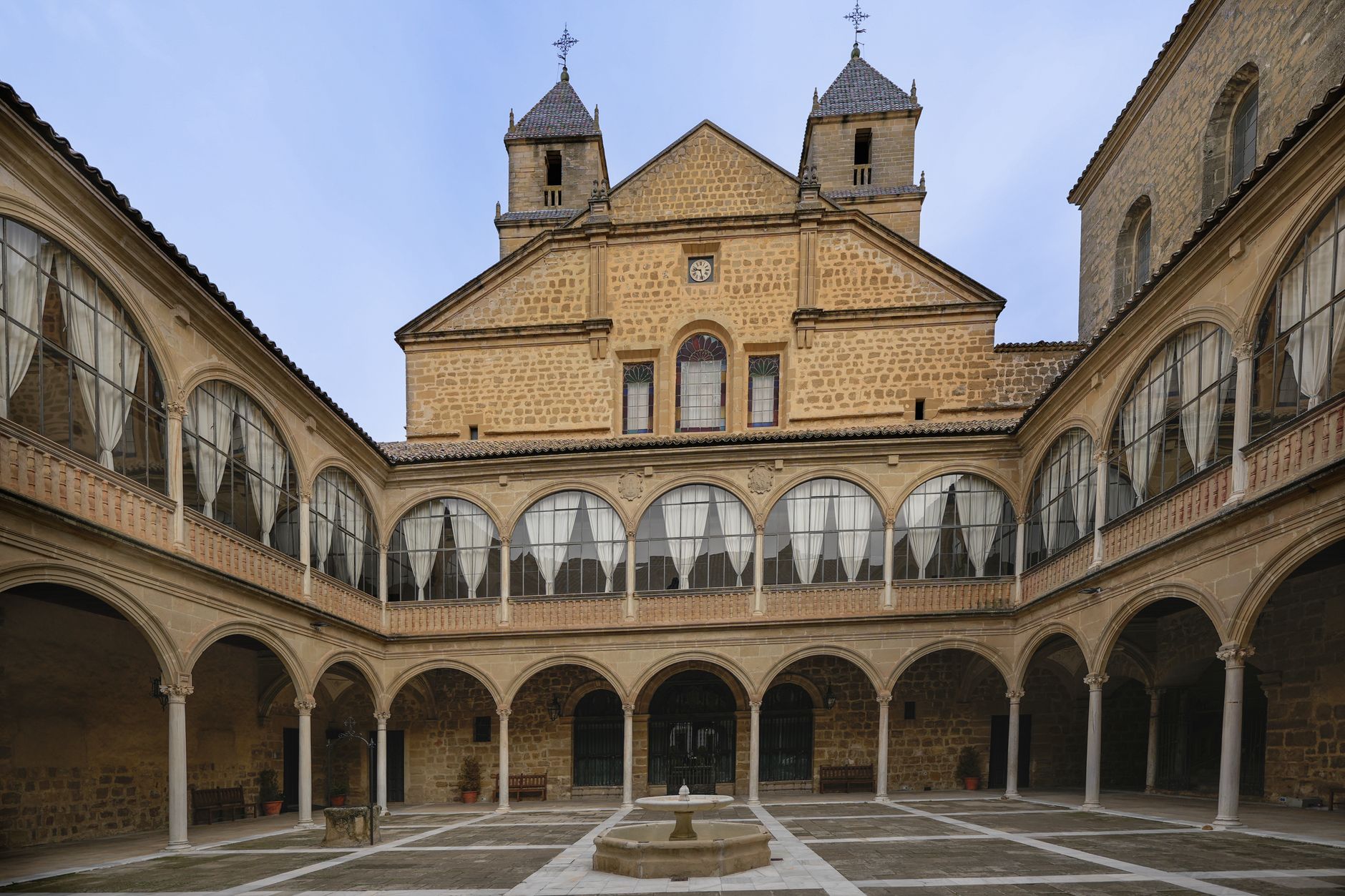
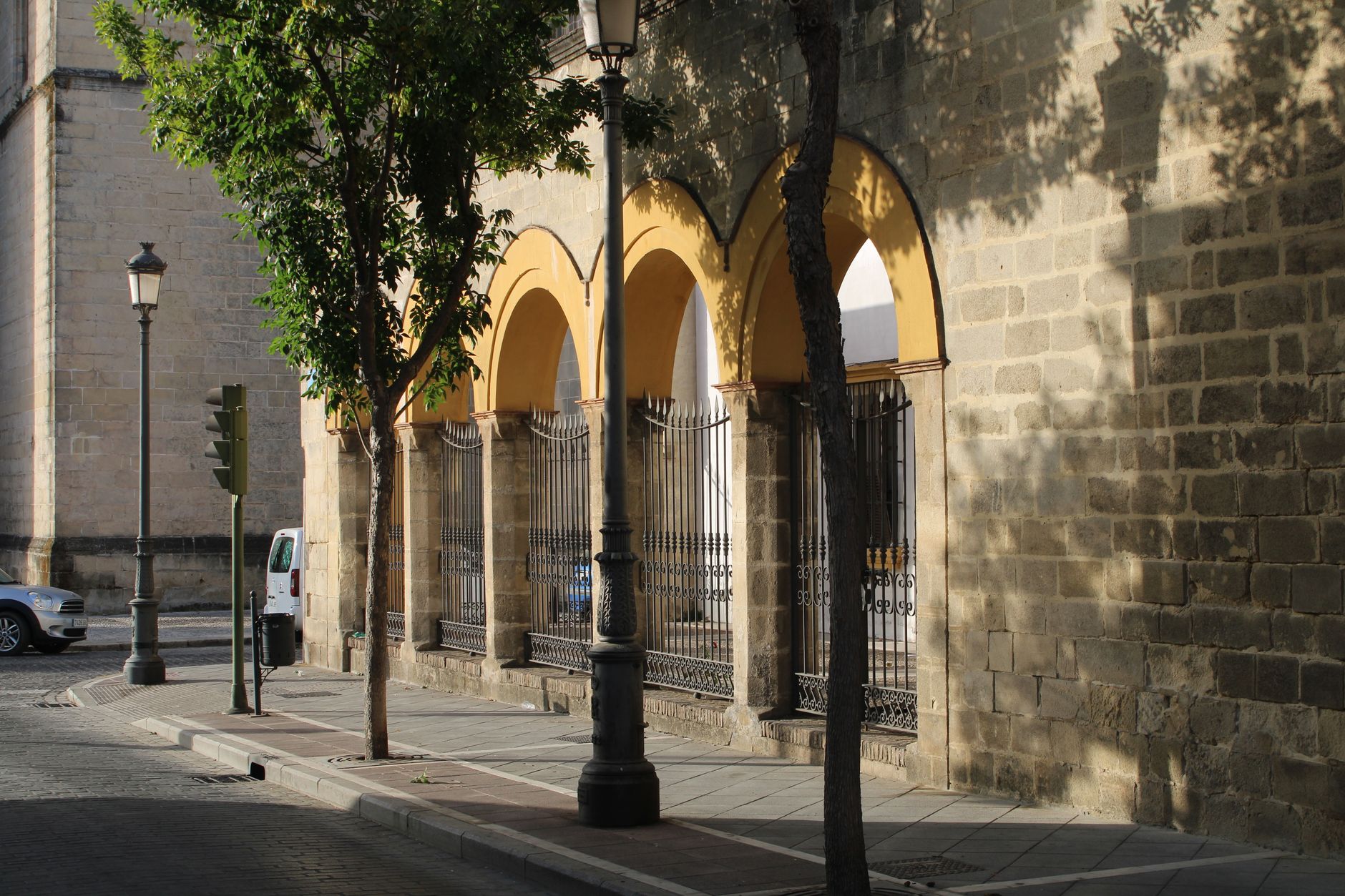
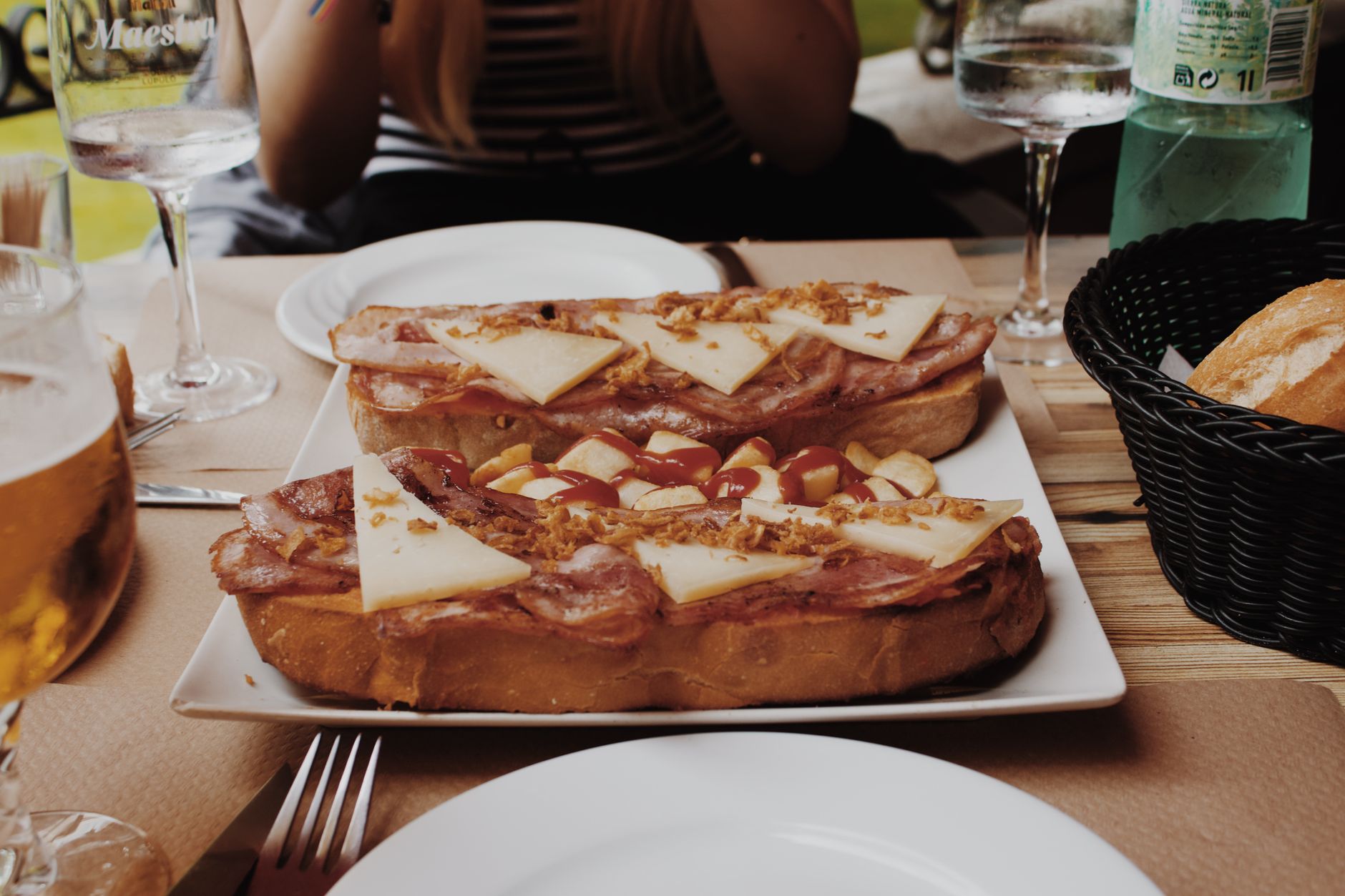
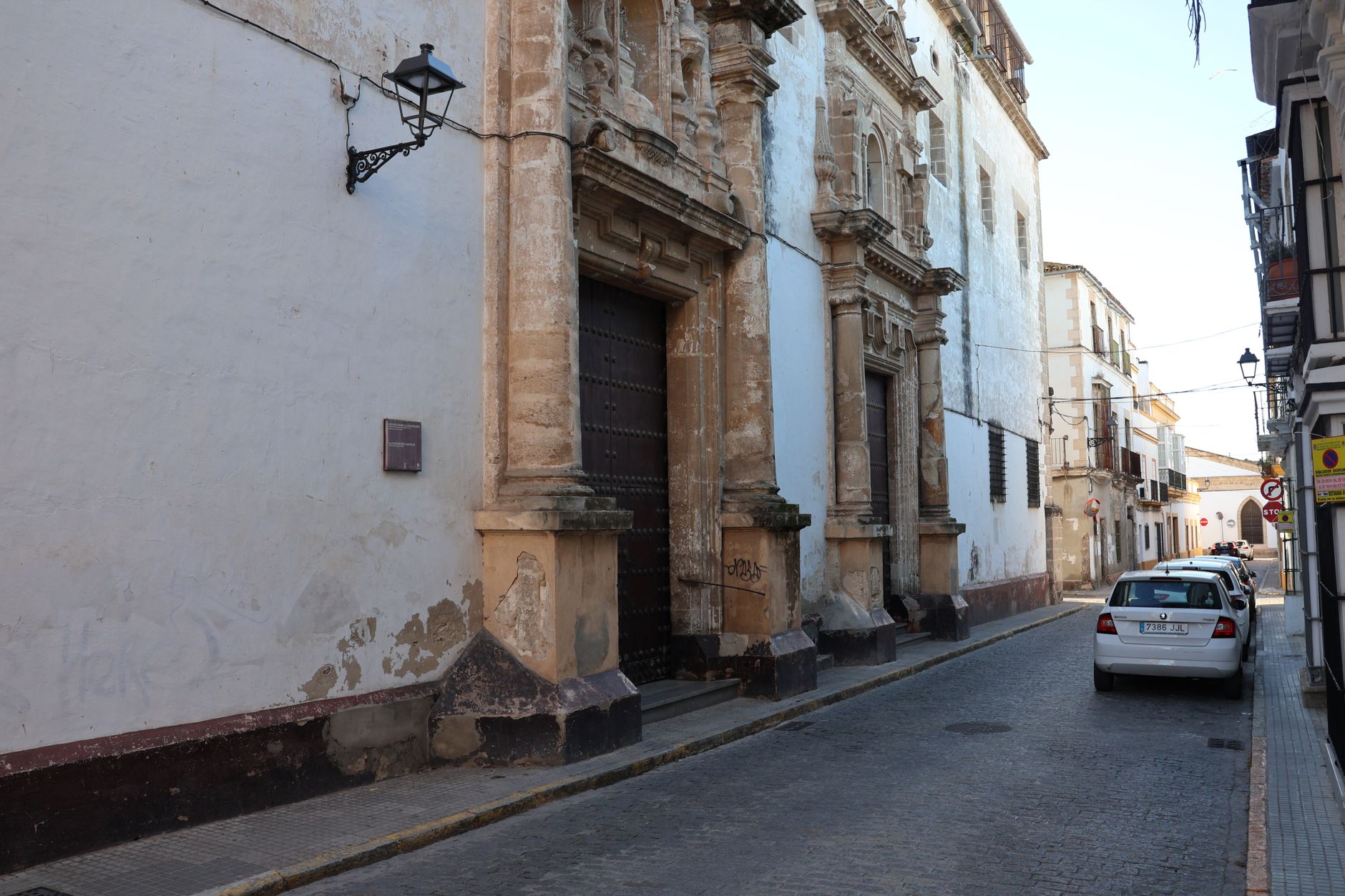
Úbeda sits ninety minutes northeast of Granada and an hour from Jaén, easily reached by car or regional bus. The town is known for its concentration of sixteenth-century Italianate Renaissance palaces and the vast sea of olive groves that surrounds it. Úbeda is worth visiting if you want intact Renaissance stonework, quiet stone plazas after dark, and peppery Picual olive oil. Look elsewhere if you need late-night clubs, international transit links directly in town, or resort amenities.
Last updated 22 Sept 2026
Build a Úbeda itinerary.
Choose up to 4 threads that pull you in. Your plan arrives organised around them.
The Bed
Where to stay in Úbeda
Which part of town to book, and what each one costs you in walking, noise or quiet.
The Comparison
Úbeda, or somewhere near it
The places you are realistically choosing between, and the honest case for each.
The Local Record
Where to read more about Úbeda
The blogs, boards, guides and operators worth bookmarking.
What to do in Úbeda Andalusia Spain
Úbeda is built on a high ridge overlooking millions of olive trees, shaped around stone squares that feel strikingly urban for an Andalusian farm town. Days run at an honest, sensible tempo: quiet mornings among Renaissance facades, long midday lunches over roasted meats, and evenings strolling Plaza Vázquez de Molina. It suits independent travellers who value architectural detail and quiet taverns over tourist spectacles.
24 hours in Úbeda Andalusia Spain
Start at Sacra Capilla del Salvador when the doors open, then cross Plaza Vázquez de Molina to see the Palacio de las Cadenas. Lunch on lomo de orza and ochíos near Calle Real. In the late afternoon, browse the potters on Calle Valencia before a sunset stroll along the southern defensive wall overlooking the valley. Select 1 Day above to see it.
2 days in Úbeda Andalusia Spain
Spend the second morning visiting the Sinagoga del Agua and the Casa Museo Arte Andalusí. Head ten kilometres west to Baeza for lunch, wandering its cathedral square and Antonio Machado’s old classroom, before returning for evening tapas and Picual olive oil tastings in Úbeda's quiet plaza bars. Choose 2 Days to expand the plan.
3 days in Úbeda Andalusia Spain
A third day lets you visit an olive mill in the surrounding countryside to watch the cold pressing, then venture into the rugged granite gorges of Sierra de Cazorla for wild trout, pine-shaded footpaths, and mountain stews before an unhurried final dinner in town.
Úbeda Andalusia Spain itineraries by interest
Sacred Architecture in Úbeda Andalusia Spain
Sacra Capilla del Salvador and the Collegiate Church of Santa María de los Reales Alcázares showcase Andrés de Vandelvira’s 16th-century stone vaulting.
Palaces & Mansions in Úbeda Andalusia Spain
Palacio de las Cadenas and Palacio del Deán Ortega show how Italian Renaissance courtyard design was adapted for local Andalusian stone.
Olive Oil Culture in Úbeda Andalusia Spain
Taste green, peppery Picual oils poured fresh over toasted bread and tour mills set across the surrounding sea of olive groves.
Craft Traditions in Úbeda Andalusia Spain
Potteries along Calle Valencia still fire green-glazed ceramics and perforated terracotta lanterns in wood-burning kilns.
Regional Cooking in Úbeda Andalusia Spain
Order ochíos seasoned with paprika and salt, habas con jamón, and slow-braised lomo de orza preserved in local virgin olive oil.
Tapas Bars in Úbeda Andalusia Spain
Order a draft caña at traditional taverns along Calle Real to receive complimentary plates of migas, stewed pork, or blood sausage.
Historic Squares in Úbeda Andalusia Spain
Plaza Vázquez de Molina concentrates monuments, stone facades, and quiet morning benches without tour bus traffic.
Day Trips in Úbeda Andalusia Spain
Baeza is just ten kilometres away across the olive groves, offering quiet Romanesque alleys and a sixteenth-century cathedral.
Local Markets in Úbeda Andalusia Spain
Mercado de Abastos on Calle Obispo Cobos offers salt cod, locally cured cecina, and seasonal artichokes from nearby valley farms.
Jewish Heritage in Úbeda Andalusia Spain
Sinagoga del Agua features a preserved medieval mikveh, stone arches, and solstice light alignments in the old Jewish quarter.
Walking Trails in Úbeda Andalusia Spain
Sendero del Mirador overlooks the Guadalquivir valley, tracing the medieval defensive walls out toward the southern olive groves.
Local Festivals in Úbeda Andalusia Spain
Fiestas del Renacimiento in July bring historical theatre, stone-street market stalls, and period cooking back to old palace courtyards.