Azilal.


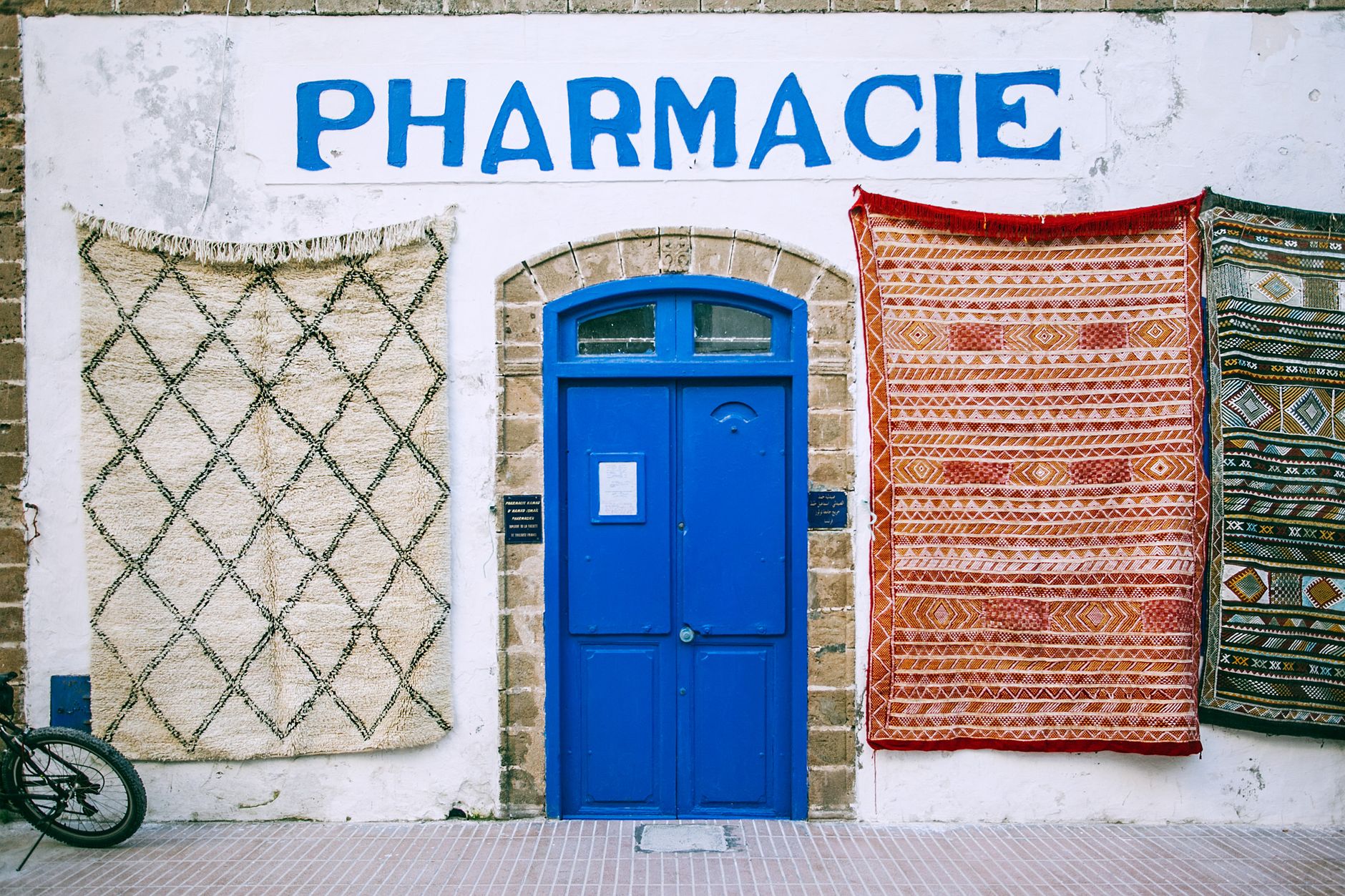


Azilal sits 165 kilometres east of Marrakech, reachable in about two and a half hours along the R208. It functions as the administrative base for the Central High Atlas, renowned for the M'Goun Geopark Museum and proximity to dinosaur trackways. The town itself is quiet, provincial, and built around a brisk mountain air rather than grand monuments. Azilal is worth visiting if you want a calm launching pad for High Atlas trekking and rural Berber weekly markets. Look elsewhere if you want grand architectural monuments, an atmospheric old medina, active nightlife, or upscale resort amenities.
Last updated 13 Sept 2026
Build a Azilal itinerary.
Choose up to 4 threads that pull you in. Your plan arrives organised around them.
The Bed
Where to stay in Azilal
Which part of town to book, and what each one costs you in walking, noise or quiet.
The Comparison
Azilal, or somewhere near it
The places you are realistically choosing between, and the honest case for each.
The Local Record
Where to read more about Azilal
The blogs, boards, guides and operators worth bookmarking.
What to do in Azilal Middle Atlas & Tadla Morocco
Azilal is a functional provincial capital perched at 1,350 metres. Daily life unfolds along Boulevard Mohammed V and the sprawling central square, where local minivans load for mountain outposts. It is not an ornamental town; travellers come here to gather provisions, acclimatise before high-altitude walking, and use the reliable banks and bakeries before heading into the wild valleys of the M'Goun Geopark.
24 hours in Azilal Middle Atlas & Tadla Morocco
Spend the morning studying the dinosaur fossils at the M'Goun Geopark Museum. For lunch, order a lamb and prune tagine near the grand taxi rank. In the afternoon, drive forty minutes out to the Iouaridène site to touch actual Jurassic footprints in the red stone, returning for mint tea by dusk. Select 1 Day above to see it.
2 days in Azilal Middle Atlas & Tadla Morocco
Use your second day to head south into the Aït Bouguemez Valley. Walk the flat dirt lanes between irrigated apple orchards and visit the fortified collective granary of Sidi Moussa. Stop in Tabant for a bowl of harira soup and fresh flatbread before the drive back up the pass. Choose 2 Days to expand the plan.
3 days in Azilal Middle Atlas & Tadla Morocco
With a third day, make the trek east to the sheer rock cliff known as the Cathedral of Imsfrane. Walk along the rushing Ahansal River, stop in the riverside hamlet of Tilouggite for grilled river trout, and take in the sheer limestone scenery at an unhurried mountain pace.
Azilal Middle Atlas & Tadla Morocco itineraries by interest
Mountain Hiking in Azilal Middle Atlas & Tadla Morocco
Follow trails through the Central High Atlas towards Jbel M'Goun, crossing limestone gorges and quiet walnut groves around Aït Bouguemez.
Paleontology & Fossils in Azilal Middle Atlas & Tadla Morocco
Inspect the theropod dinosaur footprints pressed into the red sandstone at Iouaridène and visit the sauropod skeleton at the M'Goun Geopark Museum.
Weekly Markets in Azilal Middle Atlas & Tadla Morocco
Browse Thursday souk stalls on Avenue Hassan II, stocking mountain honey, dried thyme, raw sheep wool, and handmade wooden agricultural tools.
Traditional Cuisine in Azilal Middle Atlas & Tadla Morocco
Eat slow-cooked Berber tagine layered with local lamb, turnips, and wild cumin, served with charred tafarnout bread baked on river stones.
Waterfalls & Rivers in Azilal Middle Atlas & Tadla Morocco
Drive forty minutes to the 110-metre Cascades d'Ouzoud, walking the olive tree paths down to the El Abid River gorge before the midday crowds.
Rock Art in Azilal Middle Atlas & Tadla Morocco
Hike to the prehistoric engravings on the Tizi n'Tirghist pass, where Bronze Age warriors and weapons remain etched into high-altitude slabs.
Rural Architecture in Azilal Middle Atlas & Tadla Morocco
Examine the fortified multi-storey mudbrick tighremt granaries that dot the Aït Bouguemez floor and the cliffside towers near Zaouiat Ahansal.
Craft Traditions in Azilal Middle Atlas & Tadla Morocco
Seek out handwoven Amazigh rugs knotted from un-dyed wool in nearby cooperatives, featuring geometric diamond patterns distinct to the region.
River Rafting in Azilal Middle Atlas & Tadla Morocco
Navigate the spring meltwater through the Ahansal and Tilouggite gorges, finishing near the dramatic rock prow of the Cathedral of Imsfrane.
Scenic Drives in Azilal Middle Atlas & Tadla Morocco
Tackle the paved R302 mountain pass linking Azilal to Tabant, climbing past terraced apple orchards and sheer red limestone canyon walls.
Local Cafes in Azilal Middle Atlas & Tadla Morocco
Sit outside along Boulevard Mohammed V for sweet mint tea infused with mountain pennyroyal and warm msemen flatbread with wild wildflower honey.
Geological Formations in Azilal Middle Atlas & Tadla Morocco
Study karst limestone pinnacles, deep sinkholes, and the natural stone arch of Imi n'Ifri formed over thousands of years by calcified springs.