Khouribga.


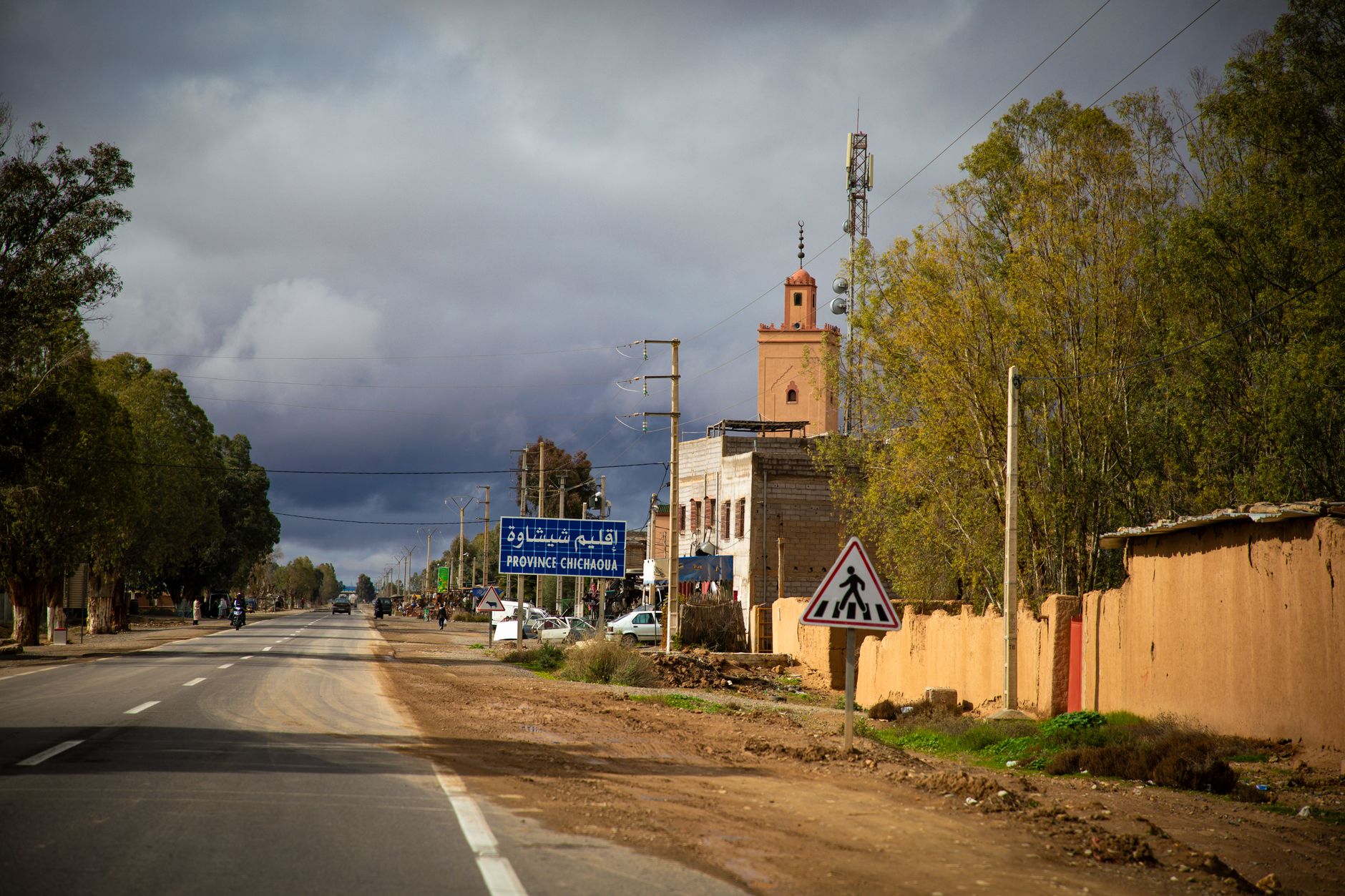
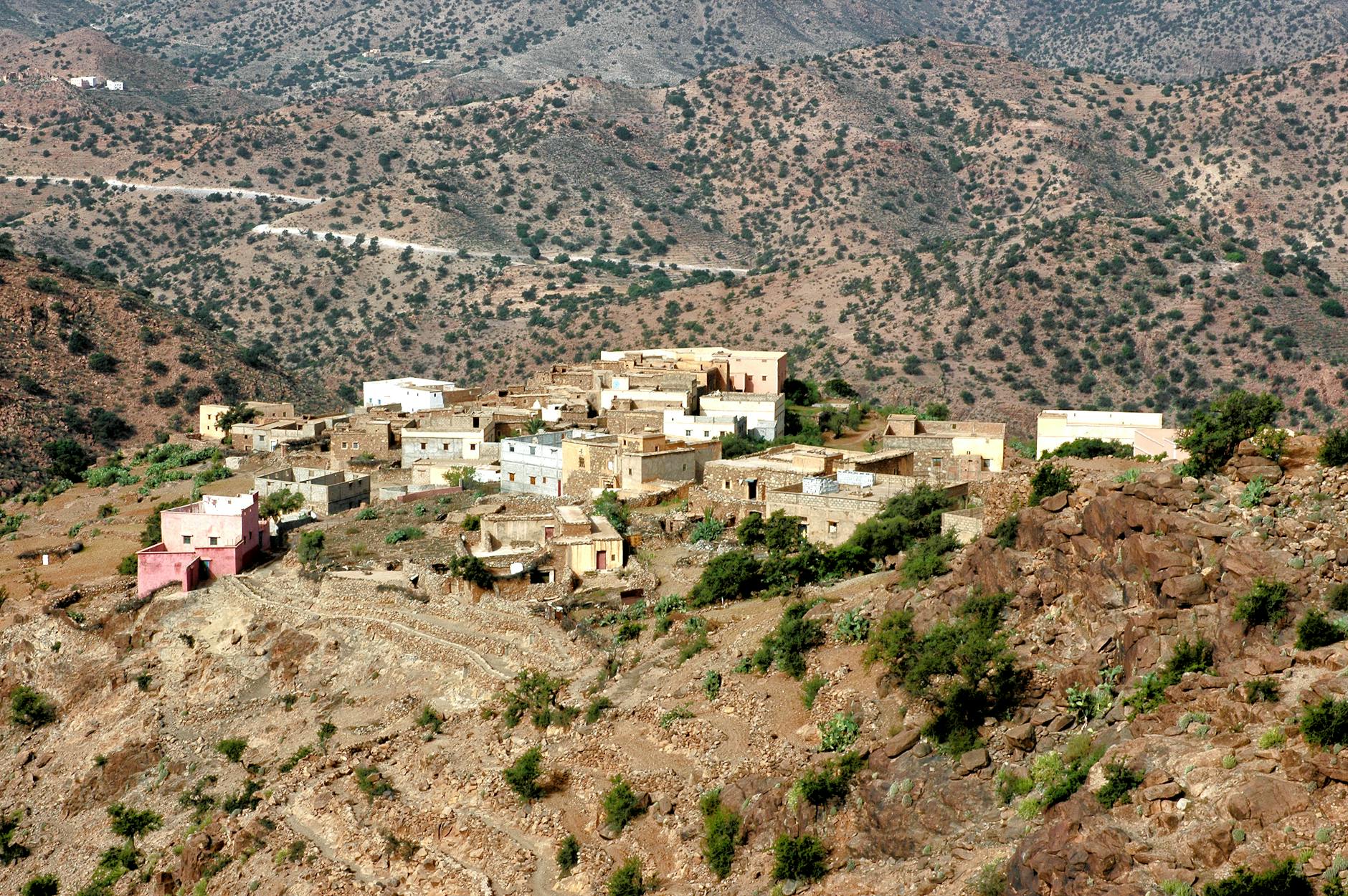

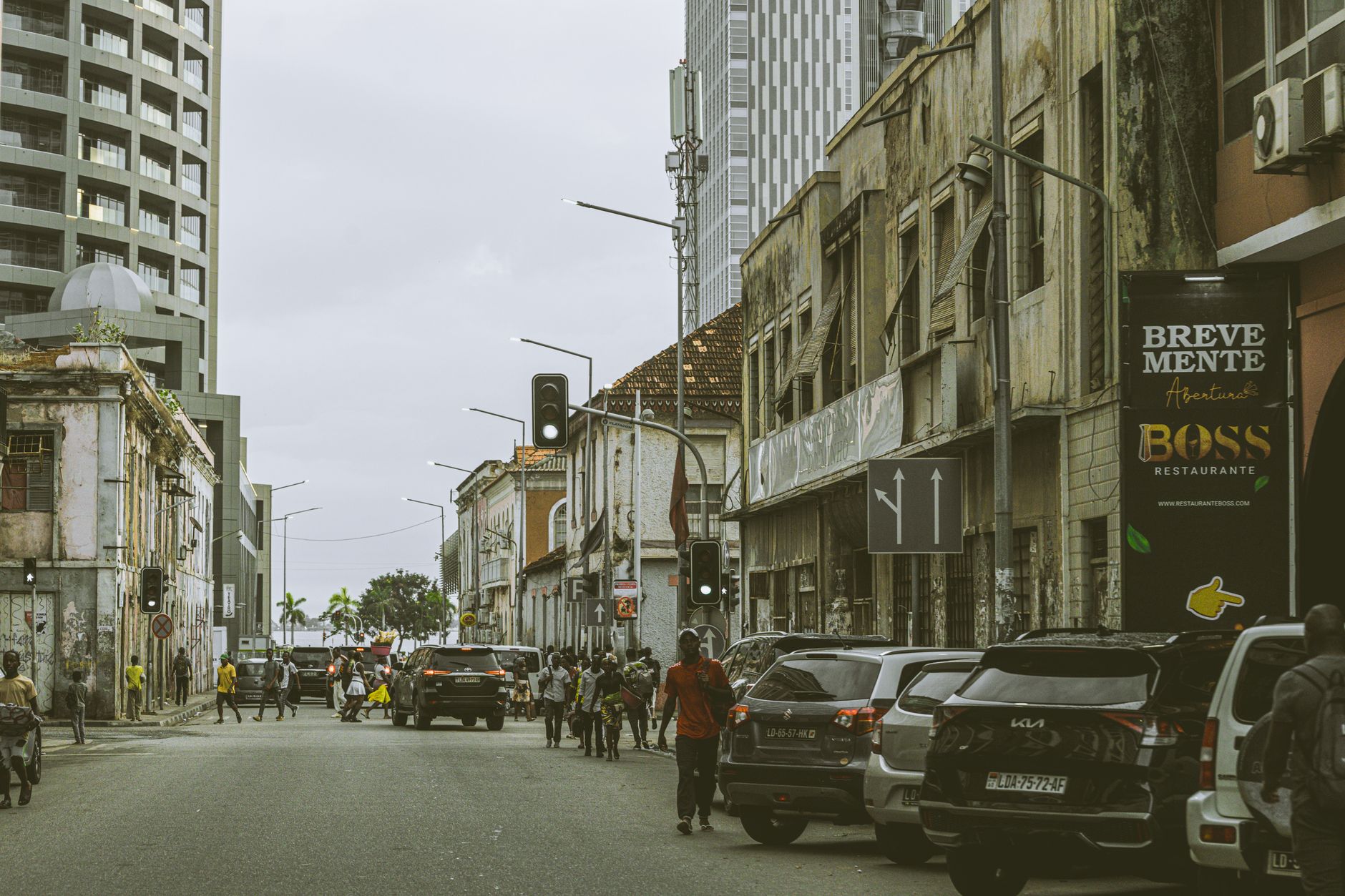
Khouribga sits 120 kilometres southeast of Casablanca, reached in two hours by direct train from Casa-Voyageurs. Founded in the 1920s around the world's largest phosphate deposits, it is Morocco's working engine, defined by red-earthed mining infrastructure and a quiet mid-century grid. You come here for honest urban rhythm rather than imperial palaces. Khouribga is worth visiting if you want to study French industrial architecture and eat spiced Tadla lamb alongside local miners. Look elsewhere if you want ancient medinas, artisan souks, boutique riads, or lively nightlife.
Last updated 13 Sept 2026
Build a Khouribga itinerary.
Choose up to 4 threads that pull you in. Your plan arrives organised around them.
The Bed
Where to stay in Khouribga
Which part of town to book, and what each one costs you in walking, noise or quiet.
The Comparison
Khouribga, or somewhere near it
The places you are realistically choosing between, and the honest case for each.
The Local Record
Where to read more about Khouribga
The blogs, boards, guides and operators worth bookmarking.
What to do in Khouribga Middle Atlas & Tadla Morocco
Khouribga is an orderly, mid-century working town arranged around broad avenues, quiet residential quarters, and the vast infrastructure of the state phosphate company. Life here moves around early morning market trades, shaded afternoon cafe terraces, and evening strolls along Boulevard Mohammed V. It suits independent travellers keen on modern Moroccan social history, mid-century town planning, and an authentic regional pace untouched by tourism.
24 hours in Khouribga Middle Atlas & Tadla Morocco
Spend your morning walking the red-roofed OCP company town and visiting the phosphate heritage sites. Lunch on wood-grilled lamb chops with cumin at a butcher-grill near the central station. In the evening, join locals for mint tea on Avenue Hassan II before dining on slow-cooked beef and prune tagine. Select 1 Day above to see it.
2 days in Khouribga Middle Atlas & Tadla Morocco
A second day lets you explore the bustling stalls of Souk El Hed for Tadla olive oil and spices. In the afternoon, take a thirty-minute grand taxi to historic Oued Zem to stroll around its colonial lake, returning for griddled stuffed msemmen and spiced harira at a casual street-side dairy. Choose 2 Days to expand the plan.
3 days in Khouribga Middle Atlas & Tadla Morocco
With three days, make the forty-five-minute journey to the holy town of Boujad. Spend the morning exploring its fourteenth-century Sufi zawiya and bargaining for thick-pile wool rugs directly with artisans. Return to Khouribga for a quiet dinner of roast chicken with preserved lemon and olives.
Khouribga Middle Atlas & Tadla Morocco itineraries by interest
Industrial Heritage in Khouribga Middle Atlas & Tadla Morocco
Tour the 1920s OCP company town, inspect the modernist mine head offices, and observe the red-soil phosphate deposits shaping the plateau.
Street Food in Khouribga Middle Atlas & Tadla Morocco
Grab hot, griddled msemmen and spiced merguez sausages from vendors clustered around Boulevard Mohammed V during the late afternoon rush.
Market Life in Khouribga Middle Atlas & Tadla Morocco
Navigate Souk El Hed for mountain cumin, fresh Tadla plain olive oil, and mint bundles sold directly by local Chaouia farming families.
Local Cinema in Khouribga Middle Atlas & Tadla Morocco
Visit the venues of the African Film Festival, one of Morocco's oldest cultural gatherings celebrating continental cinema since 1977.
Traditional Cooking in Khouribga Middle Atlas & Tadla Morocco
Settle in for slow-cooked lamb tagine with prunes, sesame, and crusty barley khobz at unpretentious neighbourhood grills near the train station.
Urban Parks in Khouribga Middle Atlas & Tadla Morocco
Stroll the tree-shaded paths of Parc des Oliviers, where retirees play chess and families gather under eucalyptus trees in the late afternoon.
Day Trips in Khouribga Middle Atlas & Tadla Morocco
Drive forty minutes to Boujad to wander the whitewashed alleys of its historic medina, known for Cherkaoui Sufi heritage and woven rugs.
Colonial Architecture in Khouribga Middle Atlas & Tadla Morocco
Walk the grid of the European quarter to see tiled 1930s villas, art deco administrative facades, and the historic church converted into cultural space.
Tea Culture in Khouribga Middle Atlas & Tadla Morocco
Order pot-brewed gunpowder green tea packed with fresh sheeba or spearmint at pavement cafes along Avenue Moulay Youssef.
Textile Crafts in Khouribga Middle Atlas & Tadla Morocco
Shop for raw-wool Zemmour and Boujad tribal rugs featuring bold geometric patterns woven by regional women's cooperatives.
Regional History in Khouribga Middle Atlas & Tadla Morocco
Take the local taxi to nearby Oued Zem to trace the 1955 anti-colonial uprising and visit the historic French colonial lake.
Fossil Hunting in Khouribga Middle Atlas & Tadla Morocco
Examine ancient Mosasaur and shark teeth excavated directly from the Cretaceous phosphate strata around the nearby Sidi Chennane quarries.