Kasba Tadla.


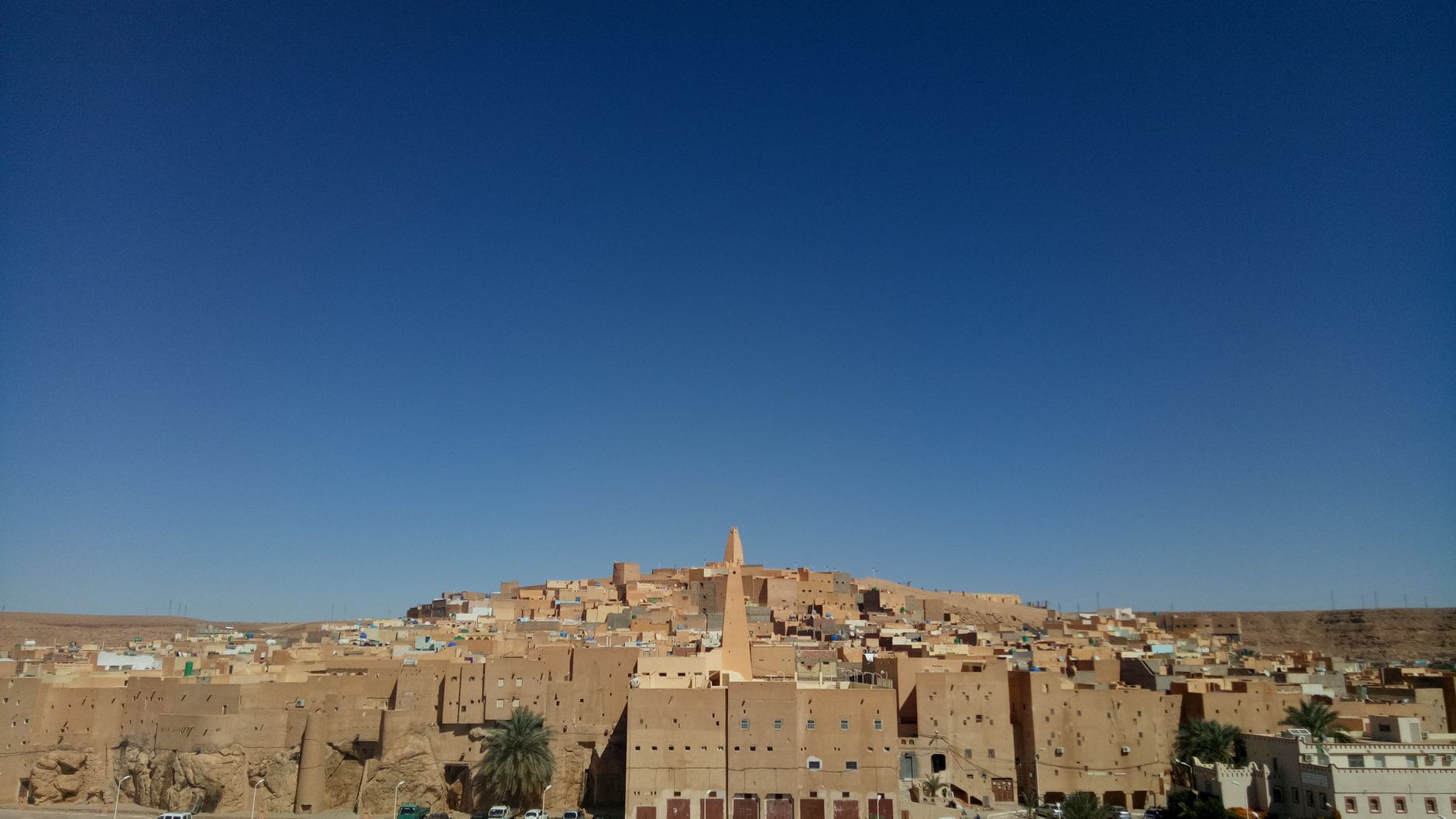
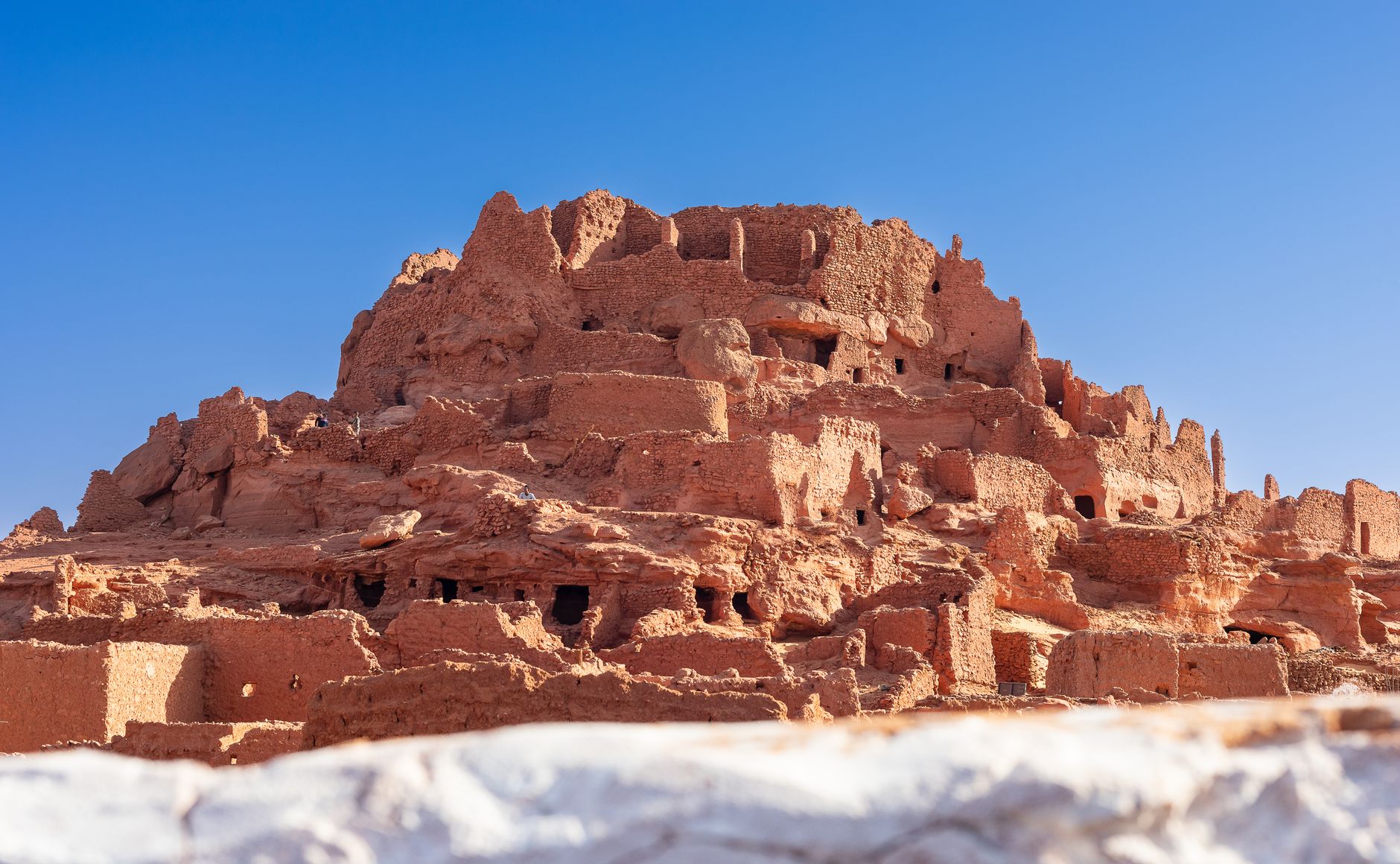

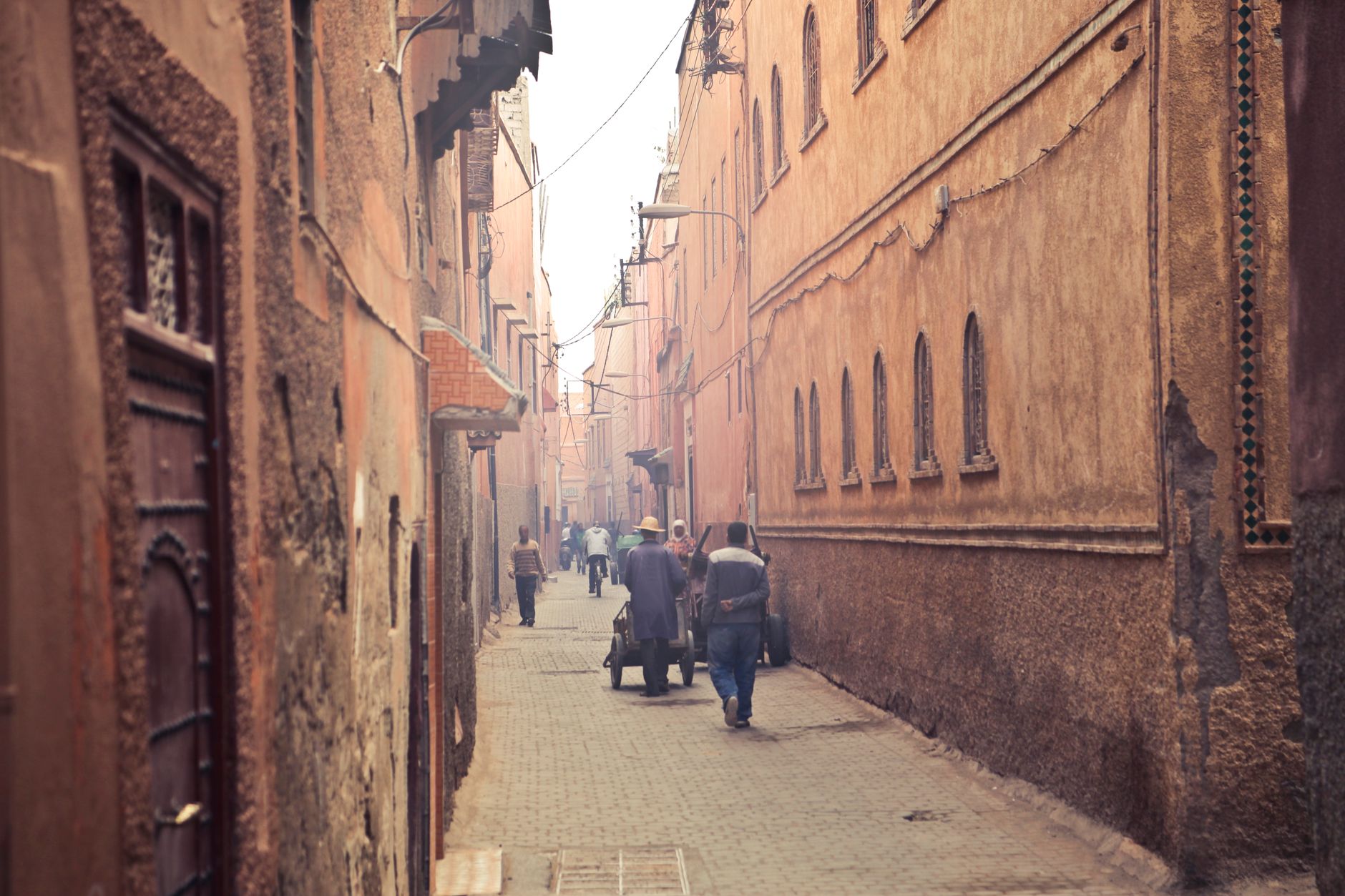
Sitting forty minutes northwest of Beni Mellal along the N8 highway, Kasba Tadla is known for Sultan Moulay Ismail's 1684 fortress and the historic ten-arched stone bridge crossing the Oum Er-Rbia river. It remains a straightforward agricultural hub where daily life revolves around livestock, citrus groves, and weekly commerce. Kasba Tadla is worth visiting if you want to inspect early Alaouite imperial fortifications along the Middle Atlas river corridor. Look elsewhere if you want boutique lodging, curated museums, a varied dining scene, or nightlife.
Last updated 13 Sept 2026
Build a Kasba Tadla itinerary.
Choose up to 4 threads that pull you in. Your plan arrives organised around them.
The Bed
Where to stay in Kasba Tadla
Which part of town to book, and what each one costs you in walking, noise or quiet.
The Comparison
Kasba Tadla, or somewhere near it
The places you are realistically choosing between, and the honest case for each.
The Local Record
Where to read more about Kasba Tadla
The blogs, boards, guides and operators worth bookmarking.
What to do in Kasba Tadla Middle Atlas & Tadla Morocco
Kasba Tadla is laid out simply around its seventeenth-century garrison and the riverbank of the Oum Er-Rbia. The town moves at an unhurried farming pace, with mornings given over to bakery queues and the afternoon quieted by the valley heat before revival at sunset. It suits independent travellers driving the N8 who appreciate raw military architecture, unpretentious cafe life, and places that do not perform for visitors.
24 hours in Kasba Tadla Middle Atlas & Tadla Morocco
Start early with tea and fresh rghayif bread on Avenue Hassan II. Spend the morning pacing the 1684 fortress ramparts and walking across the stone bridge over the Oum Er-Rbia. For lunch, order grilled lamb chops from a butcher-grill near the central market, then spend an easy late afternoon watching the town assemble in the main square as temperatures drop. Select 1 Day above to see it.
2 days in Kasba Tadla Middle Atlas & Tadla Morocco
A second day lets you explore the surrounding agricultural plain. Drive out past olive groves to the edge of the Tadla irrigation canals, then continue south to Beni Mellal for lunch. Spend the afternoon wandering through the terraced gardens of Ain Asserdoun and the stone citadel of Borj Ras el-Ain before returning to Kasba Tadla for evening kefta. Choose 2 Days to expand the plan.
3 days in Kasba Tadla Middle Atlas & Tadla Morocco
With three days, venture into the Middle Atlas foothills via El Ksiba. The winding climb brings cooler air, oak forests, and quiet hiking trails above Taghbalout. Return down to the river valley in the evening for a slow pot of mint tea by the Oum Er-Rbia bridge, having seen the Tadla basin transition from river plain to high limestone ridge.
Kasba Tadla Middle Atlas & Tadla Morocco itineraries by interest
Historic Fortifications in Kasba Tadla Middle Atlas & Tadla Morocco
Walk the seventeenth-century ramparts and bastions commissioned by Sultan Moulay Ismail in 1684 to garrison soldiers above the Oum Er-Rbia.
River Crossings in Kasba Tadla Middle Atlas & Tadla Morocco
Cross the ten-arched stone bridge built under Alaouite rule to secure trade routes connecting Fes and Marrakech across the Tadla plain.
Market Culture in Kasba Tadla Middle Atlas & Tadla Morocco
Browse the weekly souk where Tadla farmers trade seasonal olives, citrus, mint, and fresh flatbreads straight from charcoal-fired ovens.
Sacred Architecture in Kasba Tadla Middle Atlas & Tadla Morocco
Examine the historic kasbah mosque and its squarish brick minaret, which has anchored daily prayers inside the garrison walls for centuries.
Street Food in Kasba Tadla Middle Atlas & Tadla Morocco
Pull up a plastic chair for hot spiced lamb kefta and beef skewers grilled over open embers along Avenue Hassan II, served with warm khobz.
Tea Culture in Kasba Tadla Middle Atlas & Tadla Morocco
Order a pot of gunpowder green tea steeped with fresh spearmint and sheeba at a simple roadside café overlooking the riverbank.
Local Agriculture in Kasba Tadla Middle Atlas & Tadla Morocco
Drive through the surrounding irrigated Tadla basin, notable for sugar beet harvests, olive orchards, and pomegranate groves.
Colonial History in Kasba Tadla Middle Atlas & Tadla Morocco
Spot early twentieth-century French protectorate administrative buildings and barracks situated just outside the older kasbah compound.
River Walks in Kasba Tadla Middle Atlas & Tadla Morocco
Follow dirt footpaths along the willow-lined banks of the Oum Er-Rbia for quiet views of the stone bridge arches and local fishermen.
Day Trips in Kasba Tadla Middle Atlas & Tadla Morocco
Head forty minutes south to Beni Mellal to explore the Ain Asserdoun spring gardens and the hilltop fortress of Borj Ras el-Ain.
Mountain Drives in Kasba Tadla Middle Atlas & Tadla Morocco
Climb south on the R311 toward El Ksiba to reach the cedar forests and cooler limestone plateaus of the Middle Atlas foothills.
Slow Living in Kasba Tadla Middle Atlas & Tadla Morocco
Settle onto a shaded bench in Place Mohammed V in late afternoon as the heat breaks and shopkeepers open up for evening errands.