



Bến Tre sits eighty-five kilometres south of Ho Chi Minh City, an easy two-hour bus ride across the Rạch Miễu Bridge. It is the Mekong Delta's coconut capital, defined by labyrinthine waterways, brick kilns, and orchards producing pomelo and durian. Bến Tre is worth visiting if you want to cycle quiet canal paths beneath palm canopy and eat fresh elephant-ear fish rolled in rice paper. Look elsewhere if you expect late-night drinking dens, broad sandy beaches, or grand architectural monuments.
Last updated 5 Oct 2026
Build a Bến Tre itinerary.
Choose up to 4 threads that pull you in. Your plan arrives organised around them.
The Bed
Where to stay in Bến Tre
Which part of town to book, and what each one costs you in walking, noise or quiet.
The Comparison
Bến Tre, or somewhere near it
The places you are realistically choosing between, and the honest case for each.
The Local Record
Where to read more about Bến Tre
The blogs, boards, guides and operators worth bookmarking.
What to do in Bến Tre Bến Tre Vietnam
Life here hugs the water. Bến Tre avoids the coach-tour rush of neighbouring towns, trading commercial gloss for flat country lanes, sleepy arroyos, and quiet hamlets like Nhơn Thạnh. Days move to the rhythm of coconut harvesting, market deliveries, and afternoon rain showers. It suits independent travellers who prefer renting a single-speed bicycle, exploring without an itinerary, and eating well at family-run river stalls.
24 hours in Bến Tre Bến Tre Vietnam
Start early at Bến Tre Market with a bowl of noodle soup, then take a wooden sampan through the shaded canals of Nhơn Thạnh. For lunch, order crispy elephant-ear fish at a garden eatery. Spend the afternoon cycling rural concrete tracks, finishing with cold local beer along the Hùng Vương riverfront promenade. Select 1 Day above to see it.
2 days in Bến Tre Bến Tre Vietnam
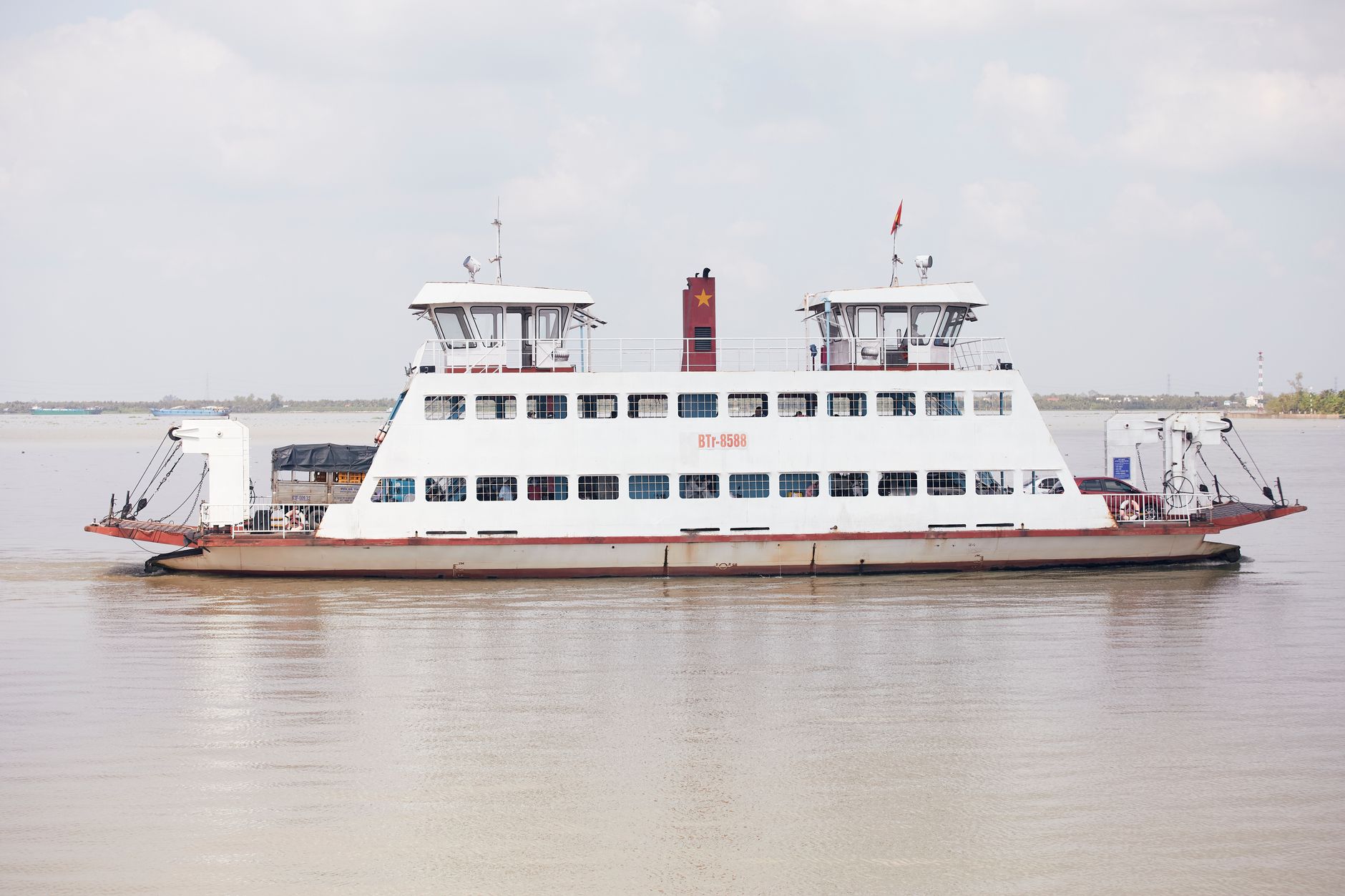
Dedicate your second day to the islands. Cross by local ferry to Phụng or Ốc Islet to wander fruit orchards and examine the eccentric relics of the Coconut Religion. In the evening, head out towards Hàm Luông river for grilled freshwater prawns and clay-pot braised fish at a quiet waterside quầy. Choose 2 Days to expand the plan.
3 days in Bến Tre Bến Tre Vietnam
A third day allows an excursion west to Chợ Lách, renowned for its bonsai nurseries and fruit gardens, or south to the coastal mangroves of Thạnh Phú. Alternatively, spend unhurried hours visiting rice-husk brick kilns and watching sedge-mat weavers work, followed by dusk at Vàm Hồ bird sanctuary.
Bến Tre Bến Tre Vietnam itineraries by interest
River Cooking in Bến Tre Bến Tre Vietnam
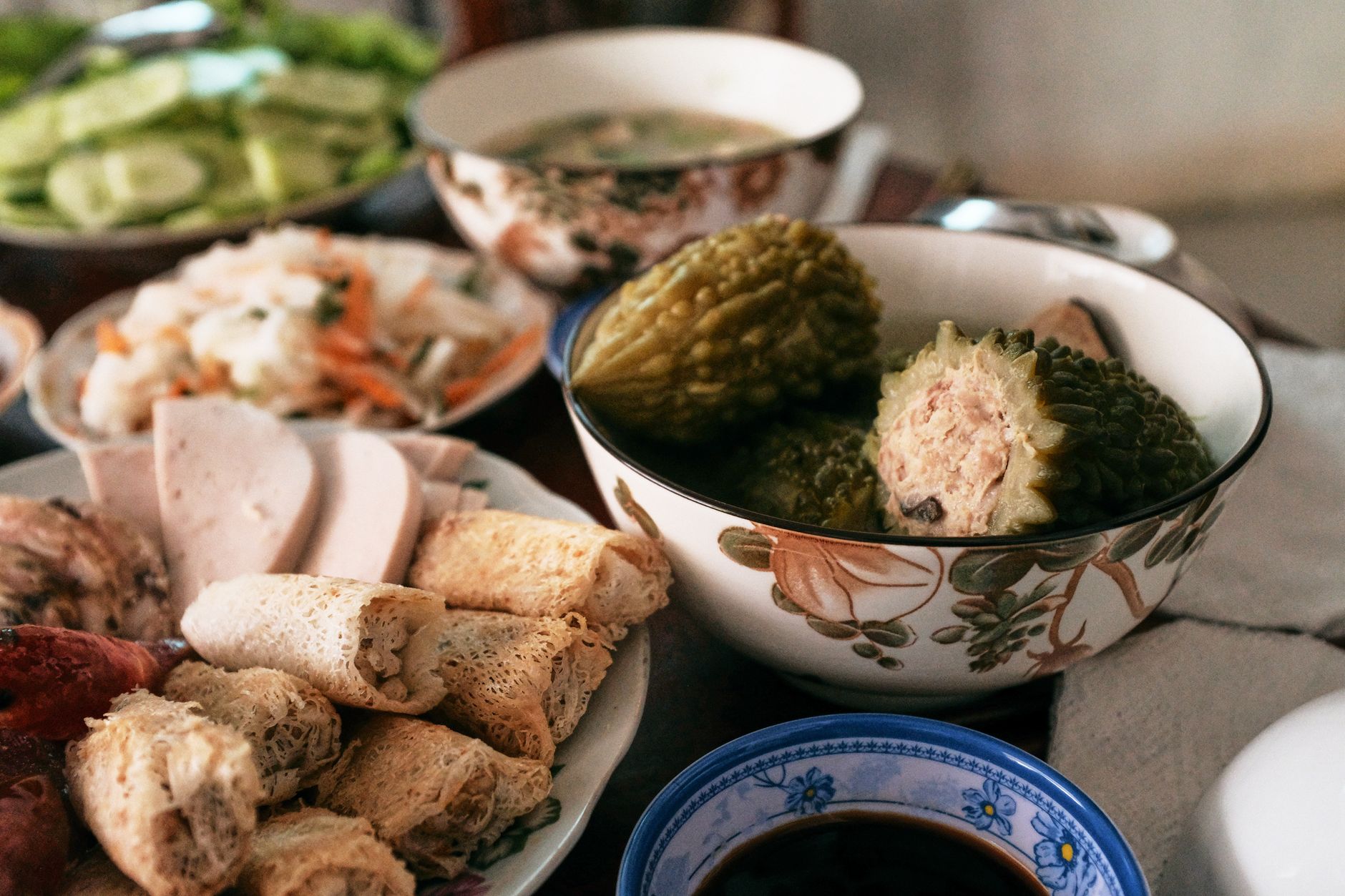
Dine on cá tai tượng chiên xù (crispy fried elephant-ear fish) rolled with herbs in rice paper, alongside rich duck simmered in fresh coconut water.
Craft Traditions in Bến Tre Bến Tre Vietnam
Watch artisans boil sugar and pressed coconut cream into chewy kẹo dừa candy, or see coir spun into sturdy rope across family-run canal workshops.
Rural Cycling in Bến Tre Bến Tre Vietnam
Pedal paved concrete footpaths winding through quiet hamlets and dense nipa palm groves across the flat, shaded island hamlets of Ốc and Quy.
Waterways & Canals in Bến Tre Bến Tre Vietnam
Hire a wooden sampan along the Bến Tre River and through the narrow arroyos of Nhơn Thạnh, steered under low-hanging water coconut palms.
Local Produce in Bến Tre Bến Tre Vietnam
Sample green-skinned pomelos, sweet rambutan, sapodilla, and mangosteen harvested straight from the alluvial orchards of Cái Mơn and Chợ Lách.
Markets & Street Food in Bến Tre Bến Tre Vietnam
Browse Bến Tre Market along the riverfront for bún mắm noodle soup, grilled banana wrapped in sticky rice, and fresh bánh xèo stuffed with snails.
Industrial Heritage in Bến Tre Bến Tre Vietnam
Visit traditional domed brick kilns firing clay along the Hàm Luông riverbanks, fueled entirely by slow-burning mounds of dry rice husks.
Sacred Architecture in Bến Tre Bến Tre Vietnam
Step inside the historic 19th-century Tuyên Linh Pagoda and the bright, syncretic temples of the indigenous Đạo Dừa (Coconut Religion) on Phụng Islet.
Birdwatching in Bến Tre Bến Tre Vietnam
Take a late afternoon skiff through the mangrove wetlands of Vàm Hồ bird sanctuary to watch thousands of nesting egrets and herons return at dusk.
Regional Weaving in Bến Tre Bến Tre Vietnam
See villagers in Nhơn Thạnh and Phú Đa dye, dry, and weave wild sedge reeds into traditional sleeping mats on mechanical and wooden hand looms.
Riverside Dining in Bến Tre Bến Tre Vietnam
Pull up a plastic stool along the bờ kè embankment on Hùng Vương street for chilled beer, tamarind river prawns, and steamed cockles as barges pass.
Day Trips in Bến Tre Bến Tre Vietnam
Head west to the plant nurseries of Chợ Lách or cross the bridge to Mỹ Tho to see the towering statues and ornate woodwork of Vĩnh Tràng Pagoda.