


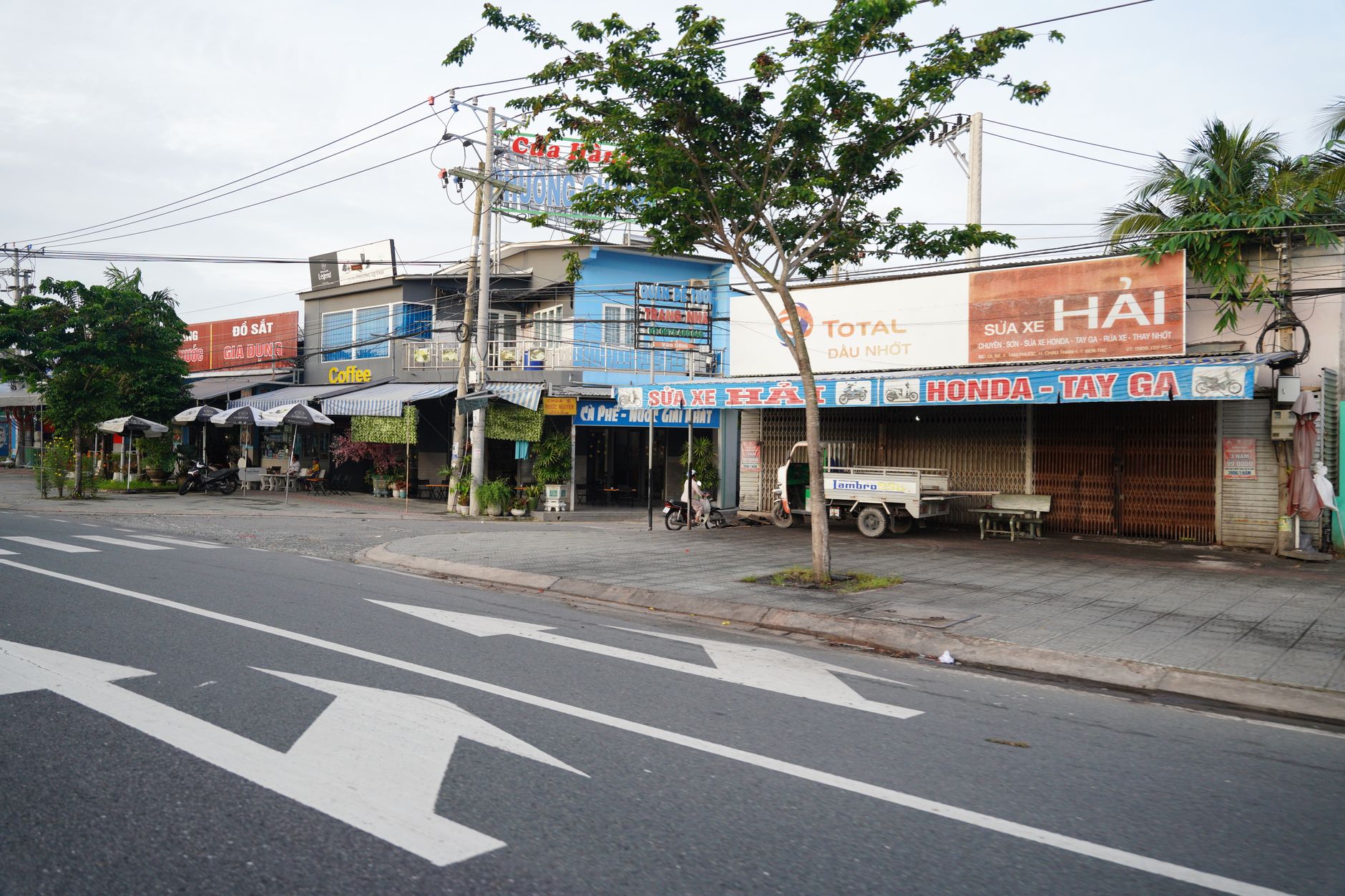
Set 180 kilometres south of Cần Thơ and a seven-hour bus ride from Ho Chi Minh City, Cà Mau is defined by its vast mangrove forests and prized saltwater mud crabs. Life here moves along silt-heavy canals rather than paved boulevards. Cà Mau is worth visiting if you want to eat wild seafood at rustic wooden shacks and travel by longtail boat through coastal swamps. Look elsewhere if you expect polished historic architecture, walkable avenues, or beach resort comforts.
Last updated 11 Oct 2026
Build a Cà Mau itinerary.
Choose up to 4 threads that pull you in. Your plan arrives organised around them.
The Bed
Where to stay in Cà Mau
Which part of town to book, and what each one costs you in walking, noise or quiet.
The Comparison
Cà Mau, or somewhere near it
The places you are realistically choosing between, and the honest case for each.
The Local Record
Where to read more about Cà Mau
The blogs, boards, guides and operators worth bookmarking.
What to do in Cà Mau Cà Mau Vietnam
Cà Mau spreads along the Gành Hào River as a working provincial hub where daily rhythms track water tides and fishing boat arrivals. Days start early around Phường 2 and Phường 7 markets before shifting to breezy riverside beer joints by afternoon. It suits independent travellers who enjoy untamed wetland scenery, intense regional cooking, and unvarnished delta life without tourist staging.
24 hours in Cà Mau Cà Mau Vietnam
Start with breakfast bún nước lèo on Trưng Nhị, then hire an afternoon canoe into the city bird sanctuary before sunset. End with beer and cracked mud crab at a Quán Cua along Phan Ngọc Hiển. Allow thirty minutes for any cross-town taxi ride. Select 1 Day above to see it.
2 days in Cà Mau Cà Mau Vietnam
Devote day two to Đất Mũi at the southern tip. Take the two-hour drive south through Năm Căn to climb the GPS milestone tower and walk elevated mangrove boardwalks, then eat grilled blood cockles and steamed mantis shrimp at a stilted estuary restaurant. Choose 2 Days to expand the plan.
3 days in Cà Mau Cà Mau Vietnam
A third day allows an unhurried trip north to U Minh Hạ National Park. Drift through cajuput waterways on a motorised wooden boat, observe wild honey foraging, and stop at Tân Thành village to watch shrimp cracker makers working roadside bamboo racks.
Cà Mau Cà Mau Vietnam itineraries by interest
Local Seafood in Cà Mau Cà Mau Vietnam
Crack sweet mud crab steamed with beer at Quán Nhậu or charcoal-grilled mudskippers dipped in thick tamarind fish sauce along Phan Ngọc Hiển.
River Journeys in Cà Mau Cà Mau Vietnam
Board wooden speedboats at Bến Tàu Cà Mau to navigate the brackish canals and tangled mangrove channels out toward Năm Căn.
Street Food in Cà Mau Cà Mau Vietnam
Slurp bowls of bún nước lèo loaded with snakehead fish and fermented fish broth, followed by crispy bánh cống at morning stalls on Trưng Nhị.
Wetland Ecology in Cà Mau Cà Mau Vietnam
Drift past submerged cajuput forests at U Minh Hạ National Park, where wild honey harvesting and bird nesting colonies peak before monsoon rains.
Morning Markets in Cà Mau Cà Mau Vietnam
Browse Phường 7 Market at dawn for live river prawns, water spinach, and freshly fermented fish paste traded directly off wooden sampans.
Sacred Architecture in Cà Mau Cà Mau Vietnam
Visit Quan Âm Cổ Tự pagoda and the Khmer Buddhist Monivongsa Bopharam monastery with its ornate saffron roof and golden reclining Buddha.
Coastal Geography in Cà Mau Cà Mau Vietnam
Stand at Mũi Cà Mau National Park at GPS coordinate milestone 0001, where silt deposits expand the coastline into the Gulf of Thailand annually.
Craft Traditions in Cà Mau Cà Mau Vietnam
Watch families in Tân Thành dry sheets of bánh phồng tôm, blending fresh shrimp meat and tapioca before sun-drying on woven bamboo racks.
Wildlife Watching in Cà Mau Cà Mau Vietnam
Hire a boat into Cà Mau Bird Sanctuary at dusk to watch thousands of egrets, herons, and cormorants roosting in the downtown park canopy.
Local Agriculture in Cà Mau Cà Mau Vietnam
Tour the cajuput groves where local foragers practice gác kèo, placing sloped wooden beams to lure wild forest bees for raw honeycomb.
Day Trips in Cà Mau Cà Mau Vietnam
Head south to Đất Mũi by road or water, stopping at Năm Căn's charcoal kilns and floating oyster farms anchored in the estuary.
Historic Sites in Cà Mau Cà Mau Vietnam
Explore the Xẻo Đước revolutionary base hidden deep in the mangrove labyrinth of Phú Mỹ, preserved with wooden walkways and earthen bunkers.