


Located 90 minutes south of Seville by direct train, Cádiz sits hooked into the Atlantic on a limestone spit. It is known for ancient maritime trade and a frying tradition that treats dogfish and squid with precision. Cádiz is worth visiting if you want Atlantic seafood eaten standing up, breezy sea-wall walks, and an unhurried historic core. Look elsewhere if you want late-night mega-clubs, mountain scenery, or sprawling art museums.
Last updated 25 Sept 2026
Build a Cádiz itinerary.
Choose up to 4 threads that pull you in. Your plan arrives organised around them.
Routes Through Cádiz
Trips readers have saved that pass through here — the well-worn ones first.
Browse all tripsThe Bed
Where to stay in Cádiz
Which part of town to book, and what each one costs you in walking, noise or quiet.
The Comparison
Cádiz, or somewhere near it
The places you are realistically choosing between, and the honest case for each.
The Local Record
Where to read more about Cádiz
The blogs, boards, guides and operators worth bookmarking.
What to do in Cádiz Andalusia Spain
Built on a narrow Atlantic promontory, Cádiz is an intensely walkable city ringed by stone ramparts. Days here move to the rhythm of the tides and the market bells, trading grand monument-hopping for plates of fried fish in sunlit plazas and quiet strolls along the seawall. It suits independent travellers who enjoy slow afternoons, crisp dry sherry, and maritime air without tourist pageantry.
24 hours in Cádiz Andalusia Spain
Start early at the Mercado Central for coffee and churros before examining Phoenician ruins at Gadir. Head to La Viña for a lunch of crisp tortillitas de camarones, climb Torre Tavira for the rooftop views, and finish with a sunset walk along Playa de La Caleta. The entire old town is reachable on foot within twenty minutes. Select 1 Day above to see it.
2 days in Cádiz Andalusia Spain
Use your second day to explore the medieval alleys of El Pópulo and the Roman Theatre. Walk the seawall gardens of Alameda de Apodaca toward Castillo de Santa Catalina, then spend a lazy afternoon sampling slow-braised cuttlefish and Chiclana wines in Plaza de San Antonio, away from the midday heat. Choose 2 Days to expand the plan.
3 days in Cádiz Andalusia Spain
A third day allows an easy ferry hop across the bay to El Puerto de Santa María for sherry bodega tours, or a morning bus south to the windy cliffs of Vejer de la Frontera. Alternatively, linger along Playa de la Victoria to watch fishermen mend their nets over an unhurried seaside lunch of grilled seabass.
Cádiz Andalusia Spain itineraries by interest
Local Seafood in Cádiz Andalusia Spain
Order cazón en adobo, tortillitas de camarones, and boiled prawns at fried-fish bars in the working-class La Viña quarter.
Markets & Produce in Cádiz Andalusia Spain
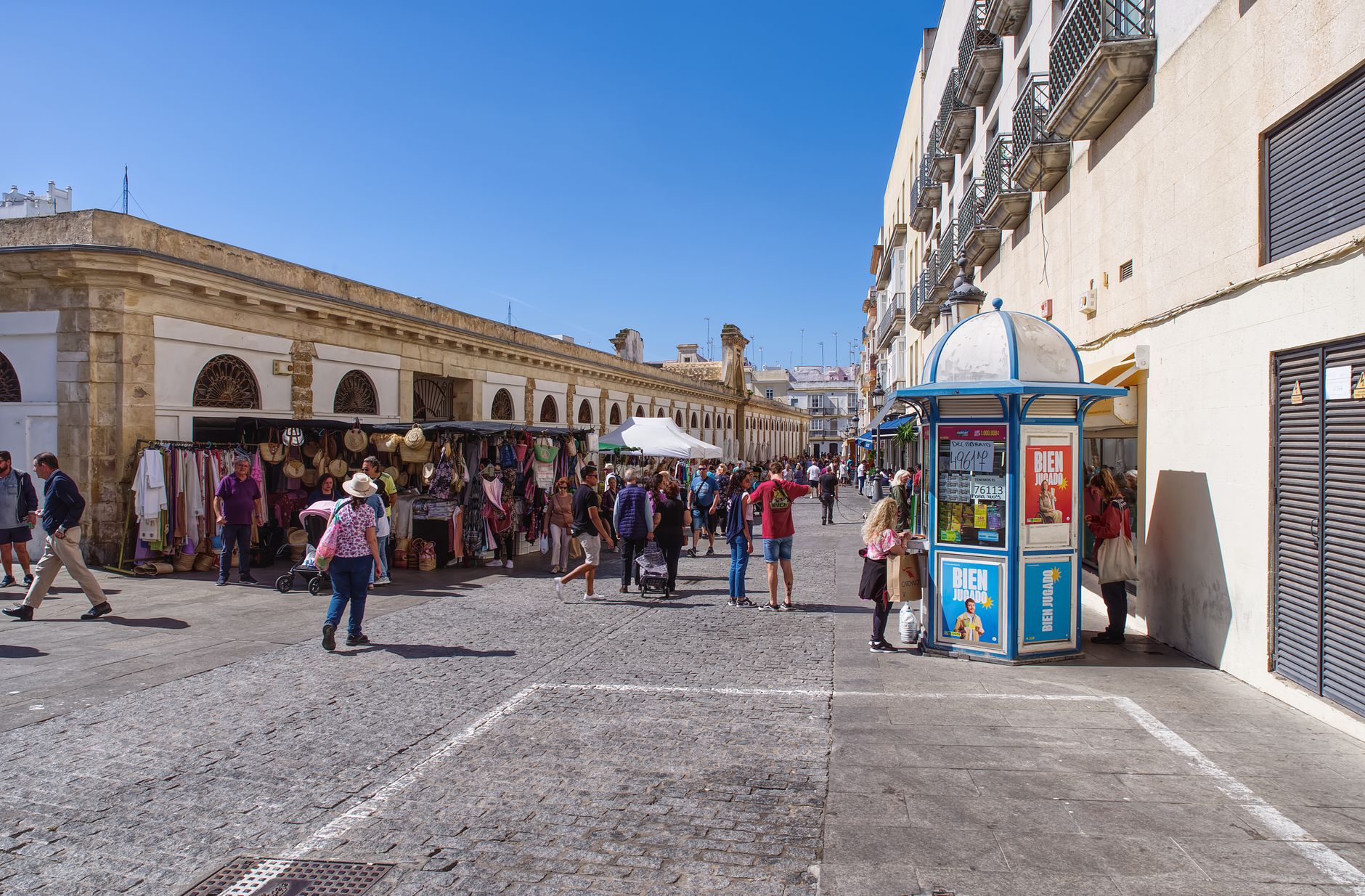
Browse Mercado Central for red tuna loin, Chiclana vegetables, and sea urchins, best eaten standing at the outer tapas counters.
Coastal Walks in Cádiz Andalusia Spain
Follow the stone sea walls from Alameda de Apodaca past Santa Catalina castle down to the tidal causeway of San Sebastián.
Maritime History in Cádiz Andalusia Spain
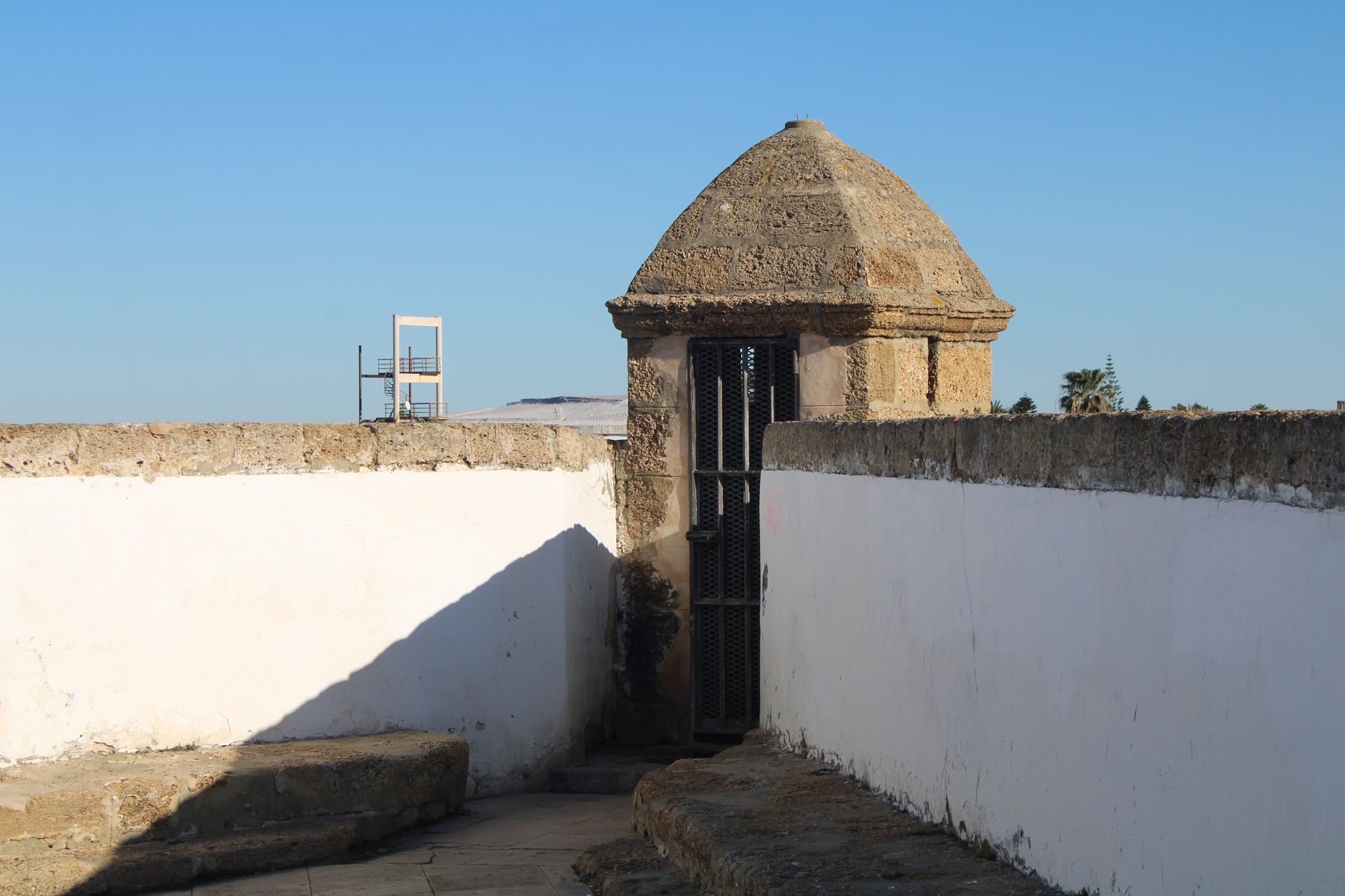
Trace three millennia of port trade from Phoenician Gadir ruins beneath the puppet theatre to the eighteenth-century watchtowers.
Sacred Architecture in Cádiz Andalusia Spain
Climb the ramp of the golden-domed Cathedral for panoramic sea views, then visit the crypt holding composer Manuel de Falla.
Wine Traditions in Cádiz Andalusia Spain
Sip bone-dry Manzanilla from Sanlúcar or salty Fino from El Puerto de Santa María alongside olives in shaded neighbourhood plazas.
Street Food in Cádiz Andalusia Spain
Grab paper cones of crisp chicharrones especiales and fried puntillitas from fry-shops near Plaza de las Flores.
Urban Beaches in Cádiz Andalusia Spain
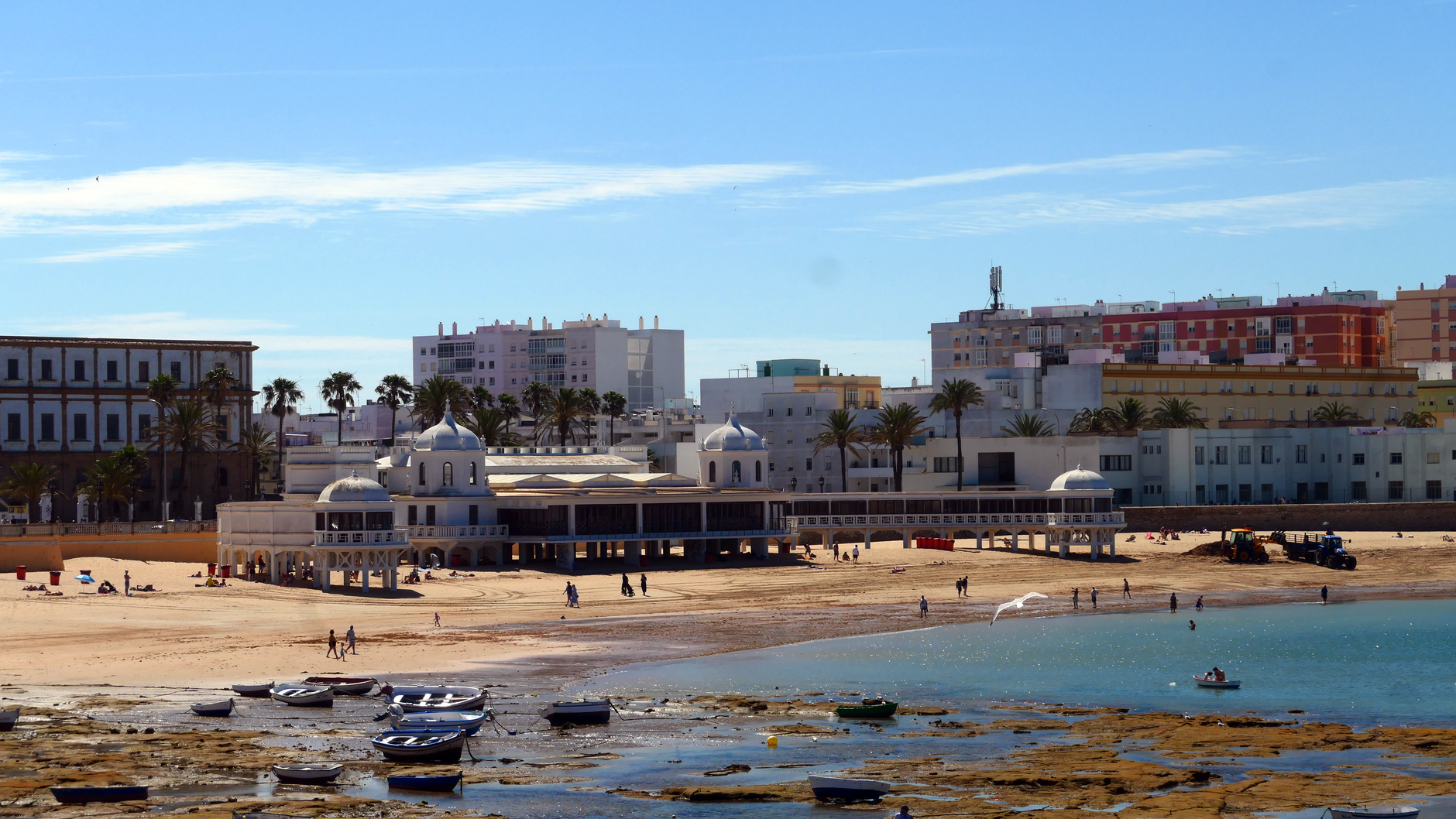
Swim the calm Atlantic waters at horseshoe-shaped Playa de La Caleta or walk the miles of open sand along Playa de la Victoria.
Ancient Ruins in Cádiz Andalusia Spain
Walk the excavated stone tiers of the first-century BC Roman Theatre tucked directly beneath the medieval El Pópulo district.
Scenic Towers in Cádiz Andalusia Spain
Ascend Torre Tavira to view the white rooftop cityscape through its eighteenth-century camera obscura projection room.
Day Trips in Cádiz Andalusia Spain
Ride the commuter catamaran across the bay to El Puerto de Santa María for sherry bodegas and grilled Atlantic mackerel.
Flamenco Heritage in Cádiz Andalusia Spain
Listen to raw alegrías and soleá rhythms in intimate peñas across Barrio Santa María, one of the historic cradles of the art.