.jpg)
,_esgl%C3%A9sia_i_monument_a_Prim.jpg)
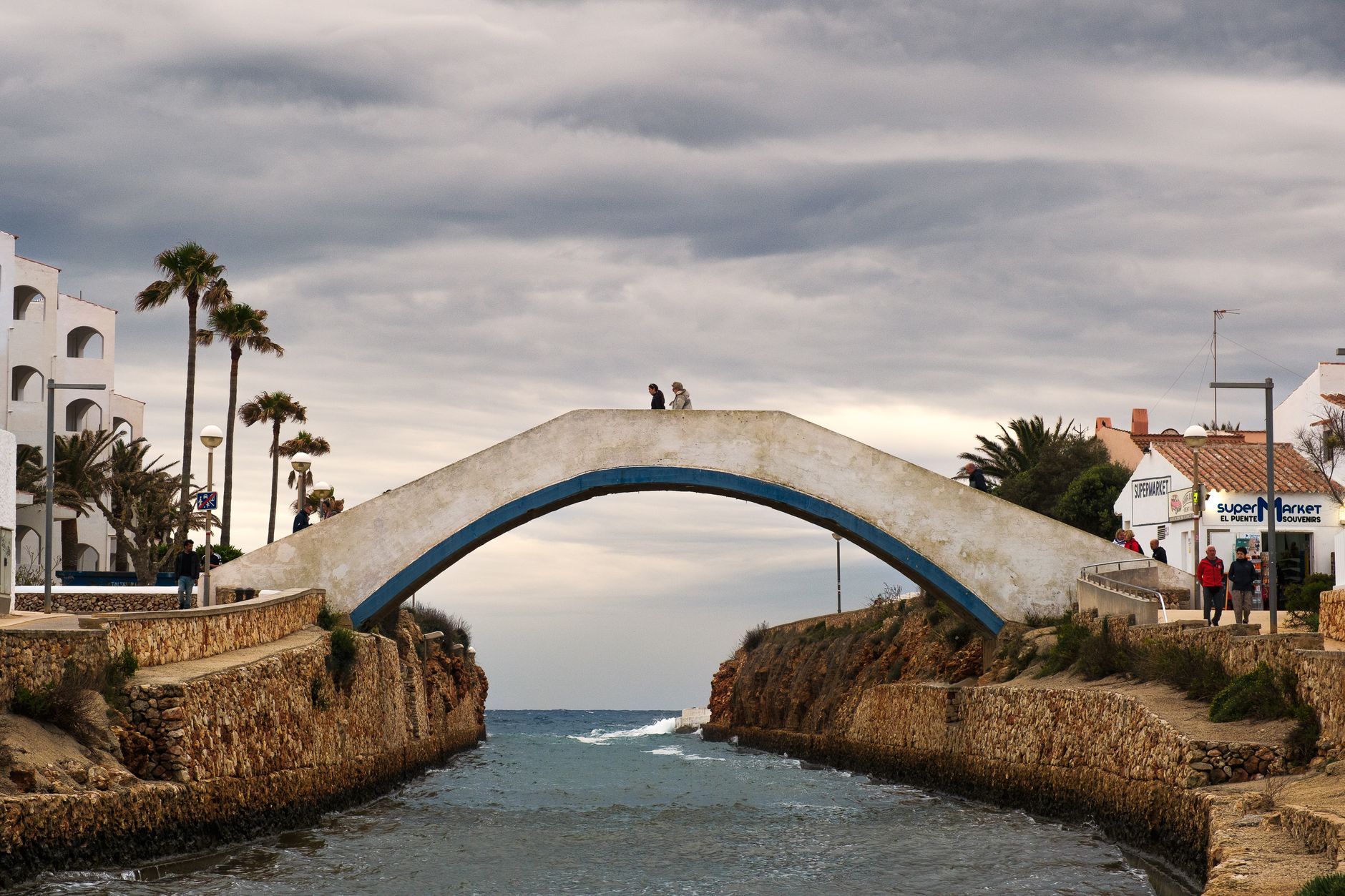


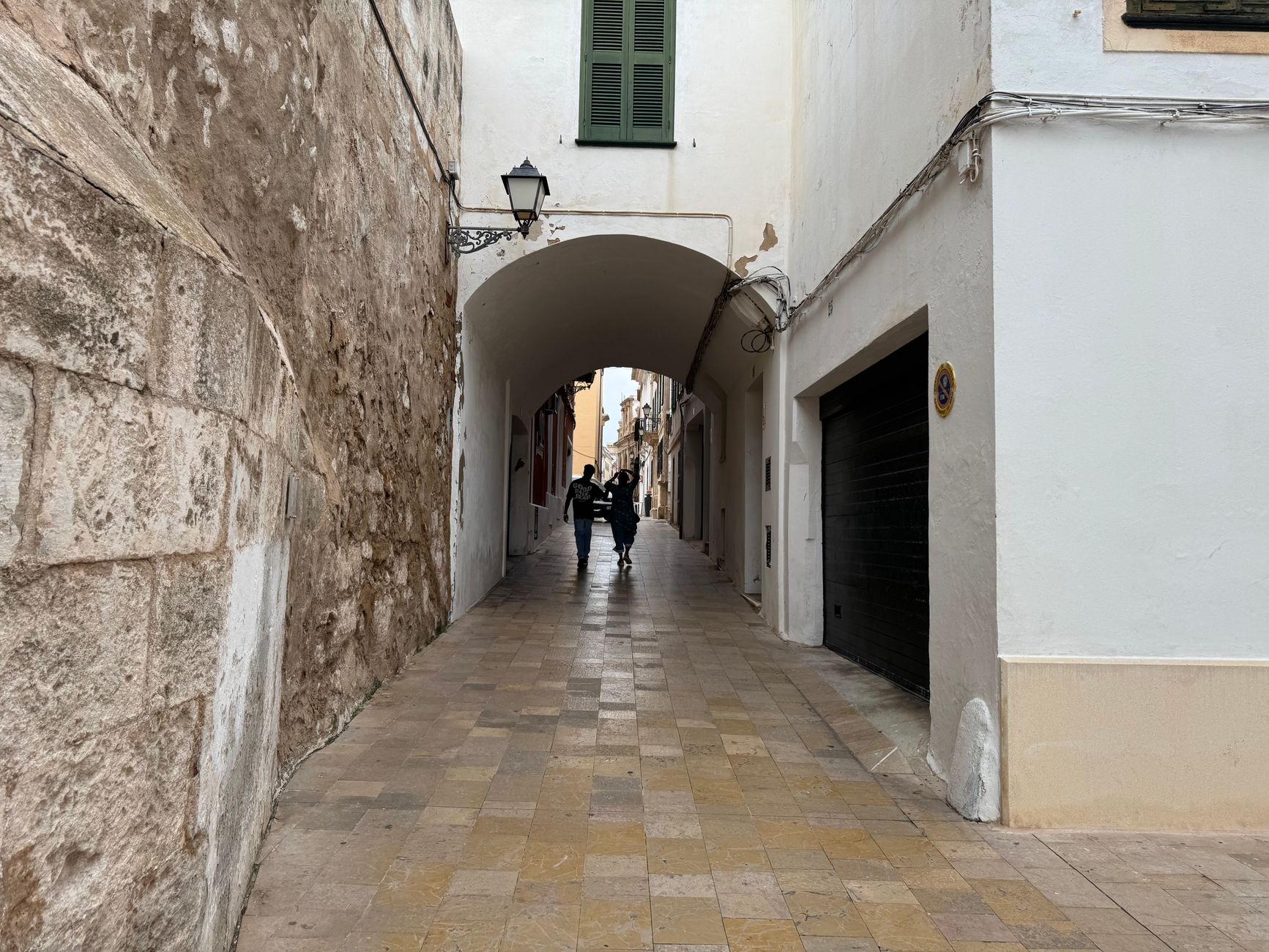
Pale sandstone soaks up late afternoon heat along the narrow alleys of the old capital, while clinking rigging echoes from the long inlet harbour below. You arrive through quiet porticoes into Plaça des Born, where former noble palaces outnumber souvenir shops by a healthy margin. The town belongs to lobster caldereta eaten straight from clay pots, quiet courtyard coffee, and the clatter of horse hooves that still echoes months after festival week.
Last updated 27 Aug 2026
Build a Ciutadella itinerary.
Choose up to 4 threads that pull you in. Your plan arrives organised around them.
We'll craft a 4-lens plan for Ciutadella, one collapsible strand per lens.
Pastries & Bakeries
Pick up spiral ensaïmades dusted in powdered sugar and savoury formatjades filled with spiced pork from wood-fired neighbourhood bakeries.
Pastries & Bakeries
Pick up spiral ensaïmades dusted in powdered sugar and savoury formatjades filled with spiced pork from wood-fired neighbourhood bakeries.
Warm Ensaimadas and Cafe
Pastisseria Diamante
Step up to the counter for a warm plain ensaimada dusted with sugar and a black coffee. You will spend under five euros and be back on the cobbles in twenty minutes.
Editor TipMenorcan ensaimadas rely on saïm, rendered pork lard layered into spiralled dough, a sixteenth-century baking ritual that leaves your fingers glistening and all self-restraint at the door. Arrive before nine before the trays of plain llises sell out to locals buying breakfast by the box.
Local Seafood
Order caldereta de llagosta simmering in clay bowls along Moll de Llevant, or red mullet pan-fried with garlic at family-run harbour tables.
Local Seafood
Order caldereta de llagosta simmering in clay bowls along Moll de Llevant, or red mullet pan-fried with garlic at family-run harbour tables.
Harbourfront Spiny Lobster Stew
Café Balear
Reserve days ahead for a waterside table at the old port. Order the caldereta de langosta, caught by their boat Rosa Milagrosa, with thin slices of crusty pan de payés.
Editor TipCaldereta is Menorca's benchmark fisherman dish, built on local spiny lobster simmered in a sofrito enriched with lobster coral, garlic, parsley, and ground almonds. Ask for extra broth-soaked toasts at the base of the bowl. That rich sediment is where the entire cooking effort concentrates.
Warm Ensaimadas and Tallat
Forn Can Bep
Order at the counter and take an ensaimada with a tallat. Three euros buys your breakfast and twenty quiet minutes before the narrow street fills with daily commerce.
Editor TipLard-laminated sweet dough has anchored Balearic mornings since the seventeenth century. Ciutadella bakers slow-proof the coiled pastry overnight to achieve an airy, feather-light interior. Point politely at the freshest tray on the rack. The staff appreciate decisive eaters over elaborate phrasing.
Coastal Walks
Follow the white Camí de Cavalls markers north past limestone cliffs toward the striped lighthouse standing proud at Punta Nati.
Coastal Walks
Follow the white Camí de Cavalls markers north past limestone cliffs toward the striped lighthouse standing proud at Punta Nati.
Hiking the Northern Drystone Coast
Camí de Cavalls: Punta Nati
Park at Punta Nati lighthouse by 08:30 before the sun climbs. The rocky clifftop path is free, exposed and takes around two hours out to the stone shelters and back.
Editor TipThe Camí de Cavalls is a fourteenth-century bridleway built to defend Menorca's coast. Here, thousands of hand-built drystone walls, or barraques, shield sheep from the bitter north Tramuntana wind. Pack a litre of water and stout shoes; limestone clints shred thin trainers and there is zero shade.
Limestone Clifftop Sunset Walk
Far de Punta Nati
Drive ten minutes north from Ciutadella along the walled lane. Park at the small turnaround and walk the flat final kilometre to the sea.
Editor TipErected after a French steamship foundered in 1910, this stark headland forms the most barren and dramatic stretch of the historic Camí de Cavalls trail. Pack a windbreaker and skip the sandals. The bare limestone shelf is sharp, breezy, and hard on exposed ankles.
Markets & Produce
Browse the Plaça de la Llibertat fish hall for whole skate and pick up cured Mahón-Menorca cheese and spicy sobrassada from market delis.
Markets & Produce
Browse the Plaça de la Llibertat fish hall for whole skate and pick up cured Mahón-Menorca cheese and spicy sobrassada from market delis.
Fish Hall and Sobrassada
Mercat Municipal de Ciutadella
Walk the green iron arcade, inspect the day's red mullet, and buy a slice of aged Mahón-Menorca cheese and cured sobrassada from the outer stalls. Allow forty-five minutes.
Editor TipBuilt in the nineteenth century on Plaça de la Llibertat, this market concentrates Menorca's small-boat fishery and island dairy crafts into one loud, stone-paved square. The fish stalls pack up once the morning catch is gone, so do not delay this past noon.
Raw Milk Mahón Cheese Tasting
Formatgeria Son Piris
Drive twenty minutes inland along Me-1. Expect to spend 10 euros on wedges aged from mild semi-curat to intense curat, rubbed with paprika and olive oil. Allow 45 minutes.
Editor TipTraditional Mahón-Menorca cheese uses raw cow's milk pressed in cloth squares called fogasser. Salt breezes dusting the pasture give the rind its distinct, faintly briny character. Ask for the curat aged over nine months; it has tiny tyrosine crystals that crackle like good Parmigiano.
Note from the Editor
“Start before nine to have the narrow limestone streets almost to yourself. By eleven, day-trippers arrive from the resorts, so complete your bakery and fish market runs early.”
The Bed
Where to stay in Ciutadella
Which part of town to book, and what each one costs you in walking, noise or quiet.
The Comparison
Ciutadella, or somewhere near it
The places you are realistically choosing between, and the honest case for each.
The Local Record
Where to read more about Ciutadella
The blogs, boards, guides and operators worth bookmarking.
What to do in Ciutadella Menorca Spain
Life here pivots between the sheltered fjord-like port and the shaded lanes of the medieval quarter. Mornings begin with coffee beneath the whitewashed arches of Ses Voltes, while afternoons drift toward prehistoric monuments and secluded coves. It suits independent walkers, patient eaters, and anyone who prefers historic stone and slow harbour dinners over organised resort bustle.
24 hours in Ciutadella Menorca Spain
Start under the arcades of Ses Voltes with an ensaïmada, then tour the cathedral and Plaça des Born. By one o'clock, head down the stone steps to the port for caldereta de llagosta. Finish with a pre-sunset stroll out to Castell de Sant Nicolau, barely fifteen minutes on foot from the centre. Select 1 Day above to see it.
2 days in Ciutadella Menorca Spain
Day two belongs to the coast. Walk a rocky section of the Camí de Cavalls out to the wind-buffeted lighthouse at Punta Nati, then cool off in the clear waters of Cala en Turqueta. In the evening, share plates of Mahón cheese and grilled cuttlefish at a backstreet tavern away from the port. Choose 2 Days to expand the plan.
3 days in Ciutadella Menorca Spain
A third day lets you delve into deep history. Inspect the prehistoric stones of Naveta d'Es Tudons in the morning chill before visiting the carved limestone canyons of Lithica. Spend your final afternoon lingering over a cold pomada while watching wooden fishing boats glide back to port.
Ciutadella Menorca Spain itineraries by interest
Local Seafood in Ciutadella Menorca Spain
Order caldereta de llagosta simmering in clay bowls along Moll de Llevant, or red mullet pan-fried with garlic at family-run harbour tables.
Sacred Architecture in Ciutadella Menorca Spain
Step inside the 14th-century Gothic Santa Maria Cathedral, built on a former mosque, and visit the cool cloisters of the Diocesan Museum.
Coastal Walks in Ciutadella Menorca Spain
Follow the white Camí de Cavalls markers north past limestone cliffs toward the striped lighthouse standing proud at Punta Nati.
Markets & Produce in Ciutadella Menorca Spain
Browse the Plaça de la Llibertat fish hall for whole skate and pick up cured Mahón-Menorca cheese and spicy sobrassada from market delis.
Maritime History in Ciutadella Menorca Spain
Climb the ramparts of Castell de Sant Nicolau guarding the inlet mouth, then watch traditional wooden llaut boats unload their afternoon catch.
Craft Traditions in Ciutadella Menorca Spain
Seek out workshops stitching traditional leather avarcas sandals and master cobblers working along the shaded arcades of Ses Voltes.
Historic Palaces in Ciutadella Menorca Spain
Wander Plaça des Born to admire the neoclassical facades of Palau Salort and Palau Torresaura, remnants of island aristocracy.
Local Drinks in Ciutadella Menorca Spain
Sip a cold pomada mixing Menorcan gin with cloudy lemonade on a terrace bench, preferably after midday heat begins to ease.
Beaches in Ciutadella Menorca Spain
Swim in the turquoise waters of Cala Macarella and pine-fringed Cala Turqueta, best reached early before summer carparks fill.
Ancient History in Ciutadella Menorca Spain
Visit the Naveta d'Es Tudons, a Bronze Age megalithic stone tomb shaped like an inverted boat standing silent just east of town.
Pastries & Bakeries in Ciutadella Menorca Spain
Pick up spiral ensaïmades dusted in powdered sugar and savoury formatjades filled with spiced pork from wood-fired neighbourhood bakeries.
Quarry Landscapes in Ciutadella Menorca Spain
Explore Lithica at the Pedreres de s'Hostal, a dramatic maze of sheer, hand-carved limestone quarries turned botanical garden.