.jpg)


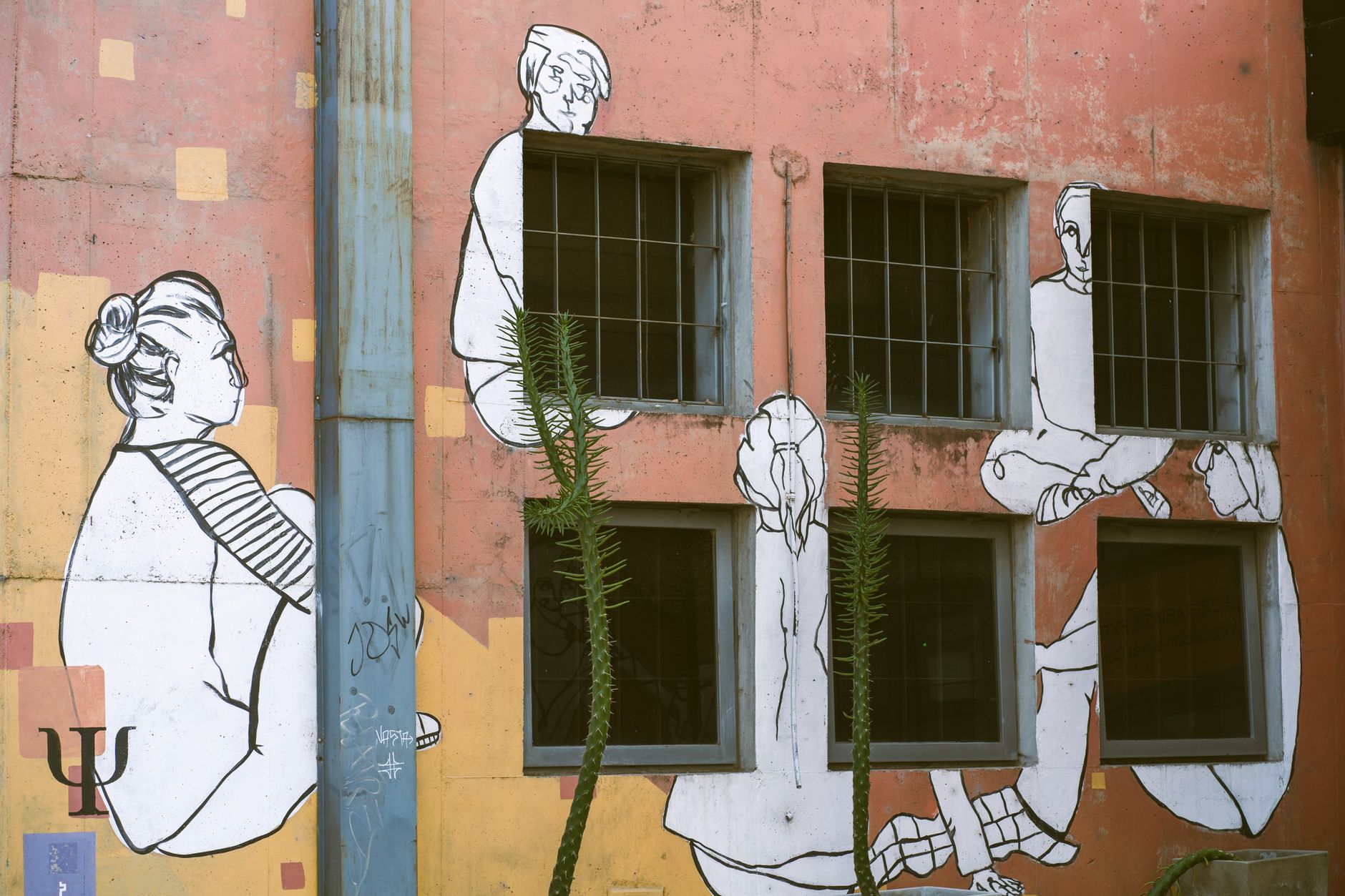

Stone underfoot stays warm well past midnight along the Guadalquivir, where the Roman bridge delivers you straight into a dense grid of whitewashed limestone. In the eighth century, this was the intellectual capital of Europe; today it is an easy-walking Andalusian city running on thick bowls of salmorejo, crisp fried aubergines drizzled with dark cane honey, and the quiet wonder of the Mezquita's forest of two-toned arches.
Last updated 29 Aug 2026
Build a Córdoba itinerary.
Choose up to 4 threads that pull you in. Your plan arrives organised around them.
The Bed
Where to stay in Córdoba
Which part of town to book, and what each one costs you in walking, noise or quiet.
The Comparison
Córdoba, or somewhere near it
The places you are realistically choosing between, and the honest case for each.
The Local Record
Where to read more about Córdoba
The blogs, boards, guides and operators worth bookmarking.
What to do in Córdoba Andalusia Spain
Córdoba is an exceptionally walkable city shaped by the curve of the Guadalquivir and centuries of layered Moorish, Jewish, and Christian architecture. The daily rhythm is unhurried: morning exploration of the Mezquita and narrow Judería lanes, a long tavern lunch sheltered from the midday sun, and an evening stroll across the Roman Bridge. It suits travellers who prefer deep historical texture, accessible walking, and unpretentious regional cooking.
24 hours in Córdoba Andalusia Spain
Reserve an early morning slot at the Mezquita to beat tour crowds. Walk the winding lanes of the Judería, then claim a table at Taberna San Miguel for a bowl of salmorejo and flamenquín. Finish the day with an evening walk past the illuminated Roman Bridge and a quiet glass of Montilla-Moriles wine in Plaza del Potro. Select 1 Day above to see it.
2 days in Córdoba Andalusia Spain
Day two takes you beyond the monument quarter into San Basilio to visit the famous tiled courtyards. Explore the terraced gardens of the Alcázar de los Reyes Cristianos, then walk north to Santa Marina for slow-cooked rabo de toro at a neighbourhood taberna favoured by locals over tourists. Choose 2 Days to expand the plan.
3 days in Córdoba Andalusia Spain
A third day allows a morning excursion to the tenth-century palace ruins of Medina Azahara, just fifteen minutes west by shuttle bus. Return for a restful afternoon in the gardens of Palacio de Viana, followed by tapas of fried aubergine with cane honey near Plaza de la Corredera.
Córdoba Andalusia Spain itineraries by interest
Sacred Architecture in Córdoba Andalusia Spain
Step into the eighth-century Mezquita-Catedral, where 856 jasper, onyx, and granite columns support horseshoe arches beneath a Renaissance choir.
Local Specialities in Córdoba Andalusia Spain
Order thick, tomato-rich salmorejo topped with chopped jamón and egg, followed by crisp berenjenas con miel de caña and braised rabo de toro.
Wine Culture in Córdoba Andalusia Spain
Sip dry, nutty Montilla-Moriles wines, particularly aged Fino and dark Pedro Ximénez, poured from barrels in traditional taverns across San Lorenzo.
Courtyard Gardens in Córdoba Andalusia Spain
Wander the San Basilio quarter to admire whitewashed residential patios crowded with potted geraniums, iron wells, and cooling stone fountains.
Historic Quarters in Córdoba Andalusia Spain
Navigate the narrow, medieval alleys of the Judería, finding the 14th-century synagogue and quiet plazas tucked behind Calleja de las Flores.
Roman Heritage in Córdoba Andalusia Spain
Cross the 16-arch Roman Bridge over the Guadalquivir at dusk and examine the reconstructed first-century temple columns on Calle Capitulares.
Archaeological Sites in Córdoba Andalusia Spain
Travel five miles west to Medina Azahara to inspect the palatial tenth-century ruins and carved stucco arches built by Caliph Abd al-Rahman III.
Traditional Taverns in Córdoba Andalusia Spain
Stand at the zinc bar of century-old tabernas like Casa El Pisto for flamenquín, braised bull tail, and a chilled glass of local fortified wine.
Craft Traditions in Córdoba Andalusia Spain
Inspect intricate silver filigree jewellery and cordobán embossed leather goods produced in artisan workshops scattered through the old quarters.
Public Gardens in Córdoba Andalusia Spain
Walk the terraced water gardens of the Alcázar de los Reyes Cristianos, shaded by orange trees and lined with rectangular reflecting pools.
Food Markets in Córdoba Andalusia Spain
Browse Mercado Victoria, an iron-framed pavilion offering Iberian ham, local cheeses, and Andalusian tapas just west of the historic core.
Riverside Walks in Córdoba Andalusia Spain
Stroll the Paseo de la Ribera along the Guadalquivir past the historic Sotos de la Albolafia watermills and the Calahorra Tower.