
.jpg)
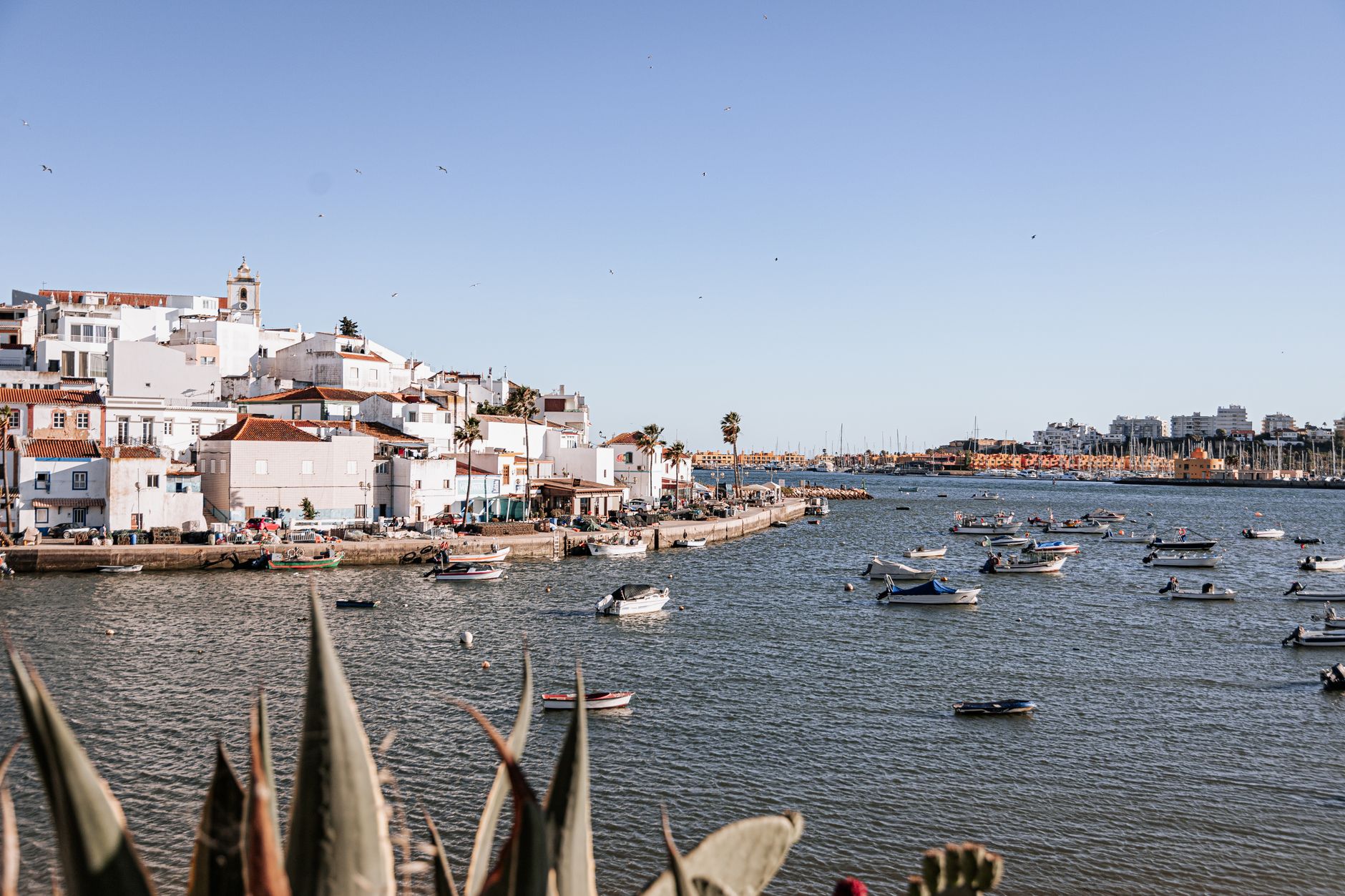

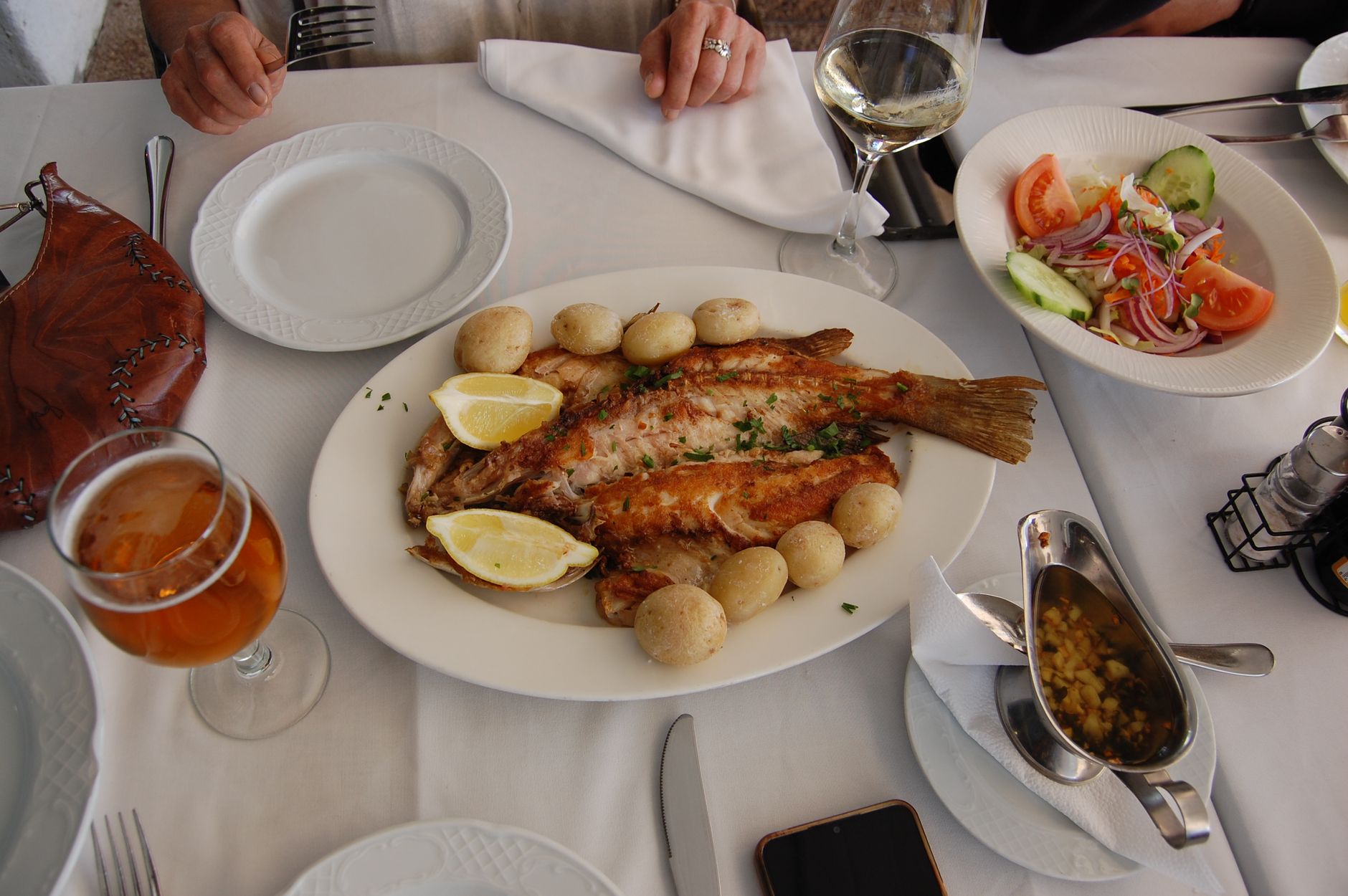

Ferragudo sits across the Arade estuary from Portimão, fifty minutes west of Faro Airport by car. It is known for its working fishing quay, outdoor charcoal grills, and narrow staircases climbing toward the parish church. Ferragudo is worth visiting if you want fresh sardines grilled outdoors by the harbour, slow morning walks on cobblestones, and cliff-backed coves. Look elsewhere if you want high-energy nightlife, resort amenities, or a flat, car-free town centre.
Last updated 14 Oct 2026
Build a Ferragudo itinerary.
Choose up to 4 threads that pull you in. Your plan arrives organised around them.
The Bed
Where to stay in Ferragudo
Which part of town to book, and what each one costs you in walking, noise or quiet.
The Comparison
Ferragudo, or somewhere near it
The places you are realistically choosing between, and the honest case for each.
The Local Record
Where to read more about Ferragudo
The blogs, boards, guides and operators worth bookmarking.
What to do in Ferragudo Algarve Portugal
Ferragudo drapes across a hillside along the Arade River, balancing working fishing skiffs with quiet residential alleys. Days here revolve around the tidal rhythms of the harbour, long lunches of charcoal-grilled fish, and afternoon walks across sandy coves like Praia Grande. It suits independent travellers who value unhurried village pace, direct access to coastal paths, and genuine neighbourhood tabernas over manufactured resort nightlife.
24 hours in Ferragudo Algarve Portugal
Start with an espresso on Praça Rainha Dona Leonor before climbing to Igreja Matriz. Spend midday at Praia da Angrinha beneath the fort, then take a riverfront table for grilled sardines and chilled white wine. Finish with a sunset walk to Ponta do Altar lighthouse, just twenty minutes on foot from town. Select 1 Day above to see it.
2 days in Ferragudo Algarve Portugal
Dedicate your second day to the coastline. Walk the cliff paths south toward Praia dos Caneiros for lunch at a beach shack, eating clams and grilled sea bass. In the evening, take the five-minute river taxi to Portimão for a change of pace before returning to Ferragudo for a quiet nightcap in the square. Choose 2 Days to expand the plan.
3 days in Ferragudo Algarve Portugal
A third day opens up the hinterland. Drive fifteen minutes upriver to the Moorish castle of Silves for morning history and regional stew, or take a morning boat tour along the limestone arches of the coast. Spend your final evening lingering over cataplana in the steep backstreets above the harbour.
Ferragudo Algarve Portugal itineraries by interest
Local Seafood in Ferragudo Algarve Portugal
Order sea bream or sardines grilled over charcoal beside the Arade quay, paired with boiled potatoes and a simple Algarvian tomato and oregano salad.
Coastal Walks in Ferragudo Algarve Portugal
Follow the cliff trail from Praia Grande past the ochre limestone headlands to Ponta do Altar lighthouse for sweeping views across the bay to Lagos.
Maritime Heritage in Ferragudo Algarve Portugal
See local fishermen mend nets beside wooden trawlers along the docks, beneath the seventeenth-century ramparts of the Fort of São João do Arade.
Sacred Architecture in Ferragudo Algarve Portugal
Climb the cobblestone alleys of Rua Dr. Luiz António dos Santos to the whitewashed Igreja Matriz de Nossa Senhora da Conceição for river views.
Beaches in Ferragudo Algarve Portugal
Walk south from the sheltered sands of Praia da Angrinha to the sandstone sea stacks and quiet waters of Praia dos Caneiros and Praia Grande.
Regional Wine in Ferragudo Algarve Portugal
Sample crisp Arinto and robust Negra Mole reds produced in the nearby Lagoa wine subregion at local tabernas around Praça Manuel Teixeira Gomes.
Boat Excursions in Ferragudo Algarve Portugal
Board small skiffs at the fishing pier to navigate sea caves near Benagil or take the regular passenger water taxi across the river to Portimão.
Markets & Produce in Ferragudo Algarve Portugal
Visit the modest morning Mercado Municipal for morning-caught mackerel, local figs, raw almonds, and sheep cheese brought in from the Monchique hills.
Village Life in Ferragudo Algarve Portugal
Settle into a café on Praça Rainha Dona Leonor for morning bica and pastéis de nata as residents trade news beneath the bougainvillea.
Birdwatching in Ferragudo Algarve Portugal
Scan the Arade river mudflats and salt marshes during low tide for wading spoonbills, grey herons, black-winged stilts, and seasonal flamingos.
Traditional Crafts in Ferragudo Algarve Portugal
Browse small workshops tucked into whitewashed lanes for hand-painted terracotta pottery, traditional palm-leaf baskets, and glazed azulejo tiles.
Day Trips in Ferragudo Algarve Portugal
Take a ten-minute drive north to explore the Moorish red sandstone castle and winding medieval alleys of ancient Silves along the Arade.