Getaria.


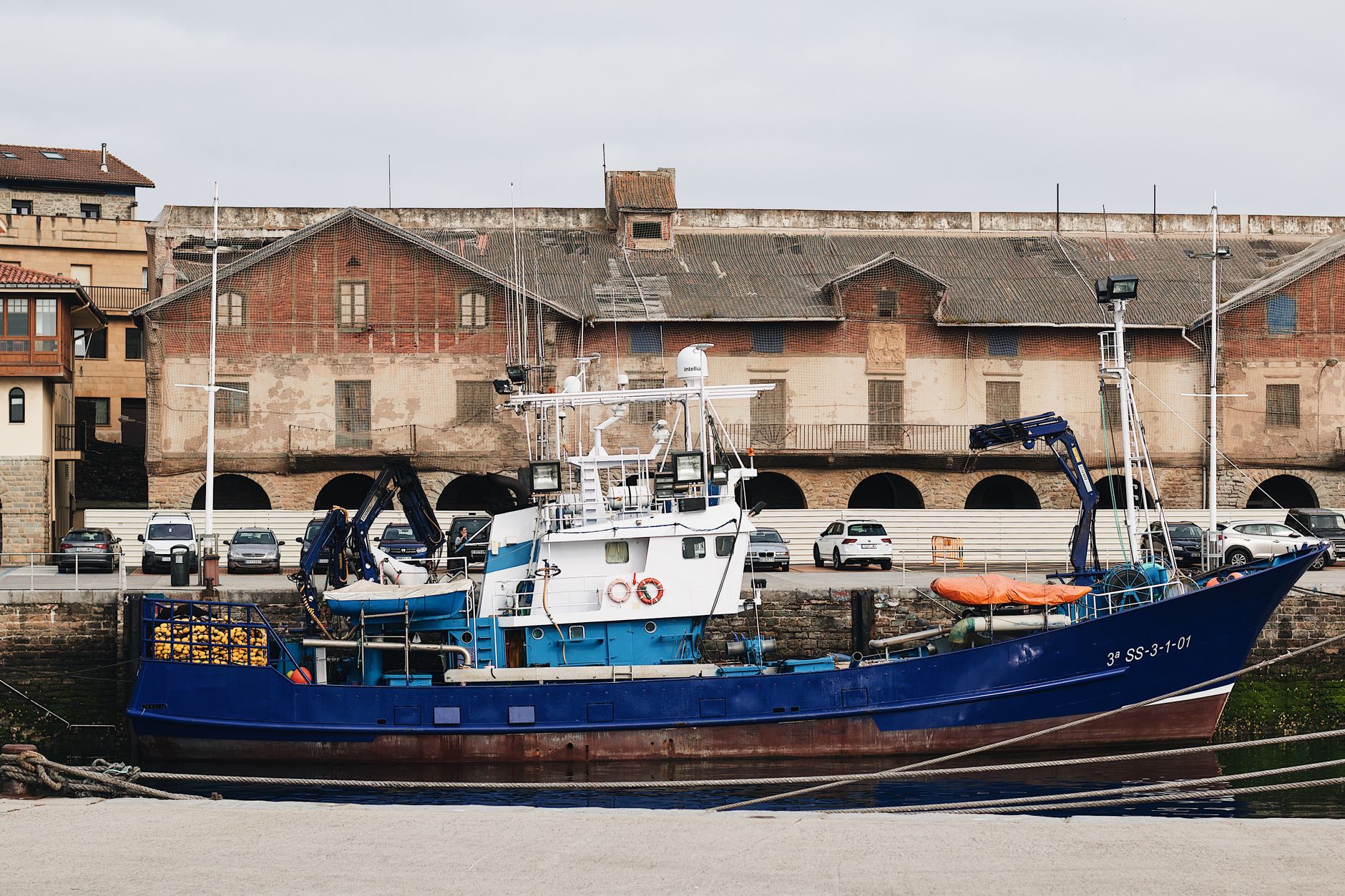
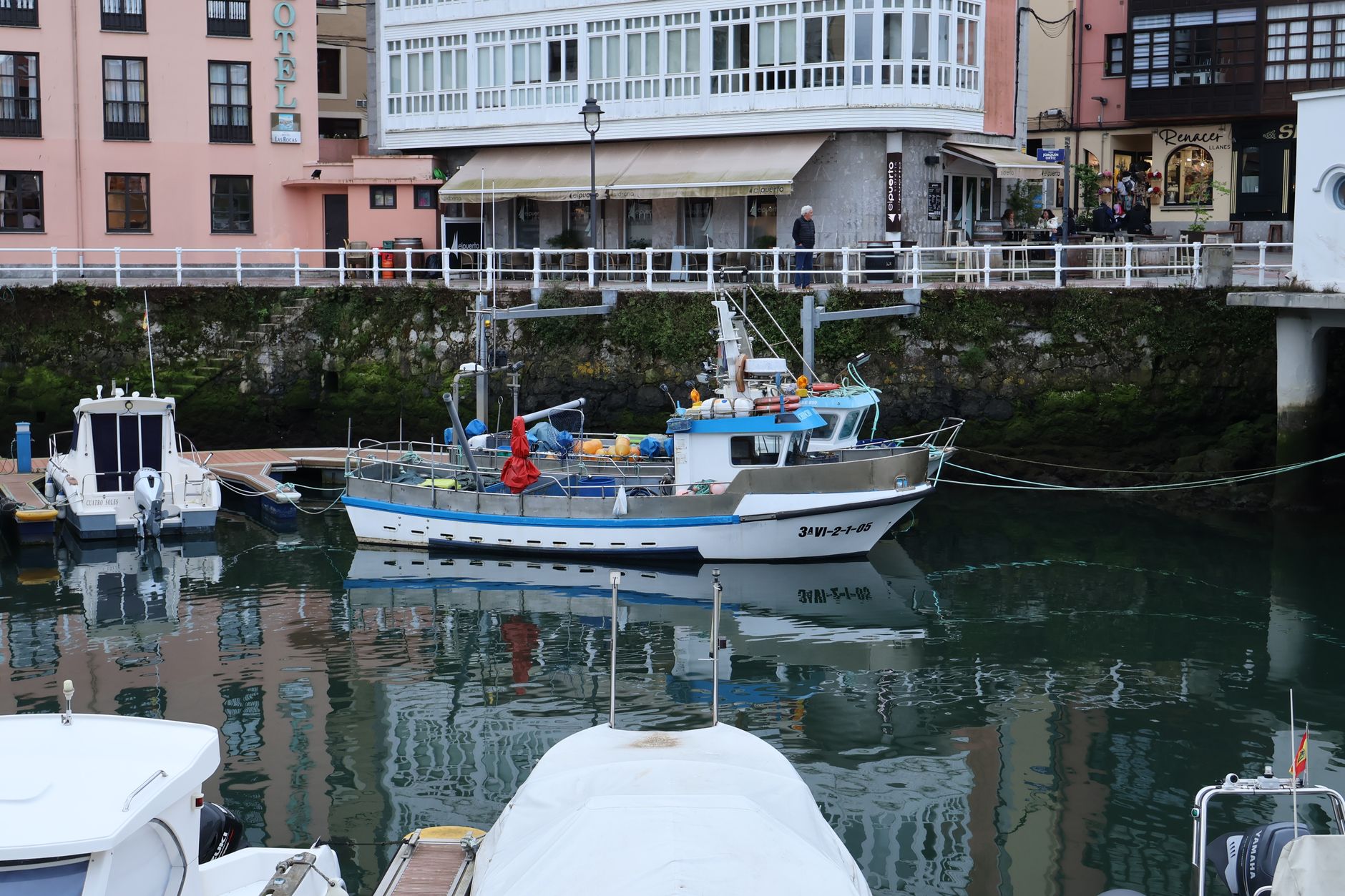
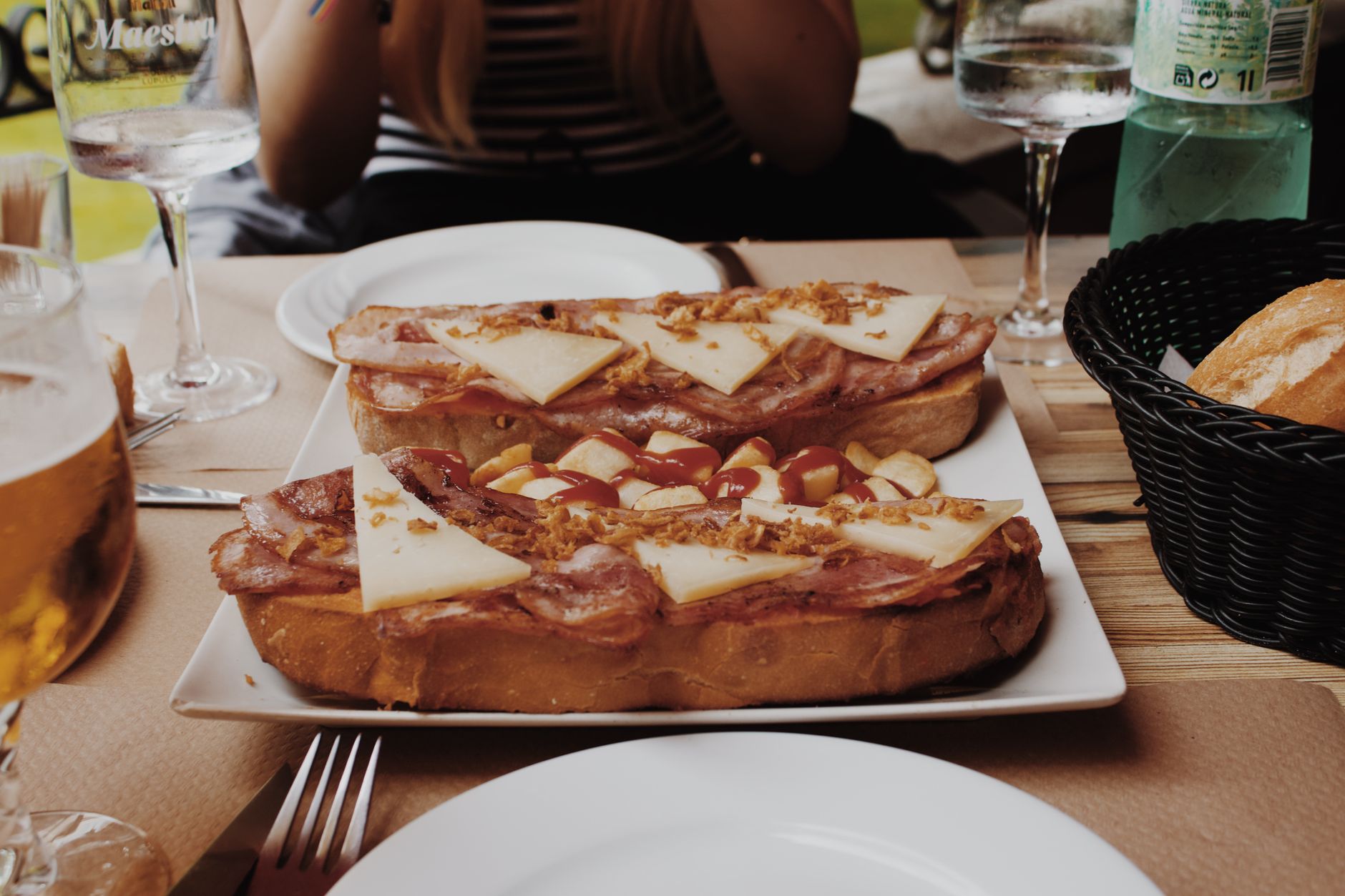
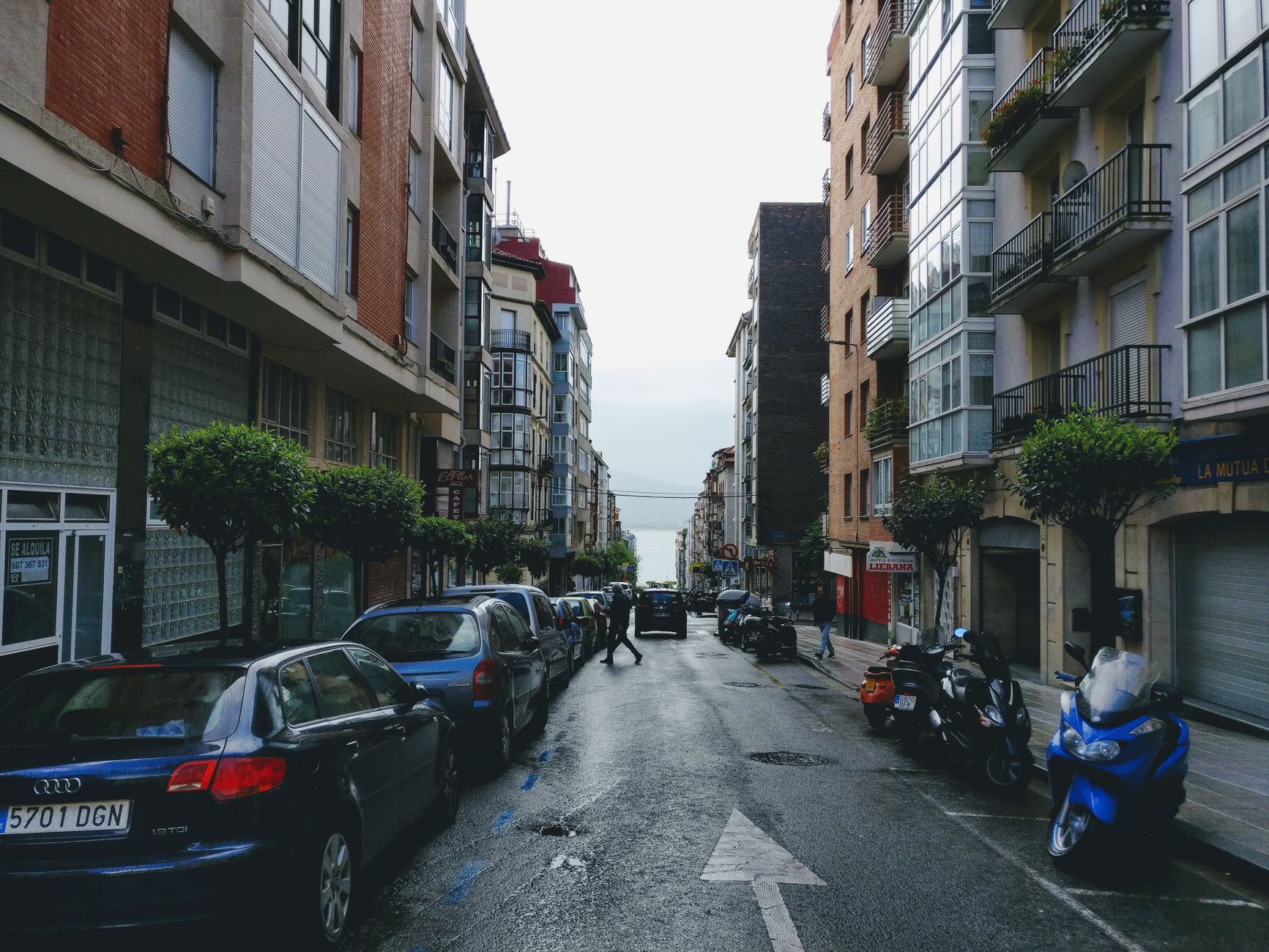
You smell Getaria before you see the docks: charcoal smoke, salt air, and sizzling fish fat drifting down Calle Mayor. This medieval Basque port clings to a rocky promontory below steep vineyard terraces. The entire rhythm of town turns on two things, the morning catch of turbot and hake unloaded at the harbour, and the outdoor iron grills where whole fish are blistered with oil, garlic, and vinegar until the skin turns to glass.
Last updated 22 Aug 2026
Build a Getaria itinerary.
Choose up to 4 threads that pull you in. Your plan arrives organised around them.
We'll craft a 3-lens plan for Getaria, one collapsible strand per lens.
Artisan Preserves
Stop into waterfront shops like Conservas Maisor to watch workers hand-fillet Cantabrian boquerones and pack salted white tuna into glass jars with olive oil.
Artisan Preserves
Stop into waterfront shops like Conservas Maisor to watch workers hand-fillet Cantabrian boquerones and pack salted white tuna into glass jars with olive oil.
Tasting Cantabrian Salted Anchovies
Conservas Maisor
Step into this portside workshop for a counter tasting of spring-caught anchovies and white tuna. Expect to spend fifteen euros and thirty minutes.
Editor TipCoastal craftswomen have filleted and salted Engraulis encrasicolus in this port for generations, curing each batch in sea salt barrels for six months. Ask for the whole salted fillets without oil if you want the purest expression of the cure.
Seafood & Grills
Watch whole rodaballo and besugo cooked over outdoor lump-charcoal grates at Elkano or Kaia-Kaipe, splashed with the house oil, garlic, and vinegar dressing.
Seafood & Grills
Watch whole rodaballo and besugo cooked over outdoor lump-charcoal grates at Elkano or Kaia-Kaipe, splashed with the house oil, garlic, and vinegar dressing.
Charcoal-Grilled Whole Turbot
Asador Kaia-Kaipe
Reserve weeks ahead for a terrace table facing the harbor. Order a whole wild turbot priced by weight and watch the kitchen work the outdoor street-level braziers.
Editor TipGetaria grill masters pioneered fish-roasting cradles over open lump charcoal in the twentieth century, turning skin, fat, and bone into a rich emulsion dressed with Txakoli vinegar. Do not leave the gelatinous cheek or the cartilage around the fins behind; that is where the deep flavor lives.
Tidal Bay Sea Swim
Playa de Itzurun
Walk ten minutes down from Zumaia station. Entry is free, conditions depend on the low tide, and you will want a towel ready for the cold Atlantic bite.
Editor TipThese jagged limestone layers formed over sixty million years of ocean sediment, buffering the Basque coast from ferocious Bay of Biscay swells. Check the tide charts before stepping in. Low water exposes the softest sand and safest entry points.
Beaches & Swimming
Pack a towel for Gaztetape Beach on the exposed western shore for surf, or seek the calm waters of Malkorbe Beach tucked beside the breakwater and fishing marina.
Beaches & Swimming
Pack a towel for Gaztetape Beach on the exposed western shore for surf, or seek the calm waters of Malkorbe Beach tucked beside the breakwater and fishing marina.
Morning Swim at Malkorbe
Playa de Malkorbe
Walk down the ramp from the eastern wall for calm, sheltered water. Give yourself an hour; the bay is quiet and clear before ten in the morning.
Editor TipTucked beneath the shadow of Mount San Anton, this curve of golden sand shields swimmers from the Cantabrian swell and served for centuries as Getaria's natural harbor. Bring water shoes if you plan to walk along the rocky eastern ledge toward the outer breakwater.
Note from the Editor
“The port wakes before the visitors do. Hit the water early, then catch the canneries as the morning pack is prepared, well before the lunch crowds settle in.”
The Bed
Where to stay in Getaria
Which part of town to book, and what each one costs you in walking, noise or quiet.
Places to stay
Central, well-rated and easy to find again. Distances are from the middle of town.
These links go to Booking.com and earn us a commission. They cost you nothing extra.
The Comparison
Getaria, or somewhere near it
The places you are realistically choosing between, and the honest case for each.
The Local Record
Where to read more about Getaria
The blogs, boards, guides and operators worth bookmarking.
What to do in Getaria Basque Country Spain
Getaria is a compact fishing port anchored between the slopes of Mount San Anton and the steep txakoli vineyards of coastal Gipuzkoa. The town revolves around the harbour, the afternoon stroll down Nagusia Kalea, and long lunches centered on whole fish grilled over open coals. It suits travellers who prefer unhurried seafood meals, coastal walking trails, and quiet evenings to bustling resort nightlife.
24 hours in Getaria Basque Country Spain
Start with coffee by the harbour, then walk the coastal path up Mount San Anton. Spend midday exploring the Cristobal Balenciaga Museum before sitting down for a two-hour lunch of charcoal-grilled turbot. In the evening, share anchovies and cold glasses of txakoli along Nagusia Kalea. Select 1 Day above to see it.
2 days in Getaria Basque Country Spain
A second day lets you hike the panoramic vineyard trails up to the Askizu hamlet, where small bodegas pour fresh Hondarrabi Zuri. Walk the paved seaside promenade to neighboring Zarautz for an afternoon swim, then return for grilled bream and roasted peppers at Kaia-Kaipe. Choose 2 Days to expand the plan.
3 days in Getaria Basque Country Spain
With three days, venture west to Zumaia to walk the ancient geological flysch strata at Itzurun Beach, or take a boat along the rugged Basque coastline. Back in Getaria, spend an unhurried morning watching fishermen unload hake at the docks and buying tinned tuna at Conservas Maisor.
Getaria Basque Country Spain itineraries by interest
Seafood & Grills in Getaria Basque Country Spain
Watch whole rodaballo and besugo cooked over outdoor lump-charcoal grates at Elkano or Kaia-Kaipe, splashed with the house oil, garlic, and vinegar dressing.
Local Wine in Getaria Basque Country Spain
Walk the slopes above town to taste effervescent Getariako Txakolina poured from height into flat tumblers, pressed from Hondarrabi Zuri grapes at Txomin Etxaniz.
Fashion & Design in Getaria Basque Country Spain
Visit the Cristobal Balenciaga Museum beside the historic core, housing the master couturier's dramatic silhouettes and tailoring just uphill from his birthplace.
Maritime History in Getaria Basque Country Spain
Trace circumnavigator Juan Sebastian Elcano from his harbourfront monument along the 15th-century ramparts and the Gothic tunnel beneath the church of San Salvador.
Coastal Walks in Getaria Basque Country Spain
Follow the paved seaside footpath three miles east to Zarautz, keeping the crashing Bay of Biscay surf on your left and green coastal cliffs on your right.
Sacred Architecture in Getaria Basque Country Spain
Step into the 14th-century Iglesia de San Salvador, built on a distinct slope with an underground passage where medieval fishermen once sheltered from storms.
Hiking Trails in Getaria Basque Country Spain
Climb the green wooded paths of Mount San Anton, known locally as the Mouse of Getaria, up to the lighthouse watchtower for sweeping views over the Cantabrian Sea.
Beaches & Swimming in Getaria Basque Country Spain
Pack a towel for Gaztetape Beach on the exposed western shore for surf, or seek the calm waters of Malkorbe Beach tucked beside the breakwater and fishing marina.
Bar Culture in Getaria Basque Country Spain
Order plates of Cantabrian anchovies in olive oil, gildas, and small glasses of cider at bar counters along Nagusia Kalea while locals gather before lunch.
Artisan Preserves in Getaria Basque Country Spain
Stop into waterfront shops like Conservas Maisor to watch workers hand-fillet Cantabrian boquerones and pack salted white tuna into glass jars with olive oil.
Scenic Drives in Getaria Basque Country Spain
Drive the winding GI-2633 inland through the rolling green hills of Urola Kosta, passing apple orchards, stone farmhouses, and family-run txakoli bodegas.
Day Trips in Getaria Basque Country Spain
Head ten minutes west to Zumaia to see the dramatic limestone flysch rock formations, or drive thirty minutes east into the pintxo alleys of San Sebastian.