Vitoria-Gasteiz.
.jpg)


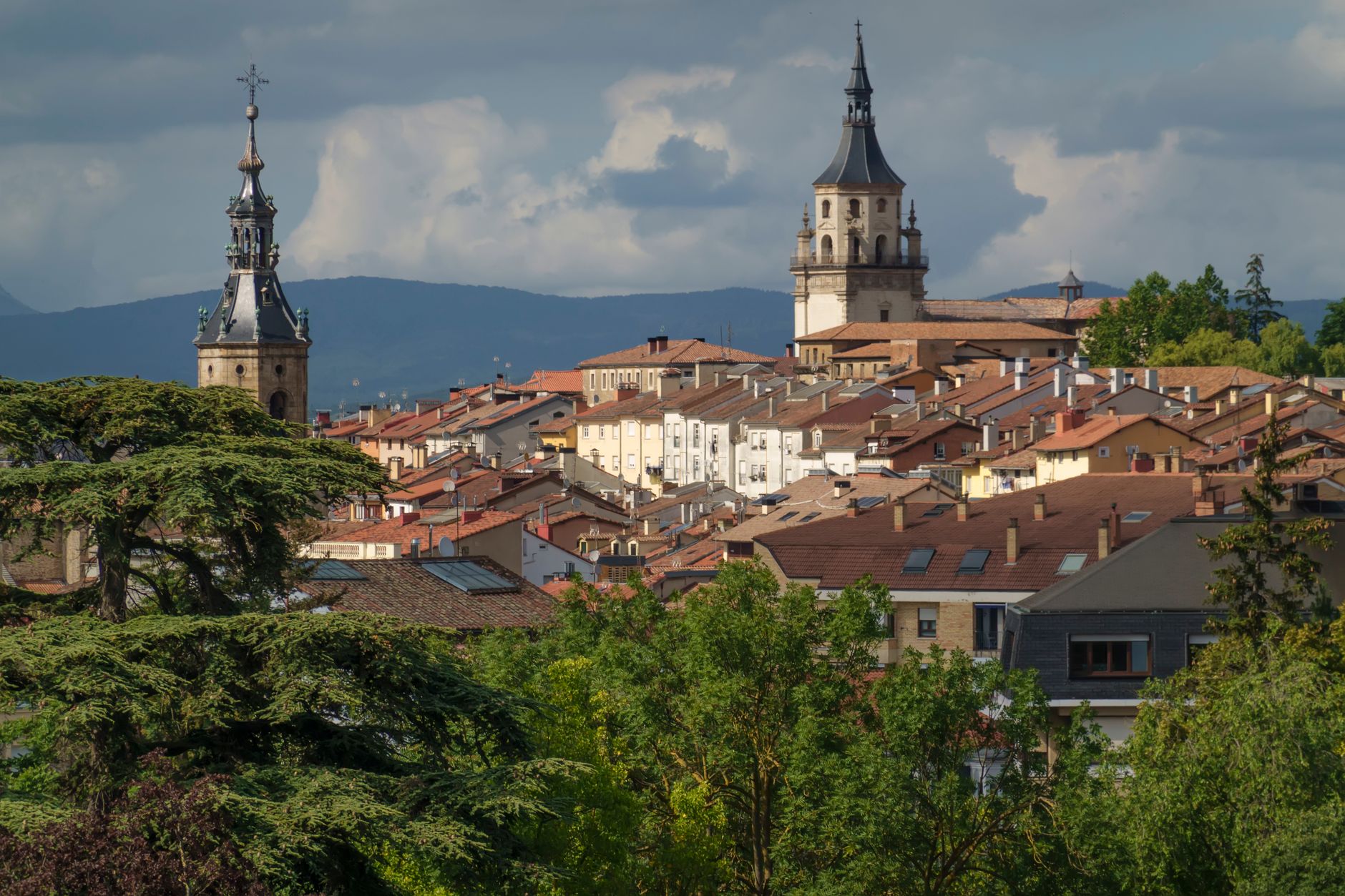
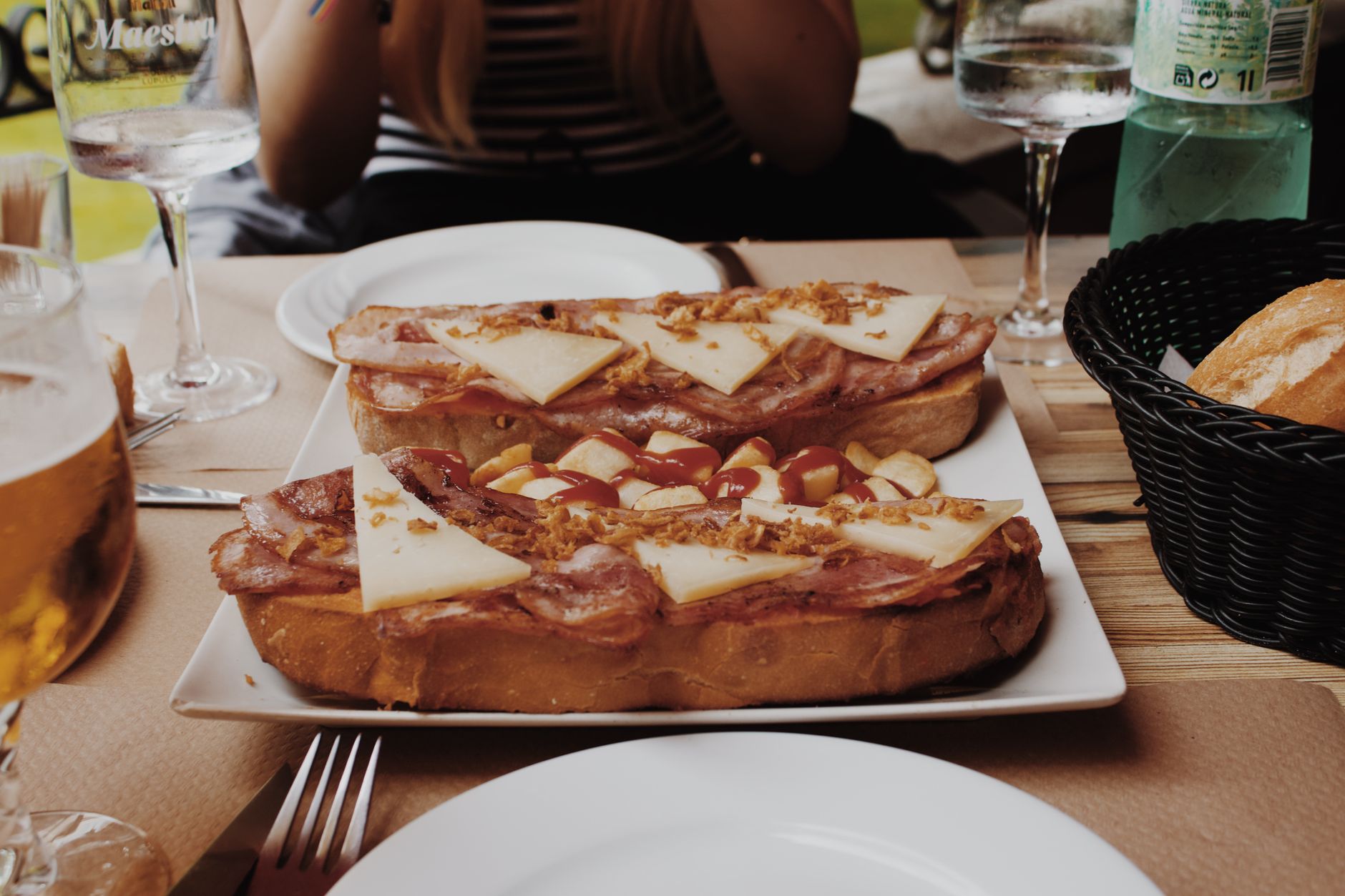
Rain slicks the stone stairs of the almond-shaped old quarter while the clatter of porcelain saucers spills out from taverns along Calle Cuchillería. As the administrative capital of the Basque Country, this high-plateau city trades coastal glitz for quiet confidence, green ring parks, and Gothic foundations. You come for serious pintxos of perrechicos and blood sausage, stayed restorations of Santa María Cathedral, and streets built for walking.
Last updated 31 Aug 2026
Build a Vitoria-Gasteiz itinerary.
Choose up to 4 threads that pull you in. Your plan arrives organised around them.
We'll craft a 4-lens plan for Vitoria-Gasteiz, one collapsible strand per lens.
Local Wine
Drink young maceración carbónica Tempranillo and Viura from nearby Rioja Alavesa cellars poured generously in Plaza de la Virgen Blanca.
Local Wine
Drink young maceración carbónica Tempranillo and Viura from nearby Rioja Alavesa cellars poured generously in Plaza de la Virgen Blanca.
Counter Pintxos and Alavesa Wine
Bar Toloño
Stake a spot at the zinc counter by 20:30. Order a glass of young Rioja Alavesa red and the warm txangurro spider crab pintxo for under ten euros total.
Editor TipThe evening txikiteo is the pulse of Basque tavern life: brief, stand-up stops along the medieval almond streets, fueled by sharp local pours and seasonal bites. Point firmly, drink standing up, and keep moving; sitting down defeats the entire social architecture.
Guild Street Wine Rituals
Taberna Toloño
Stand at the polished zinc counter by 11:30 for a crisp glass of Arabako Txakolina and their warm mushroom pintxo. Budget about five euros per drink and tapa; expect no reservations.
Editor TipThe almond-shaped medieval core preserves streets named for thirteenth-century trade guilds, where neighbourhood tavern-hopping remains an essential social ritual before midday. Order your wine as a zurito or a chiquito if you want to pace yourself like a sensible local.
Pacing Tenth-Century Ramparts
Paseo de El Collado
Drive south over the Herrera Pass from Vitoria in forty minutes. Walk the sandstone parapet before tour coaches land, then grab a cortado at Bar Mayor on the square.
Editor TipFortified by King Sancho the Wise of Navarre in the tenth century, Laguardia sits high on a sandstone ridge to guard against Castile, honeycombed beneath by private wine cellars. Park below outside the Puerta de San Juan; driving inside the fortified village walls is strictly resident-only.
Subterranean Cave Wine Tasting
Bodega El Fabulista
Book the morning tour online for ten euros. You descend seven metres below street level into four fourteenth-century vaulted calados for a guided pour of Tempranillo.
Editor TipRioja Alavesa vintners still practice whole-cluster carbonic maceration here, treading the grapes by foot in underground stone lagares to yield bright, fruit-forward red wine. Bring a light jacket even in August; these deep stone cellars stay at a steady twelve degrees year-round.
Tavern Culture
Work down Calle Cuchillería for morcilla pintxos, local cider, and glasses of crisp txakoli from neighbouring Álava hills.
Tavern Culture
Work down Calle Cuchillería for morcilla pintxos, local cider, and glasses of crisp txakoli from neighbouring Álava hills.
Village Tavern Wine Crawl
Bar Hiruko
Order a glass of Rioja Alavesa red and hot mushroom pintxos at the bar counter. Expect noisy locals, five-euro tabs, and standing room only along Calle Mayor.
Editor TipTavern culture here revolves around the chiquiteo, a social circuit of short pours in thick-bottomed glasses that keeps village life glued together after dusk. Ask for a cosechero, the honest young vintage pressed by growers down the road.
Markets & Produce
Browse Mercado de Abastos for spring perrechico mushrooms, Idiazabal cheese, and cured meats from Basque mountain producers.
Markets & Produce
Browse Mercado de Abastos for spring perrechico mushrooms, Idiazabal cheese, and cured meats from Basque mountain producers.
Market Breakfast and Salt Tasting
Mercado de Abastos
Browse the ground-floor stalls and order a slice of tortilla and coffee at the corner counter. Budget forty minutes and five euros in cash for the cheese counters.
Editor TipThis market anchors the city pantry, drawing Rioja Alavesa produce, cured meats, and mineral-dense salt harvested from the ancient brine springs of nearby Valle Salado. Ask the cheesemonger for unpasteurised smoked Idiazabal rather than the vacuum-sealed wedges.
Medieval History
Trace the 11th-century defensive stone walls and preserved Renaissance palaces like Montehermoso across the hilltop Casco Viejo.
Medieval History
Trace the 11th-century defensive stone walls and preserved Renaissance palaces like Montehermoso across the hilltop Casco Viejo.
Hard Hat Gothic Crypt Tour
Catedral de Santa María
Don a hard hat and climb the restoration walkways from twelfth-century foundations to the triforium. Reserve online; guided tours take seventy-five minutes and cost eleven euros.
Editor TipCenturies of shifting foundation soil nearly brought down this Gothic cathedral, prompting an archaeological restoration project where visitors observe the structural repairs firsthand. Wear flat-soled walking shoes with grip, as the wooden catwalks and medieval stone steps can be slick.
Note from the Editor
“The medieval almond gets chilly before ten, so wear a layer. Cathedral restoration slots sell out days ahead, but early market stalls reward anyone willing to walk in before the delivery vans clear out.”
The Bed
Where to stay in Vitoria-Gasteiz
Which part of town to book, and what each one costs you in walking, noise or quiet.
The Comparison
Vitoria-Gasteiz, or somewhere near it
The places you are realistically choosing between, and the honest case for each.
The Local Record
Where to read more about Vitoria-Gasteiz
The blogs, boards, guides and operators worth bookmarking.
What to do in Vitoria-Gasteiz Basque Country Spain
Life here radiates out from the hill of the medieval quarter down to the 19th-century Ensanche and wide green corridors. Days move to the rhythm of morning market stops, late-afternoon strolls along Calle Dato, and evening pintxo routes where neighbours stand shoulder to shoulder. It suits travellers who appreciate walkable stone streets, serious cooking without preening pretension, and an unhurried regional capital.
24 hours in Vitoria-Gasteiz Basque Country Spain
Begin with a morning tour of Santa María Cathedral, followed by a plate of perrechicos at Mercado de Abastos. In the afternoon, wander the mural route across the old quarter. Settle in by eight along Calle Cuchillería for grilled morcilla and Rioja Alavesa red; everything sits within a comfortable twenty-minute walk. Select 1 Day above to see it.
2 days in Vitoria-Gasteiz Basque Country Spain
Dedicate day two to modern Basque art at the Artium Museum before renting a bicycle for the flat path out to Salburua wetlands. For lunch, leave the bar counter behind for a sit-down feast of braised pochas beans and roast lamb in the Judimendi quarter, followed by coffee under the arches of Plaza de España. Choose 2 Days to expand the plan.
3 days in Vitoria-Gasteiz Basque Country Spain
A third morning lets you travel forty minutes south across the pass into the Rioja Alavesa. Walk the fortified stone ramparts of Laguardia, tour century-old subterranean wine tunnels carved into bedrock, and return for a quiet evening drink beside the fountain in Plaza de la Virgen Blanca.
Vitoria-Gasteiz Basque Country Spain itineraries by interest
Tavern Culture in Vitoria-Gasteiz Basque Country Spain
Work down Calle Cuchillería for morcilla pintxos, local cider, and glasses of crisp txakoli from neighbouring Álava hills.
Sacred Architecture in Vitoria-Gasteiz Basque Country Spain
Don a hard hat at the 13th-century Santa María Cathedral to inspect the Gothic vaults and foundations still undergoing open restoration.
Urban Parks in Vitoria-Gasteiz Basque Country Spain
Pedal the Green Ring trail through Salburua wetlands to watch migrating birds before resting on benches beneath La Florida park's oaks.
Local Wine in Vitoria-Gasteiz Basque Country Spain
Drink young maceración carbónica Tempranillo and Viura from nearby Rioja Alavesa cellars poured generously in Plaza de la Virgen Blanca.
Medieval History in Vitoria-Gasteiz Basque Country Spain
Trace the 11th-century defensive stone walls and preserved Renaissance palaces like Montehermoso across the hilltop Casco Viejo.
Markets & Produce in Vitoria-Gasteiz Basque Country Spain
Browse Mercado de Abastos for spring perrechico mushrooms, Idiazabal cheese, and cured meats from Basque mountain producers.
Modern Art in Vitoria-Gasteiz Basque Country Spain
Explore contemporary Basque and Spanish art collections inside the geometric limestone galleries of the Artium Museum.
Card Games in Vitoria-Gasteiz Basque Country Spain
Visit the Fournier Card Museum inside the Bendaña Palace, showcasing historic playing card decks printed locally since 1870.
Seasonal Foraging in Vitoria-Gasteiz Basque Country Spain
Taste foraged wild mushrooms, spring snails, and roasted alubias de Álava beans stewed slowly during the cooler autumn months.
Cycling in Vitoria-Gasteiz Basque Country Spain
Rent a city bike to glide down flat bidegorri cycle lanes from the cathedral down to the open marshes of the Salburua interpretation centre.
Local Sweets in Vitoria-Gasteiz Basque Country Spain
Step into vintage pastry shops for vasquitos and nesquitas, bite-sized chocolate and praline confections crafted since the 1920s.
Day Trips in Vitoria-Gasteiz Basque Country Spain
Ride south across the mountain pass to medieval Laguardia for winery tours inside underground sandstone cellars.