Zarautz.

_-_Flickr_-_joseba_mercader.jpg)
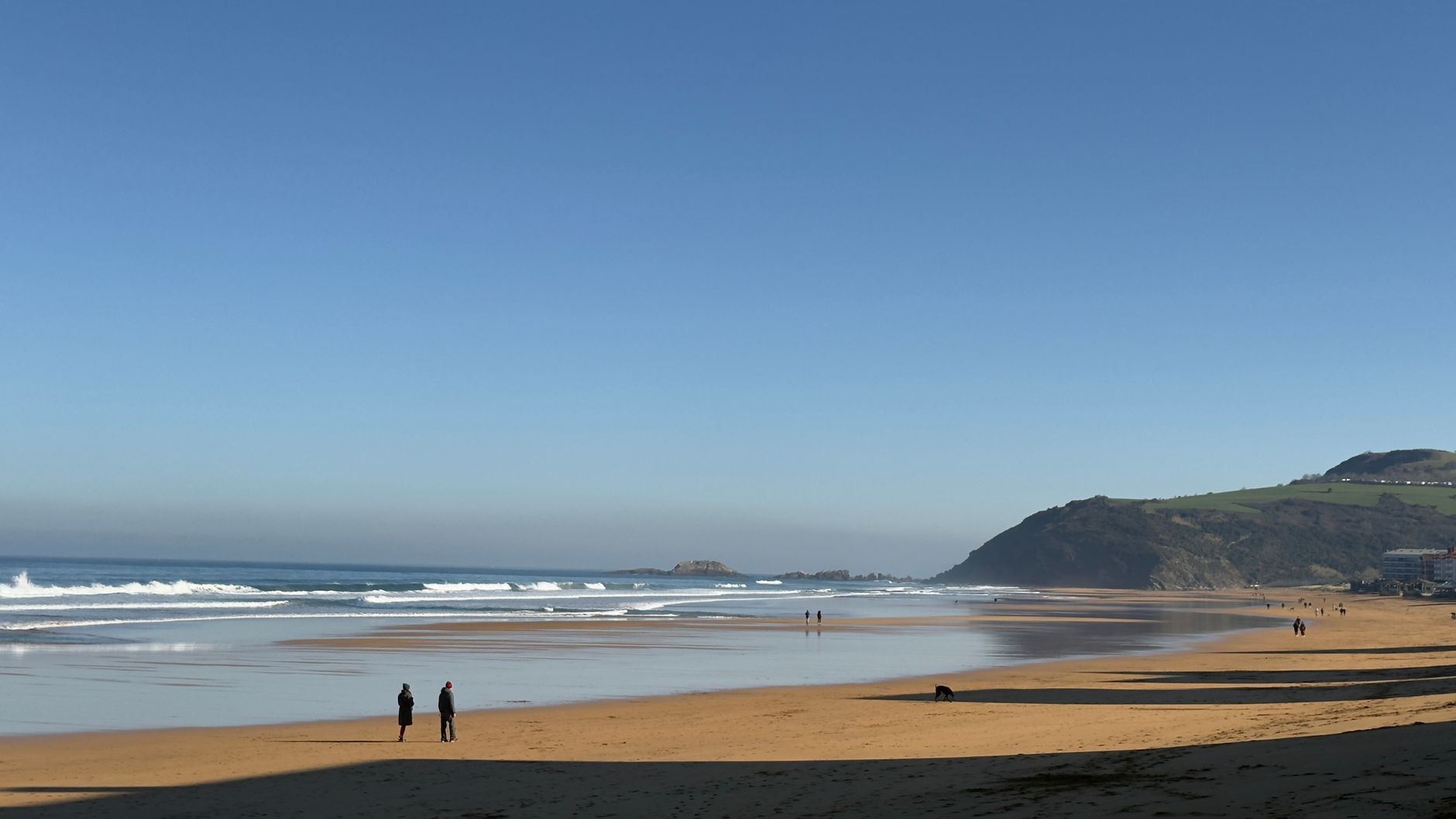

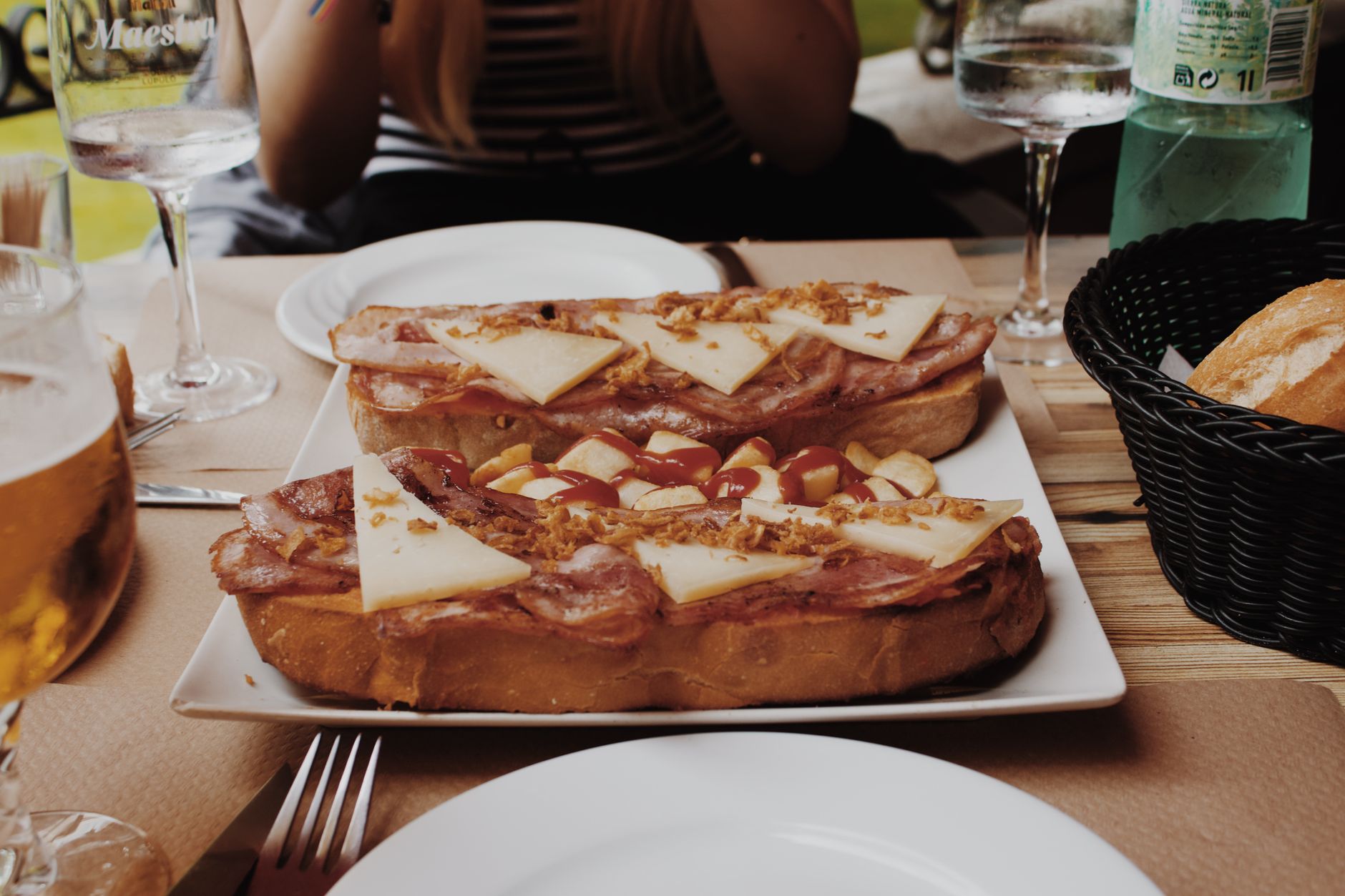
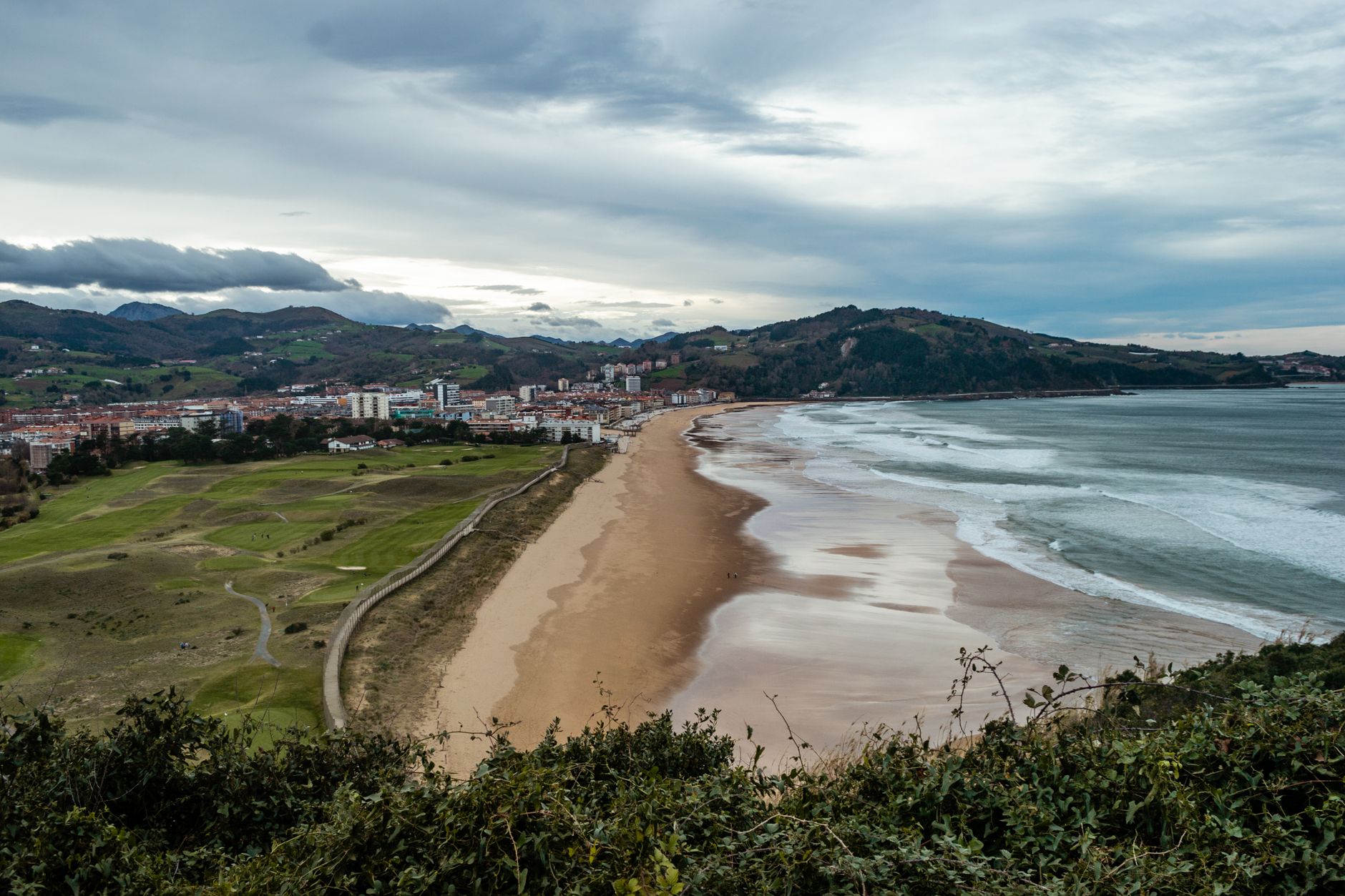
The steady Atlantic swell breaks against two and a half kilometres of pale sand, setting the daily rhythm for the whole town. Zarautz balances serious surf culture with older, quieter Basque habits. Between the water and the steep green hillsides planted with Hondarrabi Zuri vines, you find a working grid of pintxo bars, open-air charcoal grills firing whole turbot, and a promenade built for an unhurried evening stroll.
Last updated 31 Aug 2026
Build a Zarautz itinerary.
Choose up to 4 threads that pull you in. Your plan arrives organised around them.
The Bed
Where to stay in Zarautz
Which part of town to book, and what each one costs you in walking, noise or quiet.
The Comparison
Zarautz, or somewhere near it
The places you are realistically choosing between, and the honest case for each.
The Local Record
Where to read more about Zarautz
The blogs, boards, guides and operators worth bookmarking.
What to do in Zarautz Basque Country Spain
Zarautz unfolds linearly along one of the longest beaches in the Basque Country, anchored by a seaside promenade on one side and the old pedestrian quarter on the other. Days revolve around tide charts, surf sessions, and the late-afternoon migration to pintxo counters. It suits independent travellers who want Atlantic air, authentic maritime cooking, and easy rail links without the higher prices and bustle of San Sebastián.
24 hours in Zarautz Basque Country Spain
Start with flat whites and freshly baked tejas near Plaza del Mercado before taking a morning surf lesson. Lunch on grilled sardines along the malecón, then walk the scenic four-kilometre coastal path to Getaria. Return by local bus for evening txakoli and gildas in the old town. Select 1 Day above to see it.
2 days in Zarautz Basque Country Spain
A second day lets you climb through hillside vineyards to sample Hondarrabi Zuri at a local bodega. Head east in the afternoon across the wooden walkways of the Iñurritza dunes, finishing with a sit-down dinner of whole turbot roasted over hardwood charcoal. Choose 2 Days to expand the plan.
3 days in Zarautz Basque Country Spain
With three days, ride the Euskotren fifteen minutes west to Zumaia to walk the ancient coastal flysch rock formations. Spend your final afternoon lingering over glasses of Basque cider and sheep cheese in the quiet square outside the Church of Santa María la Real.
Zarautz Basque Country Spain itineraries by interest
Local Seafood in Zarautz Basque Country Spain
Rodaballo a la parrilla roasted whole over open coals, salty Cantabrian anchovies, and fresh hake cheeks in salsa verde at beachfront taverns.
Wine & Vineyards in Zarautz Basque Country Spain
Crisp Hondarrabi Zuri txakoli poured from great heights at hillside bodegas overlooking the coastline, paired with cured Idiazabal cheese.
Coastal Walks in Zarautz Basque Country Spain
The paved four-kilometre pedestrian shoreline path hugging the cliffs between Zarautz and neighbouring Getaria, flat and well lit for evening strolls.
Surfing in Zarautz Basque Country Spain
Consistent Atlantic beach breaks across five distinct peaks along the two-kilometre bay, supported by rental shops and schools along the malecón.
Markets & Produce in Zarautz Basque Country Spain
The daily Mercado Municipal on Kale Nagusia, where farm women sell Gernika peppers, fresh Tolosa beans, and wheels of raw sheep's milk cheese.
Contemporary Sculpture in Zarautz Basque Country Spain
Monumental weathered steel and granite works by Eduardo Chillida and Jorge Oteiza scattered outdoors along the coastal boardwalk and dunes.
Historic Architecture in Zarautz Basque Country Spain
Fifteenth-century Gothic stone at the Church of Santa María la Real and the fortified brick tower house of Torre Luzea in the old quarter.
Nature Reserves in Zarautz Basque Country Spain
The Iñurritza protected biotope, a coastal ecosystem of salt marsh, sand dunes, and estuaries crossed by timber boardwalks near the golf course.
Pastry & Sweets in Zarautz Basque Country Spain
Golden Basque pasteles filled with vanilla cream or black cherry jam, and crisp puff pastry tejas and cigarrillos from local bakeries like Sayalero.
Hiking in Zarautz Basque Country Spain
Steep paths climbing past farmsteads to the summit of Mount Talaimendi and the ruins of the lookout point used by nineteenth-century whale spotters.
Pintxo Bars in Zarautz Basque Country Spain
Bar-hopping through the narrow alleys of the Casco Viejo for gildas, warm spider crab tarts, and braised beef cheek skewers served with cider.
Day Trips in Zarautz Basque Country Spain
Short regional train hops west to the fishing port of Zumaia and its dramatic geological flysch cliffs, or east into central San Sebastián.