San Sebastián.


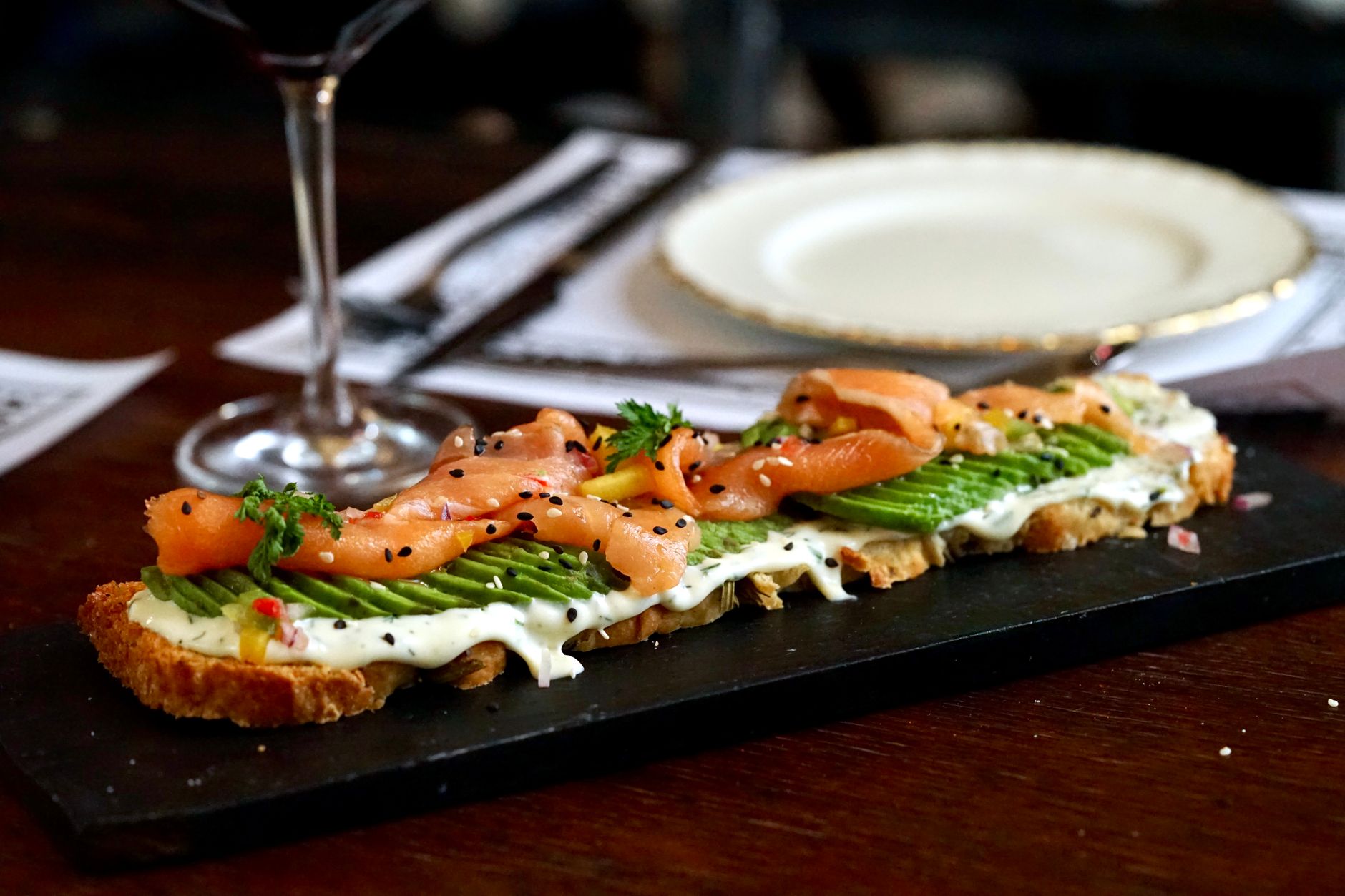

The Bay of Biscay slams hard against the seawalls of the Urumea, throwing cold salt spray across the promenade while cooks across the Parte Vieja start grilling txuleta over charcoal. Everything here bends toward the sea and the appetite. You spend your morning walking the elegant curve of La Concha or climbing Monte Urgull, and your evening balancing small plates on greasy paper napkins at crowded mahogany counters. San Sebastián is worth visiting if you want to eat world-class bar snacks standing up while drinking cold Basque cider. Look elsewhere if you need guaranteed beach weather, budget-friendly lodging, major indoor museums, or a late-night club scene.
Last updated 2 Sept 2026
Build a San Sebastián itinerary.
Choose up to 4 threads that pull you in. Your plan arrives organised around them.
The Bed
Where to stay in San Sebastián
Which part of town to book, and what each one costs you in walking, noise or quiet.
The Comparison
San Sebastián, or somewhere near it
The places you are realistically choosing between, and the honest case for each.
The Local Record
Where to read more about San Sebastián
The blogs, boards, guides and operators worth bookmarking.
What to do in San Sebastián Basque Country Spain
San Sebastián curves neatly around the turquoise water of La Concha, framed by Monte Igueldo on one side and Monte Urgull on the other. Life here centres entirely on the tides and the appetite. Days begin with morning swims or seaside strolls and dissolve into evening pintxo crawls through the stone lanes of the Parte Vieja. It suits independent travellers who love walking everywhere, maritime landscapes, and serious dining without formal stuffiness.
24 hours in San Sebastián Basque Country Spain
Spend the morning walking the beach promenade from Ondarreta to Chillida's sculptures at the base of Monte Igueldo. Cross the river for lunch in Gros, then spend the evening working through grilled skewers and cider along Calle 31 de Agosto in the Parte Vieja. Everything is easily walkable within twenty minutes. Select 1 Day above to see it.
2 days in San Sebastián Basque Country Spain
A second day lets you explore the surf culture and quieter wine bars of Gros before climbing Monte Urgull for harbour views. In the evening, take a twenty-minute taxi west to Getaria for a sit-down meal of whole turbot roasted over outdoor wood coals, paired with cold Txakoli. Choose 2 Days to expand the plan.
3 days in San Sebastián Basque Country Spain
With three days, hike the scenic coastal path over Monte Ulia to the protected fishing village of Pasaia Donibane for a long waterfront lunch. Alternatively, ride the regional Euskotren east to Hondarribia to explore its fortified medieval centre and traditional maritime quarter.
San Sebastián Basque Country Spain itineraries by interest
Tavern Culture in San Sebastián Basque Country Spain
Order freshly seared foie gras, gilda skewers, and spider crab tartlets while elbowing into historic counters along Calle 31 de Agosto.
Local Seafood in San Sebastián Basque Country Spain
Taste whole turbot grilled over open coals in neighbouring Getaria, fresh kokotxas cod throats in pil-pil sauce, and sea urchin when in season.
Wine & Cider in San Sebastián Basque Country Spain
Pour effervescent Txakoli from high above the glass at coastal vineyards or drink dry Basque sidra straight from giant kupela barrels in Astigarraga.
Beaches in San Sebastián Basque Country Spain
Swim the sheltered crescent of La Concha, sunbathe on Ondarreta, or watch surfers tackle the Atlantic swell along the break at Zurriola.
Coastal Walks in San Sebastián Basque Country Spain
Hike the clifftop trail along Monte Ulia toward Pasaia Donibane, crossing old stone bridges before catching a small wooden ferry across the harbour.
Markets & Produce in San Sebastián Basque Country Spain
Browse basque sheep cheeses, wild mushrooms, and guindilla peppers in the basement stalls of Mercado de la Bretxa beneath the old city ramparts.
Modern Art in San Sebastián Basque Country Spain
Stand before Eduardo Chillida’s rusted steel Comb of the Wind sculptures bolted into granite rocks where the bay meets the open Cantabrian Sea.
Urban Hills in San Sebastián Basque Country Spain
Climb the shaded footpaths of Monte Urgull past old English military cemeteries to the 12th-century Castillo de la Mota overlooking the bay.
Baking & Pastry in San Sebastián Basque Country Spain
Order caramelised burnt Basque cheesecake at La Viña and warm pantxineta almond pastries from century-old bakery counters in the city centre.
Architecture in San Sebastián Basque Country Spain
Walk the 19th-century Belle Époque boulevards, admiring the sandstone facade of the Hotel María Cristina and the Victoria Eugenia Theatre.
Day Trips in San Sebastián Basque Country Spain
Take the short coastal train to Hondarribia to wander timber-framed Basque fishermen houses and eat grilled prawns in the La Marina district.
Watersports in San Sebastián Basque Country Spain
Rent a surfboard at Zurriola beach in Gros or paddle a kayak across the bay to the quiet stone landing dock on Santa Clara Island.