Hà Tiên.
.jpg)


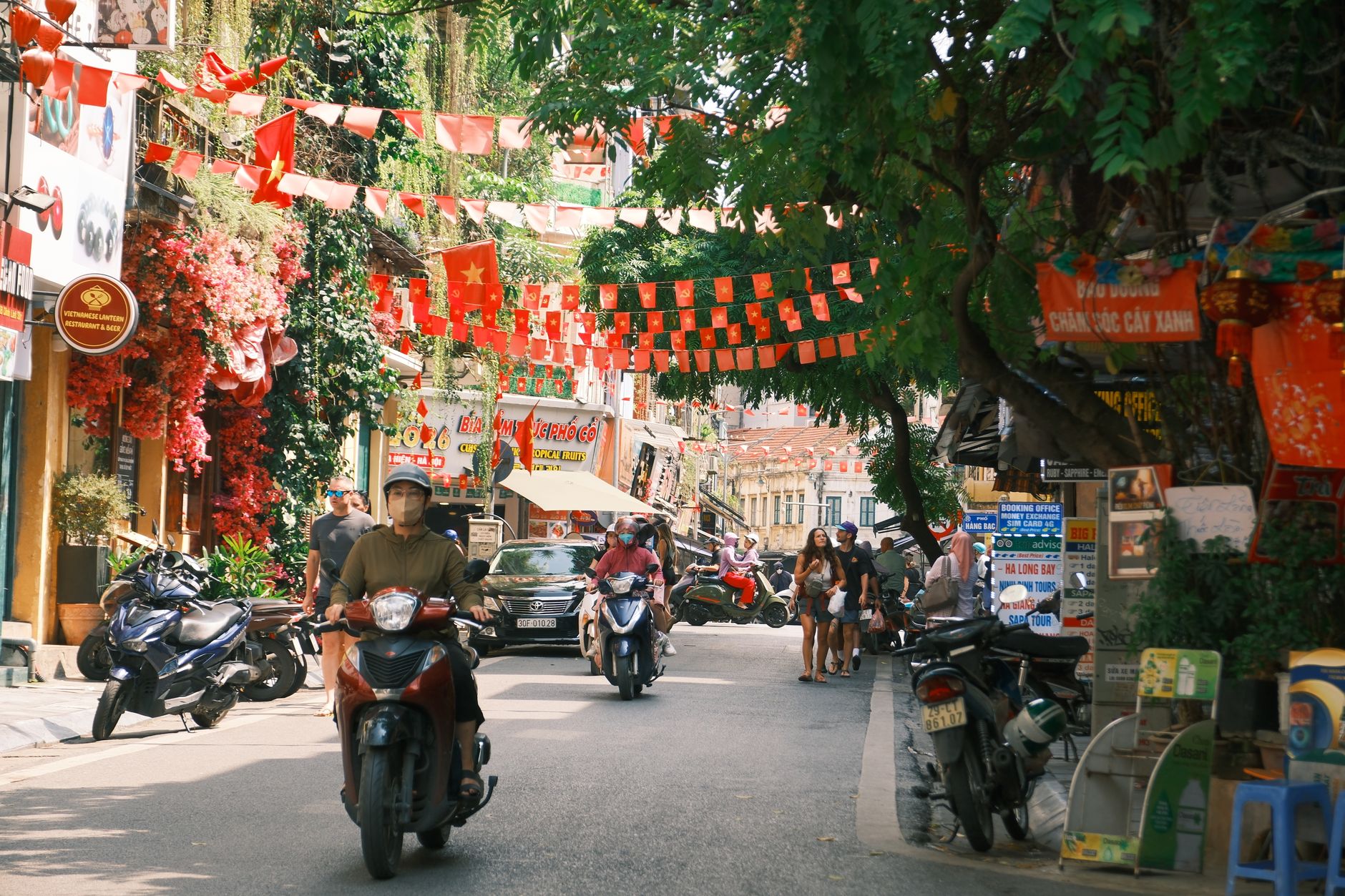
Hà Tiên sits on the Gulf of Thailand, two hours by bus northwest of Rạch Giá and eight hours from Ho Chi Minh City. The town is known for its canal waterfront, eighteenth-century Mac family shrines, and markets selling Kampot pepper and local seafood. Hà Tiên is worth visiting if you want to eat crab noodles on small plastic stools and explore quiet limestone temple caves. Look elsewhere if you expect broad swimming beaches, international resorts, or late-night clubbing.
Last updated 8 Oct 2026
Build a Hà Tiên itinerary.
Choose up to 4 threads that pull you in. Your plan arrives organised around them.
The Bed
Where to stay in Hà Tiên
Which part of town to book, and what each one costs you in walking, noise or quiet.
The Comparison
Hà Tiên, or somewhere near it
The places you are realistically choosing between, and the honest case for each.
The Local Record
Where to read more about Hà Tiên
The blogs, boards, guides and operators worth bookmarking.
What to do in Hà Tiên Kiên Giang Vietnam
Hà Tiên unfurls along the To Chau river where the canal meets the sea. Days here run on a straightforward rhythm: bowls of noodle soup before the heat peaks, afternoon shade under market awnings, and grilled shellfish by the water at sunset. It suits curious travellers who appreciate sleepy border geography, regional Mekong flavours, and limestone hills rising abruptly from flat rice paddies.
24 hours in Hà Tiên Kiên Giang Vietnam
Start early at Hà Tiên Market for a bowl of bún kèn, then take a ten-minute taxi to the limestone cavern shrine of Thạch Động. In the afternoon, pay your respects at the Mạc Cửu tombs on Bình San hill before settling by the riverside for steamed mud crabs and cold beer as dusk settles over the Gulf. Select 1 Day above to see it.
2 days in Hà Tiên Kiên Giang Vietnam
A second day lets you rent a scooter to explore the Đá Dựng karst complex near the Cambodian frontier. Afterward, cool off with iced palm-sugar water before heading west to Mũi Nai for fried fish with tamarind sauce, watching the Gulf waters turn copper under the late sun. Choose 2 Days to expand the plan.
3 days in Hà Tiên Kiên Giang Vietnam
Three days allow a slow morning ferry out to the Pirate Islands (Quần đảo Hải Tặc). You will spend the afternoon walking sleepy fishing paths and eating sea urchins grilled with scallion oil, returning to Hà Tiên in time for steamed hủ tiếu hấp at the night market.
Hà Tiên Kiên Giang Vietnam itineraries by interest
Local Seafood in Hà Tiên Kiên Giang Vietnam
Slurp bún kèn made with pounded fish and coconut, or crack steamed flower crabs and sea snails along the Dong Ho lagoon waterfront.
Sacred Architecture in Hà Tiên Kiên Giang Vietnam
Visit Phù Dung Pagoda founded in 1750, Tam Bảo Pagoda, and the Khmer temple of Xà Xía with its gilded roof finials near the border.
Regional History in Hà Tiên Kiên Giang Vietnam
Walk the terraced tombs of the Mạc dynasty on Bình San Mountain, honouring the merchant-governor Mạc Cửu who settled the port in 1700.
Markets & Produce in Hà Tiên Kiên Giang Vietnam
Browse Hà Tiên Market at dawn for fresh mantis prawns, dried cuttlefish, green peppercorns from nearby plantations, and palm sugar cakes.
Limestone Caves in Hà Tiên Kiên Giang Vietnam
Climb through the mossy caverns of Thạch Động and explore the hidden Buddhist altars inside the limestone karsts of Đá Dựng near the border.
Street Food in Hà Tiên Kiên Giang Vietnam
Try hủ tiếu hấp, steamed rice noodles served with shredded pork skin, herbs, fried pork, and thick coconut cream sold at curbside carts.
Coastal Walks in Hà Tiên Kiên Giang Vietnam
Stroll along Mũi Nai beach during late afternoon to catch sunset over the Gulf of Thailand while fishing skiffs return with the day's catch.
Border Crossings in Hà Tiên Kiên Giang Vietnam
Hire a scooter to visit the Prek Chak border gate, observing the cross-border trade of tropical fruits and goods heading into Cambodia.
Estuary Wildlife in Hà Tiên Kiên Giang Vietnam
Take a wooden skiff across Đông Hồ inlet at dawn to watch egrets fish among mangrove stands and local trap nets fixed in the tidal flats.
Plantation Visits in Hà Tiên Kiên Giang Vietnam
Ride past fruit orchards and black pepper holdings along the base of Tô Châu mountain, stopping to buy fresh sapodilla and pomelo.
Island Day Trips in Hà Tiên Kiên Giang Vietnam
Board a wooden ferry from Hà Tiên pier to the Pirate Islands, known as Quần đảo Hải Tặc, for simple grilled sea urchin and quiet bays.
Waterfront Life in Hà Tiên Kiên Giang Vietnam
Walk the promenade along the Giang Thành river at dusk, where locals gather for iced sugar-cane juice beneath gentle river breezes.