.jpg)


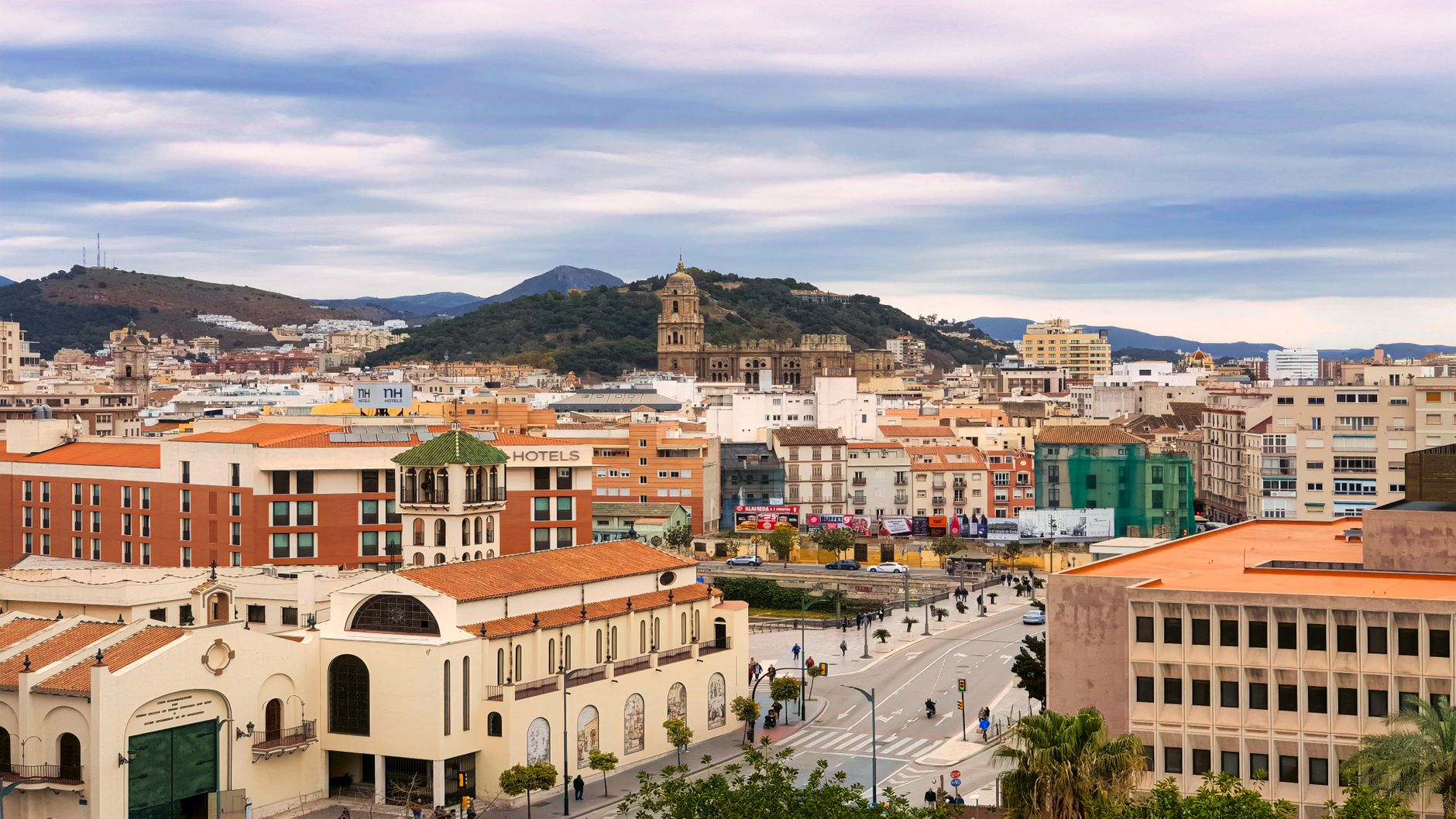


Olive-wood smoke drifts from sand-filled boats along the beach while the morning sun hits the Moorish ramparts of the Gibralfaro. This port city spent centuries minding its own maritime business before the world noticed its museums. Walk the marble of Calle Larios before noon, watch vendors slice cured ham at Mercado de Atarazanas, and order a glass of dry Moscatel. It is working Andalusia with salt on its skin, unbothered by its own charm.
Last updated 29 Aug 2026
Build a Málaga itinerary.
Choose up to 4 threads that pull you in. Your plan arrives organised around them.
We'll craft a 1-lens plan for Málaga, one collapsible strand per lens.
Urban Beaches
Walk twenty minutes east to Playa de La Malagueta for a swim in calm Mediterranean water, followed by fried anchovies at beachfront stalls.
Urban Beaches
Walk twenty minutes east to Playa de La Malagueta for a swim in calm Mediterranean water, followed by fried anchovies at beachfront stalls.
Morning Stroll Along Muelle Uno
Muelle Uno
Walk the open harbour promenade from the old port toward the lighthouse; grab a strong café con leche and toast for under five euros before shops open at ten.
Editor TipConverted from an industrial shipping quay in 2011, this modern promenade anchors Málaga's maritime revival, framing the eleventh-century Alcazaba above the water. Sit near La Farola lighthouse where the morning breeze clears the head and the cruise crowds haven't arrived yet.
Playa de La Malagueta Swim
Playa de La Malagueta
Claim a spot on the dark sand just east of the lettered sculpture. Sunbed rentals run around six euros, or simply lay down a towel for a quiet dip.
Editor TipBuilt on reclaimed industrial shoreline in the late nineteenth century, La Malagueta remains the city's living room, where workers and swimmers share the Mediterranean surf. Pick a spot near the breakwaters where the water stays calmest and the sand is packed firm underfoot.
Olive-Wood Sardines by Malagueta
Chiringuito Tropicana
Walk straight off the sand to the boat grill. Order two skewers of espetos and a cold Victoria beer; expect to spend under fifteen euros. No reservations needed.
Editor TipFishermen have roasted sardines on split cane skewers over olive-wood coals along this coastline since the late nineteenth century, using salt and steady sea breezes. Squeeze lemon over the fish only after you have tasted the sea salt crust bare, and eat with your fingers.
Evening Catch and Cold Manzanilla
Marisquería Los Mellizos Málaga
Stand at the bar or book a table inside on Calle Sancha de Lara. Ask for boquerones fritos and a glass of dry Manzanilla sherry. Dinner runs about thirty euros per person.
Editor TipMalagueños are nicknamed boquerones after the local anchovies, which arrive daily from the neighbouring bay ports and are lightly dusted in flour before hitting hot olive oil. Arrive right at eight-thirty to secure a marble bar table before the local post-beach crowd fills the room.
Hand-Extruded Tejeringos Breakfast
Churrería Migui
Order a half-dozen tejeringos and a café sombra at the counter for under four euros. Eat them outside on the bench while the street sweeps itself awake. Allow forty minutes.
Editor TipUnlike standard churros, Malagueño tejeringos are piped individually by hand into hot olive oil using an old syringe press, yielding a lighter, crisper pastry born in nineteenth-century seaside taverns. Ask for a sombra if you take mostly milk with your coffee. The local ten-tier coffee scale is taken very seriously here.
Traditional Jábega Boatyard Tour
Astilleros Nereo
Walk ten minutes west along the sand to the open-air yard. Entry is three euros; spend an hour observing shipwrights carving pine frames and steaming planks right by the water.
Editor TipThis beachfront yard preserves the Phoenician-rooted craft of building the jábega, the double-ended wooden fishing boat whose painted eye on the prow has guarded local waters since antiquity. Wear closed shoes; you will be walking across wood shavings and gravel right at the water line.
Charcoal Espetos on the Beach
Chiringuito El Cabra
Walk to the sand, claim an outdoor table, and order two skewers of sardines with cold draft beer. Expect to pay under ten euros; no reservations taken.
Editor TipSkewering whole sardines on wild cane and roasting them over olive wood embers in beached fishing boats is an art practiced along this shore since 1882. Watch the wind: eat when the skewers face away from the breeze so the sardine skin crisps without burning.
Seaside Vermut at Dusk
El Balneario - Baños del Carmen
Claim a weathered table right against the stone seawall. Order a glass of local vermouth and fried boquerones; you will spend roughly twelve euros.
Editor TipOpened in 1918 as a social bathing pavilion, this romantic stone terrace remains the neighbourhood living room for catching the evening sea breeze. The temperature drops fast over the water at dusk, so carry a light layer if you plan to linger past twilight.
Toasted Pitufo by the Sea
Cafetería La Galerna
Grab an outdoor table facing the breakers. Order a toasted pitufo with grated tomato and olive oil alongside a café con leche. Expect to pay under four euros. Stay forty minutes.
Editor TipPedregalejo was a nineteenth-century fishing settlement where boats were hauled straight onto the shingle, long before visitors claimed the flat promenade for morning strolls. Order at the counter if staff are busy; the morning sun here is sharp, so claim a shaded table early.
Skewered Sardines Over Olive Wood
Chiringuito Hermanos Gutiérrez
Walk along the pedestrian promenade to the beach. Order two espetos per person and a cold Victoria beer; no bookings taken, just claim an open table. Budget twelve euros.
Editor TipFishermen along El Palo have skewed fresh sardines onto wild cane and roasted them over sand-filled wooden boats since the nineteenth century, using olive firewood for quick high heat. Eat them with your fingers immediately off the skewer. Cutlery here marks you out as a hopeless novice.
Note from the Editor
“Start early along the port before the Mediterranean sun heats the stone paving. The walk to the beach takes twenty minutes, and beating the midday tour groups to the shoreline makes all the difference.”
The Bed
Where to stay in Málaga
Which part of town to book, and what each one costs you in walking, noise or quiet.
The Comparison
Málaga, or somewhere near it
The places you are realistically choosing between, and the honest case for each.
The Local Record
Where to read more about Málaga
The blogs, boards, guides and operators worth bookmarking.
What to do in Málaga Andalusia Spain
Málaga sits flat along the water, anchored by the Alcazaba hill and bisected by the dry Guadalmedina riverbed. Daily life runs on a clear rhythm: early market runs, a long lunch of fried fish, and evening strolls through pedestrianised stone alleys. It suits independent travellers who enjoy museum mornings followed by straightforward seafood lunches, without the frantic pace of larger capitals.
24 hours in Málaga Andalusia Spain
Start at Mercado Central de Atarazanas for coffee and fresh fruit. Walk five minutes to the Alcazaba by 10:00 to beat the midday heat. Cross the old centre for grilled boquerones at a traditional tavern, then spend late afternoon among the paintings at Museo Picasso. Finish with a glass of dry Moscatel before an unhurried 21:00 dinner. Select 1 Day above to see it.
2 days in Málaga Andalusia Spain
Take the number 34 bus or rent a city bicycle to reach the old fishing quarter of Pedregalejo. Spend lunchtime eating espetos de sardinas right off the grill at a wooden beach table. In the afternoon, explore the murals and independent galleries of the Soho neighbourhood before climbing Mount Gibralfaro for sunset over the bay. Choose 2 Days to expand the plan.
3 days in Málaga Andalusia Spain
A third morning lets you catch the local C1 commuter train up the coast or head inland. Hike the dramatic limestone gorge of El Chorro along the Caminito del Rey, or book an hour at the botanical collections of La Concepción. You will return in time for evening tapas along Calle Carretería without rushing a single step.
Málaga Andalusia Spain itineraries by interest
Local Seafood in Málaga Andalusia Spain
Watch whole sardines pierced on cane skewers and roasted over open olive-wood embers right on the sand at Pedregalejo chiringuitos.
Moorish Fortresses in Málaga Andalusia Spain
Climb the ramparts of the 11th-century Alcazaba and the Gibralfaro fortress for clear views across the Mediterranean towards North Africa.
Modern Art in Málaga Andalusia Spain
See cubist masterworks at the Museo Picasso, contemporary European pieces at the Centre Pompidou cube, and murals in the Soho arts district.
Markets & Produce in Málaga Andalusia Spain
Walk through Mercado de Atarazanas under a 14th-century Nasrid arch to buy roasted Marcona almonds, fresh figs, and cured Iberian ham.
Wine & Bodegas in Málaga Andalusia Spain
Sip fortified Pajarete and dry Moscatel straight from dark oak barrels at Antigua Casa de Guardia, Málaga's oldest tavern from 1840.
Sacred Architecture in Málaga Andalusia Spain
Tour the 16th-century cathedral, known locally as La Manquita because funding shortages left its southern tower unfinished for centuries.
Coastal Walks in Málaga Andalusia Spain
Stroll the palm-lined Paseo del Parque out to the Palmeral de las Sorpresas along the harbour, where cargo docks gave way to open water views.
Botanical Gardens in Málaga Andalusia Spain
Ride the local bus north to La Concepción, a 19th-century estate filled with giant wisteria arbours, ancient cycads, and subtropical palms.
Traditional Bakeries in Málaga Andalusia Spain
Pick up tortas de aceite and sweet torta malagueña made with almonds, raisins, and sweet wine at neighbourhood panaderías off Calle Carretería.
Urban Beaches in Málaga Andalusia Spain
Walk twenty minutes east to Playa de La Malagueta for a swim in calm Mediterranean water, followed by fried anchovies at beachfront stalls.
Classical Ruins in Málaga Andalusia Spain
Stand before the 1st-century Roman theatre, discovered intact in 1951 right beneath the stone slopes of the Moorish Alcazaba.
Day Trips in Málaga Andalusia Spain
Board the regional train to the dramatic cliffs of Ronda, or hike the suspended gorge boardwalks along the Caminito del Rey in El Chorro.