.jpg)
_-_panoramio.jpg)

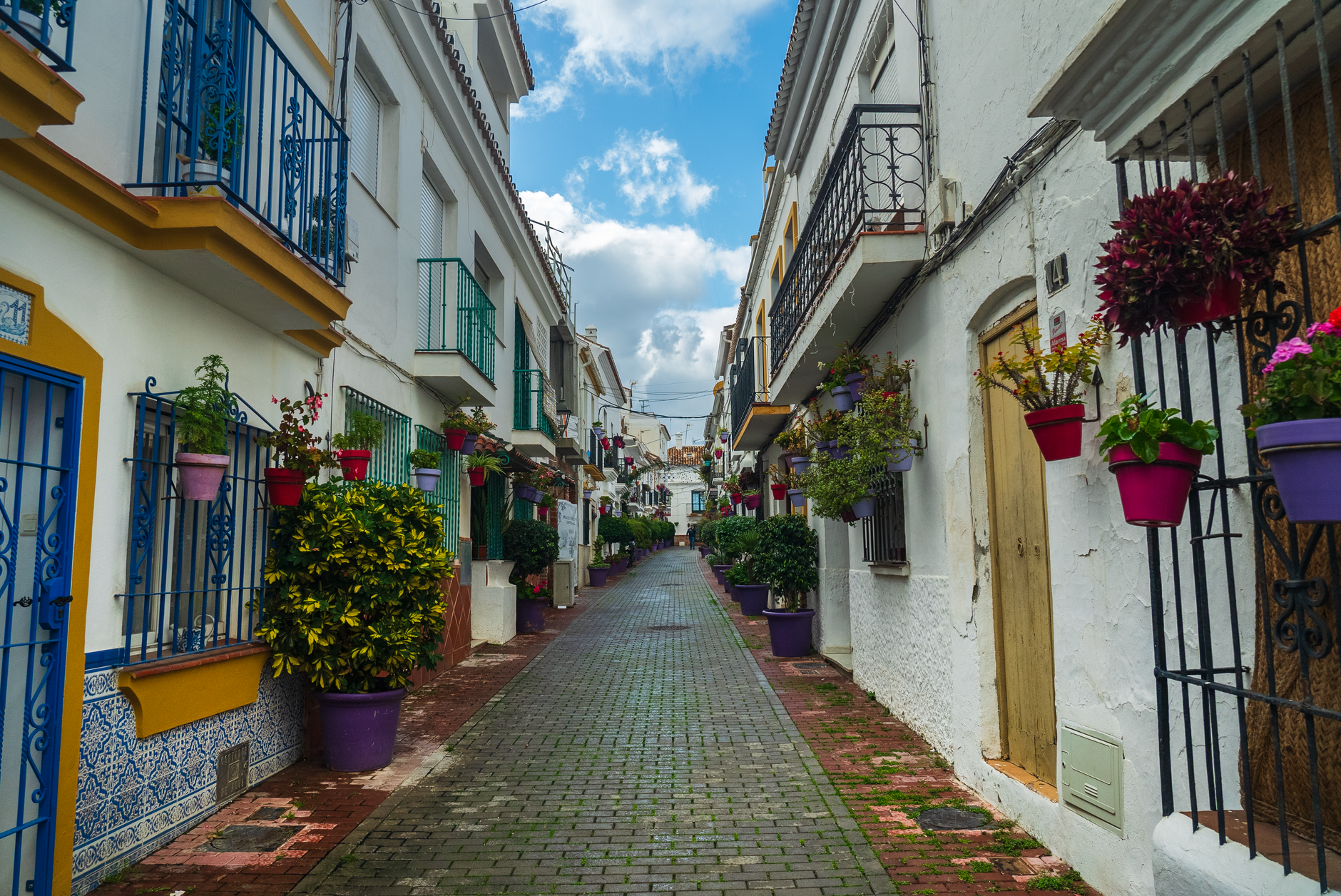
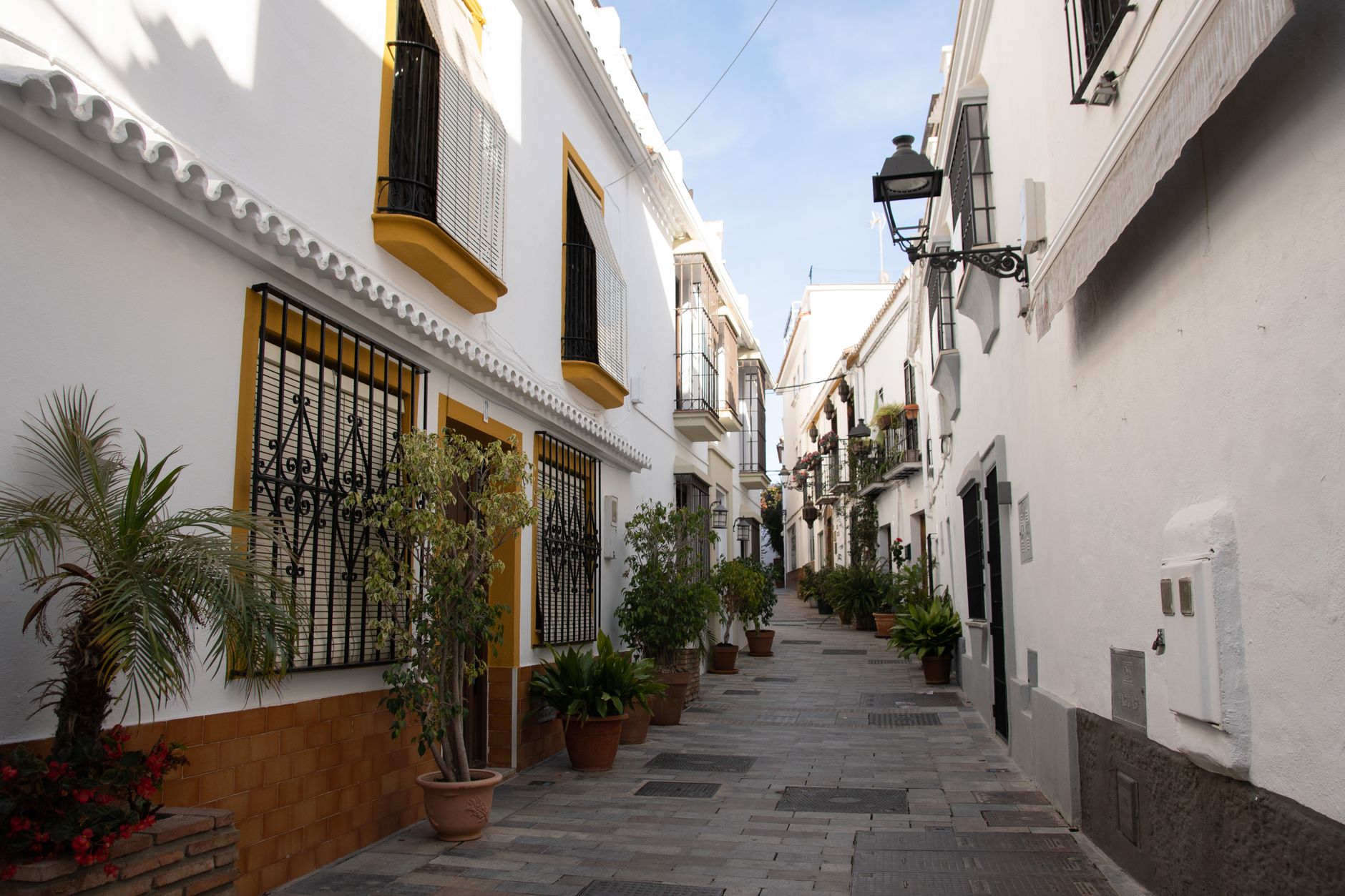
La Concha rises like a wall of grey limestone directly behind the marina, keeping the wind off the shore and holding the heat late into the evening. Past the rows of glittering yachts in Puerto Banús, the real town sits quietly behind tenth-century Moorish walls in the Casco Antiguo. Whitewashed alleys tumble down toward the sand, where fishermen skewer sardines on cane reeds over olive-wood coals, turning fat espetos while scooters hum past on the old coastal road.
Last updated 29 Aug 2026
Build a Marbella itinerary.
Choose up to 4 threads that pull you in. Your plan arrives organised around them.
The Bed
Where to stay in Marbella
Which part of town to book, and what each one costs you in walking, noise or quiet.
The Comparison
Marbella, or somewhere near it
The places you are realistically choosing between, and the honest case for each.
The Local Record
Where to read more about Marbella
The blogs, boards, guides and operators worth bookmarking.
What to do in Marbella Andalusia Spain
Marbella divides into two distinct personalities: the lively coastal strip where days revolve around the beach and seafood chiringuitos, and the quiet maze of the Casco Antiguo with its shaded plazas and tapas bars. It suits independent travellers who want reliable sunshine alongside genuine Andalusian food. Most sights sit within comfortable walking distance along the water or behind the castle walls, under the constant backdrop of La Concha.
24 hours in Marbella Andalusia Spain
Start early in the Casco Antiguo with churros at Plaza de los Naranjos. Walk through Avenida del Mar to admire the Dalí bronzes, then take a leisurely stroll along the Paseo Marítimo. For lunch, order espetos at Playa de la Bajadilla. Finish with evening tapas along Calle San Lázaro, where small tabernas pour cold dry Fino with local cured ham. Select 1 Day above to see it.
2 days in Marbella Andalusia Spain
Day two belongs to the coast and history. Rent a bike to reach San Pedro de Alcántara, stopping at the Roman baths of Las Bóvedas. Spend the afternoon swimming at the Artola dunes in Cabopino, followed by a dinner of salt-baked dorada and Sierras de Málaga wine at a harbour chiringuito as the sun sets over the Mediterranean. Choose 2 Days to expand the plan.
3 days in Marbella Andalusia Spain
Head inland into the Sierra de las Nieves. Hike from the Refugio de Juanar trailheads through olive groves, or drive thirty minutes up to the quiet whitewashed village of Ojén for goat cheese and mountain views. Return in time for evening pescadito frito near the fishing port, far away from the resort crowds.
Marbella Andalusia Spain itineraries by interest
Local Seafood in Marbella Andalusia Spain
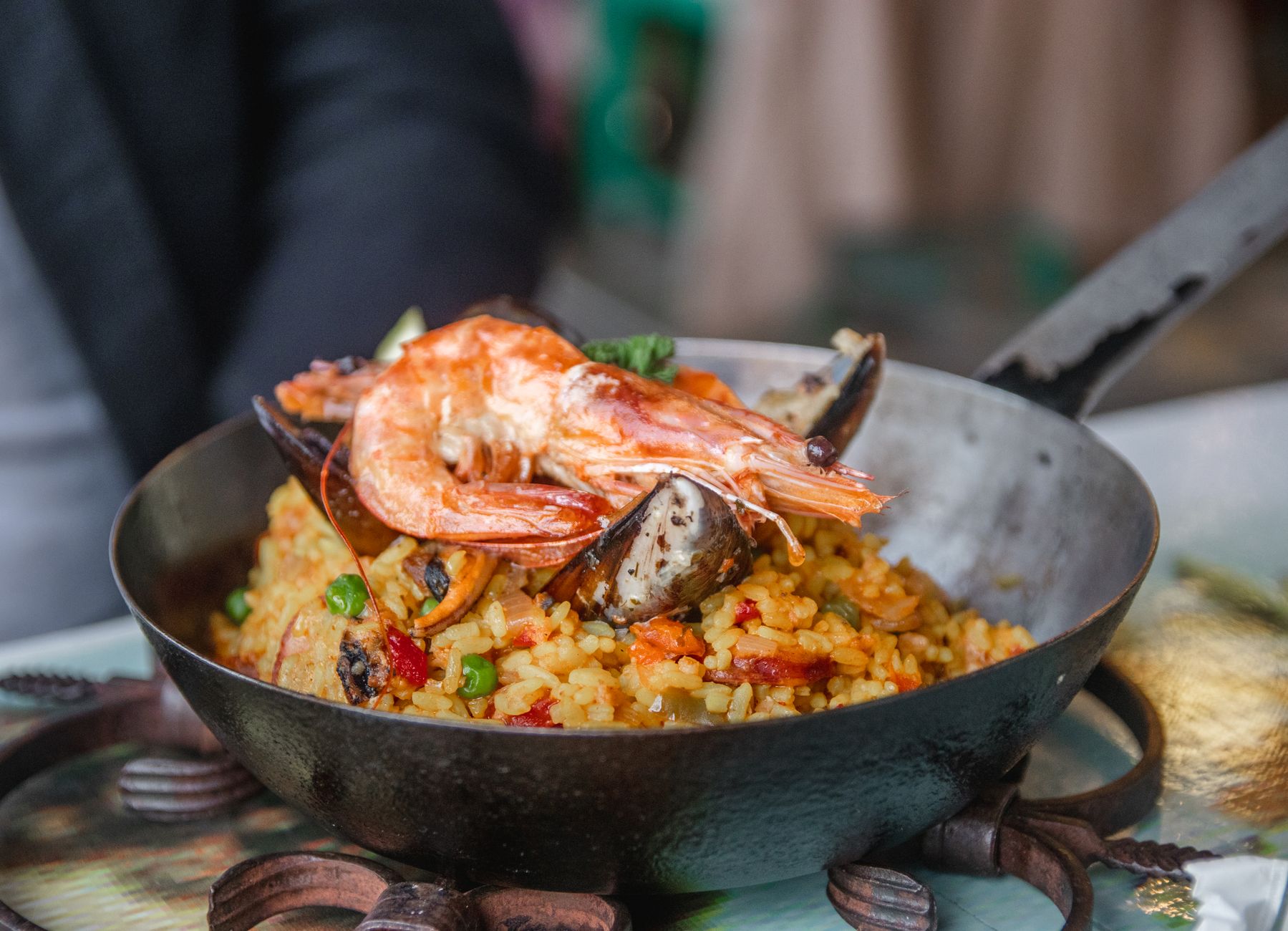
Sardines grilled on olive wood as espetos de sardinas along Playa de la Bajadilla, plus salt-crust sea bass and fried boquerones.
Old Town in Marbella Andalusia Spain
Moorish street plans, ninth-century castle ramparts, and orange trees in Plaza de los Naranjos, all easily navigated on foot before midday.
Coastal Walks in Marbella Andalusia Spain
The six-kilometre paved Paseo Marítimo connects the town centre to Puerto Banús, ideal for morning walks before the midday heat settles.
Mountain Trails in Marbella Andalusia Spain
Rugged limestone paths climb from Refugio de Juanar up to the 1,215-metre summit of La Concha, offering views straight across to Gibraltar.
Andalusian Wine in Marbella Andalusia Spain
Crisp Sierras de Málaga dry whites made from Moscatel and robust reds from the Ronda highlands, poured generously at traditional tabernas.
Archaeology in Marbella Andalusia Spain
First-century Roman thermal baths at Las Bóvedas and fourth-century mosaics at the Vega del Mar paleochristian basilica in San Pedro.
Markets & Produce in Marbella Andalusia Spain
Mercado Central on Calle Jacinto Benavente for fresh choco, green olives, local avocados, and cured Iberian ham sliced thin to order.
Tapas Culture in Marbella Andalusia Spain
Small plates of gambas al pil-pil, salmorejo, and crisp rabo de toro croquettes served along the lively curbs of Calle San Lázaro.
Public Art in Marbella Andalusia Spain
Ten original bronze sculptures by Salvador Dalí line the marble-paved Avenida del Mar leading straight from Alameda Park to the sea.
Nearby Villages in Marbella Andalusia Spain
The steep whitewashed lanes of Ojén and Istrán sit just fifteen minutes inland, offering almond groves and quiet mountain plazas.
Beaches & Chiringuitos in Marbella Andalusia Spain
Sandy stretches at Playa de Cabopino with protected dunes, and rustic timber chiringuitos serving chilled gazpacho by the water.
Sacred Architecture in Marbella Andalusia Spain
The seventeenth-century Iglesia de Nuestra Señora de la Encarnación, featuring a baroque rococo doorway and quiet cloistered plaza.