Mũi Né.


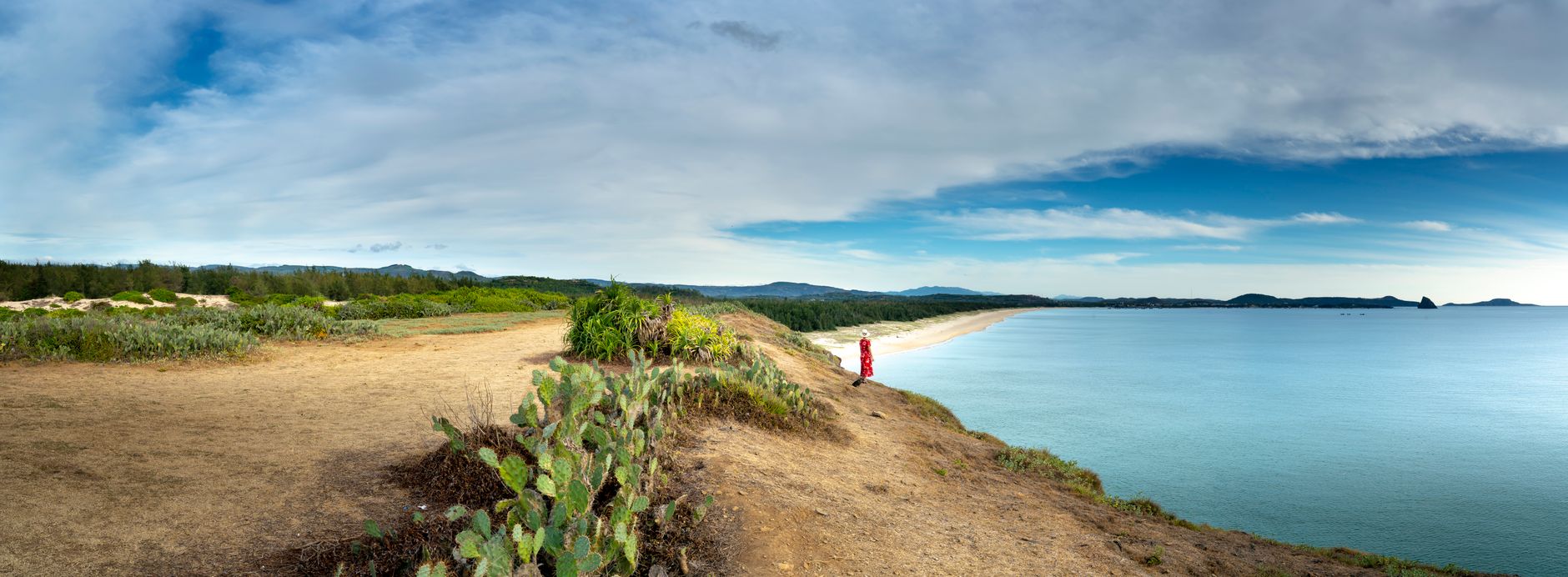

Mũi Né sits four hours east of Ho Chi Minh City along the south-central coast, reachable by direct train to Phan Thiết followed by a short taxi ride. The town is defined by a single coastal strip, steady cross-shore winds, and high red sand dunes. Mũi Né is worth visiting if you want reliable kitesurfing winds, raw morning fish landings straight off round coracles, and unadorned shellfish grilled over charcoal on the seawall. Look elsewhere if you expect walkable pavements, quiet untouristed sands, or historic old-quarter architecture.
Last updated 26 Oct 2026
Build a Mũi Né itinerary.
Choose up to 4 threads that pull you in. Your plan arrives organised around them.
The Bed
Where to stay in Mũi Né
Which part of town to book, and what each one costs you in walking, noise or quiet.
The Comparison
Mũi Né, or somewhere near it
The places you are realistically choosing between, and the honest case for each.
The Local Record
Where to read more about Mũi Né
The blogs, boards, guides and operators worth bookmarking.
What to do in Mũi Né Bình Thuận Vietnam
Mũi Né unfurls along a single strip of asphalt between a bluff of red dirt and the South China Sea. The rhythm is dictated by the offshore breeze in the afternoon and the fishing fleet returning at sunrise. It suits independent travellers who prefer hiring a scooter, eating simple grilled fish at plastic tables, and spending half their day on the water rather than seeking curated resort luxury.
24 hours in Mũi Né Bình Thuận Vietnam
Watch fishermen haul nets from round basket boats at the harbour at 06:00. Spend the midday heat resting before heading to the Red Sand Dunes at 16:30 for the low sun. End the night picking live prawns and sweet sea snails from the open-air charcoal grills lining the seawall on Nguyễn Đình Chiểu. Select 1 Day above to see it.
2 days in Mũi Né Bình Thuận Vietnam
Ride forty minutes north at dawn to the sweeping White Sand Dunes near Bàu Trắng lake. In the afternoon, head west into Phan Thiết to walk the Cham towers of Po Sah Inư, then sit down for crispy bánh xèo pancakes filled with pork and squid at a street stall on Tuyên Quang street. Choose 2 Days to expand the plan.
3 days in Mũi Né Bình Thuận Vietnam
A third day allows an unhurried morning drive south down coastal route DT719 to Ke Ga Lighthouse, where a local boatman ferries you across to the rocky islet. Stop at roadside dragon fruit plantations on the way back for cold fruit cut straight from the orchard.
Mũi Né Bình Thuận Vietnam itineraries by interest
Local Seafood in Mũi Né Bình Thuận Vietnam
Eat grilled scallop with spring onion oil, steamed sea snails, and sweet squid along the bờ kè seawall on Nguyễn Đình Chiểu after 17:00.
Water Sports in Mũi Né Bình Thuận Vietnam
Catch reliable thermal winds between November and April for kitesurfing and windsurfing along the main beach strip off Ward Hàm Tiến.
Coastal Geology in Mũi Né Bình Thuận Vietnam
Walk barefoot through the shallow red silt stream of Fairy Stream (Suối Tiên) past wind-carved limestone and red clay formations.
Morning Markets in Mũi Né Bình Thuận Vietnam
Watch round thúng coracles land their dawn catch at Mũi Né fishing village before sorting crabs, rays, and prawns right on the sand.
Ancient Architecture in Mũi Né Bình Thuận Vietnam
Visit the eighth-century Po Sah Inư Cham Towers on Bà Nài Hill to see Hindu brick shrines dedicated to Shiva and Princess Po Sah Inư.
Desert Landscapes in Mũi Né Bình Thuận Vietnam
Rent a plastic sledge or quad bike across the towering White Sand Dunes (Đồi Cát Trắng) bordering the lotus-filled Bàu Trắng lake.
Local Produce in Mũi Né Bình Thuận Vietnam
Sample traditional nước mắm fish sauce fermented in wooden barrels across Phan Thiết, alongside fresh local red-flesh dragon fruit.
Street Food in Mũi Né Bình Thuận Vietnam
Order bánh xèo pancakes crisped in small clay pans and bánh căn quail eggs on Phan Chu Trinh in nearby Phan Thiết town.
Lighthouses in Mũi Né Bình Thuận Vietnam
Take a wooden boat to Ke Ga Island south of town to climb the 1897 French-built granite lighthouse, the tallest in Vietnam.
Day Trips in Mũi Né Bình Thuận Vietnam
Ride the cable car up Ta Cu Mountain to see the 49-metre reclining Sakyamuni Buddha set inside dense coastal jungle reserve.
Craft Traditions in Mũi Né Bình Thuận Vietnam
Visit the salt pans of Cà Ná to watch workers scrape crystallised sea salt under the midday sun into bamboo baskets.
Harbour Life in Mũi Né Bình Thuận Vietnam
Stand on the bluffs above Phan Thiết harbour to see hundreds of blue wooden fishing trawlers anchored after offshore night shifts.