
.jpg)

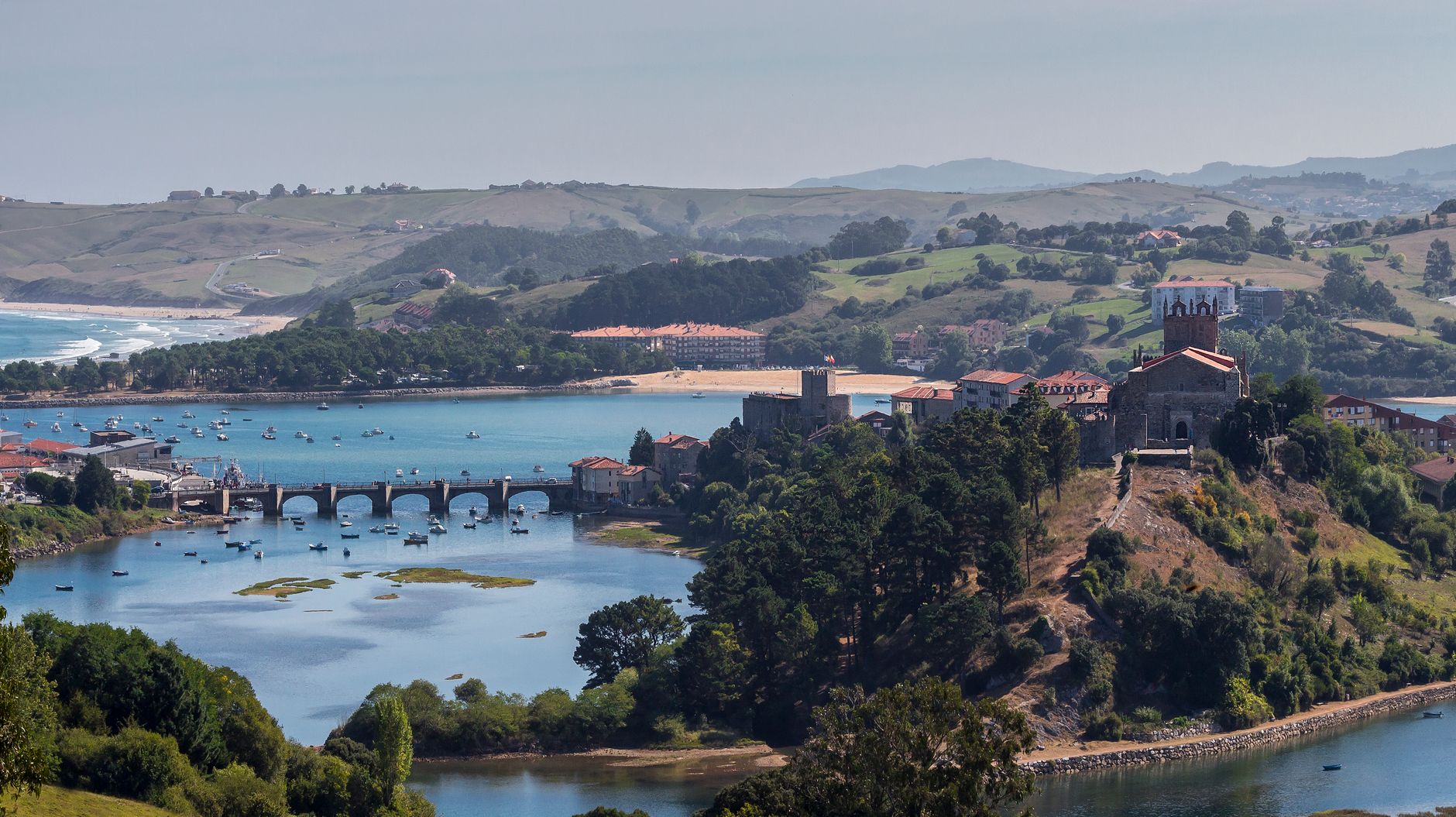
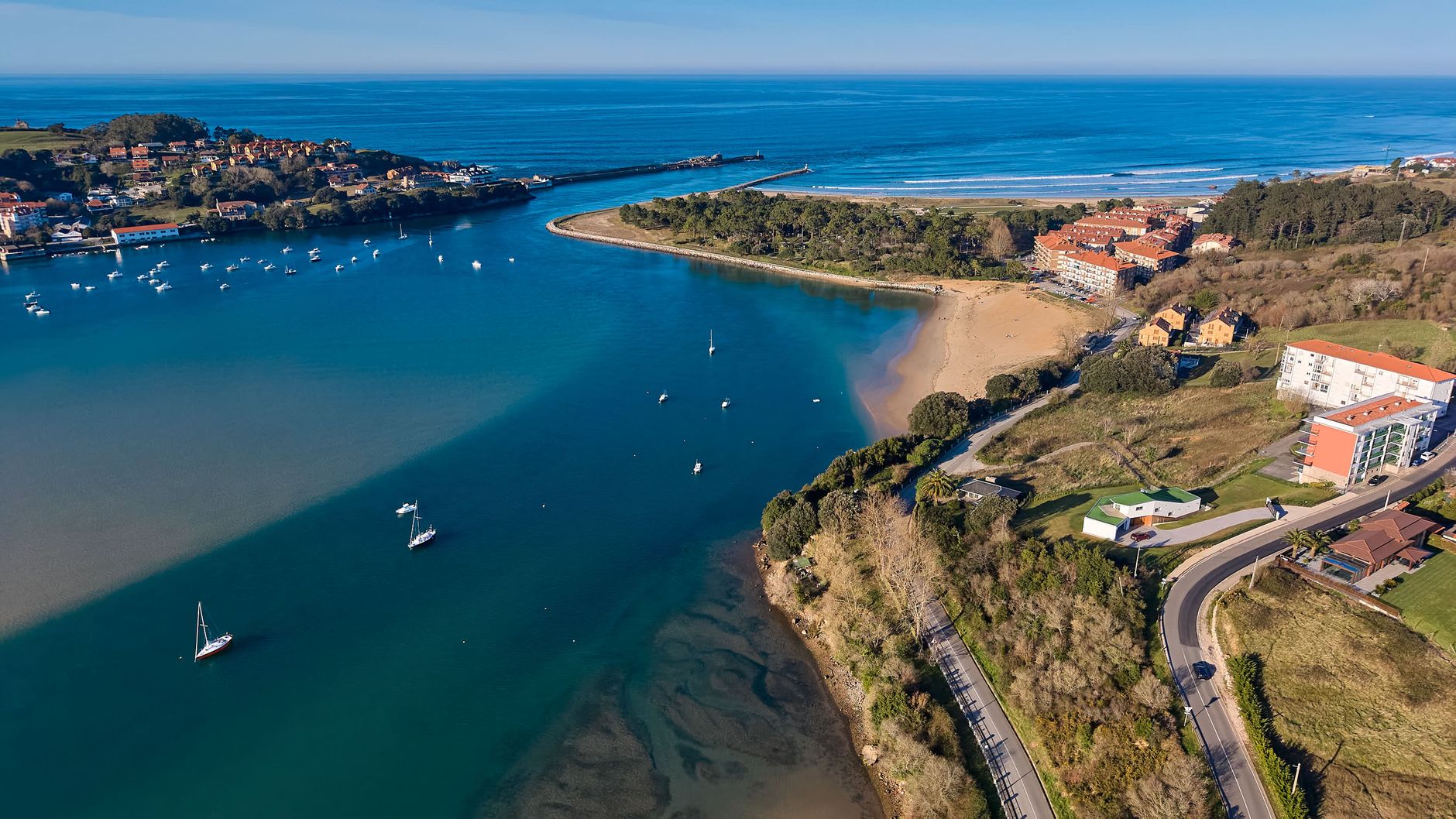
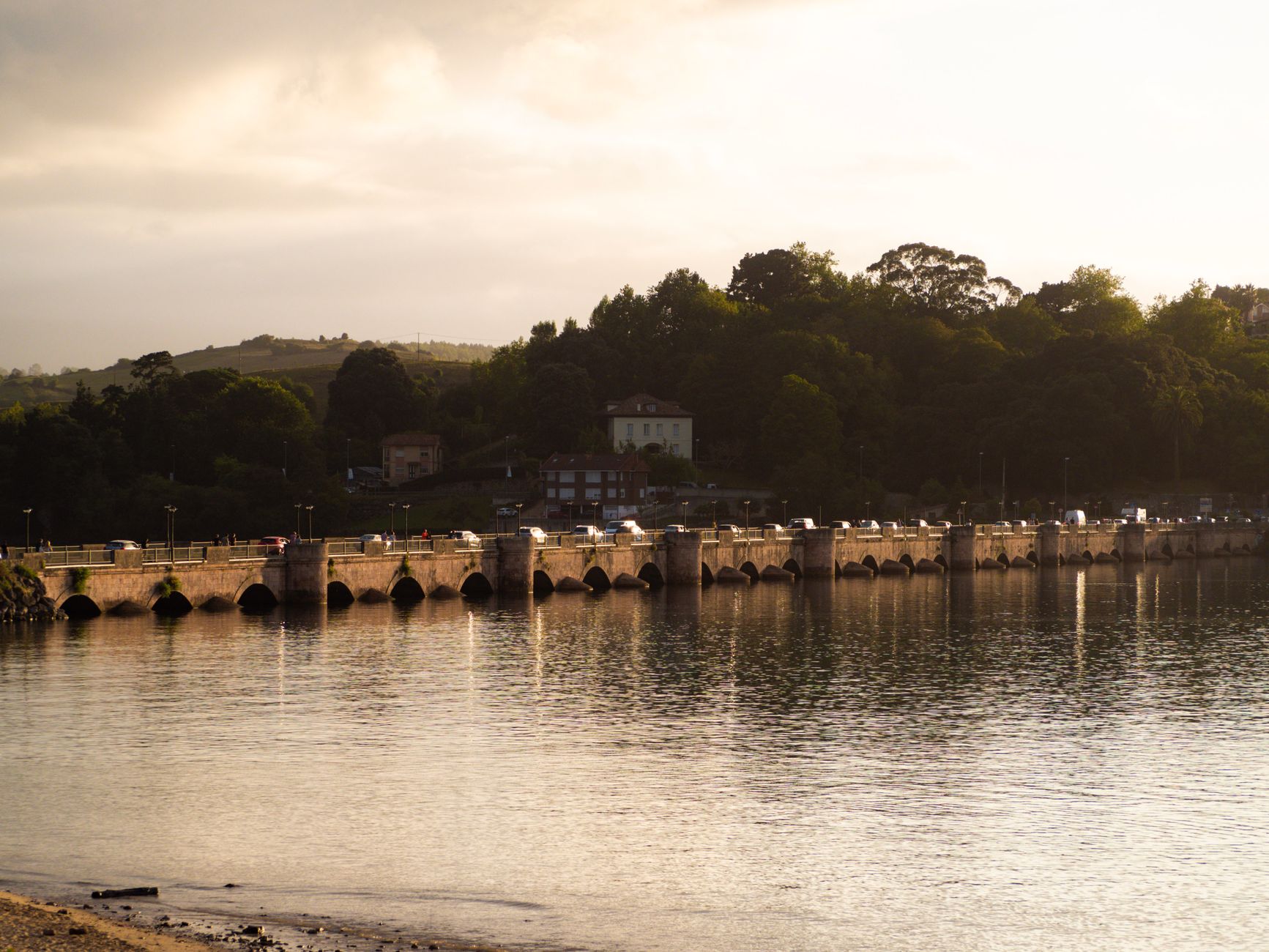
Tide water pulls away under the arched Puente de la Maza, leaving wooden dories on the mud while the Picos de Europa rise sharp and white beyond the estuary. A steep ten-minute climb brings you up to the thirteenth-century Castillo del Rey and the fortress church of Santa María de los Ángeles. Down along the docks, old fishing hands box turbot while corner taverns ladle sorropotún, a dense bonito and potato stew. San Vicente de la Barquera is worth visiting if you want wild coastal walking paired with serious, unvarnished Cantabrian seafood. Look elsewhere if you want late-night clubbing, flat walking, guaranteed beach sunshine, or a deep roster of indoor sights for rainy days.
Last updated 2 Sept 2026
Build a San Vicente de la Barquera itinerary.
Choose up to 4 threads that pull you in. Your plan arrives organised around them.
The Bed
Where to stay in San Vicente de la Barquera
Which part of town to book, and what each one costs you in walking, noise or quiet.
The Comparison
San Vicente de la Barquera, or somewhere near it
The places you are realistically choosing between, and the honest case for each.
The Local Record
Where to read more about San Vicente de la Barquera
The blogs, boards, guides and operators worth bookmarking.
What to do in San Vicente de la Barquera Cantabria Spain
The town straddles the Ria de San Vicente, split between the working docks below and the walled Puebla Vieja ridge above. Life moves by tidal rhythms and boat schedules. Mornings belong to fish auctions and walks across the 28-arch Puente de la Maza, while afternoons ease into taverns serving fresh catch. It suits independent travellers who prefer salt air, brisk walks, and unvarnished northern cooking over manicured resort amenities.
24 hours in San Vicente de la Barquera Cantabria Spain
Cross the Puente de la Maza on foot, then climb the stone ramp to Santa María de los Ángeles and Castillo del Rey before midday. Have lunch along Calle Mercado, ordering sorropotún and grilled squid. Finish with a late afternoon walk out to the Faro de Punta Silla lighthouse to watch the Atlantic tide roll into the estuary. Select 1 Day above to see it.
2 days in San Vicente de la Barquera Cantabria Spain
Head east into the dunes and salt meadows of Parque Natural de Oyambre. Walk the long curve of Playa de Merón, then stop in nearby Comillas to tour Gaudí's El Capricho. Return to San Vicente for an evening of dry Cantabrian cider, grilled razor clams, and wedges of Picón Bejes-Tresviso blue cheese. Choose 2 Days to expand the plan.
3 days in San Vicente de la Barquera Cantabria Spain
A third day allows an inland detour south toward the limestone gorge of Desfiladero de la Hermida and the cave formations at El Soplao. Spend your final evening lingering over roasted turbot in the harbour, watching fishing dories settle into the estuary mud under the evening light.
San Vicente de la Barquera Cantabria Spain itineraries by interest
Local Seafood in San Vicente de la Barquera Cantabria Spain
Order sorropotún bonito stew at dockside taverns, or grilled turbot and goose barnacles brought in by the local trawler fleet.
Medieval Architecture in San Vicente de la Barquera Cantabria Spain
Walk the thirteenth-century Castillo del Rey ramparts and see the Gothic tomb of Inquisitor Corro inside Santa María de los Ángeles.
Coastal Walks in San Vicente de la Barquera Cantabria Spain
Follow the clifftop Camino del Norte trail past the Faro de Punta Silla lighthouse toward the sandspit of Playa de Merón.
Protected Nature in San Vicente de la Barquera Cantabria Spain
Explore the salt marshes, dunes, and coastal woodlands of Parque Natural de Oyambre stretching just east of the ria.
Sacred Sites in San Vicente de la Barquera Cantabria Spain
Visit the ruined fourteenth-century Convento de San Luis, set above the estuary where King Charles V stayed upon landing in 1517.
Regional Cheeses in San Vicente de la Barquera Cantabria Spain
Sample pungent Queso Picón Bejes-Tresviso blue cheese and creamy Quesuco de Liébana paired with crusty country bread and cider.
Beaches in San Vicente de la Barquera Cantabria Spain
Walk across the broad sands of Playa de Oyambre and Playa de Gerra, where Atlantic swells break against green bluffs.
Day Trips in San Vicente de la Barquera Cantabria Spain
Drive thirty minutes inland to the stalactite chambers of Cueva de El Soplao or the alpine meadows of Picos de Europa.
Maritime Heritage in San Vicente de la Barquera Cantabria Spain
Cross the 28-arched Puente de la Maza and watch commercial fishing vessels unload hake and anchovies at the lonja auction.
Hiking Trails in San Vicente de la Barquera Cantabria Spain
Follow the coastal trail along Punta del Dichoso or trek the inland paths winding through the eucalyptus hills of Monte Corona.
Local Markets in San Vicente de la Barquera Cantabria Spain
Browse weekly stalls on Tuesday mornings along Plaza Mayor del Fuero for cured mountain cecina, honey, and seasonal orchard fruit.
Surfing in San Vicente de la Barquera Cantabria Spain
Catch reliable beach breaks at Playa de Merón and Gerra, where surf schools operate out of the dunes year-round.