


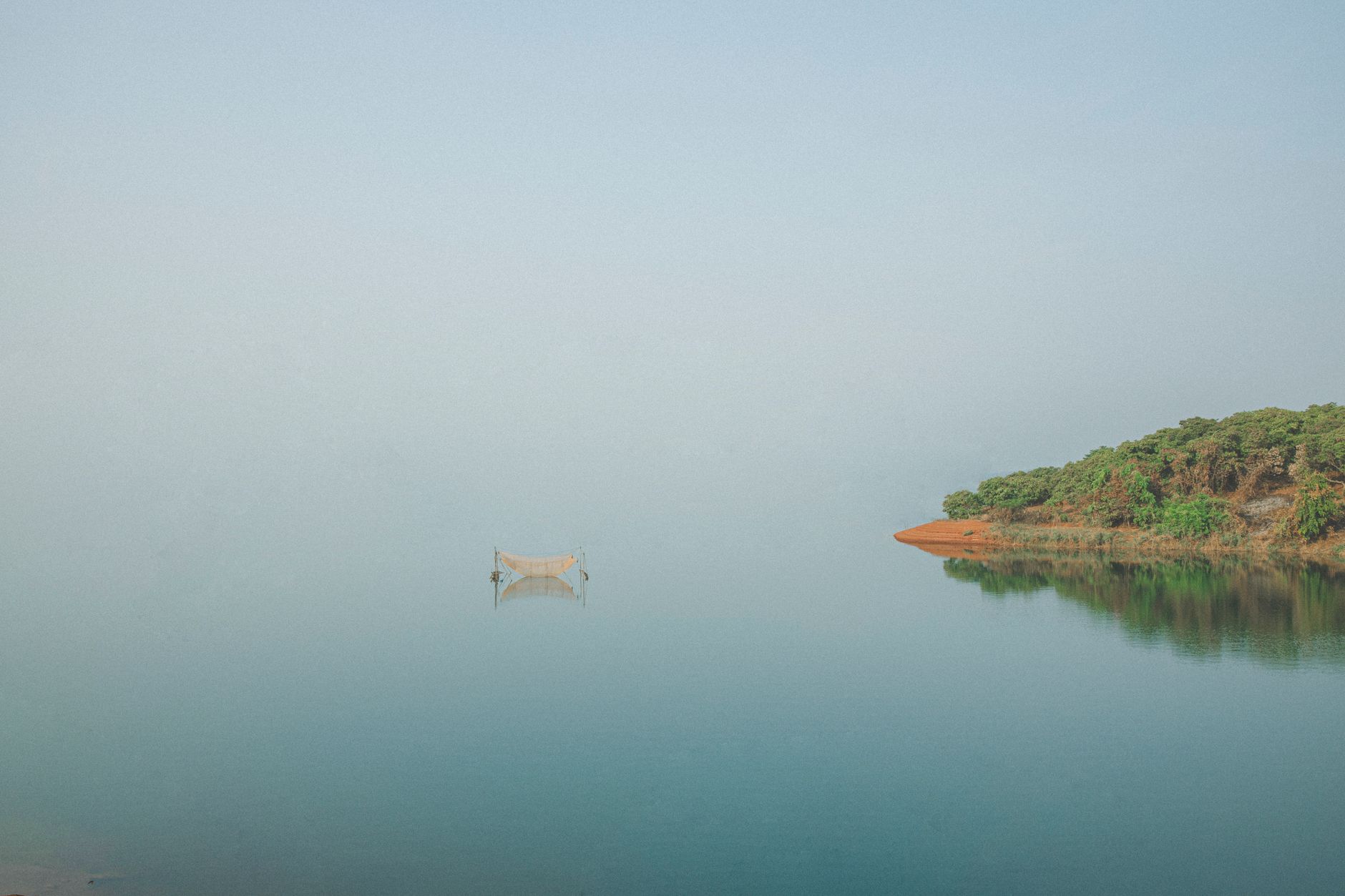


Sóc Trăng sits 60 kilometres south of Cần Thơ down Highway 1A, roughly a ninety-minute drive across flat delta farmland. The town is known for its centuries-old Khmer Theravada pagodas, fruit orchards, and distinct southern noodle traditions. Sóc Trăng is worth visiting if you want to explore living Khmer religious heritage and eat herbal fish-broth soups at neighbourhood stalls. Look elsewhere if you expect polished resort infrastructure, curated craft beer bars, or manicured tourist walkways.
Last updated 8 Oct 2026
Build a Sóc Trăng itinerary.
Choose up to 4 threads that pull you in. Your plan arrives organised around them.
The Bed
Where to stay in Sóc Trăng
Which part of town to book, and what each one costs you in walking, noise or quiet.
The Comparison
Sóc Trăng, or somewhere near it
The places you are realistically choosing between, and the honest case for each.
The Local Record
Where to read more about Sóc Trăng
The blogs, boards, guides and operators worth bookmarking.
What to do in Sóc Trăng Sóc Trăng Vietnam
Sóc Trăng revolves around the Maspero River and a dense grid of residential streets punctuated by soaring Khmer temple roofs. Days start at dawn around the central market and ease into leisurely bowls of noodle soup under metal awnings before the midday heat. It is a slow, unpretentious provincial hub suited to travellers who prefer cultural immersion, distinct regional food, and quiet afternoon temple courtyards over fast-paced itineraries.
24 hours in Sóc Trăng Sóc Trăng Vietnam
Begin at 7:00 at Chùa Dơi to watch fruit bats settle into the trees, then head to Quán Cây Nhãn on Võ Đình Sâm for a steaming bowl of bún nước lèo. In the afternoon, visit the clay sculptures of Chùa Đất Sét before walking the Maspero River embankment for fried bánh cóng at sunset. Select 1 Day above to see it.
2 days in Sóc Trăng Sóc Trăng Vietnam
Dedicate your second morning to Chùa Chén Kiểu in Mỹ Xuyên, admiring its mosaic porcelain walls before visiting the Khmer Museum on Nguyễn Chí Thanh. Lunch on crisp roast duck and steamed rice near the central market, then spend an unhurried afternoon tasting fresh durian-scented bánh pía at bakeries along Lý Thường Kiệt. Choose 2 Days to expand the plan.
3 days in Sóc Trăng Sóc Trăng Vietnam
A third day allows an early 5:00 departure for the Ngã Năm floating market, thirty kilometres inland, where wooden sampans trade produce at the river crossroads. Return through the rural backroads of Thạnh Trị, stopping at roadside stands for cured pork nem nướng and sweet iced coffee.
Sóc Trăng Sóc Trăng Vietnam itineraries by interest
Sacred Architecture in Sóc Trăng Sóc Trăng Vietnam
Chùa Dơi shelters flying foxes among golden stupas, while Chùa Chén Kiểu incorporates recycled porcelain bowls into its 19th-century facade.
Noodle Soups in Sóc Trăng Sóc Trăng Vietnam
Bún nước lèo features snakehead fish, roast pork, and bitter herbs in a clear, pungent broth seasoned with fermented prohok and wild galangal.
Pastry Traditions in Sóc Trăng Sóc Trăng Vietnam
Bánh pía delivers rich layers of flaky crust packed with mung bean paste, salted duck egg yolk, and fragrant durian, baked fresh along Lý Thường Kiệt.
Markets & Produce in Sóc Trăng Sóc Trăng Vietnam
Morning trade at Chợ Sóc Trăng fills stalls along the Maspero River with pomelos, fresh lotus seeds, river crabs, and blocks of cane sugar.
Street Food in Sóc Trăng Sóc Trăng Vietnam
Crispy bánh cóng cups fry shredded taro, mung beans, and whole freshwater shrimp in hot lard, served with fresh mustard greens and fish sauce.
Cultural Festivals in Sóc Trăng Sóc Trăng Vietnam
The annual Ok Om Bok festival draws hundreds of rowers to the Maspero River each autumn for high-stakes Ngo boat races under the full moon.
Folk Craft in Sóc Trăng Sóc Trăng Vietnam
Chùa Đất Sét displays thousands of intricate clay statues, lotus pillars, and giant ceremonial beeswax candles cast in the early twentieth century.
Rural Cycling in Sóc Trăng Sóc Trăng Vietnam
Paved country lanes outside Mỹ Xuyên lead past Khmer farmsteads, tidal irrigation canals, coconut palms, and quiet Theravada village shrines.
Cultural Heritage in Sóc Trăng Sóc Trăng Vietnam
The Khmer Museum houses traditional pinpeat orchestra instruments, hand-carved marionettes, ritual costumes, and historical palm-leaf manuscripts.
River Life in Sóc Trăng Sóc Trăng Vietnam
Early morning boats gather at Ngã Năm floating market, trading cabbage, watermelons, and seasonal delta fruit where five waterways converge.
Vegetarian Cooking in Sóc Trăng Sóc Trăng Vietnam
Local quán chay dining spots serve tofu braised with lemongrass, banana flower salads, and broths made from simmered radish and sweet jicama.
Day Trips in Sóc Trăng Sóc Trăng Vietnam
Boats from Trần Đề port make the two-hour crossing to Côn Đảo, connecting mainland delta backwaters with the offshore archipelago.