Albacete.


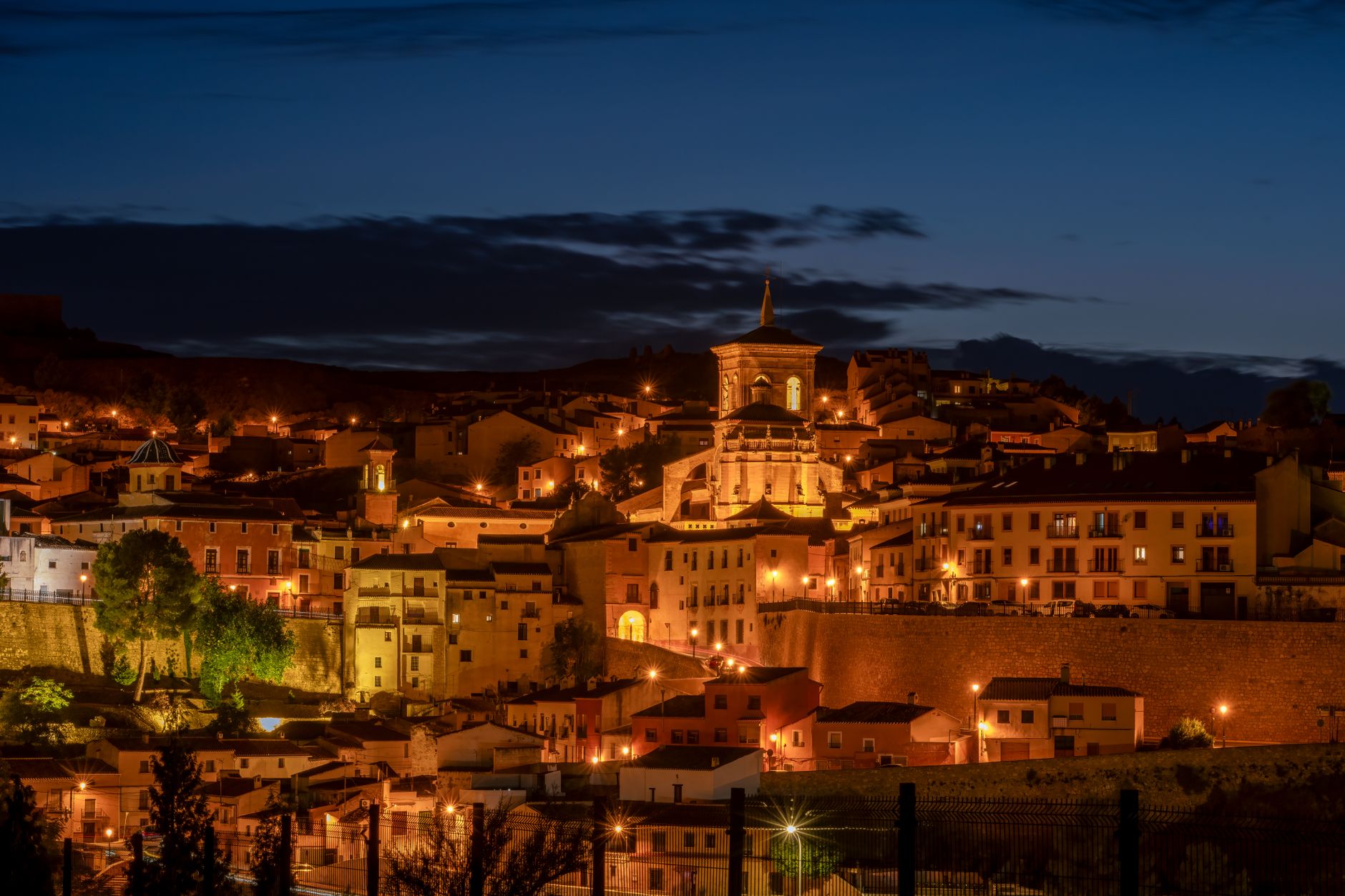
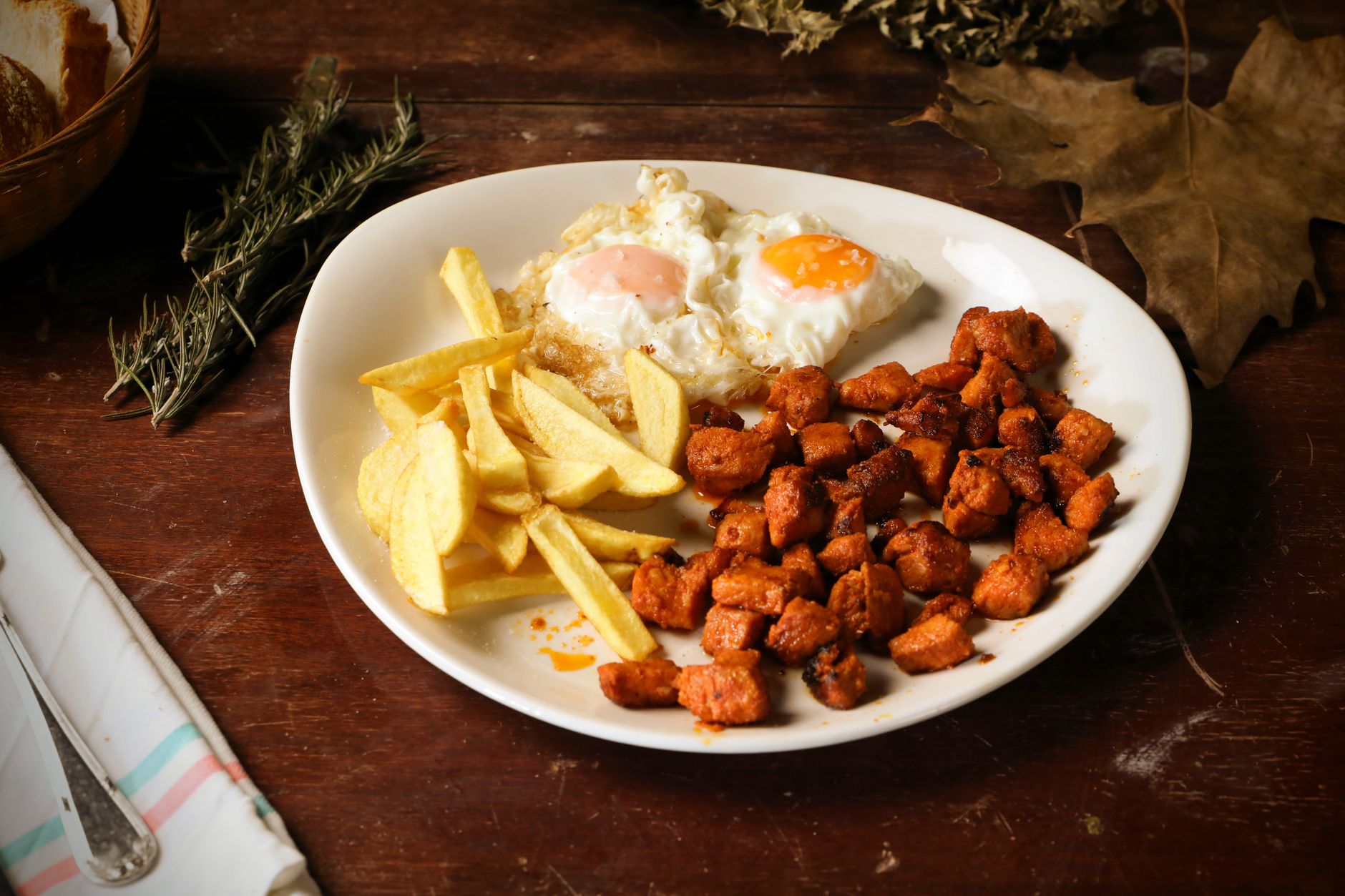

Albacete sits ninety minutes southeast of Madrid by AVE train, functioning as the quiet commercial engine of the La Mancha plains. It is known across Spain for hand-forged folding knives and rich inland hunting cuisine. Albacete is worth visiting if you want to eat rustic game stews, explore artisan cutlery workshops, and stroll wide modernist avenues without tour crowds. Look elsewhere if you want dramatic medieval ramparts, monumental cathedral plazas, or late-night seaside promenade life.
Last updated 25 Sept 2026
Build a Albacete itinerary.
Choose up to 4 threads that pull you in. Your plan arrives organised around them.
The Bed
Where to stay in Albacete
Which part of town to book, and what each one costs you in walking, noise or quiet.
Places to stay
Central, well-rated and easy to find again. Distances are from the middle of town.
These links go to Booking.com and earn us a commission. They cost you nothing extra.
The Comparison
Albacete, or somewhere near it
The places you are realistically choosing between, and the honest case for each.
The Local Record
Where to read more about Albacete
The blogs, boards, guides and operators worth bookmarking.
What to do in Albacete Castille-La Mancha Spain
Albacete is a flat, easily navigable city built on commerce, agriculture, and centuries of blade-making. Daily rhythm here tracks the traditional Spanish clock: mornings over café con leche near Plaza del Altozano, a heavy two-hour lunch of game and pulse stews, and unhurried evening strolls through the pedestrianised center. It suits travellers who enjoy unpretentious regional cooking, good train links, and functional towns free of tour buses.
24 hours in Albacete Castille-La Mancha Spain
Start at the Museo de la Cuchillería to inspect centuries of blade craft, then admire the ironwork in Pasaje de Lodares. For lunch, order gazpachos manchegos on Calle Concepción. Spend the afternoon in Parque Abelardo Sánchez before evening tapas of grilled forro and a glass of local red around Calle Tejares. Everything sits within a twenty-minute walk. Select 1 Day above to see it.
2 days in Albacete Castille-La Mancha Spain
A second day expands to the Júcar river valley. Drive forty minutes to Alcalá del Júcar, where whitewashed houses are built directly into limestone canyon cliffs below a twelfth-century castle. Eat roast lamb at a riverside mesón, then return to Albacete for evening coffees and powdered miguelitos pastries at a bakery on Plaza Mayor. Choose 2 Days to expand the plan.
3 days in Albacete Castille-La Mancha Spain
Three days let you reach the dramatic medieval fortress town of Almansa or the forested crags of the Sierra del Segura. Take a morning tour of a La Mancha saffron or sheep farm, sample Manchego aged in olive oil, and spend an unhurried final evening exploring the Roman mosaics at the provincial archaeological museum without checking your watch.
Albacete Castille-La Mancha Spain itineraries by interest
Craft Traditions in Albacete Castille-La Mancha Spain
Inspect handmade navajas and folding pocketknives at the Museo de la Cuchillería, where steel craftsmanship dates back to the sixteenth century.
Regional Stews in Albacete Castille-La Mancha Spain
Taste gazpachos manchegos simmered with rabbit, partridge, and flatbread, or creamy atascaburras whipped with salt cod and winter potatoes.
Historic Architecture in Albacete Castille-La Mancha Spain
Walk beneath the cast-iron glass roof of Pasaje de Lodares, an early-twentieth-century gallery designed in the grand Italian commercial style.
Wine & Vineyards in Albacete Castille-La Mancha Spain
Sample crisp white Airén and bold red Tempranillo poured from cellars across the surrounding La Mancha and Ribera del Júcar wine denominations.
Markets & Produce in Albacete Castille-La Mancha Spain
Browse Mercado de Villacerrada for cured Manchego cheese wedges, dried saffron threads, purple garlic from Las Pedroñeras, and marzipan.
Sacred Architecture in Albacete Castille-La Mancha Spain
Visit the Cathedral of San Juan Bautista to study its Renaissance choir columns alongside twentieth-century murals painted by Casimiro Escribá.
Urban Parks in Albacete Castille-La Mancha Spain
Stroll the sycamore-shaded paths of Parque Abelardo Sánchez, home to leafy botanical gardens and the provincial archaeological museum.
Tapas & Bars in Albacete Castille-La Mancha Spain
Order small plates of forro, grilled pork snout, and miguelitos pastries along Calle Tejares and Calle Concepción during the late afternoon surge.
Day Trips in Albacete Castille-La Mancha Spain
Drive fifty minutes to the fortified clifftop village of Alarcón or the hanging houses of Alcalá del Júcar carved into the Júcar river canyon.
Local Baking in Albacete Castille-La Mancha Spain
Stop at local pastry shops for genuine miguelitos de La Roda, light puff pastry squares filled with vanilla pastry cream and powdered sugar.
Archaeology & History in Albacete Castille-La Mancha Spain
Tour the Museo de Albacete to examine Iberian bronze sculptures, Roman ivory dolls found at Ontur, and Visigothic burial artifacts.
Nature & Hiking in Albacete Castille-La Mancha Spain
Follow riverside trails through the limestone gorges and walnut groves of the Valle del Río Júcar just northeast of the provincial capital.