Ávila.


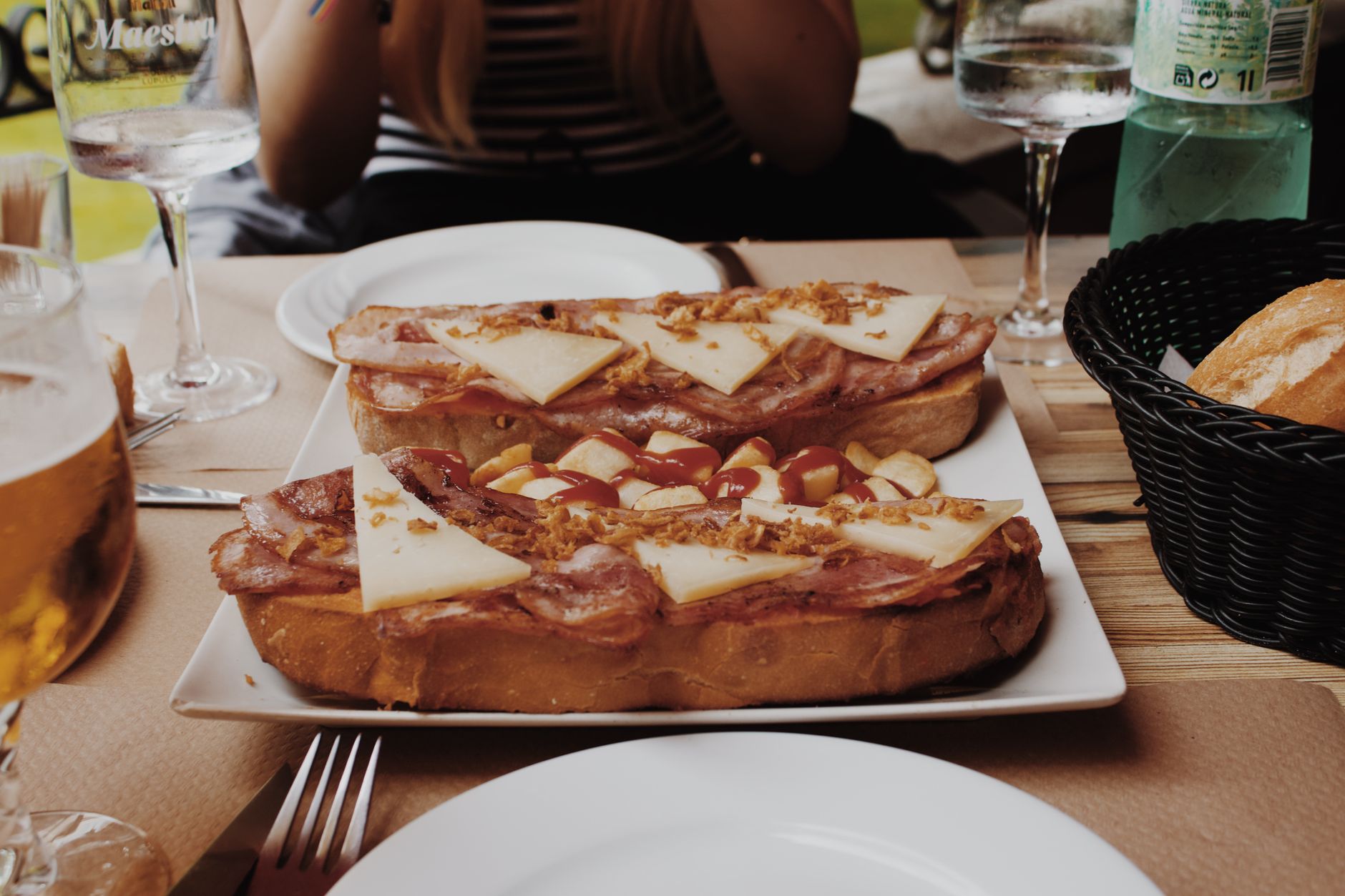

Ávila sits 110 kilometres northwest of Madrid, reachable in an hour and twenty minutes by direct train from Príncipe Pío. The city is defined by its intact eleventh-century granite ramparts, Romanesque basilicas, and deep culinary devotion to dry-aged ribeye steak and white beans. Ávila is worth visiting if you want to walk massive medieval ramparts, eat heavy beef over wood coals, and study austere Romanesque stone. Look elsewhere if you want late-night clubbing, warm coastal air, or modern urban distractions.
Last updated 22 Sept 2026
Build a Ávila itinerary.
Choose up to 4 threads that pull you in. Your plan arrives organised around them.
Your lenses changed — refresh to reweave Ávila around Sacred Architecture.
Sacred Architecture
Study the red-and-white mottled granite apse of the fortress-cathedral and the Romanesque carved portal at the twelfth-century Basílica de San Vicente.
Sacred Architecture
Study the red-and-white mottled granite apse of the fortress-cathedral and the Romanesque carved portal at the twelfth-century Basílica de San Vicente.
Surveying the Granite Panorama
Mirador de los Cuatro Postes
Cross the Adaja river on foot along the Salamanca road. Free access all morning; spend twenty minutes taking in the full 2.5-kilometre wall circuit against the high plateau.
Editor TipConstructed in 1566 over Roman foundations, this four-column shrine marks the legendary spot where the seven-year-old Saint Teresa was caught attempting to seek martyrdom in the south. Bring a windbreaker; the gust off the Sierra de Gredos is uncompromising even in May.
Fortress Apse and Blood Granite
Catedral del Salvador de Ávila
Enter through the Plaza de la Catedral. Tickets cost eight euros and include an audio guide; allow an hour to inspect the fortified cimborrio built directly into the defensive wall.
Editor TipCommenced in the twelfth century by master builder Fruchel, this is Spain's first Gothic cathedral, constructed with red-and-white mottled 'caleña' granite to double as an active military bastion. Look up in the ambulatory to see where the red iron-rich veins in the local stone mimic veins of muscle.
Walking the Medieval Ramparts
Muralla de Ávila
Enter through Puerta del Alcázar. Tickets are five euros at the kiosk, giving you access to over a kilometre of open stone parapet walkway.
Editor TipConstructed from local grey granite during the twelfth century, the defensive perimeter protected both the garrison and the fortified cathedral apse. Walk the southern section first for unobstructed vistas of the Sierra de Gredos ridge across the valley floor.
Romanesque Solitude by the River
Ermita de San Segundo
Walk down to the western Adaja riverbank where entrance is free. Spend forty minutes inspecting the twelfth-century granite carvings and the quiet alabaster tomb carved by Juan de Juni.
Editor TipDedicated to the city's first bishop, this rugged chapel sits in the river basin below the walls, catching the crisp morning wind blowing down from the Sierra de Gredos. Wear thick wool socks; medieval Castilian stone holds the mountain frost well into the forenoon.
Ascending the Roman Pass
Calzada Romana del Puerto del Pico
Park at the pass summit pull-off on the N-502. Walk the ancient stone paving downhill for twenty minutes and back; it is free, rugged, and requires sturdy soles.
Editor TipDating to the second century BC, this granite highway served as the principal transhumance corridor linking the northern meseta to Extremadura pasturelands. The wind off the northern crags is fierce at dawn; button up and watch your footing on the wet slate.
Contemplating the Royal Chapel
Santuario de San Pedro de Alcántara
Drive down the southern slope to Arenas de San Pedro. Entry to the cloisters and royal chapel is three euros at the gate; allocate forty-five quiet minutes.
Editor TipBuilt in the sixteenth century and overhauled by royal architect Ventura Rodríguez in 1757, this Franciscan complex houses the saint's tomb in polished jasper. The brother at the desk stamps pilgrim credentials without fuss; ask him politely to see the sacristy.
Vetton Altar Ridge Walk
Castro de Ulaca
Park in Villaviciosa and follow the yellow waymarkers uphill. Free entry year-round. Allow two hours to complete the loop across the open granite plateau.
Editor TipBuilt by the Celtic Vettones in the third century BC, this massive fortified hill settlement preserves an ancient stepped sacrificial altar carved straight into the bedrock above the Amblés Valley. Wear shoes with serious grip; the exposed granite slabs offer zero shade and become treacherous if sudden rain blows in.
Mountain Landscapes
Mountain Landscapes
Gredos Pine Forest Supper
Parador de Gredos
Reserve a table in advance for dinner. Order the stewed Judías de El Barco beans and local roasted suckling kid. Plan ninety minutes for the meal.
Editor TipOpened in 1928 by King Alfonso XIII, this stone lodge was the very first state-run parador, situated high in the pine forests of the Alto Tormes to celebrate regional Castilian mountain food. Ask for a south-facing window table at dusk to watch the fading light turn the granite massif from ochre to slate blue.
Wildcards
Worth your time whatever brought you here.
Wildcards
Worth your time whatever brought you here.
Contemplating Cloisters and Valley Horizons
Real Monasterio de Santo Tomás
Tickets are four euros at the porter's lodge. Take an hour to wander through all three interconnected courtyards, finishing on the upper gallery overlooking the south quarter.
Editor TipBuilt in 1482 as a royal summer refuge, this Dominican complex pairs intricate Isabelline Gothic stonework with stark Castilian light and distant views of the Sierra de la Paramera. Head straight to the Claustro del Silencio first to catch the morning sun hitting the upper arches in peace.
Note from the Editor
“Ávila sits at 1,130 metres, so the morning wind off the Gredos will bite. Beat the tour buses arriving from Madrid by hitting the outer viewpoints before nine, then head inside the walls.”
The Bed
Where to stay in Ávila
Which part of town to book, and what each one costs you in walking, noise or quiet.
The Comparison
Ávila, or somewhere near it
The places you are realistically choosing between, and the honest case for each.
The Local Record
Where to read more about Ávila
The blogs, boards, guides and operators worth bookmarking.
What to do in Ávila Castilla y León Spain
Ávila sits compact and defensive behind two and a half kilometres of granite walls on the Castilian meseta. The day revolves around perimeter walks along the battlement parapets, quiet moments inside Romanesque stone basilicas, and prolonged lunches of roasted beef and bean stew. It suits travellers who appreciate unhurried medieval heritage, austere high-plateau landscapes, and classic Spanish tavern hospitality without modern bustle.
24 hours in Ávila Castilla y León Spain
Start early at Puerta del Alcázar to walk the top of the ramparts before the midday sun. Head down to Calle San Segundo for a lunch of chuletón and judías beans, then spend your afternoon admiring the carved Romanesque cenotaph inside Basílica de San Vicente. Finish with an evening walk to Los Cuatro Postes as the stone towers light up. Select 1 Day above to see it.
2 days in Ávila Castilla y León Spain
Spend your second morning exploring the cloister at Real Monasterio de Santo Tomás and the quiet convent cells of Santa Teresa. Wander through the cobbled lanes of the historic Jewish quarter around Calle Reyes Católicos, then settle into a neighbourhood mesón for patatas revolconas and roast suckling lamb paired with local Cebreros Garnacha wine. Choose 2 Days to expand the plan.
3 days in Ávila Castilla y León Spain
A third day allows an unhurried excursion south into the Sierra de Gredos mountain range for hiking along pine-fringed granite ridges. Alternatively, head into the Tiétar Valley to tour the fortified castle of Mombeltrán, sampling regional goat cheeses and sweet figs from small village producers along the mountain pass.
Ávila Castilla y León Spain itineraries by interest
Medieval Fortifications in Ávila Castilla y León Spain
Climb the granite Muralla de Ávila via Puerta del Alcázar to walk 1.7 kilometres of ramparts overlooking the valley of the Río Adaja.
Local Meat Traditions in Ávila Castilla y León Spain
Order Chuletón de Ávila, a thick T-bone from Avileña-Negra Ibérica cattle, seared rare over oak coals and seasoned solely with coarse sea salt.
Sacred Architecture in Ávila Castilla y León Spain
Study the red-and-white mottled granite apse of the fortress-cathedral and the Romanesque carved portal at the twelfth-century Basílica de San Vicente.
Traditional Sweets in Ávila Castilla y León Spain
Pick up Yemas de Santa Teresa, delicate egg yolk and sugar confections rolled by hand since the nineteenth century at Pastelería La Flor de Castilla.
Regional Stews in Ávila Castilla y León Spain
Eat Judías de El Barco de Ávila, creamy large white beans slow-simmered with chorizo, morcilla, ear, and cured pork belly in clay pots.
Religious Heritage in Ávila Castilla y León Spain
Visit the Monasterio de la Encarnación and Convento de San José to see where Saint Teresa wrote her Carmelite reforms during the sixteenth century.
City Viewpoints in Ávila Castilla y León Spain
Walk twenty minutes outside the walls at dusk to Los Cuatro Postes for a panoramic sight of the illuminated eighty-eight cylindrical towers.
Renaissance Palaces in Ávila Castilla y León Spain
Step inside the courtyard of the sixteenth-century Palacio de los Verdugo and Torreón de los Guzmanes along Calle López Núñez and Plaza del Corral.
Tapas Culture in Ávila Castilla y León Spain
Hop between taverns around Calle San Segundo, where every caña of beer or Ribera del Duero wine arrives with free local patatas revolconas.
Archaeological Sites in Ávila Castilla y León Spain
Trace the ancient Vettones Celtic roots through the carved granite boar statues, or verracos, displayed outside the gates and inside local museums.
Day Trips in Ávila Castilla y León Spain
Drive forty minutes south into the pine forests of Sierra de Gredos for granite trails or head west to the medieval village of Arévalo for roast pig.
Plazas & Markets in Ávila Castilla y León Spain
Pull up a chair under the porticoes of Mercado Chico for morning espresso before browsing fresh cheeses and cured cecina at the Friday market stalls.