León.



You step off the train into high Castilian air and smell curing beef and oak smoke. León sits flat on the plateau, defined by a 13th-century Gothic cathedral whose kaleidoscopic stained glass turns morning light into purple pools on cold flagstones. By eight in the evening, the Roman walls hem you into the Barrio Húmedo, where every tiny glass of Prieto Picudo comes with a free, heavy plate of cecina or morcilla. It is brisk, walk-everywhere territory with zero patience for fuss.
Last updated 22 Aug 2026
Build a León itinerary.
Choose up to 4 threads that pull you in. Your plan arrives organised around them.
We'll craft a 4-lens plan for León, one collapsible strand per lens.
Historic Plazas
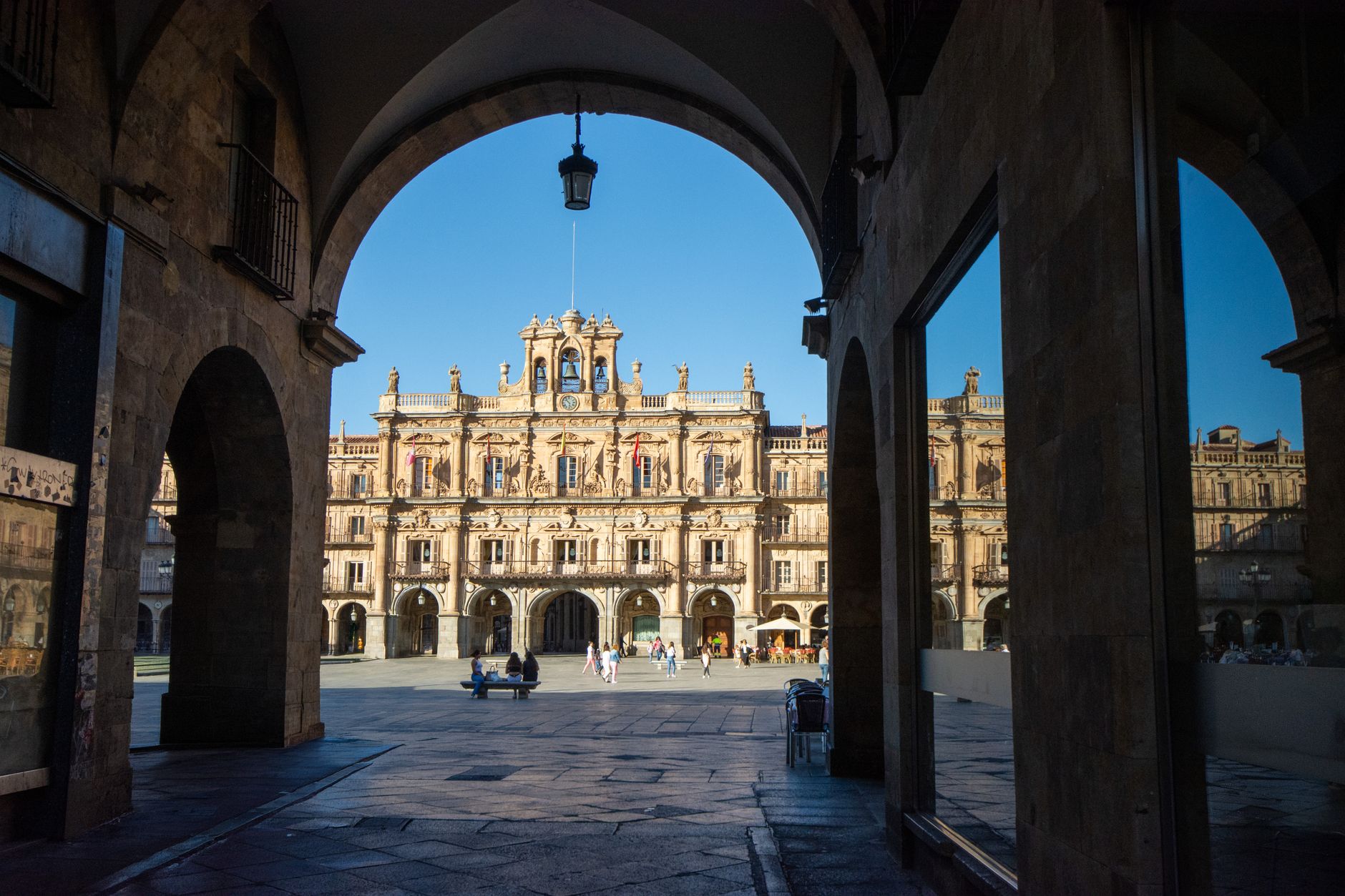
Plaza Mayor and Plaza del Grano offer cobblestone arcades and quiet stone benches. Settle in by late afternoon as locals gather for vermouth beneath 17th-century timber balconies.
Historic Plazas
Plaza Mayor and Plaza del Grano offer cobblestone arcades and quiet stone benches. Settle in by late afternoon as locals gather for vermouth beneath 17th-century timber balconies.
Pebbled Alleys and Romanesque Shadows
Iglesia de Nuestra Señora del Mercado
Walk south to Plaza del Grano. Step inside the twelfth-century Romanesque parish through the modest south portal, then sit by the central fountain. Free entry; spend thirty unhurried minutes.
Editor TipKnown historically as Santa María del Camino, this austere church anchored the grain market and offered medieval pilgrims shelter before entering the fortified city walls. The river-stone cobblestones will test thin soles; sturdy shoes make navigating the medieval pitch much easier.
Gothic Spires and Golden Sandstone
Catedral de Santa María de Astorga
Buy entry at the door for six euros, which covers the museum and cloisters. Late afternoon light strikes the red sandstone facade directly, clearing out midday tour groups.
Editor TipBegun in 1471 on the Pilgrim's Road to Santiago, this towering structure combines late Gothic vaults with a high Renaissance retablo carved by master sculptor Gaspar Becerra. Step across the plaza after visiting to admire how Gaudí's neighbouring granite palace mirrors the cathedral towers.
Tapas Culture
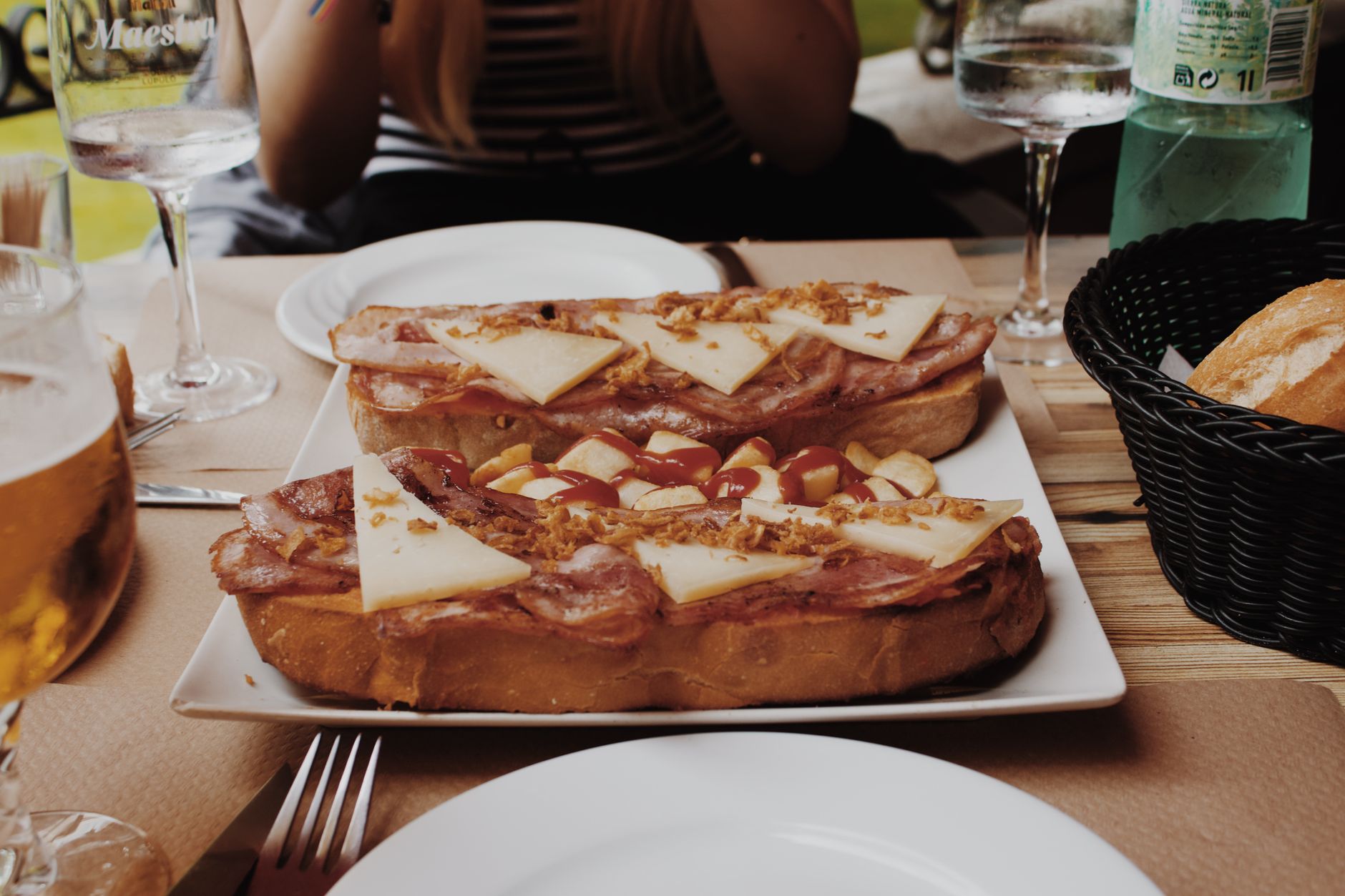
Order a corto of beer or Mencía in the Barrio Húmedo or Barrio Romántico, and you receive free saucers of warm cecina, blood sausage morcilla, or fried potatoes without asking.
Tapas Culture
Order a corto of beer or Mencía in the Barrio Húmedo or Barrio Romántico, and you receive free saucers of warm cecina, blood sausage morcilla, or fried potatoes without asking.
Barrio Húmedo Tapas Crawl
Plaza de San Martín
Step up to the counter, order a short glass of Prieto Picudo red or draught beer, and receive the complimentary hot tapa of the house without looking at a menu.
Editor TipLeón fiercely preserves the tradition of free tapas with every round, where historic taverns around this medieval square specialise in one house dish, from spicy morcilla to cured cecina. Order a corto or a caña to pace yourself. Move to a new counter after each drink like the locals do.
Prieto Picudo and Spiced Morcilla
Bar La Bicha
Stand at the counter, order a corto of local Prieto Picudo red wine for two euros, and accept the complimentary skillet of spiced blood sausage. Arrive promptly at opening.
Editor TipIn León, tapas remain strictly complimentary with drinks. The local morcilla differs from Burgos versions by skipping rice, creating a rich, spreadable paste spiked with paprika. Do not ask for a menu or modifications; the proprietor serves what is bubbling on the plancha.
Food Markets
Mercado del Conde Luna packs butchers selling botillo and chorizo alongside stalls of dry pardo beans, cured cod, and mountain cheeses from the surrounding Picos foothills.
Food Markets
Mercado del Conde Luna packs butchers selling botillo and chorizo alongside stalls of dry pardo beans, cured cod, and mountain cheeses from the surrounding Picos foothills.
Morning Cecina and Market Coffee
Mercado del Conde Luna
Step up to the corner counter for a café con leche and pan con tomate, then inspect the butcher stalls for cured beef. Budget five euros and thirty minutes.
Editor TipLeón's market has anchored regional producers since the sixteenth century, specialising in cecina de León, an oak-smoked, salt-cured beef unique to the high plateaus of Castile and León. Ask the butcher for a paper cornet of thinly sliced cecina de vaca to eat as you walk; no cutlery required.
Reverse Maragato Chickpea Feast
Casa Coscolo
Reserve well ahead for the three-course marathon. You begin with eight cuts of boiled pork and beef, proceed to chickpeas and cabbage, and finish with soup. Allow two hours.
Editor TipMuleteers in the windswept Maragatería ate the dense meats first to ensure sustenance before the soup could cool on the trail, creating a backwards dining custom that persists unchanged. Pace yourself strictly on the chorizo; reaching the soup requires genuine restraint and loosened belts.
Sacred Architecture
Santa María de León holds nearly 1,800 square metres of 13th-century stained glass. Arrive before noon to watch southern sun saturate the nave in cobalt and ruby tones.
Sacred Architecture
Santa María de León holds nearly 1,800 square metres of 13th-century stained glass. Arrive before noon to watch southern sun saturate the nave in cobalt and ruby tones.
Gothic Stained Glass in Morning Light
Catedral de León
Buy your entry ticket at the desk for seven euros. Give yourself an hour inside to let your eyes adjust to eighteen hundred square metres of medieval glass.
Editor TipBuilt on ancient Roman baths in the thirteenth century, the Pulchra Leonina replaced stone walls with radiant glass, creating a temple of pure filtered colour along the Camino de Santiago. Sit in the central nave facing the choir stalls for the best angle on the rose window as the morning sun hits it.
Sampling Maragato Butter Pastries
Confitería Velasco
Grab a zinc-counter espresso and a paper box of fresh mantecadas for four euros. You will need twenty minutes before walking to the square.
Editor TipAstorga bakers have stamped these rich cow-butter cakes by hand since the nineteenth century, relying on grass-fed dairy from the surrounding Teleno mountains. Do not wear dark wool while eating these unless you fancy brushing powdered sugar off your lap all morning.
Wildcards
Worth your time whatever brought you here.
Wildcards
Worth your time whatever brought you here.
Deciphering Modernist Episcopal Granite
Palacio de Gaudí
Book an entry ticket online for six euros to skip the coach-party line at the gate. Allow an hour to study the subterranean vaults and the limestone chapels.
Editor TipCommissioned in 1889 after the old bishop palace burned, this fairytale fortress fused Catalan modernism with regional granite along the French Way of the Camino. The crypt stays chilly even in July, so keep your light jacket handy when descending the stairs.
Note from the Editor
“Get to the cathedral right at opening to catch the east-facing rose window before tour groups gather. Save your heavy appetite for later, but never turn down an early slice of cecina.”
The Bed
Where to stay in León
Which part of town to book, and what each one costs you in walking, noise or quiet.
The Comparison
León, or somewhere near it
The places you are realistically choosing between, and the honest case for each.
The Local Record
Where to read more about León
The blogs, boards, guides and operators worth bookmarking.
What to do in León Castilla y León Spain
León is a compact, pedestrian-first city built along the Camino de Santiago. Daily life pivots around quiet morning sightseeing and lively evening tapeo through the alleys of the Barrio Húmedo and Barrio Romántico. It suits independent walkers, history enthusiasts, and anyone who prefers honest local bars over scripted tourist menus. The flat layout makes it effortless to navigate on foot without complicated transit plans.
24 hours in León Castilla y León Spain
Start early at the cathedral to catch morning light through the rose windows. Grab a mid-morning coffee near Casa Botines, inspect the Romanesque ceiling at San Isidoro, and finish with an evening tapas crawl along Calle Burgo Nuevo and Plaza San Martín. Everything sits within a fifteen-minute walk. Select 1 Day above to see it.
2 days in León Castilla y León Spain
Spend your second morning around the cobbled Plaza del Grano and Mercado del Conde Luna. Walk down to the Bernesga river path toward the Plateresque monastery of San Marcos, then sit down for a deliberate, multi-plate cocido maragato lunch that requires a slow stroll afterward. Choose 2 Days to expand the plan.
3 days in León Castilla y León Spain
A third day allows an easy regional detour. Take the morning train to Astorga for Gaudí's fairy-tale palace and rich hot chocolate, or head north into the craggy limestone valleys of the Picos de Europa for mountain air and cave-aged cheeses before returning for a nightcap.
León Castilla y León Spain itineraries by interest
Tapas Culture in León Castilla y León Spain
Order a corto of beer or Mencía in the Barrio Húmedo or Barrio Romántico, and you receive free saucers of warm cecina, blood sausage morcilla, or fried potatoes without asking.
Sacred Architecture in León Castilla y León Spain
Santa María de León holds nearly 1,800 square metres of 13th-century stained glass. Arrive before noon to watch southern sun saturate the nave in cobalt and ruby tones.
Medieval Frescoes in León Castilla y León Spain
The Royal Pantheon at the Basilica de San Isidoro displays Romanesque vault paintings from the 12th century, detailing medieval farm calendars and gospel scenes in ochre.
Local Charcuterie in León Castilla y León Spain
Cecina de León is beef cured with oak smoke and mountain wind. Taste it sliced razor-thin at Plaza Mayor stalls or local tabernas alongside crusty pan de leña and raw sheep cheese.
Regional Wine in León Castilla y León Spain
Look for dry, berry-scented reds made from native Prieto Picudo grapes and mineral whites from Godello, poured fresh across wine bars on Calle Ancha and Plaza San Martín.
Modern Architecture in León Castilla y León Spain
Gaudí's 19th-century Casa Botines resembles a neo-Gothic fortress in the city centre. Nearby, the MUSAC contemporary art museum plays with modern cast-glass geometric panels.
Pilgrimage Heritage in León Castilla y León Spain
Follow the scallop shell markers embedded in the pavement along the Camino Francés, leading pilgrims past the sculpted plateresque facade of the 16th-century Hostal de San Marcos.
Food Markets in León Castilla y León Spain
Mercado del Conde Luna packs butchers selling botillo and chorizo alongside stalls of dry pardo beans, cured cod, and mountain cheeses from the surrounding Picos foothills.
Traditional Stews in León Castilla y León Spain
Cocido maragato is the regional benchmark: a hearty mountain lunch eaten backwards, starting with seven meats, moving to chickpeas and cabbage, and finishing with the broth.
Historic Plazas in León Castilla y León Spain
Plaza Mayor and Plaza del Grano offer cobblestone arcades and quiet stone benches. Settle in by late afternoon as locals gather for vermouth beneath 17th-century timber balconies.
Day Trips in León Castilla y León Spain
Drive forty minutes west to Astorga for Gaudí’s Episcopal Palace and chocolate shops, or head north into the limestone gorges of the Valporquero cave system.
Contemporary Art in León Castilla y León Spain
MUSAC features rotating avant-garde exhibitions inside an award-winning building whose vibrant exterior glass mirrors the medieval windows of the cathedral downtown.