Valladolid.
.jpg)

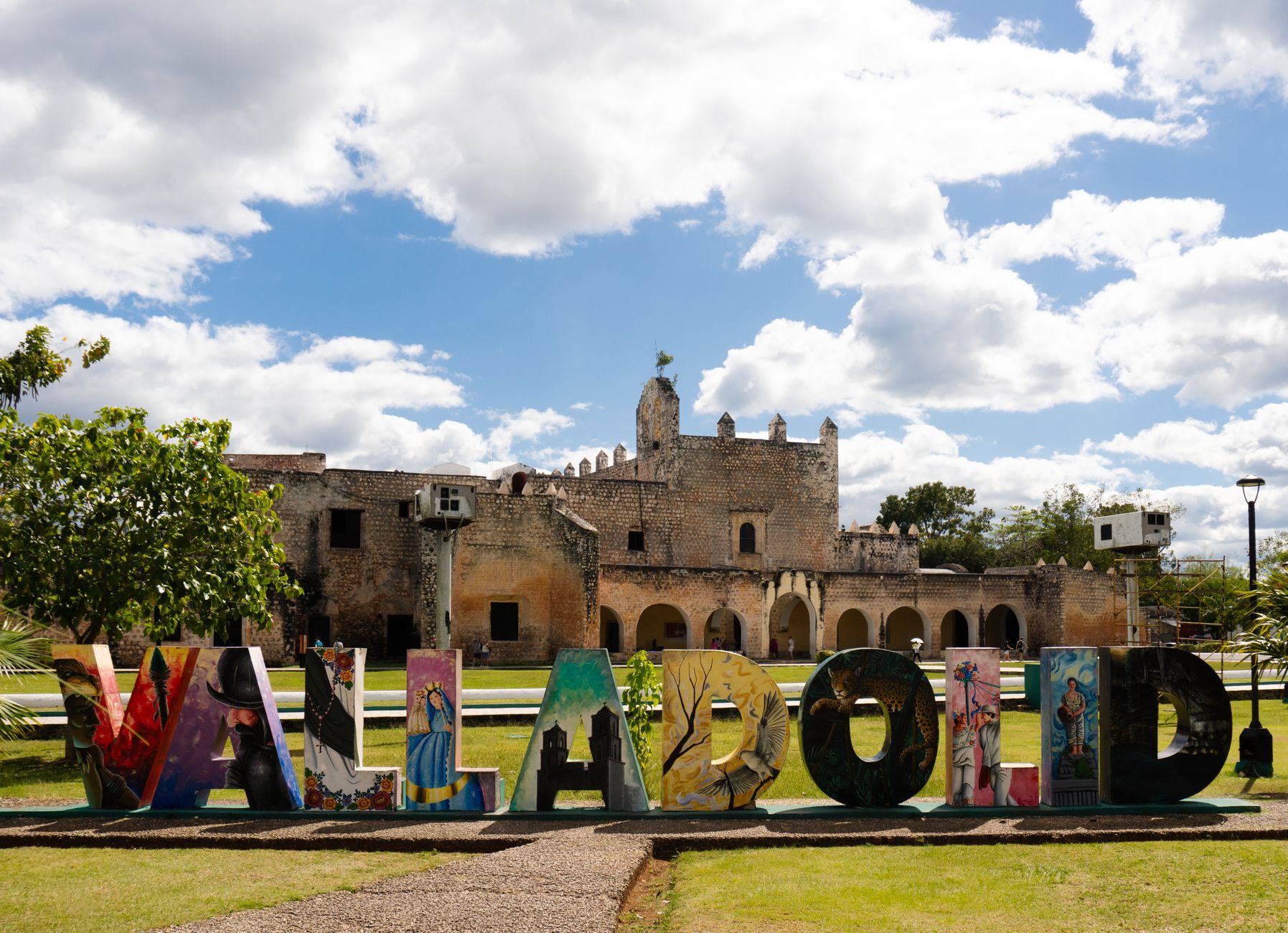
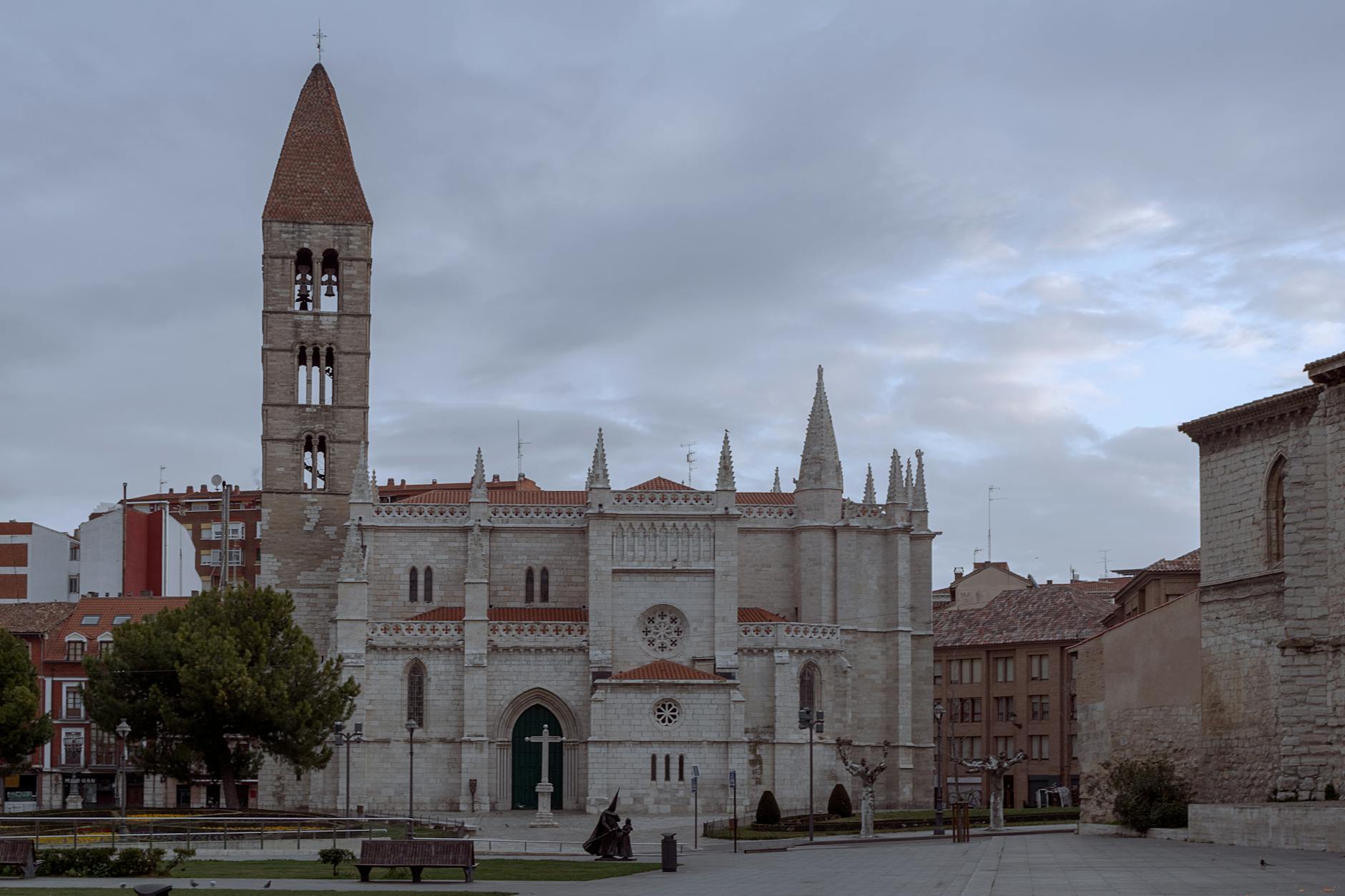
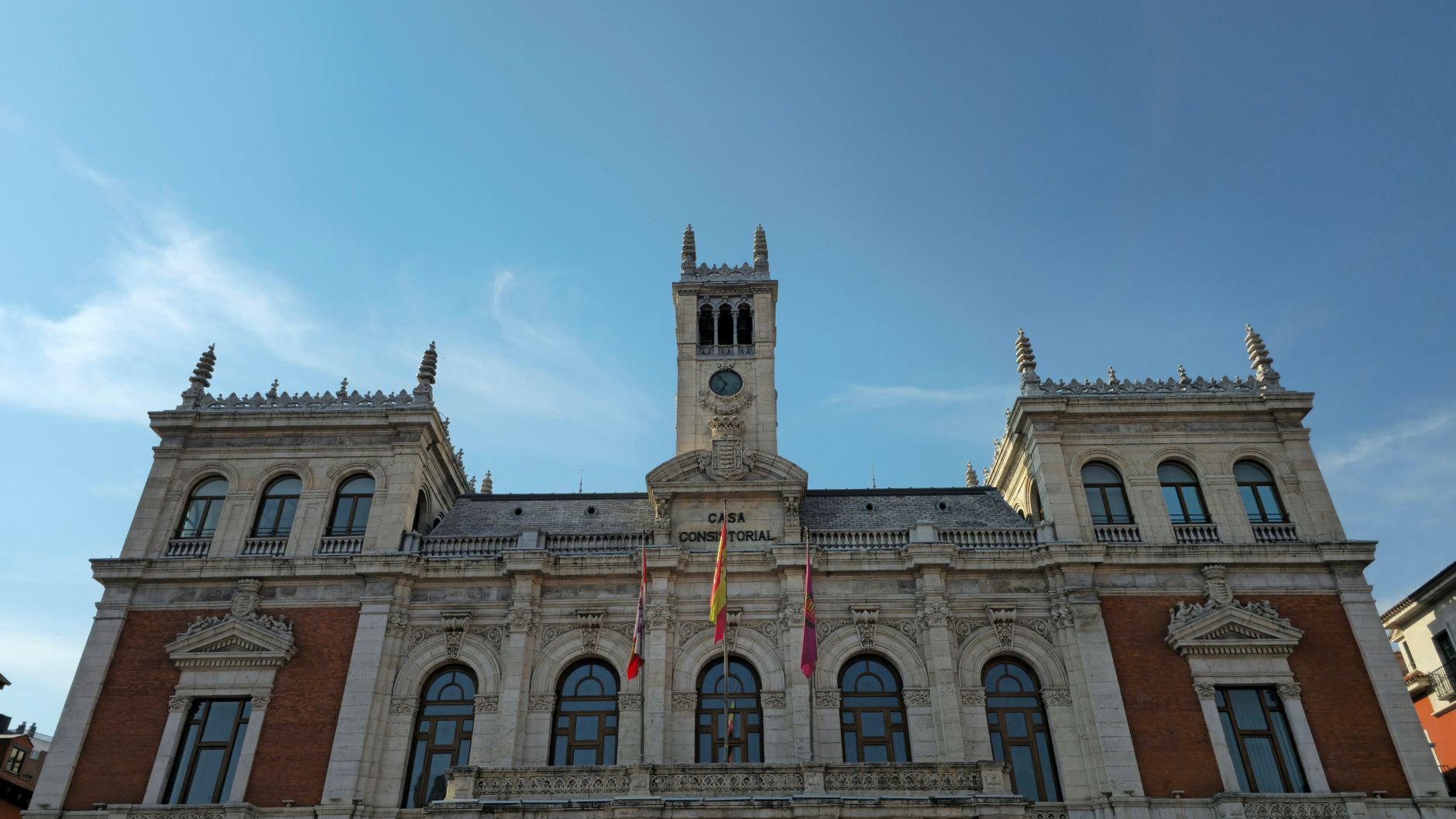
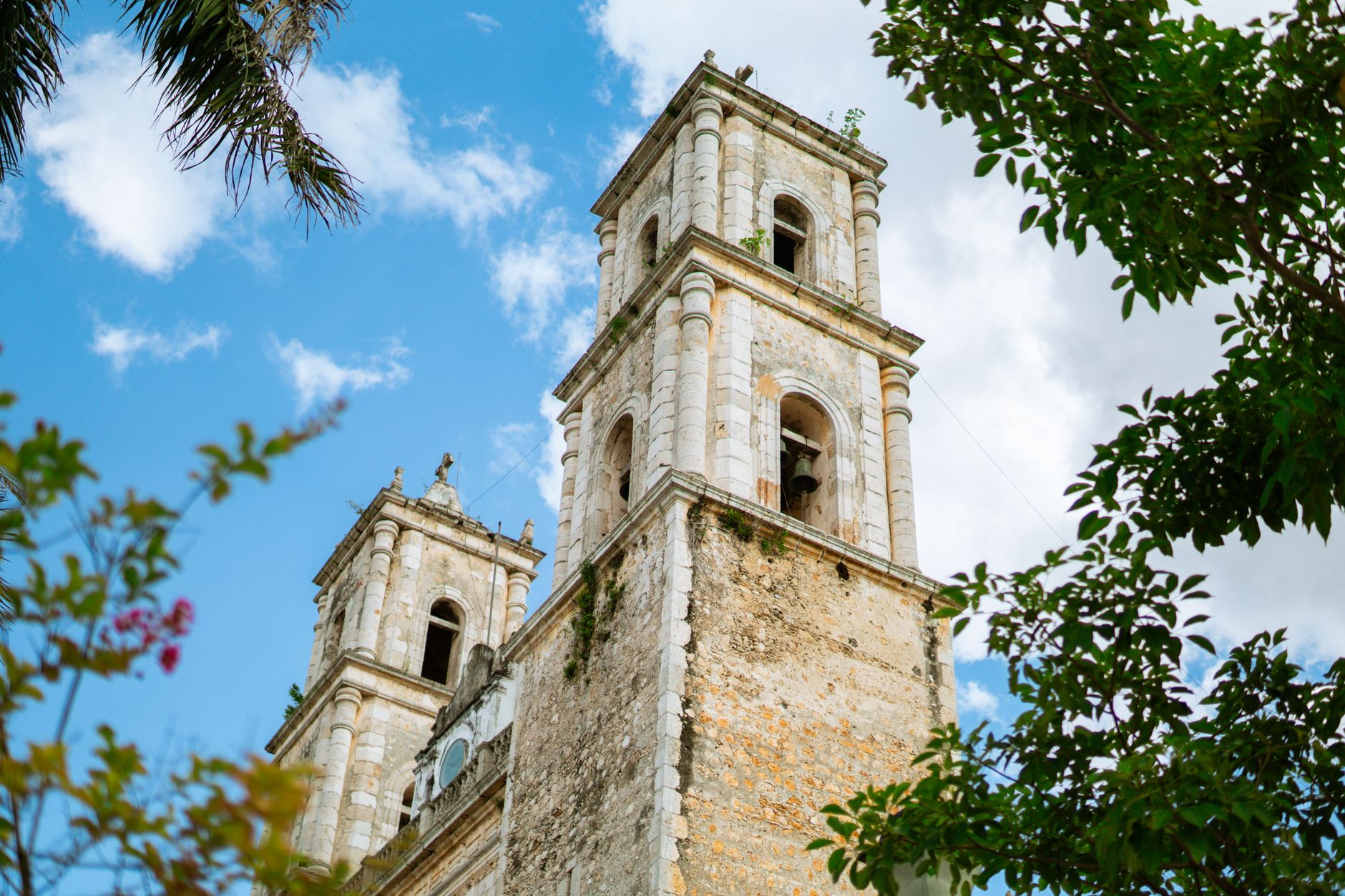
Valladolid sits fifty minutes north of Madrid by high-speed train on the Castilian meseta. Once the imperial capital of Spain, the city is known for its stark Renaissance architecture and the national museum of religious sculpture. Valladolid is worth visiting if you want serious counter dining at championship pincho bars alongside crisp Verdejo and heavyweight Ribera del Duero wines. Look elsewhere if you want coastal air, Mediterranean warmth, or English-language signage in everyday taverns.
Last updated 30 Sept 2026
Build a Valladolid itinerary.
Choose up to 4 threads that pull you in. Your plan arrives organised around them.
The Bed
Where to stay in Valladolid
Which part of town to book, and what each one costs you in walking, noise or quiet.
The Comparison
Valladolid, or somewhere near it
The places you are realistically choosing between, and the honest case for each.
The Local Record
Where to read more about Valladolid
The blogs, boards, guides and operators worth bookmarking.
What to do in Valladolid Castilla y León Spain
Valladolid is an understated provincial capital that keeps its pleasures grounded in good eating, Renaissance stone, and honest routines. The center unfolds between the red arcades of Plaza Mayor and the monumental facade of San Pablo. Days follow the rhythm of the meseta: quiet mornings in cloistered museums, a lively midday sweep through wine taverns, and evening walks beneath the cedar canopy of Campo Grande.
24 hours in Valladolid Castilla y León Spain
Begin with the startling wooden sculptures at the Museo Nacional de Escultura, followed by a lunch of roasted lechazo near Plaza de Santa Cruz. Spend the late afternoon resting in Campo Grande before hitting the pincho bars along Calle Calixto Fernández de la Torre after eight. Select 1 Day above to see it.
2 days in Valladolid Castilla y León Spain
A second day lets you explore the Spanish modernists at Museo Patio Herreriano and inspect Cervantes's modest house. For lunch, sample cured cecina and sheep cheeses at Mercado del Val, then take an evening stroll across the Pisuerga river bridges as the lights come up. Choose 2 Days to expand the plan.
3 days in Valladolid Castilla y León Spain
A third day opens up the surrounding wine country. Catch a bus or regional train to Peñafiel to climb its ship-shaped hilltop castle and tour the underground bodegas, or head south to Rueda for crisp white wine tastings before returning for a final tavern crawl in town.
Valladolid Castilla y León Spain itineraries by interest
Tapas Culture in Valladolid Castilla y León Spain
Order lechazo croquettes at Los Zagales and smoked sardine skewers around Plaza Mayor, where the annual national tapas contest sets a ferocious standard.
Local Wine in Valladolid Castilla y León Spain
Drink flinty Verdejo from Rueda and bold Tempranillo from Ribera del Duero poured straight from cold bottles into thick tumblers across Calle Correos.
Sacred Art in Valladolid Castilla y León Spain
Study the expressive sixteenth-century polychrome wooden carvings by Alonso Berruguete and Juan de Juni housed in the quiet Colegio de San Gregorio.
Roast Meats in Valladolid Castilla y León Spain
Eat tender lechazo churro, milk-fed lamb roasted in traditional dome-shaped wood-fired ovens, served with bitter green salad at classic mesones.
Literary Heritage in Valladolid Castilla y León Spain
Visit the modest brick home where Miguel de Cervantes lived while finishing Don Quixote, tucked near the modern shopping district on Calle Rastro.
Renaissance Architecture in Valladolid Castilla y León Spain
Walk past the carved Isabelline facade of San Pablo and the austere stone lines of the unfinished cathedral designed by Juan de Herrera in 1580.
Markets & Produce in Valladolid Castilla y León Spain
Wander Mercado del Val for sheep milk cheeses, cured cecina, and white asparagus from Tudela de Duero sold under a restored nineteenth-century iron roof.
City Parks in Valladolid Castilla y León Spain
Stroll the shaded paths of Campo Grande, an urban garden established in 1787 where peacocks roam among century-old cedar trees and tranquil fountains.
Contemporary Art in Valladolid Castilla y León Spain
Head to the Museo Patio Herreriano to view twentieth-century Spanish paintings inside the quiet cloister of a restored fourteenth-century monastery.
Day Trips in Valladolid Castilla y León Spain
Take a twenty-minute ride to Simancas Castle to see royal state archives or visit the castle-ringed square of Peñafiel in the heart of wine country.
Historic Squares in Valladolid Castilla y León Spain
Sit for morning coffee on the red-arcaded Plaza Mayor, the prototype for Madrid's central plaza, laid out following the devastating city fire of 1561.
Regional Pastries in Valladolid Castilla y León Spain
Try pastry-shop mantecados and zapatillas, traditional aniseed-scented sponge cakes baked according to convent recipes across the old city quarter.