Pedraza.

_(29392645535).jpg)


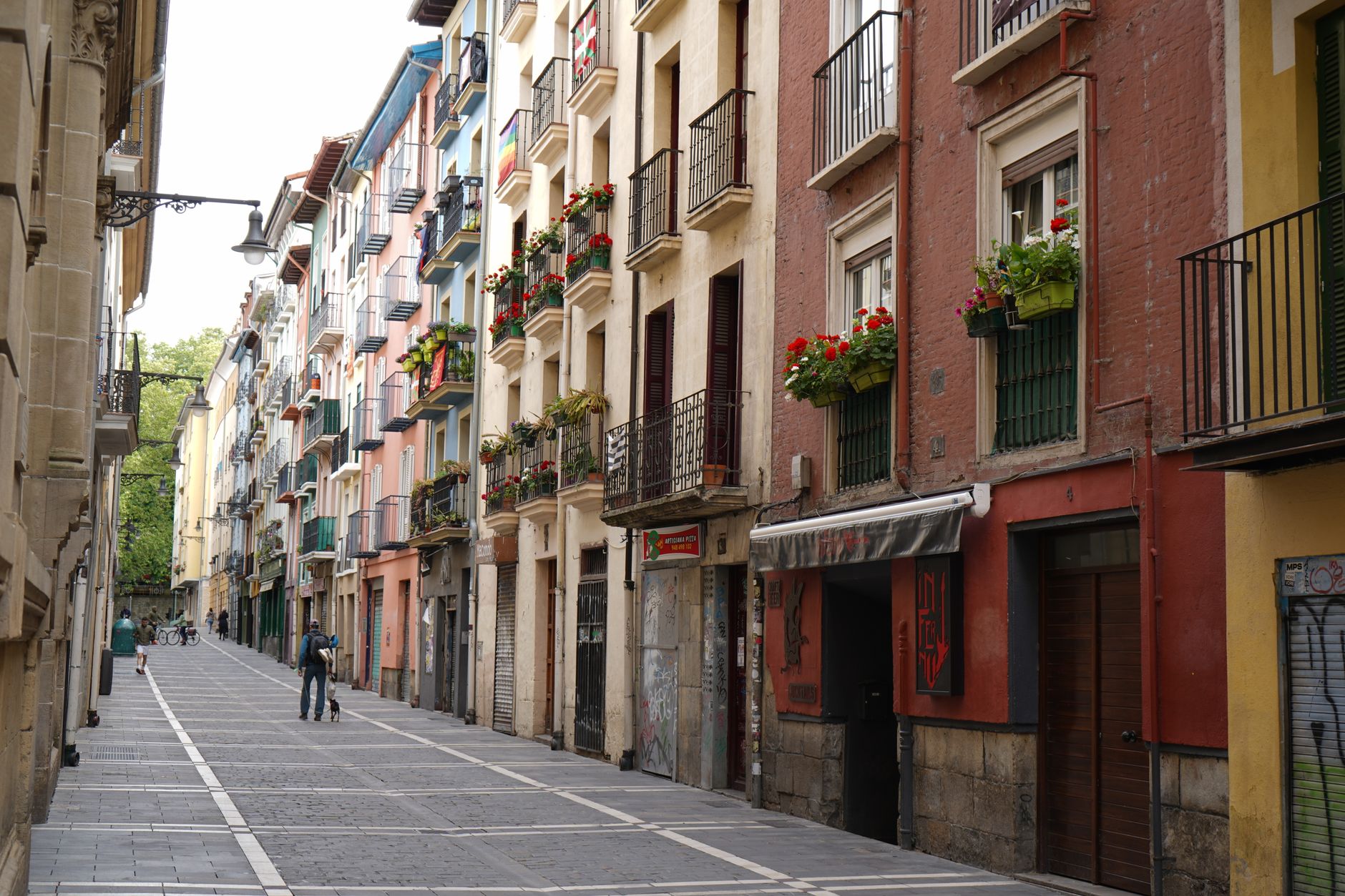
Pedraza sits forty kilometres northeast of Segovia and an easy seventy-five-minute drive from Madrid. The village is known for its single fortified entry gate, sixteenth-century mansions, and wood-fired roast suckling lamb. Pedraza is worth visiting if you want long lunches of crisp lechazo, quiet stone alleys after dark, and medieval architecture. Look elsewhere if you need public transit, late-night clubs, or rainy-day museums.
Last updated 22 Sept 2026
Build a Pedraza itinerary.
Choose up to 4 threads that pull you in. Your plan arrives organised around them.
The Bed
Where to stay in Pedraza
Which part of town to book, and what each one costs you in walking, noise or quiet.
The Comparison
Pedraza, or somewhere near it
The places you are realistically choosing between, and the honest case for each.
The Local Record
Where to read more about Pedraza
The blogs, boards, guides and operators worth bookmarking.
What to do in Pedraza Castilla y León Spain
Pedraza is built along a single rocky spur entered via the Puerta de la Villa. Life here pivots around the porticoed Plaza Mayor, quiet strolls past Renaissance coat-of-arms facades, and long, ritualistic tavern lunches of roast lechazo. It suits travellers who appreciate unhurried stone architecture, traditional Castilian cooking, and peaceful rural evenings after daytime visitors head back toward Madrid.
24 hours in Pedraza Castilla y León Spain
Park outside the main gate by mid-morning, tour the medieval jail, and wander Calle Real to the castle. Reserve a table at El Soportal by two for lechazo asado. Finish with a late afternoon coffee under the porticos of Plaza Mayor, watching the limestone facades turn amber in the fading sun. Select 1 Day above to see it.
2 days in Pedraza Castilla y León Spain
Spend your second morning hiking down to the Cega river valley loop before driving ten minutes to the cave dwellings and Romanesque church of nearby Sepúlveda. Order a bowl of judiones de La Granja for lunch, returning to Pedraza for an evening walk along the quiet western ramparts. Choose 2 Days to expand the plan.
3 days in Pedraza Castilla y León Spain
A third day allows a drive to the dramatic limestone canyon of Hoces del Río Duratón to watch griffon vultures circle above the Ermita de San Frutos. In the afternoon, explore the ochre-tinted architecture of Madriguera and Villacorta before a final glass of Ribera del Duero in Pedraza.
Pedraza Castilla y León Spain itineraries by interest
Roast Meats in Pedraza Castilla y León Spain
Oak-fired clay ovens turn out lechazo asado with crisp skin and tender meat, best ordered ahead at El Soportal or La Olma alongside local Ribera del Duero.
Medieval Fortifications in Pedraza Castilla y León Spain
Enter through the arched Puerta de la Villa, walk the stone ramparts, and inspect the heavy timber dungeons of the restored sixteenth-century town jail.
Village Squares in Pedraza Castilla y León Spain
Plaza Mayor features irregular timber porticos, Romanesque arcades, and stone benches outside the Church of San Juan Bautista for quiet afternoon coffee.
Local Baking in Pedraza Castilla y León Spain
Stop by local bakeries for soplillos, traditional almond pastries dusted with sugar, alongside freshly baked tortas de chicharrones and anise buns.
Castle Architecture in Pedraza Castilla y León Spain
Castillo de Pedraza dominates the ridge with its thick fourteenth-century keep, later restored as a studio by painter Ignacio Zuloaga.
Historic Trades in Pedraza Castilla y León Spain
Local copper and tin workshops continue centuries of metalcraft along Calle Real, alongside artisanal leather and wool weaving traditions.
Castilian Stews in Pedraza Castilla y León Spain
Rich bowls of judiones de La Granja, thick with chorizo and morcilla, provide hearty starters before roast meats across local tavern dining rooms.
Walking Routes in Pedraza Castilla y León Spain
Unpaved trails descend to the Cega valley riverbank, offering views up to the fortified cliffs through holm oak scrub and quiet grazing pastures.
Summer Festivals in Pedraza Castilla y León Spain
During the Conciertos de las Velas in July, tens of thousands of wax candles light the cobblestones and window sills for outdoor classical concerts.
Sacred Heritage in Pedraza Castilla y León Spain
Iglesia de Santo Domingo and San Juan retain Romanesque apses, carved stone capitals, and simple timber nave roofs dating from the twelfth century.
Regional Cheeses in Pedraza Castilla y León Spain
Sample raw sheep's milk cheeses cured in nearby villages, served with quince paste and crusty pan candeal at wine bars around the main square.
Day Trips in Pedraza Castilla y León Spain
The red clay lanes of Madriguera and the gorge trails of Parque Natural de las Hoces del Río Duratón sit less than forty minutes away by car.