La Alberca.


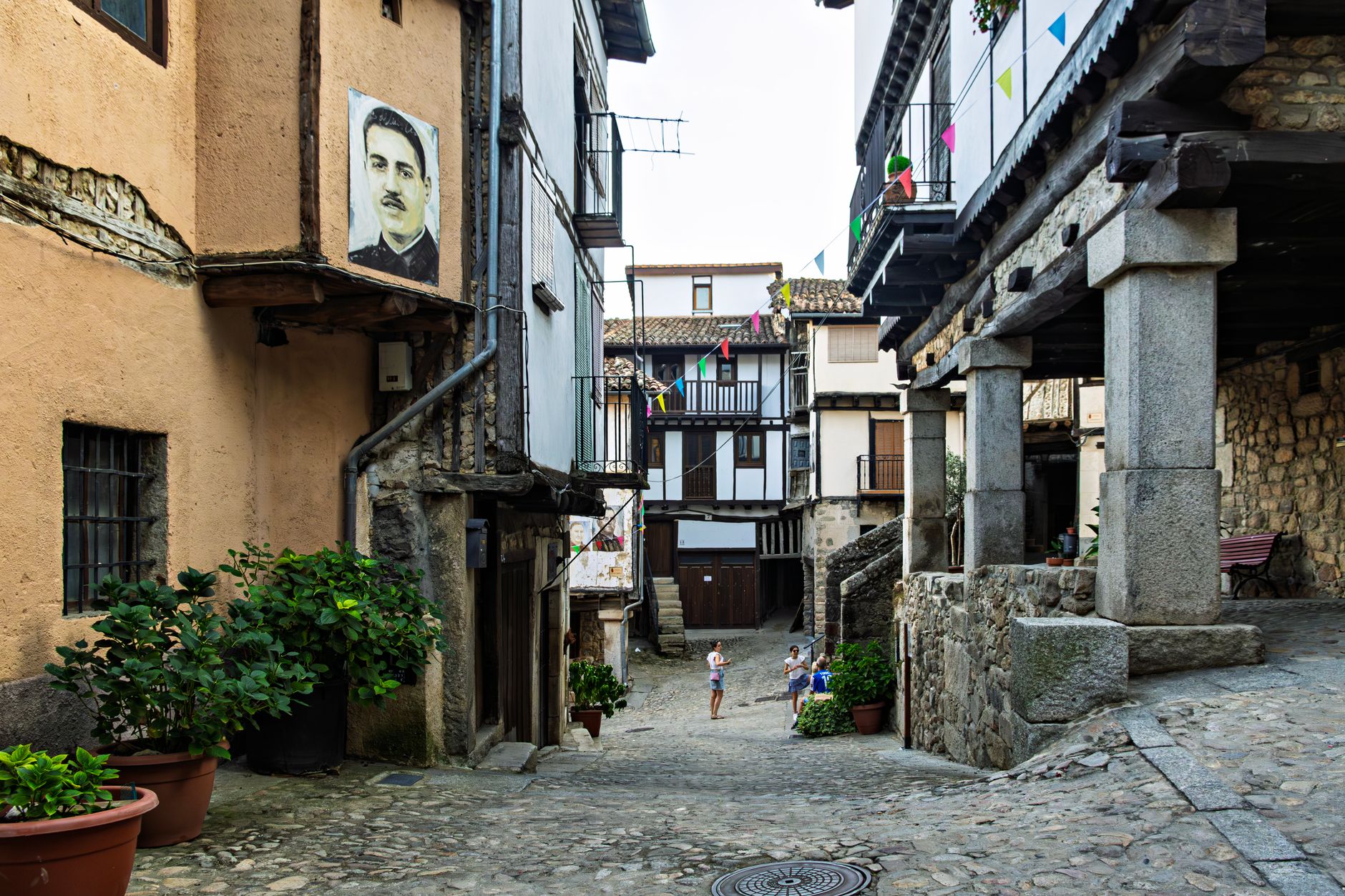
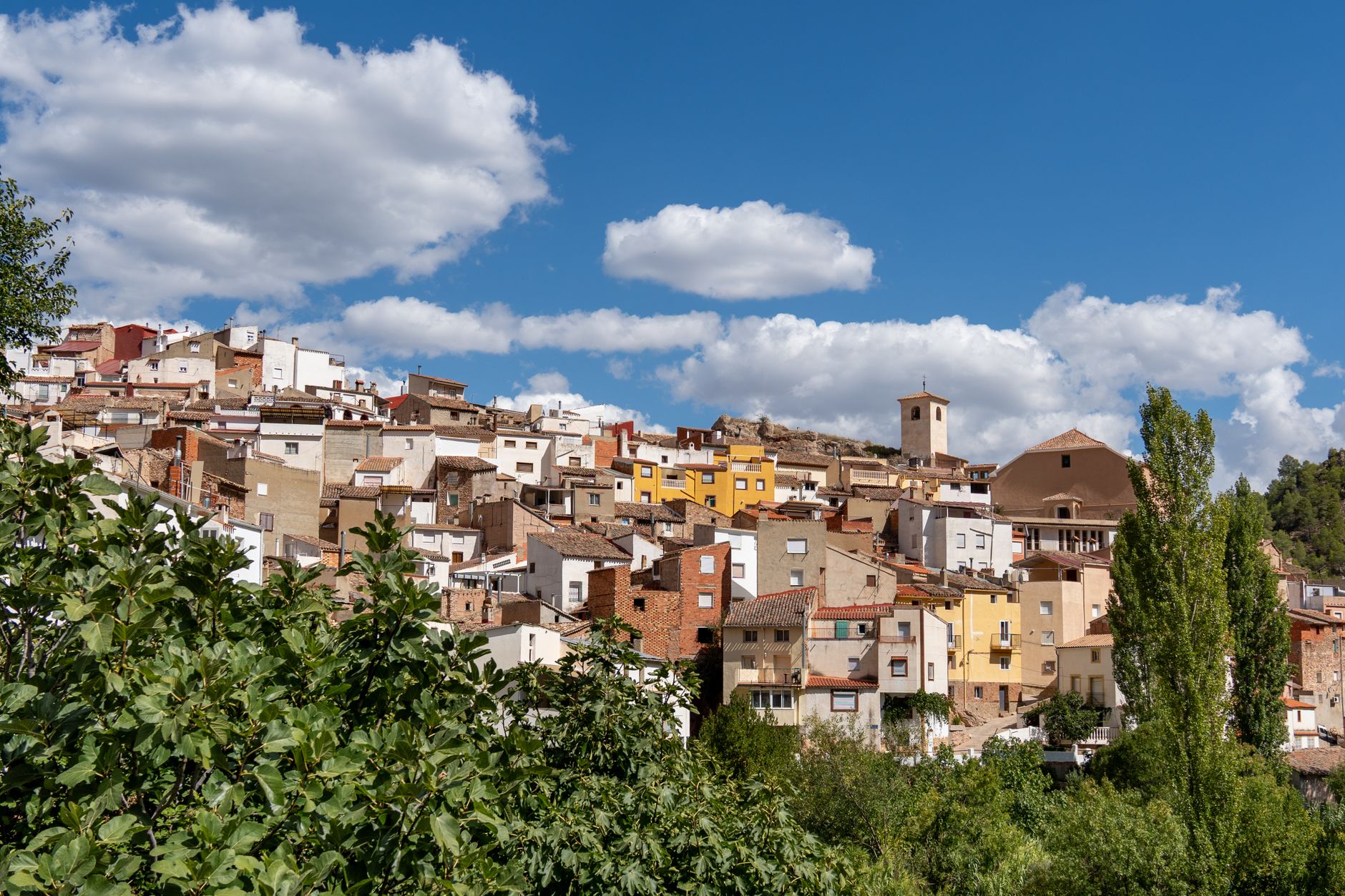
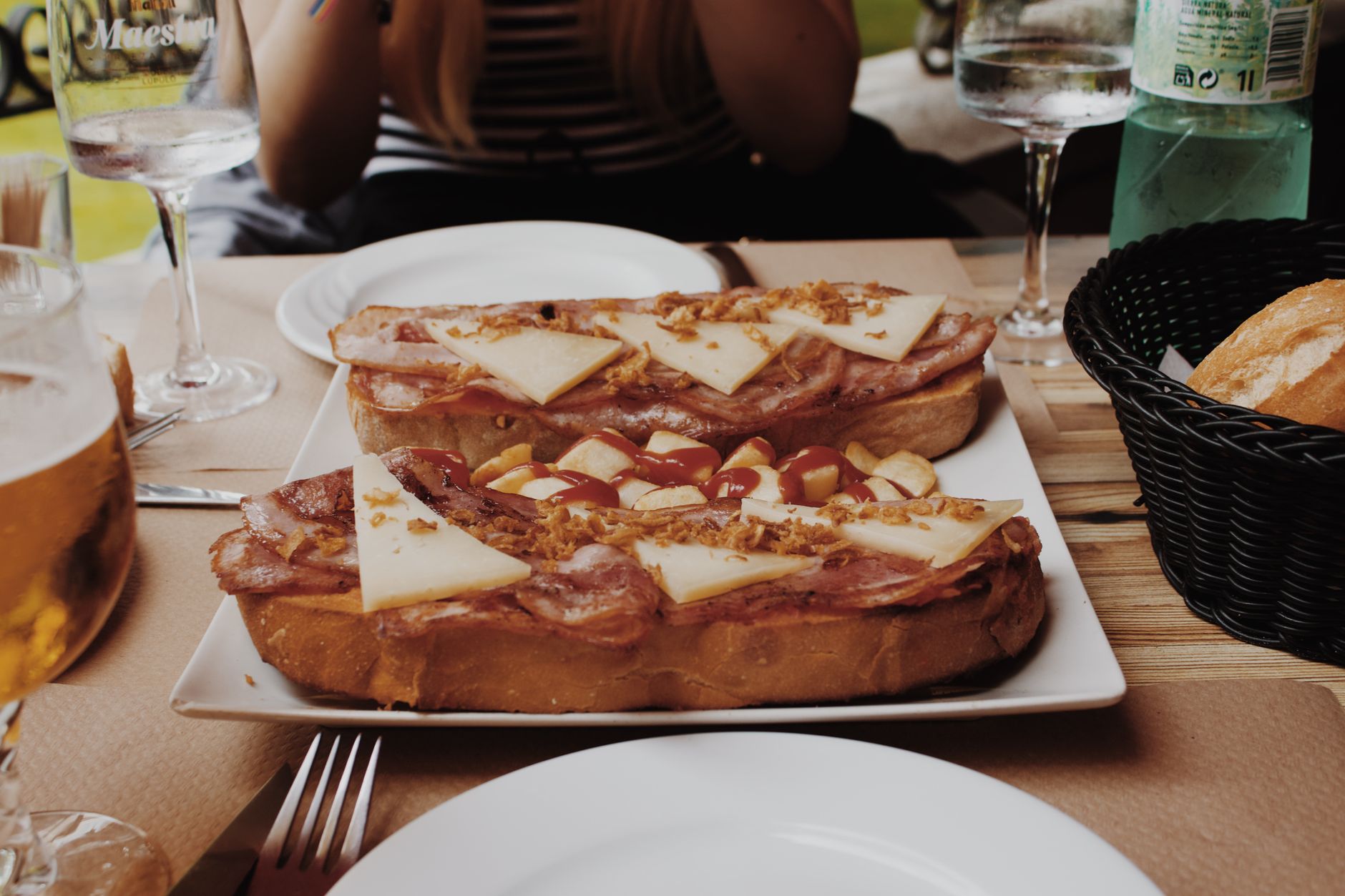
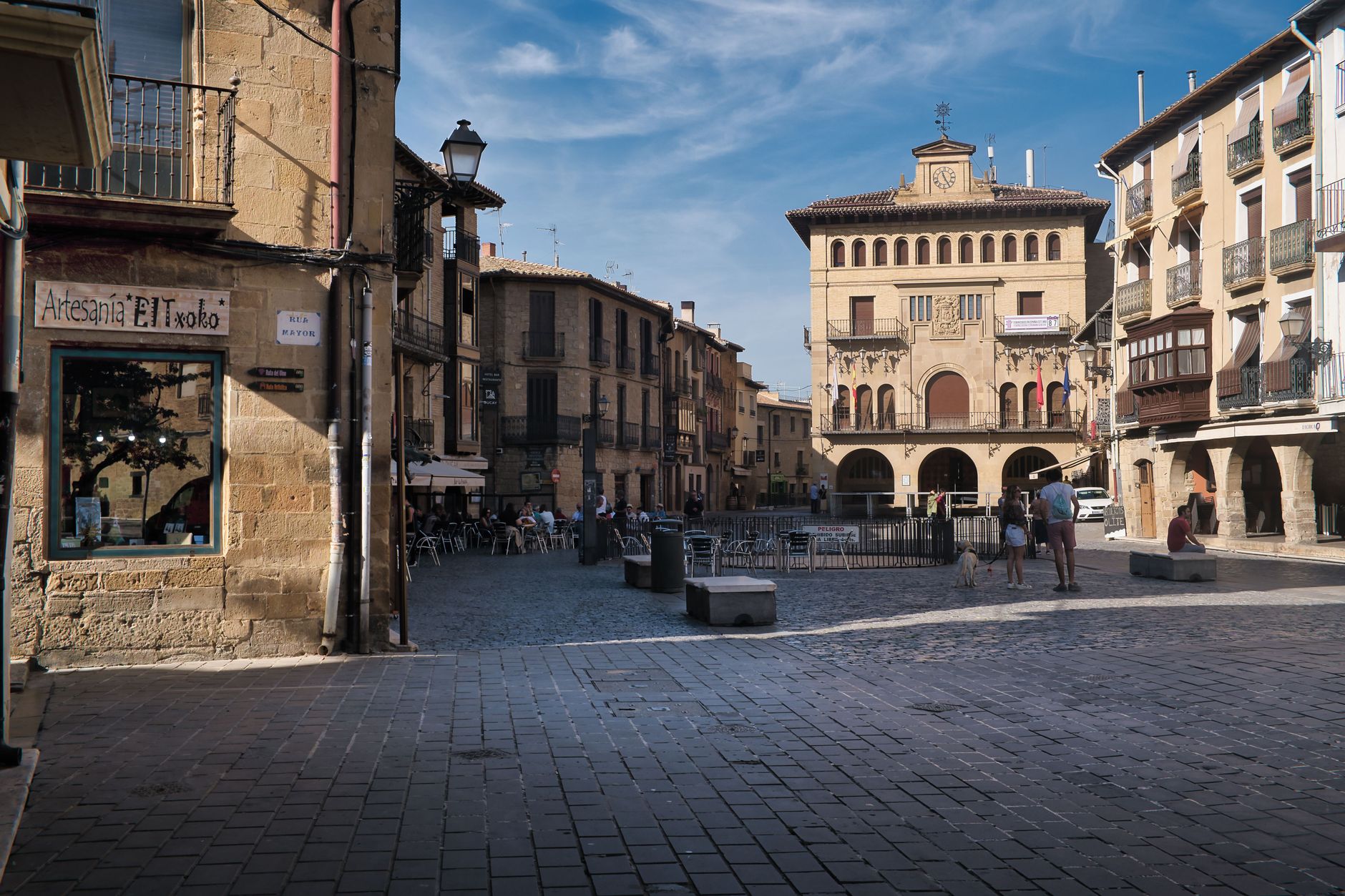
The air in La Alberca smells of cured pork fat, oak smoke, and damp mountain granite. Tucked into the Sierra de Francia, the village climbs steeply around overhangs of chestnut timber and rough stone. You come for the architecture and the cured jamón de bellota, stay for a plate of patatas meneás finished with crisp pork rind, and quickly learn that cobblestones laid in the eighteenth century require flat, sensible shoes.
Last updated 22 Aug 2026
Build a La Alberca itinerary.
Choose up to 4 threads that pull you in. Your plan arrives organised around them.
We'll craft a 3-lens plan for La Alberca, one collapsible strand per lens.
Regional Cooking
Order limón serrano, a pungent salad of citrus, cured meats, boiled egg, and garlic, followed by slow-roasted cabrito lechal in wood-fired ovens.
Regional Cooking
Order limón serrano, a pungent salad of citrus, cured meats, boiled egg, and garlic, followed by slow-roasted cabrito lechal in wood-fired ovens.
Slow-Braised Cabrito and Jamón
Mesón El Ruedo
Walk straight to the back terrace. Order the roasted suckling goat and patatas meneás dressed with crisp pork crackling; budget forty euros per person with local Rufete wine.
Editor TipSierra de Francia cooking relies on mountain cured meats and wood-roasted cabrito, honed over centuries by livestock farmers working the granite slopes above the Alagón river. The Rufete red is light enough for lunch, though you will still need a proper stroll through the alleys afterward.
Sampling Warm Almond Perrunillas
El Horno de Pascual
Walk in early when the baking trays come out. Order a paper bag of perrunillas and mantecados with black coffee for under five euros. Take cash and expect twenty minutes.
Editor TipPerrunillas are dense convent-style biscuits enriched with lard, aguardiente, and almonds, mixed according to sixteenth-century recipes that fuelled Sierra de Francia timber workers. Eat them over the paper wrapping; the crumbly lard pastry yields instantly and shows no mercy to dark trousers.
Plates of Limón Serrano
Restaurante El Majao
Order the limon serrano and grilled presa iberica. Tables fill fast with local families, so arrive right at opening or reserve ahead. Expect to spend about thirty euros.
Editor TipLimon serrano combines citrus, cured chorizo, roasted meats, and egg in an ancient mountain recipe reflecting centuries of Moorish citrus cultivation, Jewish customs, and Christian pork curing. Ask for a local dry red pressed from the Rufete grape; the bright acidity cuts right through the rich, cured fat.
Tasting Traditional Limón Serrano
Restaurante Mirasierra
Book ahead for a table near the stone hearth. Order the limón serrano salad followed by roasted cabrito and a carafe of local Rufete red; allow two unhurried hours.
Editor TipLimón serrano combines citrus, cured ham, boiled egg, and chorizo, an odd agrarian salad born centuries ago from mountain isolation and Sephardic trade routes. The dining room fills with locals by three, so arrive on the half-hour if you want quiet before the clatter starts.
Artisanal Crafts
Watch leatherworkers carve traditional motifs into belts and inspect hand-stitched serrano embroidery patterns displayed in small workshop windows.
Artisanal Crafts
Watch leatherworkers carve traditional motifs into belts and inspect hand-stitched serrano embroidery patterns displayed in small workshop windows.
Morning Perrunillas and Coffee
Pastelería Dulzuras de La Alberca
Step inside the small shop off the square by 8:30 for lard-rich perrunillas and almond turrón. A coffee and a bag of warm biscuits will cost you under four euros; pay with cash.
Editor TipConfectionery in the Sierra de Francia still leans on centuries-old convent baking methods, using rendered pork lard, lemon zest, egg yolks, and raw mountain honey. Take the biscuits outside and sit on the granite steps of the main fountain before day trippers wander in.
Serrano Embroidery and Cured Loin
Mogarraz Village Center
Stroll Calle Real to admire medieval ashlar facades, visit local textile workshops, and sample acorn-fed lomo and morcón at the family-run butcher shops.
Editor TipCentury-old isolation preserved Mogarraz's intricate bordado serrano embroidery and traditional cellar-curing techniques for heritage Ibérico pork. Leave your vehicle at the lower entrance lot; the alleys were built for pack mules, not cars.
Sacred Architecture
Visit the eighteenth-century Church of Nuestra Señora de la Asunción, noted for its carved granite pulpit, bell tower, and quiet baroque altarpieces.
Sacred Architecture
Visit the eighteenth-century Church of Nuestra Señora de la Asunción, noted for its carved granite pulpit, bell tower, and quiet baroque altarpieces.
Baroque Granite Sanctuary
Iglesia de Nuestra Señora de la Asunción
Walk through the carved south portal before midday mass. Entry is free, though dropping a coin into the parish box keeps the lights on over the polychrome altarpieces. Give it forty minutes.
Editor TipFinished in 1733, this granite fortress-church anchors the village's deep religious folklore, famous for its hand-carved stone pulpit and the ritual procession of the Pig of San Antón. Look closely at the outer granite wall near the tower to spot the carved skull marking the ancient ossuary.
Deciphering Vernacular Chestnut Architecture
Casa Museo Sátur Juanela
Pay the three-euro entry at the door. Spend forty-five minutes navigating the vertical layout, from ground-floor livestock stalls to the top-floor curing kitchen and solano.
Editor TipBuilt from chestnut beams, granite, and clay, these multi-storey homes reflect medieval shared living, where livestock warmth heated domestic quarters beneath sacred roof beams. Watch the door lintels for carved dates and Christian crosses, etched to prove religious orthodoxy centuries ago.
Devotions at Granite Shrines
Ermita del Humilladero
Walk south along Calle del Calvario to reach the chapel precinct. The courtyard is open until dusk, free of charge, and requires no advance booking.
Editor TipErected in the seventeenth century, this modest granite chapel served travellers seeking safe mountain passage, anchored by stone crosses carved with reliefs of the Passion. Examine the base of the roadside calvary cross closely, where generations of travellers have worn the granite smooth.
High Mountain Sanctuary Survey
Santuario de Nuestra Señora de la Peña de Francia
Drive the switchbacks up to the 1,727-meter summit; entry to the stone church is free, and morning offers quiet access to the cloister before tour buses arrive.
Editor TipDominican friars erected this austere Gothic sanctuary in the fifteenth century following the discovery of a hidden black Madonna on the windswept limestone peak. Pack a fleece even in summer, as the Atlantic wind off the ridge is biting.
Note from the Editor
“Tour buses arrive from Salamanca by eleven. Beat them to the granite square at dawn, when morning woodsmoke hangs low and the bakers pull fresh perrunillas from the ovens.”
The Bed
Where to stay in La Alberca
Which part of town to book, and what each one costs you in walking, noise or quiet.
The Comparison
La Alberca, or somewhere near it
The places you are realistically choosing between, and the honest case for each.
The Local Record
Where to read more about La Alberca
The blogs, boards, guides and operators worth bookmarking.
What to do in La Alberca Castilla y León Spain
La Alberca is shaped around a central web of granite alleys and an arcaded Plaza Mayor, designed to block winter winds and channel mountain runoff. Life here follows a quiet rhythm: morning errands at the butcher, a long afternoon lunch of patatas meneás and cabrito, and evening walks beneath cantilevered chestnut balconies. It suits travellers who appreciate preserved building crafts, unpretentious mountain cooking, and unhurried walking.
24 hours in La Alberca Castilla y León Spain
Begin with coffee and perrunillas on the Plaza Mayor before visiting the Church of Nuestra Señora de la Asunción. For lunch, take a table for hornazo and limón serrano at a side-street mesón. Spend the afternoon wandering Calle del Tablado, then walk twenty minutes into the oak woods on the Camino de las Raíces before returning for evening wine. Select 1 Day above to see it.
2 days in La Alberca Castilla y León Spain
Dedicate your second morning to hiking down into the secluded monastic valley of Las Batuecas, shaded by holm oaks and riverside moss. Drive ten minutes to neighbouring Mogarraz for lunch, sampling stewed goat and Rufete wine beneath the outdoor portrait galleries, before returning to La Alberca for an evening tapa of ibérico ham. Choose 2 Days to expand the plan.
3 days in La Alberca Castilla y León Spain
A third day allows the drive up the winding switchbacks to the monastery on Peña de Francia for vast views across the plains toward Portugal. Afterward, stop in the fortified village of Miranda del Castañar to explore its stone castle walls, then finish with a quiet dinner of roast suckling pig back in the village square.
La Alberca Castilla y León Spain itineraries by interest
Cured Meats in La Alberca Castilla y León Spain
Sample jamón ibérico de bellota and chorizo cured in dry mountain air, carved directly off the bone at local chacinerías along Calle del Tablado.
Vernacular Architecture in La Alberca Castilla y León Spain
Study the three-story granite houses with chestnut framing, granite lintels inscribed with dates, and jettied upper floors along Calle Llana.
Mountain Hiking in La Alberca Castilla y León Spain
Walk the marked PR-SA 10 path toward Las Batuecas valley or climb the rocky ridge up to the sanctuary at Peña de Francia for broad valley views.
Traditional Pastries in La Alberca Castilla y León Spain
Try perrunillas dusted with cinnamon and sugar or crisp amarguillos almond biscuits bought warm from bakeries around Plaza del Sol and Calle Mayor.
Sacred Architecture in La Alberca Castilla y León Spain
Visit the eighteenth-century Church of Nuestra Señora de la Asunción, noted for its carved granite pulpit, bell tower, and quiet baroque altarpieces.
Folk Traditions in La Alberca Castilla y León Spain
Look for the Marrano de San Antón, a pig that roams the alleys fed by neighbours until its January feast day, and examine embroidered traje serrano.
Local Wine in La Alberca Castilla y León Spain
Order a pitcher of light, herbal red pressed from the local Rufete grape, served alongside a tapa of chorizo at rustic taverns off the main square.
Regional Cooking in La Alberca Castilla y León Spain
Order limón serrano, a pungent salad of citrus, cured meats, boiled egg, and garlic, followed by slow-roasted cabrito lechal in wood-fired ovens.
Artisanal Crafts in La Alberca Castilla y León Spain
Watch leatherworkers carve traditional motifs into belts and inspect hand-stitched serrano embroidery patterns displayed in small workshop windows.
Town Squares in La Alberca Castilla y León Spain
Settle at a terrace on the Plaza Mayor, framed by granite arcades and a stone calvary cross, while the evening light warms the wooden balconies.
Valley Walks in La Alberca Castilla y León Spain
Follow the leafy Camino de las Raíces path through oak and chestnut forests, passing modern art installations integrated into the woodland floor.
Nearby Villages in La Alberca Castilla y León Spain
Drive fifteen minutes across the ridge to Mogarraz, where hundreds of painted portraits of former residents hang beside the carved wooden doorways.