Burgos.


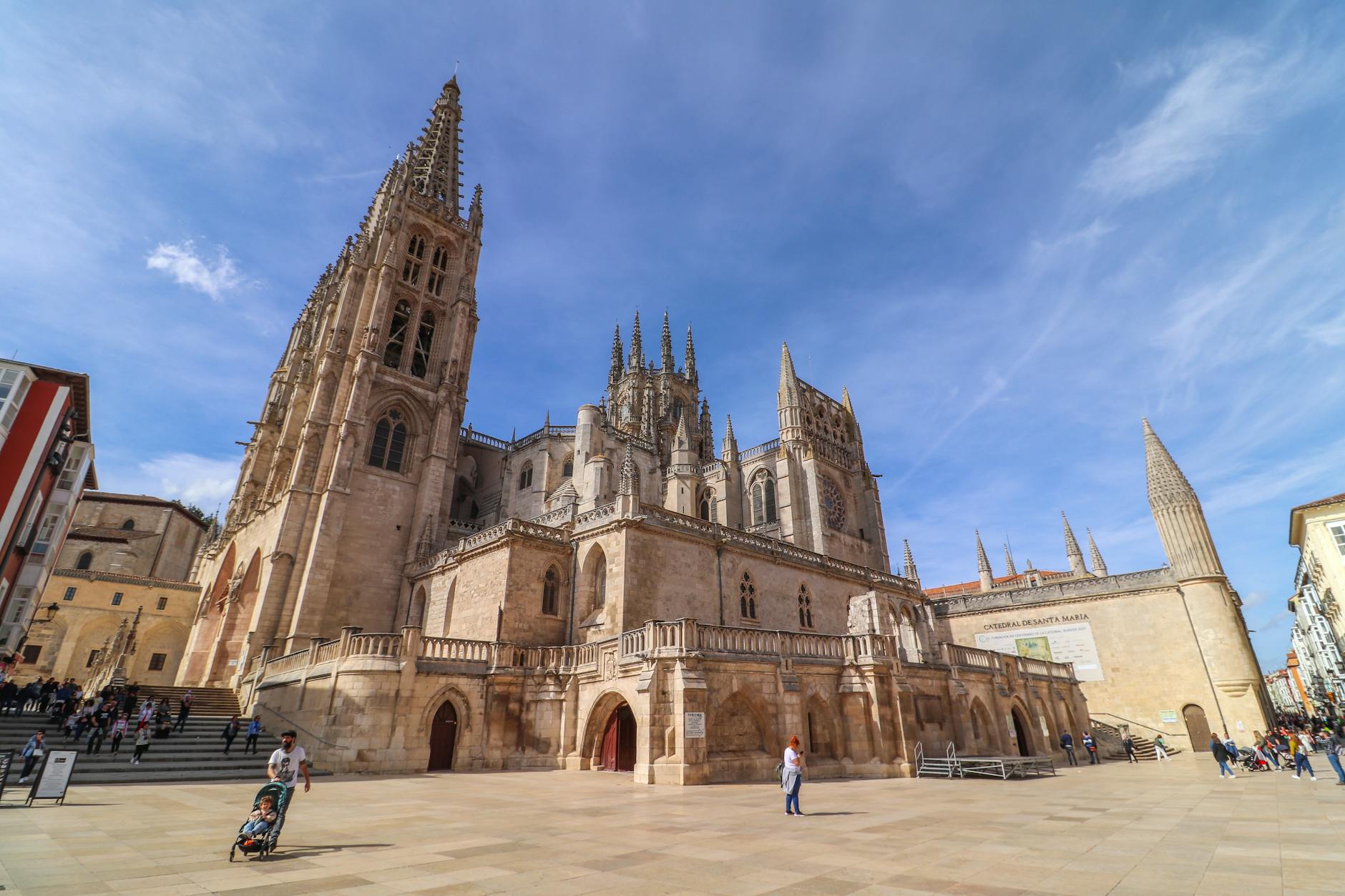


Cold winds roll off the Meseta into Burgos, where the Arlanzón river cuts beneath plane trees and limestone spires. The Gothic cathedral dominates the skyline with severe 13th-century authority, but life stays grounded in the taverns below. Here, cider and Ribera del Duero wash down crisp morcilla de Burgos spiked with onion and rice. It is a working Castilian city of brisk morning walks, heavy timber counters, and slow, unvarnished hospitality.
Last updated 22 Aug 2026
Build a Burgos itinerary.
Choose up to 4 threads that pull you in. Your plan arrives organised around them.
We'll craft a 3-lens plan for Burgos, one collapsible strand per lens.
Tapas Culture
Bar-hop along Calle San Lorenzo and Calle Sombrerería for cojonudos, quail eggs over chorizo on bread, and tigre mussels paired with young Ribera del Duero red.
Tapas Culture
Bar-hop along Calle San Lorenzo and Calle Sombrerería for cojonudos, quail eggs over chorizo on bread, and tigre mussels paired with young Ribera del Duero red.
Underground Cellar Tapas
El Lagar de Isilla
Head downstairs into the fourteenth-century cellar for a guided glass of Ribera del Duero before ordering cured sheep cheese tapas at the bar. Allow two hours.
Editor TipAranda sits on seven kilometres of medieval subterranean galleries carved to age Tempranillo wine at stable temperatures, paired traditionally with aged raw milk cheeses. Bring a light cardigan even in August, as the subterranean stone tunnels remain a chilly twelve degrees year-round.
Archaeology Trips
Take the short shuttle bus east to the Atapuerca archaeological sites, where limestone caves sheltered Europe’s earliest known ancestors in the Trinchera del Ferrocarril.
Archaeology Trips
Take the short shuttle bus east to the Atapuerca archaeological sites, where limestone caves sheltered Europe’s earliest known ancestors in the Trinchera del Ferrocarril.
Tracing Europe's Earliest Hominids
Museo de la Evolución Humana
Buy your general ticket at the desk for six euros. Give yourself ninety minutes across four airy floors of original Atapuerca fossils, starting downstairs at the Sierra level.
Editor TipJust fifteen kilometres east lies the UNESCO-listed Gran Dolina trench, where excavators uncovered the 850,000-year-old remains of Homo antecessor, rewriting our understanding of human migration. Audio guides cost extra; the gallery panels are exceptionally clear in English on their own.
Tracing Early Human Ancestors
Yacimientos de la Sierra de Atapuerca
Board the guided shuttle bus from the CAYAC visitor centre. Field tours take ninety minutes and cost seven euros; book your morning ticket online at least two weeks ahead.
Editor TipLimestone railway trenches here revealed million-year-old hominin fossils, proving the presence of Homo antecessor and reshaping our understanding of European human origins. Wear a windproof jacket. The excavated rock trench funnels an uncompromising Castilian plateau breeze, whatever the sun promises.
Regional Cheeses
Queso de Burgos is a soft, moist, unripened sheep milk cheese. Eat it drizzled with local honey and walnuts for breakfast, or alongside a slab of membrillo paste.
Regional Cheeses
Queso de Burgos is a soft, moist, unripened sheep milk cheese. Eat it drizzled with local honey and walnuts for breakfast, or alongside a slab of membrillo paste.
Fresh Morning Sheep's Curd
Café España
Step inside this 1921 salon on the Plaza Mayor for a quiet counter seat. Order café con leche and a slab of unaged Queso de Burgos drizzled with dark mountain honey.
Editor TipUnlike aged Castilian wheels, genuine Queso de Burgos is a delicate, snow-white fresh curd made from Churra sheep's milk, prized across Spain since medieval shepherds brought it to weekly fairs. Sit at the polished zinc counter instead of waiting for table service to save ten minutes.
Ribera Wine and Fresh Curd
Casa Pancho
Squeeze in at the zinc counter on Calle San Lorenzo. Order a glass of Ribera del Duero alongside sheep's milk queso de Burgos and a warm morcilla panchito.
Editor TipBurgos cheese is traditionally unaged, wet, and mild, providing a crisp dairy counterbalance to the spiced rice morcilla across tavern counters in Old Castile. Toss your used paper napkins directly under the bar rail; around here, a littered floor signals reliable turnover.
Sampling Fresh Churra Curds
Mercado Norte
Head to the ground-floor dairy counters by 08:30 for fresh Queso de Burgos and cured Churra sheep cheeses. Bring cash; spend about twenty minutes here before the stalls get mobbed.
Editor TipTraditional Burgos cheese was historically eaten unaged the same morning it was drained from the whey, sold by local herders who brought their sheep down from the surrounding plateau. Ask for traditional Queso de Burgos made with raw sheep milk, not pasteurised cow milk, for real flavor.
Sierra Bean Stew and Curd
Restaurante Los Claveles
Order the olla podrida menu featuring local red beans, morcilla, and fresh Burgos curd cheese with honey. Expect to spend 35 euros and ninety leisurely minutes.
Editor TipIbeas de Juarros grows the protected red bean that fuels the Atapuerca diggers, served alongside fresh sheep curd cheese made from plateau pastures since medieval times. Book three days ahead for weekend lunches, as the dining room fills quickly with archaeologists and local families alike.
Note from the Editor
“Burgos mornings are biting, even in late spring. Beat the tour groups into the museums by 10:30 AM and keep your breakfast simple; the tapas counters start loading their planchas right at one o'clock.”
The Bed
Where to stay in Burgos
Which part of town to book, and what each one costs you in walking, noise or quiet.
The Comparison
Burgos, or somewhere near it
The places you are realistically choosing between, and the honest case for each.
The Local Record
Where to read more about Burgos
The blogs, boards, guides and operators worth bookmarking.
What to do in Burgos Castilla y León Spain
Burgos sits on the northern plateau, shaped by the Arlanzón river and anchored by its Gothic cathedral. Days move at an easy pace: quiet morning walks along Paseo de la Isla, long lunches over roasted lamb, and evening tapas crawls down Calle Sombrerería. It suits independent walkers, history lovers, and eaters who value crisp air, medieval stone, and unpretentious cooking.
24 hours in Burgos Castilla y León Spain
Start at nine at Santa María Cathedral to beat the crowds, spending two hours under its star vaults. Walk five minutes to Calle San Lorenzo for a lunch of fried morcilla and lechazo. By late afternoon, stroll the shaded Paseo del Espolón and finish with red wine and pintxos around Plaza Mayor. Select 1 Day above to see it.
2 days in Burgos Castilla y León Spain
Spend your second morning walking twenty minutes west to the Royal Monastery of Las Huelgas, admiring its Gothic cloister. Head across the river for a lighter lunch of fresh queso de Burgos with walnuts, then dedicate your afternoon to the hominid skulls inside the Museum of Human Evolution. Choose 2 Days to expand the plan.
3 days in Burgos Castilla y León Spain
A third day allows a morning excursion to the Atapuerca archaeological trenches fifteen kilometres east, tracing ancient human origins. Return to the city for a quiet climb to the castle overlook, followed by roasted peppers and crianza wine in the residential San Pedro de la Fuente quarter.
Burgos Castilla y León Spain itineraries by interest
Gothic Architecture in Burgos Castilla y León Spain
The French-inspired Santa María Cathedral took centuries to finish. Study the Constable’s Chapel octagonal star vault and the Golden Staircase before the midday tour groups arrive.
Pork Traditions in Burgos Castilla y León Spain
Order morcilla de Burgos, blood sausage packed with horcal onion, lard, and rice, sliced thick and fried crisp on a plancha at Casa Pancho on Calle San Lorenzo.
Pilgrimage Routes in Burgos Castilla y León Spain
Walk the Camino Francés trail right through the old city gates. Yellow arrows lead weary walkers across Puente Malatos into quiet stone courtyards and riverside parks.
Roast Meats in Burgos Castilla y León Spain
Lechazo asado, milk-fed lamb roasted in wood-fired clay ovens, is the sacred Sunday lunch. Taste it at classic asadores around Plaza Mayor with crusty torta de Aranda bread.
Human Origins in Burgos Castilla y León Spain
The Museum of Human Evolution displays million-year-old hominid fossils unearthed at the nearby Sierra de Atapuerca dig, presented with crisp, thoughtful curation.
Regional Cheeses in Burgos Castilla y León Spain
Queso de Burgos is a soft, moist, unripened sheep milk cheese. Eat it drizzled with local honey and walnuts for breakfast, or alongside a slab of membrillo paste.
Tapas Culture in Burgos Castilla y León Spain
Bar-hop along Calle San Lorenzo and Calle Sombrerería for cojonudos, quail eggs over chorizo on bread, and tigre mussels paired with young Ribera del Duero red.
Monastic Heritage in Burgos Castilla y León Spain
Visit the Royal Monastery of Las Huelgas to see medieval royal tombs and Cistercian cloisters, or head east to Miraflores Charterhouse for Gil de Siloé’s carved altarpiece.
Historic Fortifications in Burgos Castilla y León Spain
Climb to the hilltop castle ruins above the city for sweeping views across the plain, then walk down through the Arco de Santa María, the monumental 16th-century river gate.
River Walks in Burgos Castilla y León Spain
Stroll the Paseo del Espolón along the Arlanzón river under manicured canopy trees. Benches and newspaper kiosks offer a quiet pause between heavy tavern lunches.
Regional Wine in Burgos Castilla y León Spain
Taste Tempranillo wines from the nearby Ribera del Duero and Arlanza regions. Pour a glass of crianza alongside cured sheep cheese at neighbourhood tabernas.
Archaeology Trips in Burgos Castilla y León Spain
Take the short shuttle bus east to the Atapuerca archaeological sites, where limestone caves sheltered Europe’s earliest known ancestors in the Trinchera del Ferrocarril.