Cáceres.

.jpg)


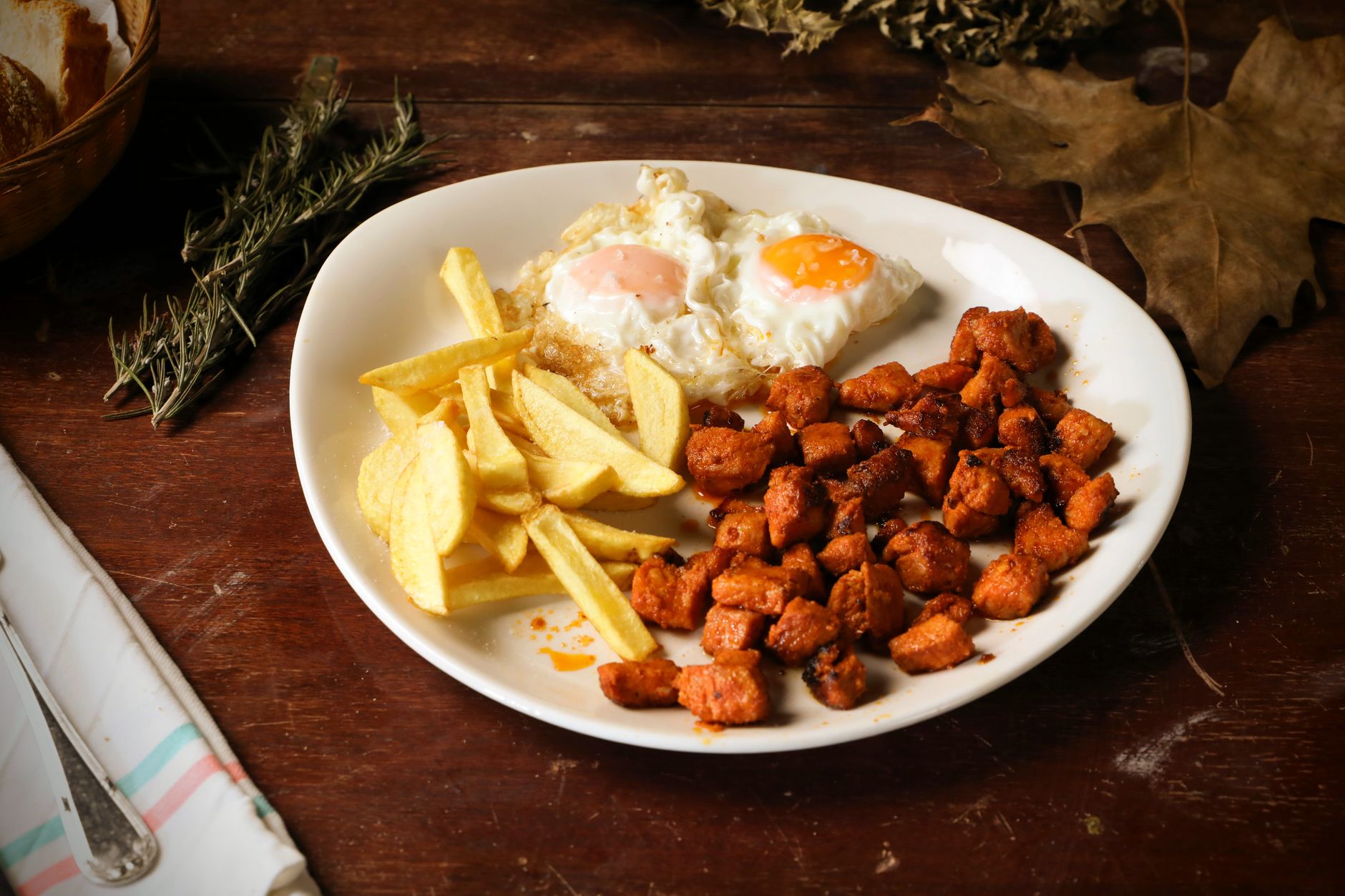
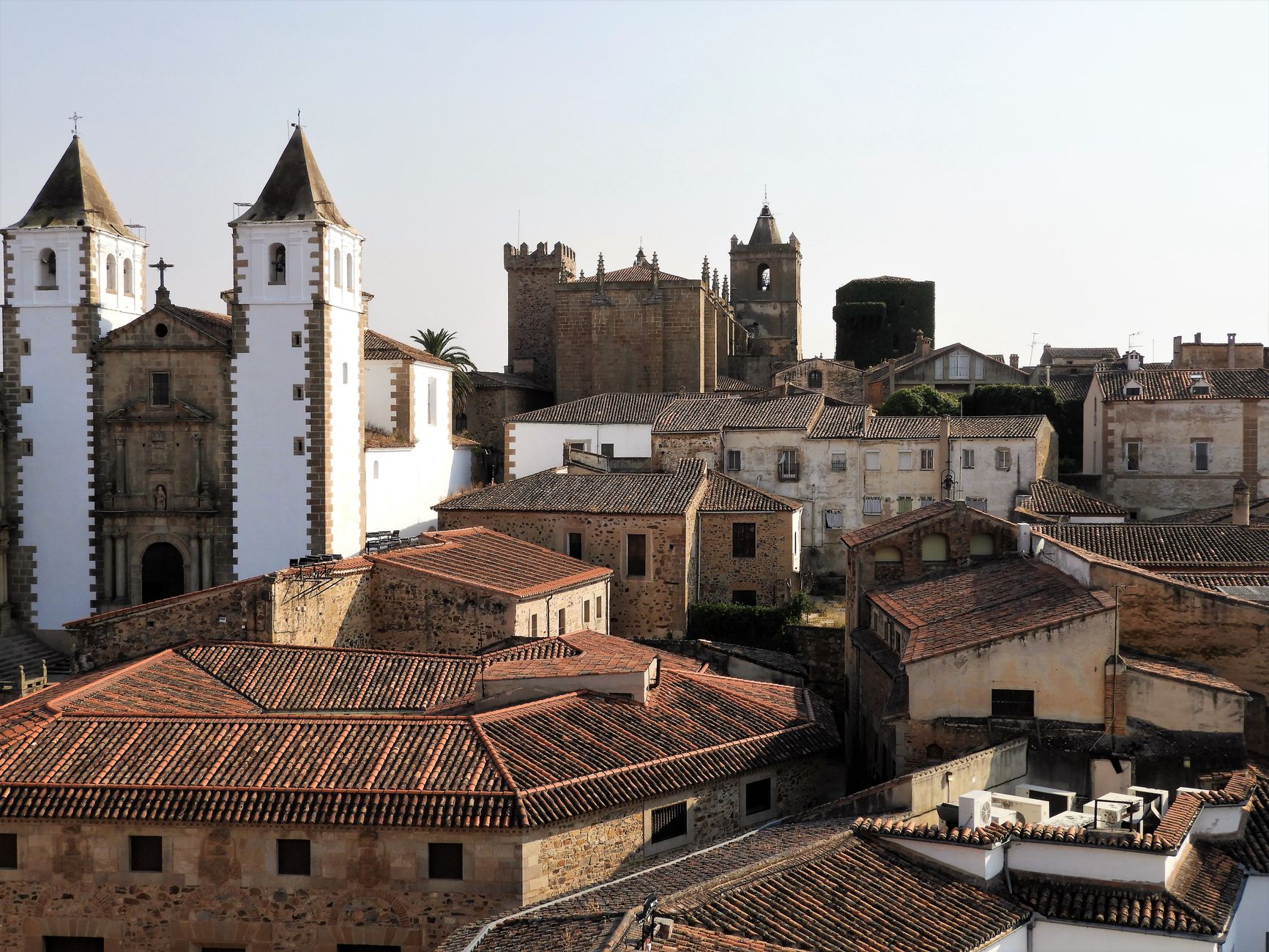
The dry wind rattles the storks nesting on Torre de Bujaco before you even reach Plaza Mayor. Walk through the Arco de la Estrella and modern noise drops away against granite palaces built with conquistador silver. It is an intact medieval core, remarkably unbothered by tour buses during the week. Come for the quiet stone ramparts, but stay for the pungent smear of Torta del Casar scooped straight from the rind in a back-alley tavern.
Last updated 30 Aug 2026
Build a Cáceres itinerary.
Choose up to 4 threads that pull you in. Your plan arrives organised around them.
The Bed
Where to stay in Cáceres
Which part of town to book, and what each one costs you in walking, noise or quiet.
The Comparison
Cáceres, or somewhere near it
The places you are realistically choosing between, and the honest case for each.
The Local Record
Where to read more about Cáceres
The blogs, boards, guides and operators worth bookmarking.
What to do in Cáceres Extremadura Spain
The rhythm here belongs to the stone. Mornings are for climbing up through the Arco de la Estrella into the quiet alleys of the Ciudad Monumental before the midday heat settles. Evenings pull everyone toward Plaza Mayor and the tapas bars along Calle Pizarro for draught beer and plates of cured ham. It suits travellers who appreciate unvarnished history, world-class modern art, and serious regional eating without the crush of coastal crowds.
24 hours in Cáceres Extremadura Spain
Start by climbing Torre de Bujaco at 10:00 when gates open, then lose an hour in the vaulted Moorish aljibe under Palacio de las Veletas. For lunch, order migas and Torta del Casar on Plaza Mayor. Spend the afternoon in Museo Helga de Alvear, then finish with wine and Iberian pork tapas along Calle Pizarro. Select 1 Day above to see it.
2 days in Cáceres Extremadura Spain
Dedicate your morning to wandering the whitewashed Jewish Quarter along Calle Rincón de la Monja. In the afternoon, take a twenty-minute drive to the surreal granite landscape of Los Barruecos and the Vostell museum. Return for dinner at a relaxed meson near Plaza San Jorge to try slow-stewed lamb caldereta. Choose 2 Days to expand the plan.
3 days in Cáceres Extremadura Spain
Head forty minutes east to the conquistador palaces and medieval castle of Trujillo. Alternatively, drive north into the dramatic river gorges of Monfragüe National Park to watch imperial eagles. Return for a leisurely evening exploring the silent stone alleys of Cáceres by night when the lanterns glow.
Cáceres Extremadura Spain itineraries by interest
Medieval Architecture in Cáceres Extremadura Spain
Walk the walled Ciudad Monumental, past 15th-century towers, Moorish battlements, and the Renaissance facade of Palacio de los Golfines.
Regional Cheese in Cáceres Extremadura Spain
Cut open a creamy wheel of raw sheep milk Torta del Casar, scooped onto warm bread at traditional cheese shops near Plaza San Mateo.
Cured Meats in Cáceres Extremadura Spain
Order plates of acorn-fed Jamón Ibérico de Bellota, paprika-spiced patatera sausage, and cured morcón sliced thin at local bodegas.
Contemporary Art in Cáceres Extremadura Spain
Tour the expansive Museo Helga de Alvear for modern installations and canvases housed in an airy, stark white concrete gallery.
Historic Cisterns in Cáceres Extremadura Spain
Descend beneath the Palacio de las Veletas into the Moorish aljibe, an ancient vaulted water reservoir supported by horseshoe arches.
Fine Dining in Cáceres Extremadura Spain
Reserve months ahead for the multi-course pork tasting menus and legendary subterranean wine cellar at three-star Atrio on Plaza San Mateo.
Plaza Life in Cáceres Extremadura Spain
Pull up a chair on the sloping Plaza Mayor for late-afternoon cañas, crisp migas extremeñas, and excellent people watching below the walls.
Jewish Heritage in Cáceres Extremadura Spain
Navigate the narrow, whitewashed alleys of the Judería Vieja around Calle Rincón de la Monja, ending at the Ermita de San Antonio.
Nature & Wildlife in Cáceres Extremadura Spain
Watch white storks clack bills atop stone belfries, or drive an hour north to spot black vultures gliding over Monfragüe National Park.
Day Trips in Cáceres Extremadura Spain
Drive twenty minutes west to Los Barruecos for granite boulder landscapes and the avant-garde Museo Vostell Malpartida.
Historic Towers in Cáceres Extremadura Spain
Climb the 12th-century Torre de Bujaco and walk the battlements for panoramic views over the terracotta roofs of the old quarter.
Traditional Tapas in Cáceres Extremadura Spain
Graze through tavern counters along Calle Pizarro, pairing glasses of Ribera del Guadiana red wine with grilled pork ribs and caldereta.