Plasencia.


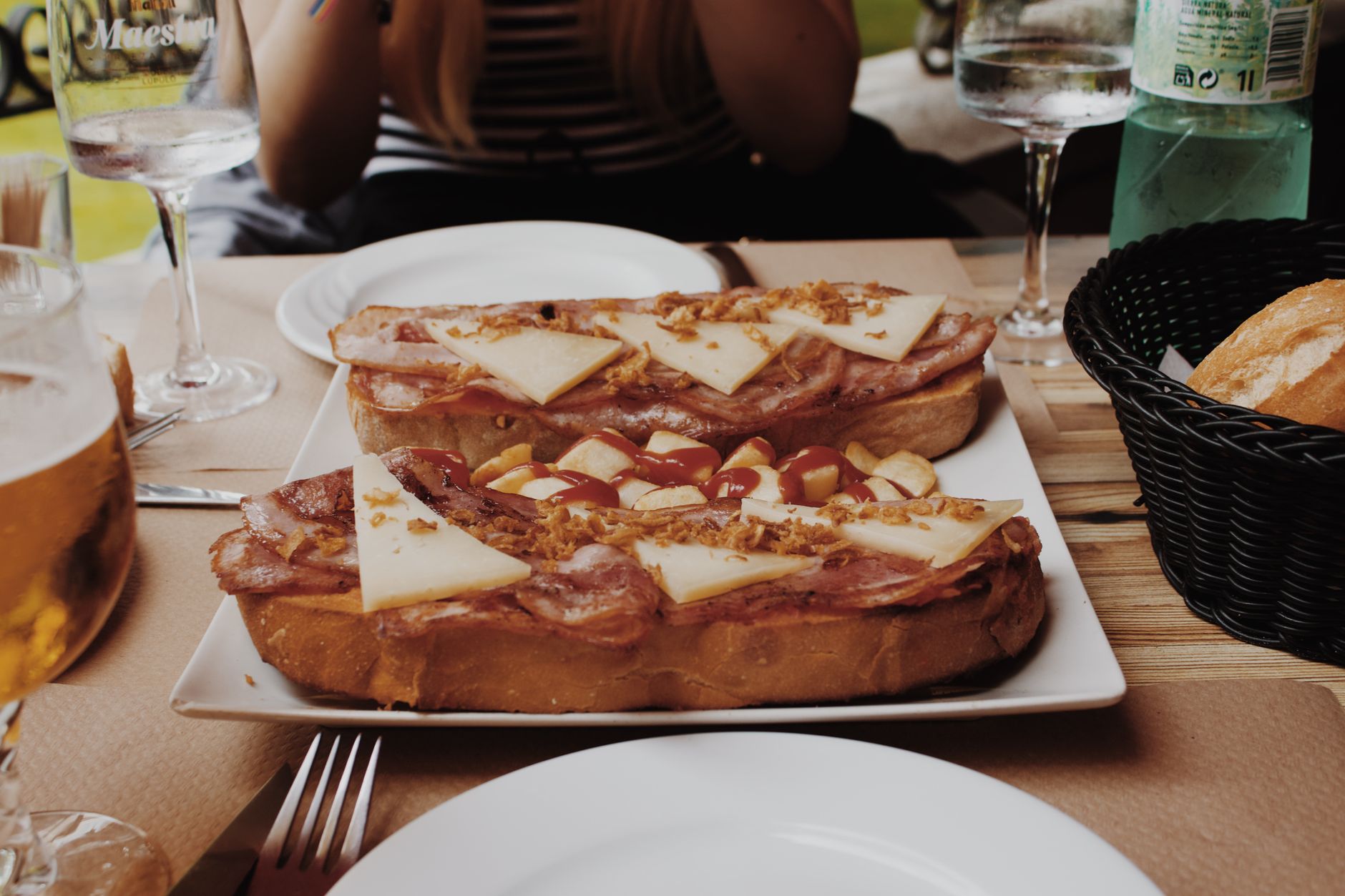
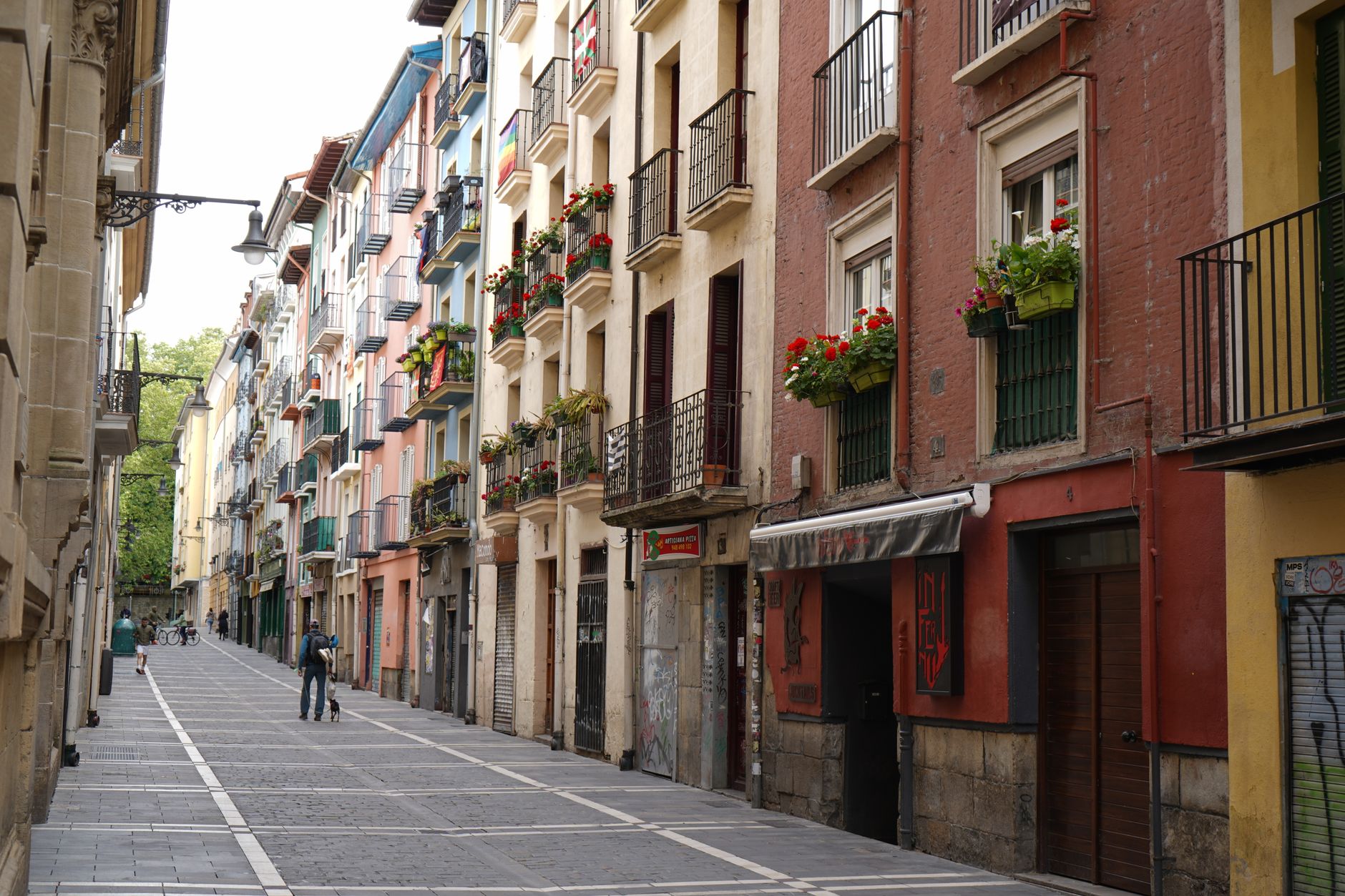
The Jerte loops tightly around a granite promontory, keeping Extremadura's northern outpost well defended and pleasantly walkable. Alfonso VIII laid the foundation in 1186, but the real intrigue sits at the cathedral complex, where Romanesque and Plateresque halls fuse into a single strange structure. In the Plaza Mayor, the mechanical automaton Mayorga rings the quarter-hour over elderly men debating sheep cheese and dried pimentón. It is sturdy, dignified country.
Last updated 30 Aug 2026
Build a Plasencia itinerary.
Choose up to 4 threads that pull you in. Your plan arrives organised around them.
We'll craft a 1-lens plan for Plasencia, one collapsible strand per lens.
Nature Day Trips
Drive twenty minutes into the Valle del Jerte during the spring blossom, or hike through the steep oak gorges of the Garganta de los Infiernos.
Nature Day Trips
Drive twenty minutes into the Valle del Jerte during the spring blossom, or hike through the steep oak gorges of the Garganta de los Infiernos.
Riverside Stroll Along Jerte
Parque de la Isla
Enter through the south footbridge and loop the tree-shaded river island for an hour. Free access; grab a morning café con leche at the seasonal kiosk.
Editor TipThe Jerte river carved the natural defensive curve that shaped Plasencia in the twelfth century, feeding the lush ash and alder groves that still cool the town. Take the dirt path along the outer bank for unobstructed views of herons hunting in the shallows.
Medieval Rampart Valley Views
Torre Lucía
Climb the interpretation centre steps to walk the restored battlements. Admission is under two euros and takes forty-five minutes.
Editor TipKing Alfonso VIII built these granite walls in 1186 to hold the border, engineering broad panoramic lookouts across the Ambroz and Jerte valleys. Bring binoculars if you have them; griffon vultures from Monfragüe regularly ride the thermals above the north towers.
Pine Canopy Birdwatching
Parque de los Pinos
Walk fifteen minutes uphill to this 1910 municipal bird park. Entry is free; give yourself an hour to explore the shaded dirt paths beneath the canopy.
Editor TipPlanted over a century ago along a granite ridge, these stone pines provide nesting territory for white storks, peacocks, and migrating raptors. The stone benches near the central fountain offer the best cross-breeze once the morning sun starts to warm the stone.
Scanning Griffon Vulture Roosts
Mirador Salto del Gitano
Pull into the roadside turnout on the EX-208 by eight-thirty. Parking is free, telescope mounts line the railing, and an hour here costs nothing beyond your patience.
Editor TipThe three-hundred-foot quartzite cliff above the Tagus River holds Europe's densest colony of Eurasian black vultures and Spanish imperial eagles, thriving on thermal currents since the Middle Ages. Bring your own 10x42 binoculars; phone cameras will only yield frustrating blurry grey specks against the cliff.
Climbing the Arab Watchtower
Castillo de Monfragüe
Drive five minutes uphill to the trailhead car park, then hike twenty minutes up stone switchbacks. Entry to the ninth-century ruined tower is free and takes forty-five minutes to explore.
Editor TipBuilt by Muslims in 811 and seized by Christian knights in the twelfth century, this redoubt surveys miles of holm oak dehesa where Iberian pigs forage acorns undisturbed. The spiral stair in the keep is narrow and slick from eight hundred years of footfall; keep one hand firmly on the rail.
Oak-Grilled Dehesa Pork
Restaurante Carpe Diem
Reserve an indoor table for 8:30 PM in Torrejón el Rubio. Order the charcoal-grilled presa ibérica and migas with fried egg for thirty euros a head.
Editor TipExtremadura's vast holm-oak pastures produce pure bellota pork, traditionally cooked over pruned oak branches to sear rich fat without heavy seasoning. Order a carafe of local Ribera del Guadiana red; the rough tannins cut cleanly through the rich pork fat.
Wildcards
Worth your time whatever brought you here.
Wildcards
Worth your time whatever brought you here.
Acorn-Fed Ibérico Tasting
Bar Español
Order a board of jamón ibérico de bellota and a glass of local Ribera del Guadiana. Open daily from 20:00; budget thirty euros per person.
Editor TipThe surrounding oak dehesa pasture forms a unique agro-forestry biosphere, yielding the sweet, nutty cured pork central to Extremaduran life. Stake out a spot at the zinc bar rather than waiting for a table; service is swift and conversational.
Note from the Editor
“Get to Torre Lucía the moment it opens at ten to take the ramparts before the Extremaduran sun gets serious about baking the stone.”
The Bed
Where to stay in Plasencia
Which part of town to book, and what each one costs you in walking, noise or quiet.
The Comparison
Plasencia, or somewhere near it
The places you are realistically choosing between, and the honest case for each.
The Local Record
Where to read more about Plasencia
The blogs, boards, guides and operators worth bookmarking.
What to do in Plasencia Extremadura Spain
Life in Plasencia gathers around the arcaded Plaza Mayor and rolls outward through narrow stone alleys to the cathedral walls. It suits travellers who prefer unhurried Spanish rhythms over packed museum lines. Days revolve around morning market runs, mid-afternoon siestas, and early evening cañas served with generous tapas of cured cheese and morcilla patatera. You can walk the entire historic centre across an easy afternoon.
24 hours in Plasencia Extremadura Spain
Start by 09:30 at the Catedral Vieja cloister before the tour groups arrive. Walk the parapet at Torre Lucía, then claim an outdoor table on Plaza Mayor for migas and grilled pork secreto. Spend the late afternoon resting under the plane trees at Parque de la Isla before an evening crawl along Calle Pizarro for draught wine and sheep cheese. Select 1 Day above to see it.
2 days in Plasencia Extremadura Spain
Dedicate your second day to the Jewish Quarter and the Palacio del Marqués de Mirabel. In the afternoon, take a twenty-minute drive up the Jerte Valley to dip in the granite pools of Los Pilones. Return for a sit-down dinner of roasted cabrito lechal at a traditional mesón near the Puerta de Berrozana. Choose 2 Days to expand the plan.
3 days in Plasencia Extremadura Spain
A third day opens up the wilder corners of Extremadura. Drive south to Monfragüe National Park for cliffside raptor watching, or head east into La Vera to tour Emperor Charles V's final retreat at the Monastery of Yuste. Finish with pimentón tastings and rustic village stews in Garganta la Olla.
Plasencia Extremadura Spain itineraries by interest
Sacred Architecture in Plasencia Extremadura Spain
Step inside the fused Catedral Vieja and Catedral Nueva to see Churriguera's altarpiece and Rodrigo Alemán's famously irreverent walnut choir stalls.
Cured Meats in Plasencia Extremadura Spain
Order plates of Jamón Ibérico de Bellota from Dehesa de Extremadura, carved wafer-thin alongside glasses of robust local red ribera del guadiana.
Fortifications in Plasencia Extremadura Spain
Walk the twelfth-century granite perimeter between Puerta del Sol and Torre Lucía, where watchtowers still face the mountain pass of Puerto de Tornavacas.
Markets & Produce in Plasencia Extremadura Spain
Tuesday mornings fill the Plaza Mayor with pimentón de la Vera, Torta del Casar raw sheep cheeses, and sweet Valle del Jerte cherries in early summer.
Regional Stews in Plasencia Extremadura Spain
Sit down for caldereta de cordero, a slow-simmered lamb stew rich with garlic, olive oil, and wood-smoked paprika, served in neighbourhood taverns.
Town Squares in Plasencia Extremadura Spain
Pull up a metal chair at Plaza Mayor under the gaze of Mayorga, the clock bell ringer, and order vermouth with a free tapa of migas extremeñas.
River Walks in Plasencia Extremadura Spain
Follow the paths through Parque de la Isla alongside the Río Jerte, where shaded ash groves provide respite and natural swimming spots in heat.
Historic Palaces in Plasencia Extremadura Spain
Trace Renaissance stone facades along Calle Blanca, stopping at Palacio del Marqués de Mirabel to inspect its two-tier neoclassical courtyard.
Aqueducts in Plasencia Extremadura Spain
Examine the sixteenth-century Los Arcos aqueduct in San Antón, built by Juan de Flandes with fifty-five granite arches to carry mountain spring water.
Nature Day Trips in Plasencia Extremadura Spain
Drive twenty minutes into the Valle del Jerte during the spring blossom, or hike through the steep oak gorges of the Garganta de los Infiernos.
Birdwatching in Plasencia Extremadura Spain
Head south toward Monfragüe National Park to spot black vultures and Spanish imperial eagles circling above the rugged Salto del Gitano crags.
Monastic Heritage in Plasencia Extremadura Spain
Visit the Convento de San Vicente Ferrer, now a quiet parador, and make a pilgrimage west to the rural Jerónimos monastery at Yuste.