Zafra.


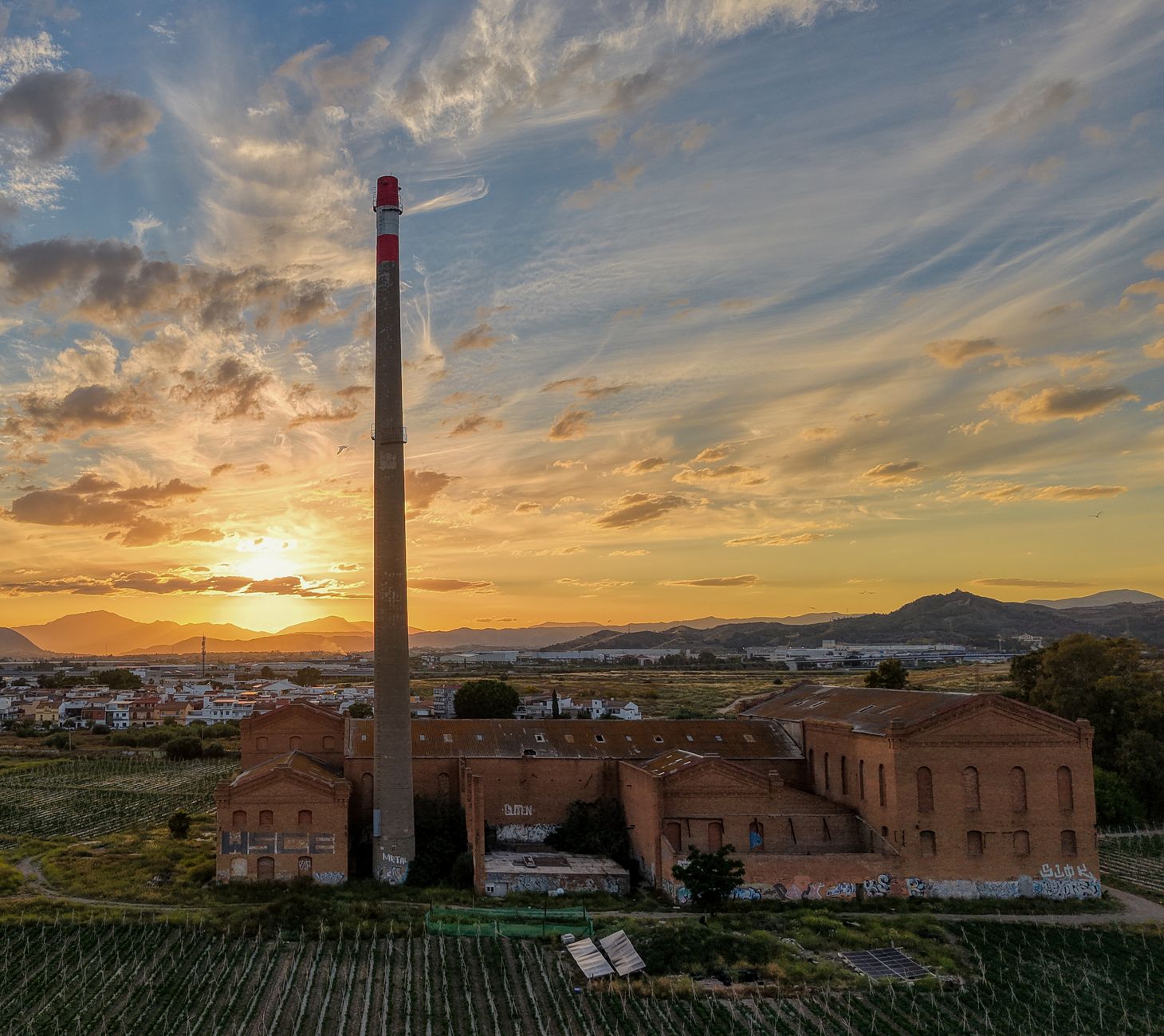
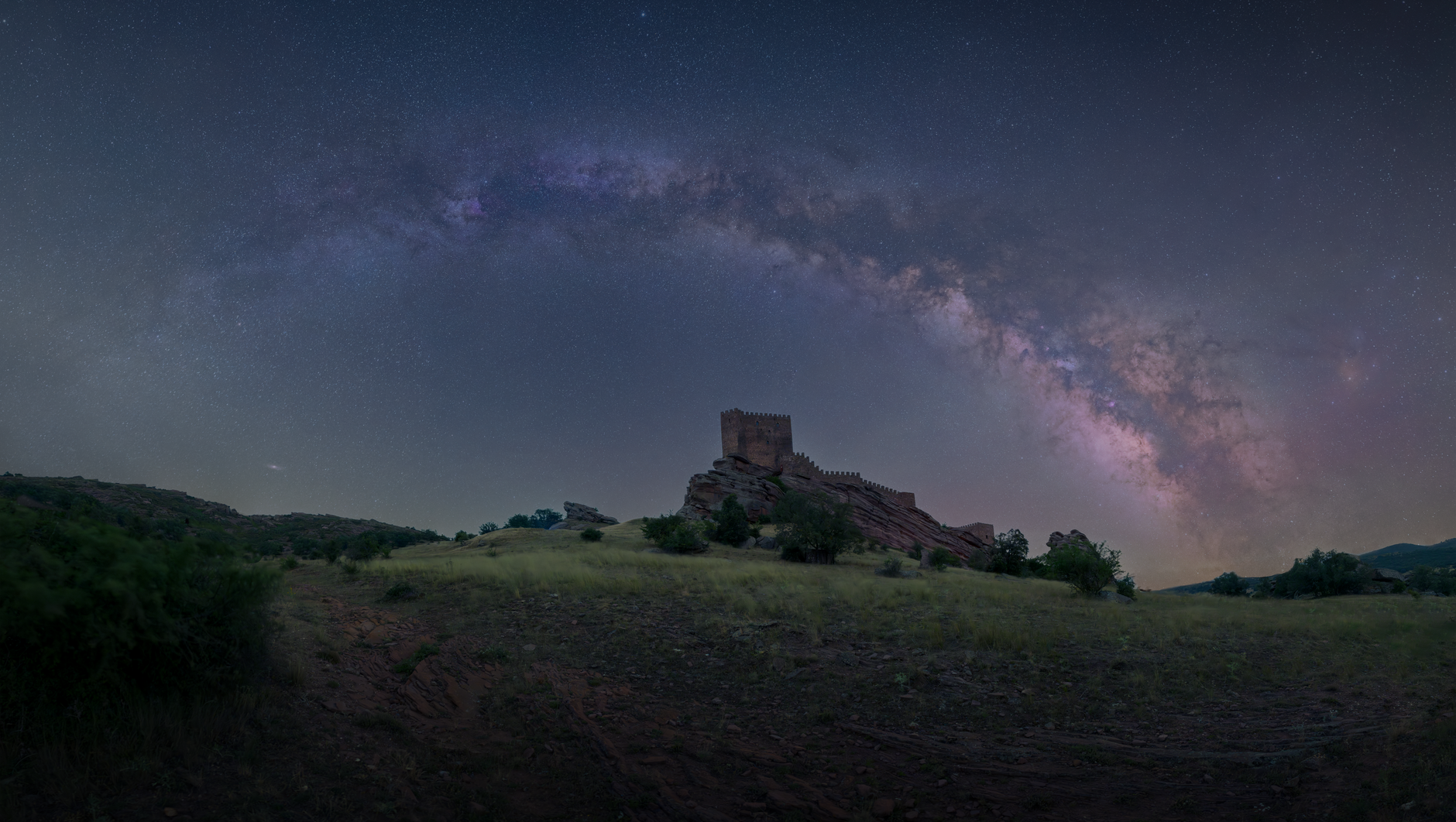
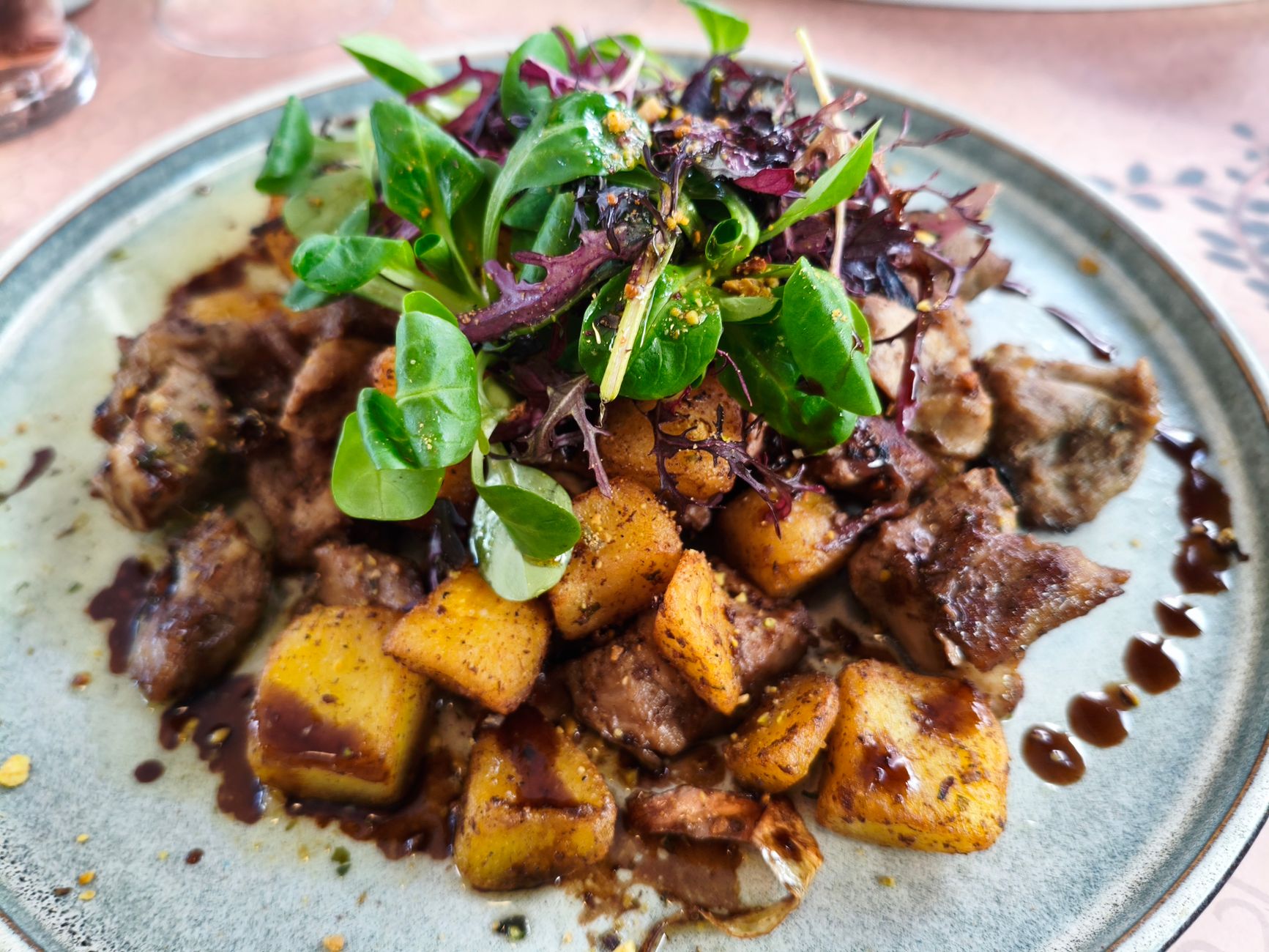
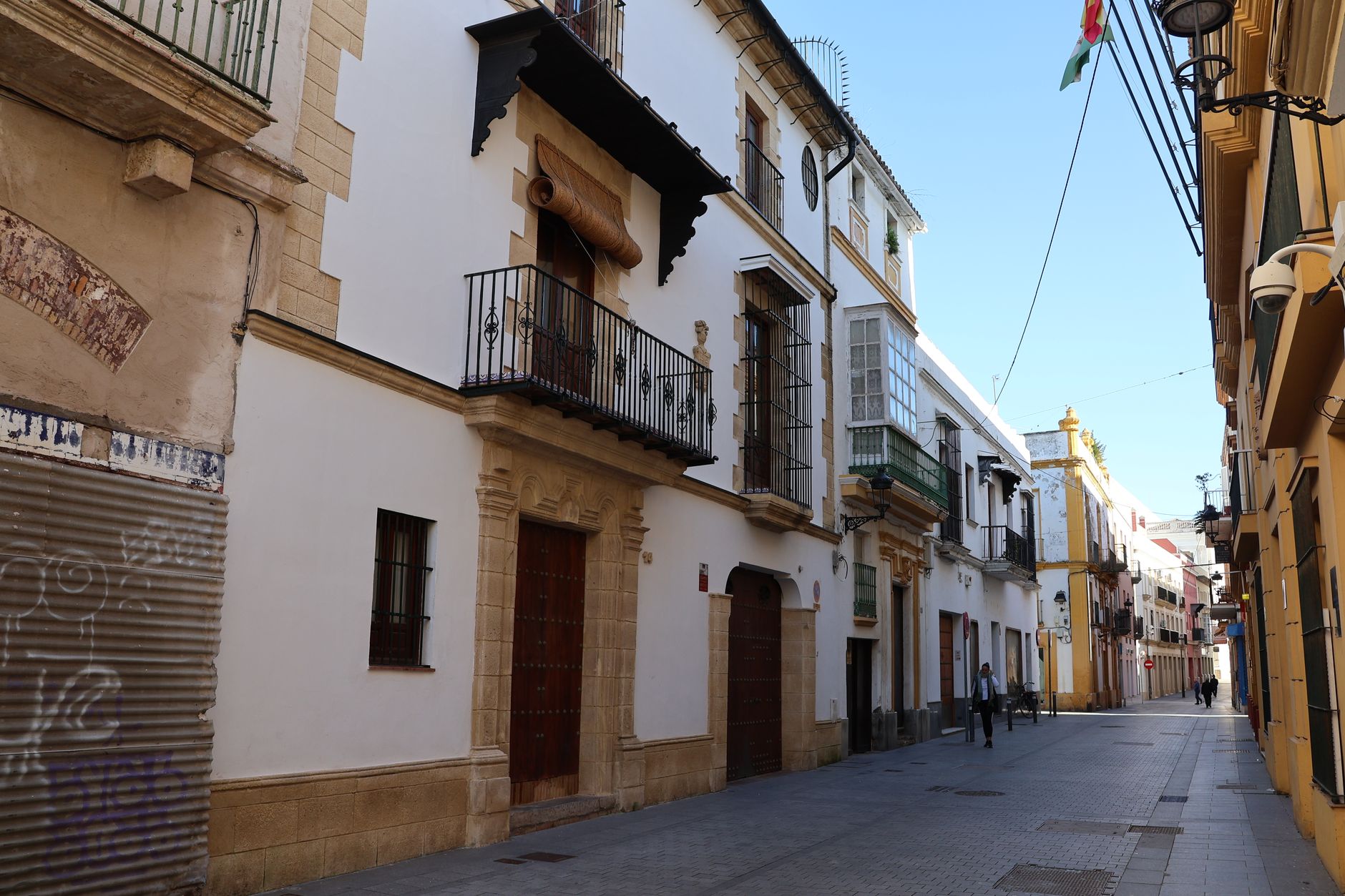
White lime washes up against the dark granite of the Sierra de Castellar, reflecting a blinding southern Extremaduran light. Walking in through the Puerta de Jerez, the lanes narrow until they tumble into the interconnected Plaza Grande and Plaza Chica. Fifteenth-century ducal stone anchors the centre, but the real rhythm here belongs to the morning market trade, cured acorn-fed ham sliced thin at zinc counters, and locals leaning against the brick arcades while discussing the afternoon heat.
Last updated 30 Aug 2026
Build a Zafra itinerary.
Choose up to 4 threads that pull you in. Your plan arrives organised around them.
The Bed
Where to stay in Zafra
Which part of town to book, and what each one costs you in walking, noise or quiet.
The Comparison
Zafra, or somewhere near it
The places you are realistically choosing between, and the honest case for each.
The Local Record
Where to read more about Zafra
The blogs, boards, guides and operators worth bookmarking.
What to do in Zafra Extremadura Spain
Zafra unfolds at an unhurried Southern pace around its fifteenth-century ducal palace and twin arcaded squares. The town suits travellers who appreciate honest regional cooking, quiet morning streets, and layered border history without theatrical staging. Days divide neatly between touring Gothic-Mudejar chapels and spending long hours over plates of cured pork and Matanegra wine along Calle Tetuán.
24 hours in Zafra Extremadura Spain
Start early at the Convento de Santa Clara before heading to the Alcázar courtyard. Cross through the Arquillo del Pan into Plaza Chica for a lunch of migas and presa ibérica. In the late afternoon, browse the whitewashed lanes of the old Jewish quarter, finishing with local cheese and a cold caña under the Plaza Grande arches. Select 1 Day above to see it.
2 days in Zafra Extremadura Spain
Devote day two to the surrounding dehesa country. Drive fifteen minutes south to Medina de las Torres to walk the Roman ruins of Contributa Iulia, then return to Zafra for caldereta de cordero and regional red wines at a rustic mesón near the old livestock fairgrounds. Choose 2 Days to expand the plan.
3 days in Zafra Extremadura Spain
With three days, venture deeper into the Sierra Suroeste. Explore the Templar castle at Fregenal de la Sierra and the hilltop ramparts of Jerez de los Caballeros, the birthplace of Vasco Núñez de Balboa. Finish with an unhurried dinner tasting acorn-fed jamón back in Zafra.
Zafra Extremadura Spain itineraries by interest
Cured Meats in Zafra Extremadura Spain
Sample jamón ibérico de bellota from Dehesa de Extremadura, carved by hand alongside morcón sausage and lomo at traditional tabernas around Plaza Chica.
Sacred Architecture in Zafra Extremadura Spain
Visit the fourteenth-century Convento de Santa Clara to view ducal tombs and buy handmade pastries, then inspect the Zurbarán retablo in Candelaria.
Historic Plazas in Zafra Extremadura Spain
Pace between Plaza Grande and Plaza Chica through the Arquillo del Pan, checking the ancient vara mark carved in stone for measuring market cloth.
Wine & Bodegas in Zafra Extremadura Spain
Taste robust reds made from Tempranillo and Eva de los Santos grapes in the surrounding Matanegra sub-zone of the DO Ribera del Guadiana.
Castles & Fortresses in Zafra Extremadura Spain
Explore the fifteenth-century Alcázar of the Dukes of Feria, with its nine towers, Herrerian marble courtyard, and grand Sala Dorada coffered ceiling.
Regional Cheeses in Zafra Extremadura Spain
Cut into creamy Torta de Barros and aged goat cheeses from surrounding pastures, paired with dense crusty pan de pueblo at local abacerías.
Street Strolls in Zafra Extremadura Spain
Wander the whitewashed Jewish quarter along Calle Boticas, ducking into quiet courtyards lined with geranium pots and wrought-iron window grilles.
Traditional Stews in Zafra Extremadura Spain
Order hearty caldereta de cordero, migas extremeñas with pancetta and fried peppers, and sopa de tomate in no-nonsense neighbourhood dining rooms.
Craft Traditions in Zafra Extremadura Spain
Browse local leatherwork, handmade pottery, and copper crafts showcased annually around the historic livestock grounds of the Feria de San Miguel.
Pastries & Sweets in Zafra Extremadura Spain
Buy boxfuls of perrunillas and corazones de Santa Clara directly through convent turnstiles, baked using centuries-old lard and almond recipes.
Day Trips in Zafra Extremadura Spain
Drive twenty minutes to the whitewashed hill town of Burguillos del Cerro or explore the imposing Templar fortress overlooking Fregenal de la Sierra.
Countryside Trails in Zafra Extremadura Spain
Hike or cycle past ancient holm oaks across the dehesa foothills beneath the Sierra de San Cristóbal for wide panoramic views over the lower plains.