Mérida.
.jpg)

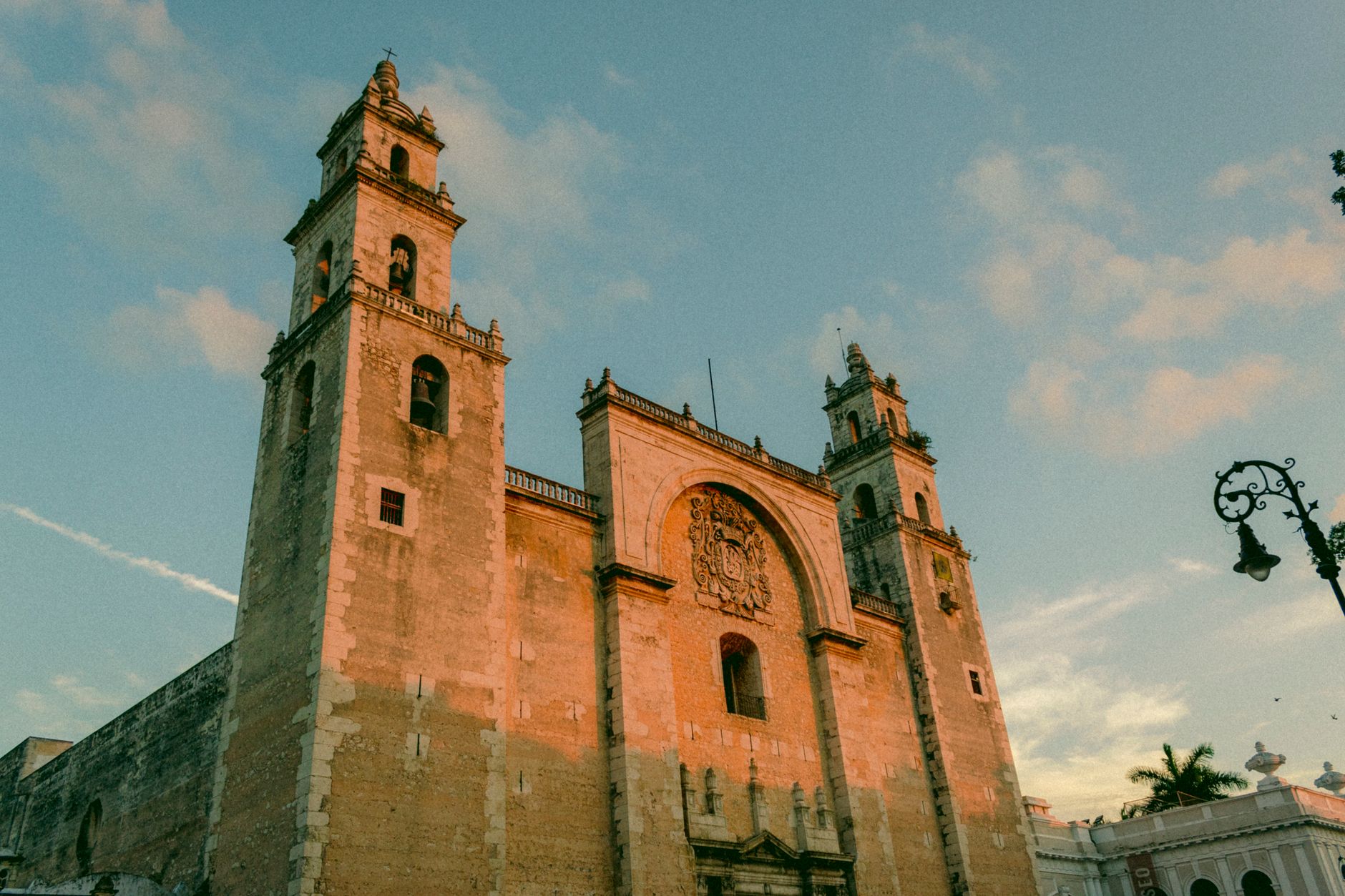
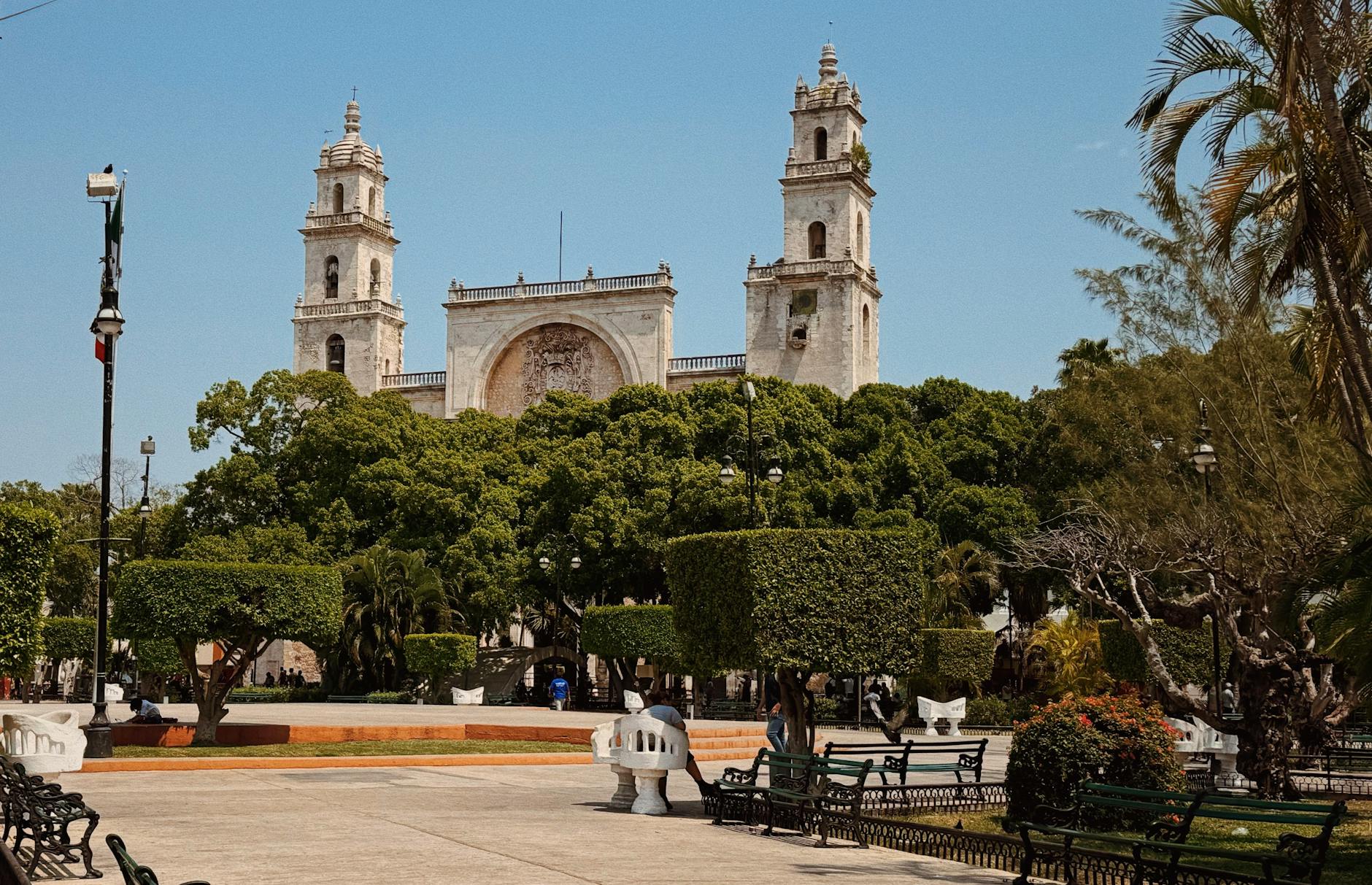
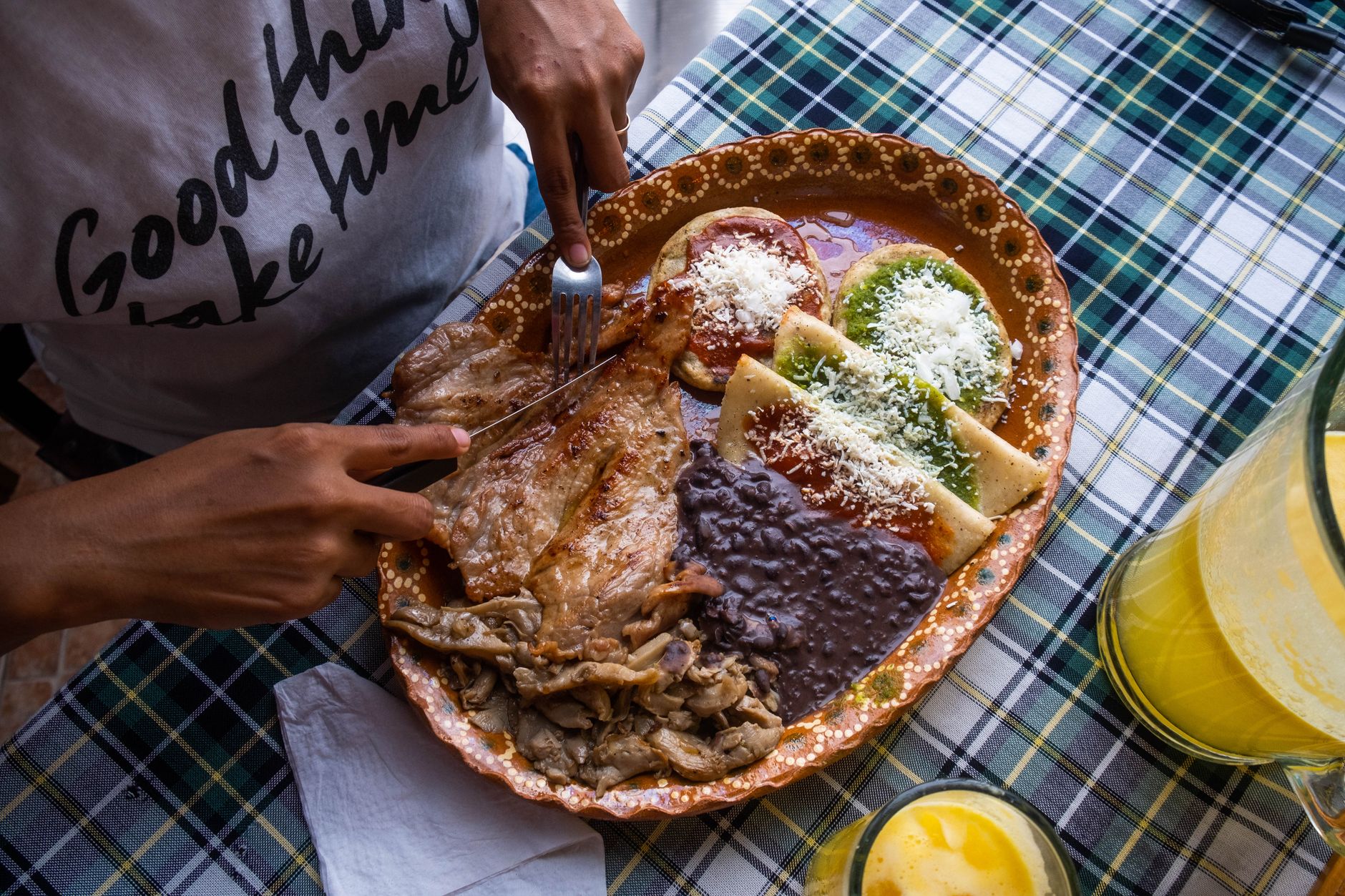
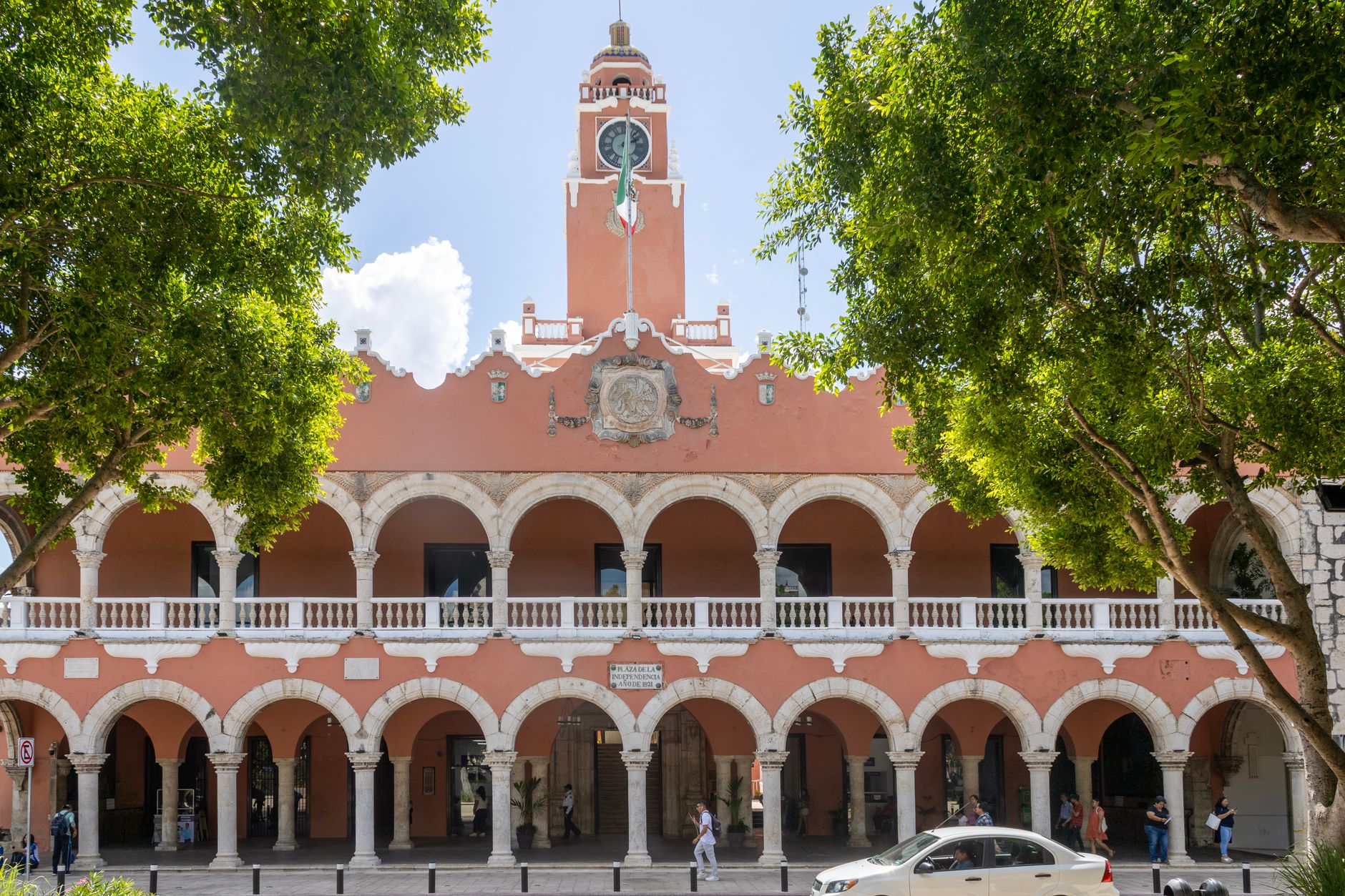
Granite flagstones hold the baking heat of the Guadiana plain well past dusk. Two thousand years ago, retiring legionaries founded Emerita Augusta, and their marble Corinthian columns still stand flanked by mundane apartment blocks and laundry lines. You walk between Roman theatre stages and corner tapas bars slicing dark, fat-veined jamón ibérico. It is a working provincial town where ancient grandeur rubs comfortably against cold Cruzcampo and slow afternoon gossip.
Last updated 30 Aug 2026
Build a Mérida itinerary.
Choose up to 4 threads that pull you in. Your plan arrives organised around them.
We'll craft a 2-lens plan for Mérida, one collapsible strand per lens.
Cured Meats
Acorn-fed jamón ibérico de bellota and spreadable morcilla patatera sliced paper-thin across marble counters around Plaza de España.
Cured Meats
Acorn-fed jamón ibérico de bellota and spreadable morcilla patatera sliced paper-thin across marble counters around Plaza de España.
Tostada with Ibérico Fat
Bar Los Segovianos
Order the tostada de jamón ibérico with crushed tomato at the counter. Service is brisk, coffee is boiling hot, and breakfast costs under five euros. Expect twenty minutes.
Editor TipExtremadura's oak dehesa yields Spain's finest acorn-fed pork; starting the day with cured fat smeared over hot mollete bread is an unpretentious regional morning ritual. Stand at the zinc bar rather than waiting for a table; the ham gets sliced faster.
Hand-Carved Bellota Tasting
Nico Jiménez
Order a tabla of DOP Dehesa de Extremadura bellota and a glass of Ribera del Guadiana red at the counter. Spend forty-five minutes; no booking needed.
Editor TipExtremadura cures its bellota ham across two high-altitude winters in Montánchez, drawing sweet nutty fat from oak-grazed Iberian pigs. Ask for the ham sliced fresh from the stand instead of taking a pre-cut plate from the refrigerated case.
Temple-Side Tavern Grazing
La Bodeguilla del Templo
Stand by the barrel tables opposite the Roman colonnade. Order the prueba de cerdo, morcón and local Tempranillo. Allow an hour; budget twenty euros.
Editor TipTavern life here clusters around Roman masonry, serving cured pork cuts seasoned with smoked La Vera paprika as casual evening bar fuel. Arrive right at eight-thirty to secure an outdoor barrel before the evening crowd fills the plaza.
Village Breakfast of Jamón
Bar El Jamón
Order a café con leche and a media tostada with cachuela or cured bellota shavings at the bar. Service is swift, breakfast costs under five euros, and thirty minutes is plenty.
Editor TipMornings in Extremadura mountain towns start at the tavern counter, where locals gather for toast rubbed with garlic, local olive oil, and cured pork before working the pastures. Ask for tomato purée beneath your ham; the acidity balances the rich acorn fat perfectly.
Natural Cellar Ham Tasting
Jamones Casa Bautista
Step into the multi-storey drying loft to inspect thousands of hanging hams before a carved tasting. Reserve a morning visit via their website; allow seventy minutes and twelve euros.
Editor TipAt seven hundred metres above sea level, Montánchez relies on steady mountain breezes rather than climate control, curing acorn-fed Iberian pork in open-windowed secaderos since medieval times. Watch the master carver slice translucent strips by hand; good ham should never see a mechanical blade.
Mountain-Cured Jamón Tasting
Mesón El Balcón
Book ahead for lunch. Order a hand-carved plate of bellota jamón followed by grilled pluma ibérica, washed down with a cold draft pitarra.
Editor TipMontánchez sits at 700 metres, where dry mountain winds naturally cure pork legs. Village bodegas have aged acorn-fed hams here since the reign of Carlos V. Walk up to the castle ruins above the village after your meal to catch the late sun across the dehesa.
Tavern Culture
Order hearty bowls of migas extremeñas and slow-simmered caldereta de cordero alongside draft beer in old taverns along Calle John Lennon.
Tavern Culture
Order hearty bowls of migas extremeñas and slow-simmered caldereta de cordero alongside draft beer in old taverns along Calle John Lennon.
Midday Chacinas and Vermut
Casa Benito
Walk in around noon to claim a barrel table. Ask for a tabla of cecina, lomo, and jamón de bellota paired with draft vermut or a Ribera del Guadiana red for about twelve euros.
Editor TipOpen since 1928, this tavern preserves classic Extremaduran chacina culture, serving dry-cured pork charcuterie beneath bullfighting posters and dust-jacketed town histories. Grab the corner table beneath the old festival posters for the coolest breeze.
Evening Morcón and Pitarra
Mesón El Serranito
Claim a barrel table around nine and ask for house morcón with a glass of Ribera del Guadiana. Budget fifteen euros per person for an unhurried round.
Editor TipMorcón uses lean pork shoulder seasoned with mild paprika and garlic, aged slowly to sustain working-class tavern tables through long autumns. Do not rush the bar staff; conversation here runs on its own internal clock.
Pitarra Wine and Chacina
Tapería El Rincón de la Cava
Arrive around 20:30 to secure a barrel table. Order morcón ibérico, sheep milk torta, and a glass of local Ribera del Guadiana tempranillo.
Editor TipZafra was Extremadura's premier trading crossroad. Its arcaded squares nurtured tavern culture where drovers traded livestock over chacina plates. Stand at the bar rather than taking a low table if you want quick pours and banter with the owner.
Note from the Editor
“Beat the midday heat and the tour coaches by hitting the Roman ruins right when gates open at 09:00, then slip into the cool tile of the taverns before the local 13:30 rush begins.”
The Bed
Where to stay in Mérida
Which part of town to book, and what each one costs you in walking, noise or quiet.
The Comparison
Mérida, or somewhere near it
The places you are realistically choosing between, and the honest case for each.
The Local Record
Where to read more about Mérida
The blogs, boards, guides and operators worth bookmarking.
What to do in Mérida Extremadura Spain
Mérida rewards unhurried walking. The compact centre packs massive Roman monuments, 9th-century fortress walls, and quiet residential streets into flat, walkable blocks. The day revolves around early monument exploring before the midday heat, long lunches over migas and cured pork, and a late-evening paseo across the Roman bridge. It suits travellers who appreciate layered history without museum velvet ropes.
24 hours in Mérida Extremadura Spain
Start early at the Roman Theatre and Amphitheatre complex before the morning buses arrive. Spend midday inside the cool brick halls of the Museo Nacional de Arte Romano. For lunch, order caldereta de cordero on Calle Santa Eulalia, then finish with an evening stroll past the illuminated Temple of Diana and across the Guadiana bridge. Select 1 Day above to see it.
2 days in Mérida Extremadura Spain
Use your second morning to explore the subterranean cistern inside the Moorish Alcazaba and walk beneath the arches of Acueducto de los Milagros. In the afternoon, head down to Casa del Mitreo to inspect intact floor mosaics, followed by an evening tasting sheep milk Torta del Casar and local Ribera del Guadiana wines near Plaza de España. Choose 2 Days to expand the plan.
3 days in Mérida Extremadura Spain
A third day lets you branch out to the 2,000-year-old Roman reservoir at Embalse de Proserpina for an easy lakeside circuit and lunch. Return via the Basilica of Santa Eulalia to see its underground Visigothic crypts, enjoying quiet afternoon hours when the town belongs entirely to locals finishing their errands.
Mérida Extremadura Spain itineraries by interest
Ancient Ruins in Mérida Extremadura Spain
Walk the 1st-century BC Roman Theatre and Amphitheatre, then track the granite colonnades of the Temple of Diana standing right off Calle Romero Leal.
Cured Meats in Mérida Extremadura Spain
Acorn-fed jamón ibérico de bellota and spreadable morcilla patatera sliced paper-thin across marble counters around Plaza de España.
Archaeology Museums in Mérida Extremadura Spain
Rafael Moneo designed the brick-arched Museo Nacional de Arte Romano to showcase soaring mosaics, statues, and subterranean crypt foundations.
Riverfront Walks in Mérida Extremadura Spain
Cross the Guadiana on the 792-metre Roman granite bridge, then loop the green banks beneath the walls of the 9th-century Moorish Alcazaba.
Regional Cheeses in Mérida Extremadura Spain
Spoon out unctuous raw sheep milk Torta del Casar and Queso de la Serena, paired with crusty pan de pueblo at local abacerías.
Moorish Architecture in Mérida Extremadura Spain
Descend into the subterranean rainwater cistern of the 835 AD Alcazaba, constructed using recycled Roman and Visigothic stone lintels.
Tavern Culture in Mérida Extremadura Spain
Order hearty bowls of migas extremeñas and slow-simmered caldereta de cordero alongside draft beer in old taverns along Calle John Lennon.
Ancient Engineering in Mérida Extremadura Spain
Marvel at the towering brick-and-granite piers of Acueducto de los Milagros and the preserved Roman baths at the Casa del Mitreo.
Local Wine in Mérida Extremadura Spain
Pour deep red Tempranillo and crisp Pardina whites from the surrounding D.O. Ribera del Guadiana alongside small cazuelas of olives.
Sacred Architecture in Mérida Extremadura Spain
Visit the Basilica of Santa Eulalia, built over 4th-century Roman tombs and early Christian crypts honouring the city patron martyr.
Reservoirs & Lakes in Mérida Extremadura Spain
Drive ten minutes north to the Roman-built dam at Embalse de Proserpina, where quiet waterside boardwalks host migrating birds.
Evening Plazas in Mérida Extremadura Spain
Pull up a metal chair on Plaza de España as children kick footballs beneath the palm trees and waiters carry trays of fried bacalao.