Trujillo.

.jpg)
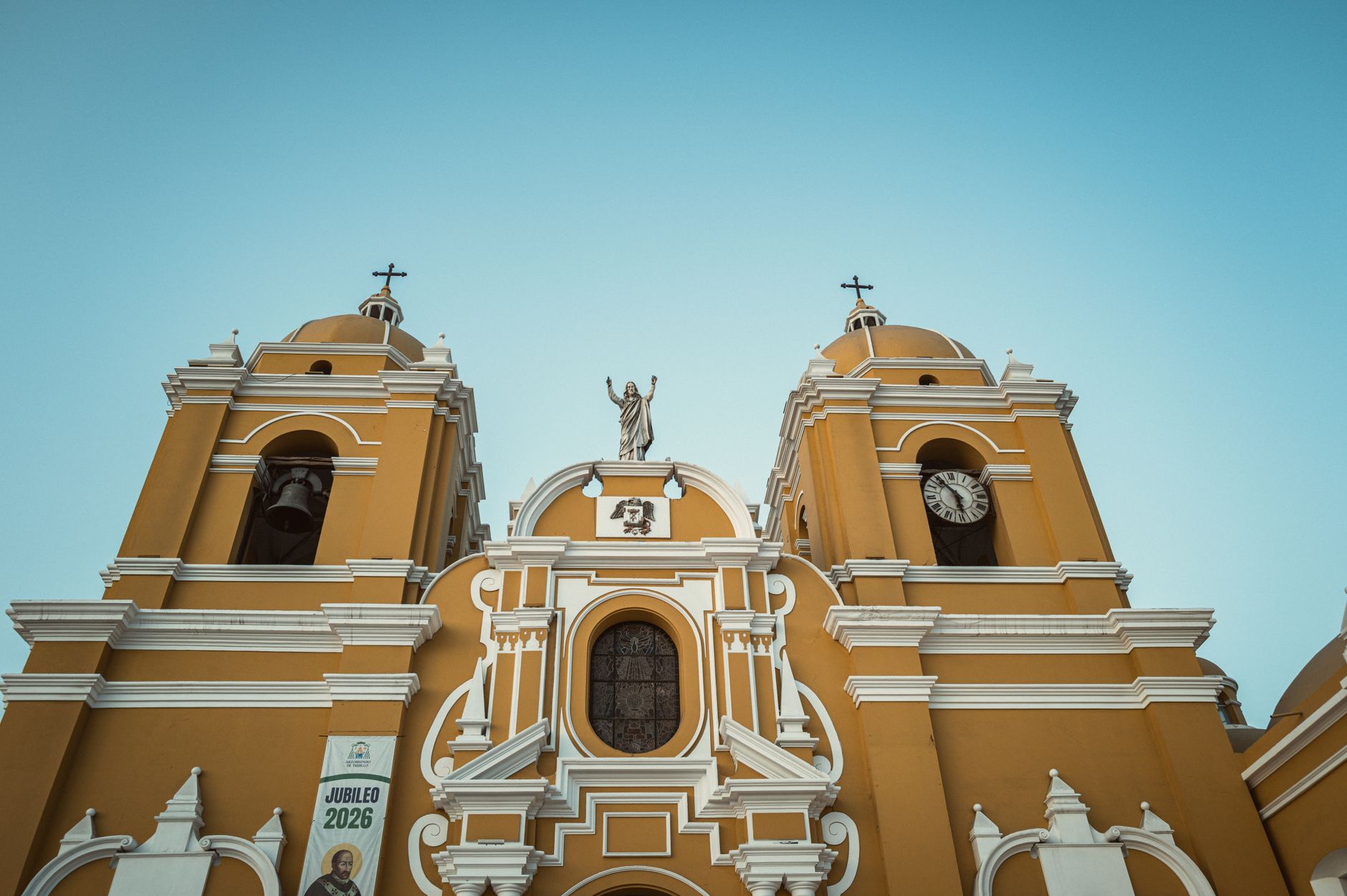


Granite rises straight out of the scrubby oak plains, topped by a Moorish castle and a battery of storks clattering their bills on Renaissance belfries. You climb up from the cavernous Plaza Mayor through steep, sun-bleached alleys paved with cobbles that test your ankles. This is Extremadura at its most theatrical: a town built on sheep farming and funded by New World conquistador fortunes, where an afternoon still runs at the pace of a slow glass of Ribera del Guadiana.
Last updated 30 Aug 2026
Build a Trujillo itinerary.
Choose up to 4 threads that pull you in. Your plan arrives organised around them.
The Bed
Where to stay in Trujillo
Which part of town to book, and what each one costs you in walking, noise or quiet.
The Comparison
Trujillo, or somewhere near it
The places you are realistically choosing between, and the honest case for each.
The Local Record
Where to read more about Trujillo
The blogs, boards, guides and operators worth bookmarking.
What to do in Trujillo Extremadura Spain
Trujillo revolves entirely around its monumental Plaza Mayor and the fortified upper quarter known as La Villa. Life moves deliberately here, anchored by morning coffees beneath stone porticoes and late afternoon climbs to the granite ramparts. It suits travellers who appreciate austere medieval history, unhurried dinners of roasted meats, and the quiet rhythm of inland Spain without the tour bus crowds of the coast.
24 hours in Trujillo Extremadura Spain
Start in the Plaza Mayor, visiting the Palacio de la Conquista before climbing up Calle de Ballesteros to the Moorish castle by midday. Break for a lunch of migas and presa ibérica at Mesón La Troya. Spend your late afternoon wandering the quiet cloisters of Santa María la Mayor, finishing with sheep cheese and local wine as dusk settles on the ramparts. Select 1 Day above to see it.
2 days in Trujillo Extremadura Spain
A second day allows a slow morning hunting convent sweets at San Pedro and exploring the quiet alleys beyond the Puerta de Coria. Head out in the afternoon across the oak dehesa to the ancient oak pastures, returning for an unhurried dinner of braised venison and Torta del Casar at Corral del Rey. Choose 2 Days to expand the plan.
3 days in Trujillo Extremadura Spain
Three days lets you venture into nearby Monfragüe National Park to watch black vultures circle over the Salto del Gitano crags, or take a thirty-minute drive to the Roman remains of Mérida. Back in Trujillo, settle into a stone bench on the square to watch the storks return to their nests at dusk.
Trujillo Extremadura Spain itineraries by interest
Medieval Fortifications in Trujillo Extremadura Spain
Climb the 9th-century Moorish alcazaba along the granite ramparts of Cerro de Cabeza for sweeping views over the Extremaduran dehesa.
Regional Cheeses in Trujillo Extremadura Spain
Sample pungent raw sheep milk Torta del Casar and creamy Ibores with pimentón, celebrated annually at the May cheese fair on Plaza Mayor.
Renaissance Palaces in Trujillo Extremadura Spain
Tour the Palacio de la Conquista and Palacio de San Carlos, funded by New World wealth with stone balconies and intricate plateresque facades.
Local Wine in Trujillo Extremadura Spain
Sip robust Tempranillo and Pardina blends under the DO Ribera del Guadiana alongside local cured sausages in traditional stone bodegas.
Traditional Cooking in Trujillo Extremadura Spain
Order classic migas extremeñas tossed with chorizo and garlic, followed by roasted milk-fed lamb at rustic taverns off Calle de Ballesteros.
Sacred Architecture in Trujillo Extremadura Spain
Visit the 13th-century Santa María la Mayor to inspect its Romanesque tower and the burial tombs of Trujillo's prominent noble families.
Cured Meats in Trujillo Extremadura Spain
Taste acorn-fed Jamón Ibérico de Bellota sliced razor-thin at family shops along Calle Sillerías, paired with crisp local picos.
Birdwatching in Trujillo Extremadura Spain
Scan Renaissance rooftops for nesting white storks and lesser kestrels, or drive twenty minutes north into Monfragüe National Park.
Village Walks in Trujillo Extremadura Spain
Navigate the quiet granite alleys of La Villa, passing through historic stone portals like the Arco del Triunfo and Puerta de Coria.
Convent Pastries in Trujillo Extremadura Spain
Purchase perrunillas and tocinillo de cielo through the revolving wooden lathe at the cloistered Convento de San Pedro.
Olive Oil in Trujillo Extremadura Spain
Taste peppery virgin oils pressed from native Manzanilla Cacereña olives at small grocers and cooperative mills around the square.
Day Trips in Trujillo Extremadura Spain
Drive forty minutes west to explore the Roman theatre and Moorish walls of Mérida or the cobbled alleys of monumental Cáceres.